
1 / 10
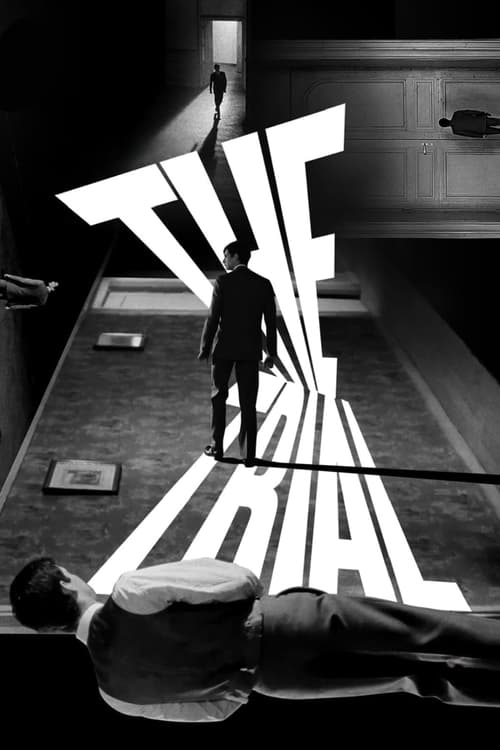
1. The Trial
Orson Welles's adaptation of Kafka’s unfinished novel is a masterclass in cinematic paranoia and bureaucratic labyrinthine dread. With its expressionistic, labyrinthine sets and Welles's signature deep-focus cinematography, it crafts a suffocating atmosphere where Josef K.'s struggle against an unseen, omnipresent authority becomes a universal allegory for modern alienation. Anthony Perkins delivers a haunting performance.
2 / 10

2. Le Samouraï
Jean-Pierre Melville’s minimalist neo-noir is a study in stoic cool and existential solitude. Alain Delon’s hitman, Jef Costello, operates in a meticulously crafted, sterile world governed by ritual and an unyielding code. The film’s sparse dialogue and precise visual storytelling elevate it beyond mere genre, exploring themes of fate, professionalism, and the inescapable nature of one's chosen path.
3 / 10
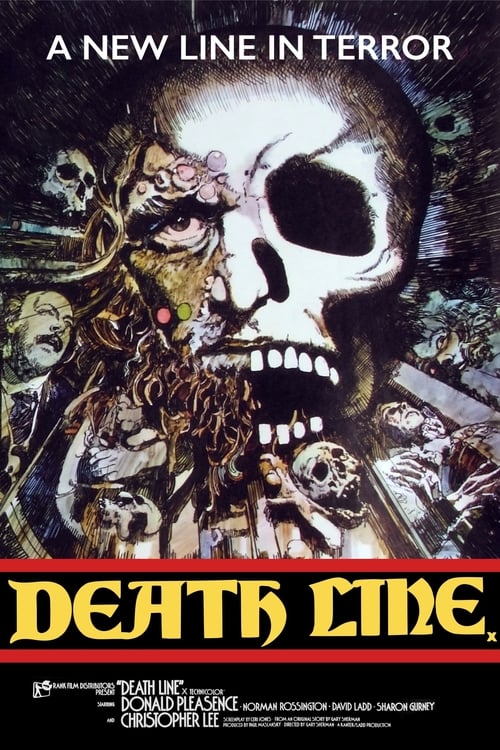
3. Death Line
This British horror gem, also known as 'Raw Meat', delves into a uniquely grim corner of London. It's a grimy, disturbing narrative about a family of cannibals living beneath the city's tube system, descendants of Victorian tunnel workers. Beyond its visceral scares, the film offers a surprisingly poignant social critique of class, neglect, and the forgotten underbelly of urban society.
4 / 10
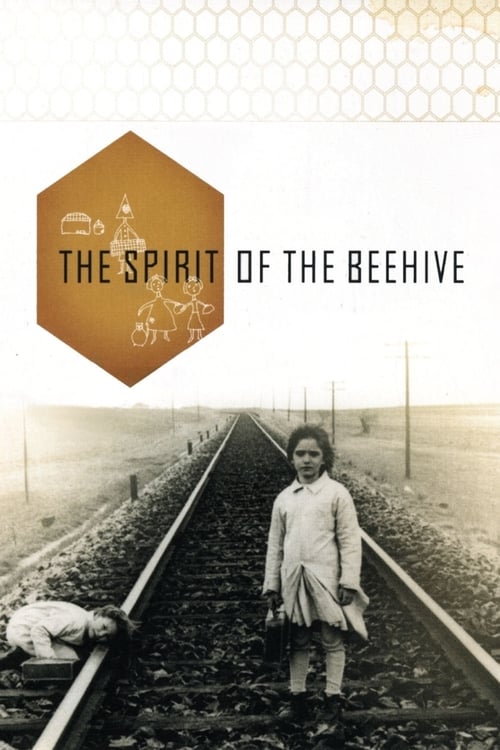
4. The Spirit of the Beehive
Víctor Erice's Spanish masterpiece is a haunting, poetic meditation on childhood innocence and the lingering trauma of the Spanish Civil War. Seen through the eyes of a young girl, Ana, captivated by 'Frankenstein', the film blends reality and fantasy, creating an ethereal, atmospheric portrait of rural life under a repressive regime, where unspoken fears manifest in shadowy forms.
5 / 10
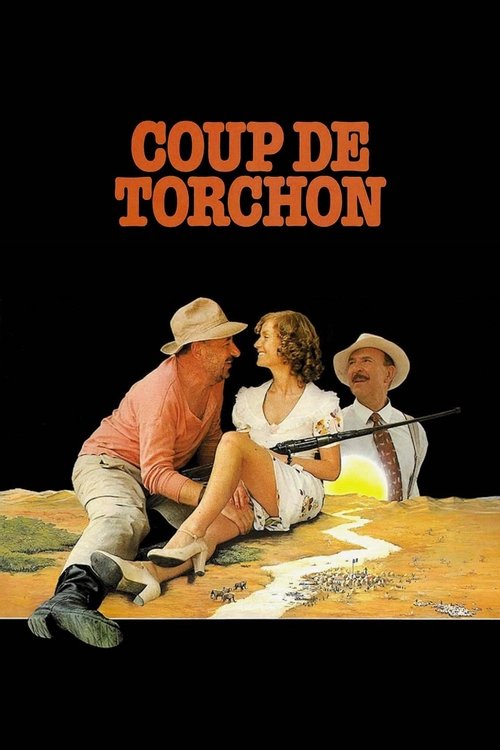
5. Coup de Torchon
Bertrand Tavernier transports Jim Thompson’s 'Pop. 1280' to French colonial West Africa, transforming a pulpy noir into a chilling, darkly comedic exploration of moral decay. Philippe Noiret’s seemingly bumbling police chief descends into nihilistic violence, exposing the hypocrisy and casual racism of the colonial establishment. It’s a masterful, unsettling character study.
6 / 10
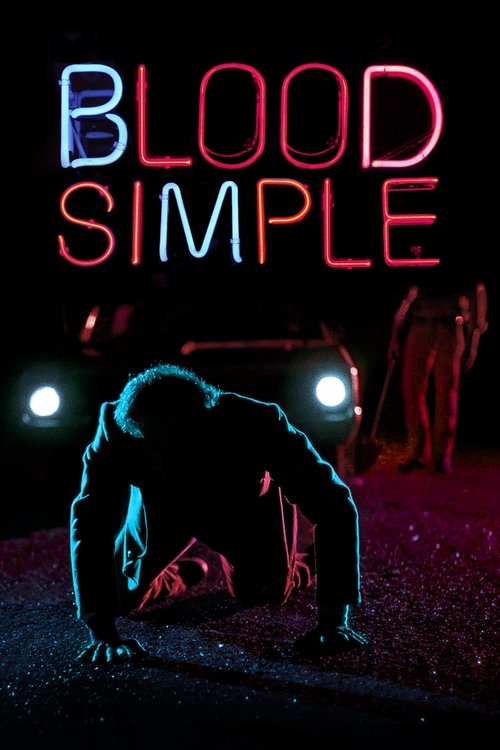
6. Blood Simple
The Coen Brothers' audacious debut announced their arrival with a stylish, darkly comedic neo-noir. Set in a desolate Texas landscape, it weaves a tangled web of infidelity, murder-for-hire, and mistaken identities. Its precise plotting, stark cinematography, and distinct, cynical humor established the Coens' unique auteurist vision, brimming with tension and memorable characters.
7 / 10
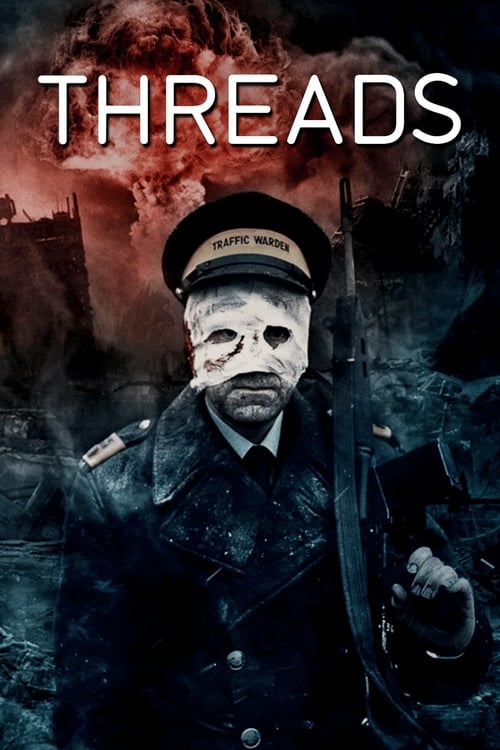
7. Threads
This BBC television film remains one of the most unflinching and devastating depictions of nuclear war and its aftermath ever produced. Presented with stark, documentary-like realism, it meticulously chronicles the collapse of society in Sheffield, England. Its relentless bleakness and commitment to showing the unvarnished truth make it a profoundly impactful, essential, if harrowing, viewing experience.
8 / 10
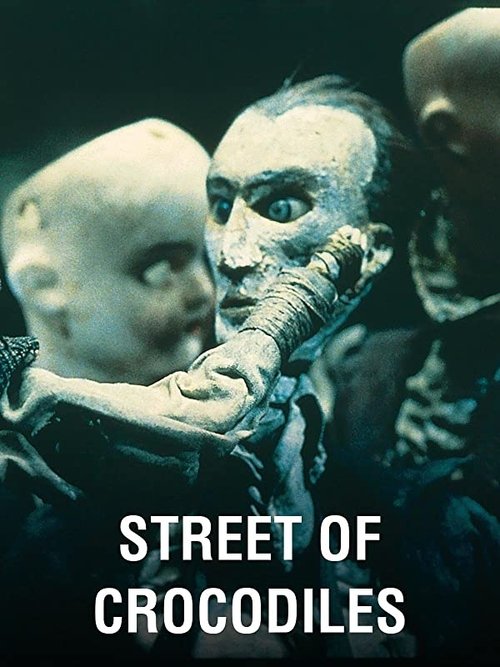
8. Street of Crocodiles
The Quay Brothers’ stop-motion animation is a journey into a surreal, melancholic, and meticulously crafted dreamscape. Inspired by Bruno Schulz, it explores decay, forgotten memories, and the subconscious through grotesque puppets and intricate, dusty sets. It's a visually astonishing, deeply unsettling, and uniquely experimental piece that defies easy categorization.
9 / 10
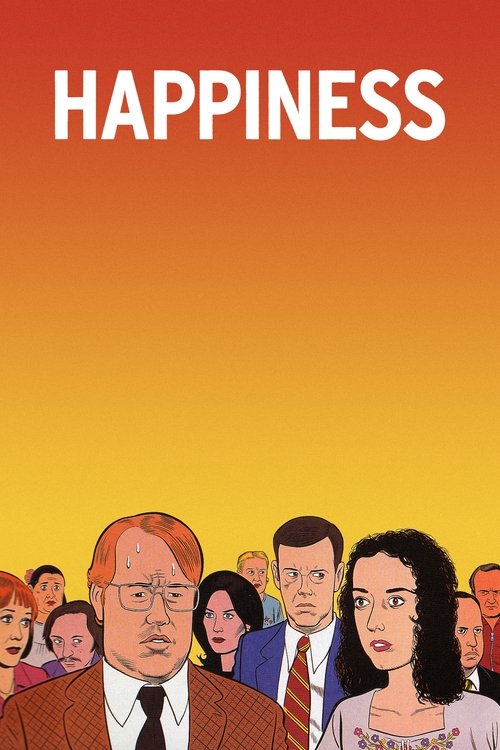
9. Happiness
Todd Solondz’s controversial black comedy unflinchingly dissects the dark underbelly of suburban American life. Following three sisters and their dysfunctional connections, it confronts themes of pedophilia, loneliness, and sexual deviancy with a disarmingly deadpan tone. It’s a provocative, often uncomfortable, yet profoundly honest and darkly humorous examination of human despair.
10 / 10
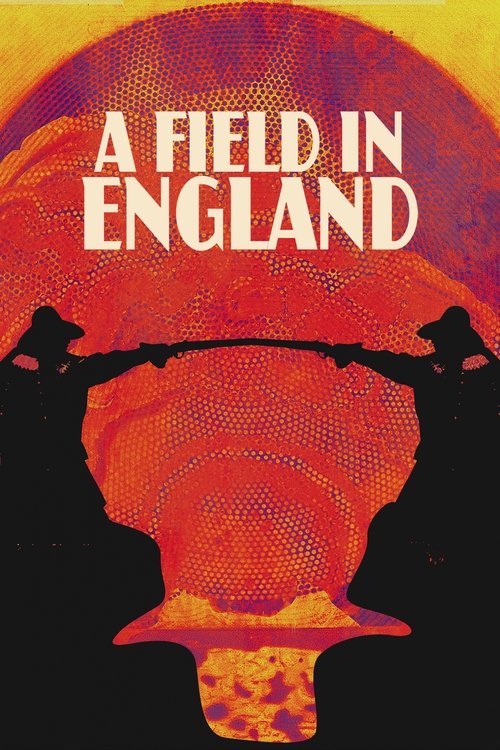
10. A Field in England
Ben Wheatley’s psychedelic folk horror is a dizzying, hallucinatory trip into the English Civil War. Shot in stark black and white, it follows a group of deserters who fall under the sway of an alchemist. Combining historical setting with surreal horror and experimental visuals, it’s a challenging, hypnotic, and uniquely British cinematic experience that blurs reality and madness.