
1 / 9
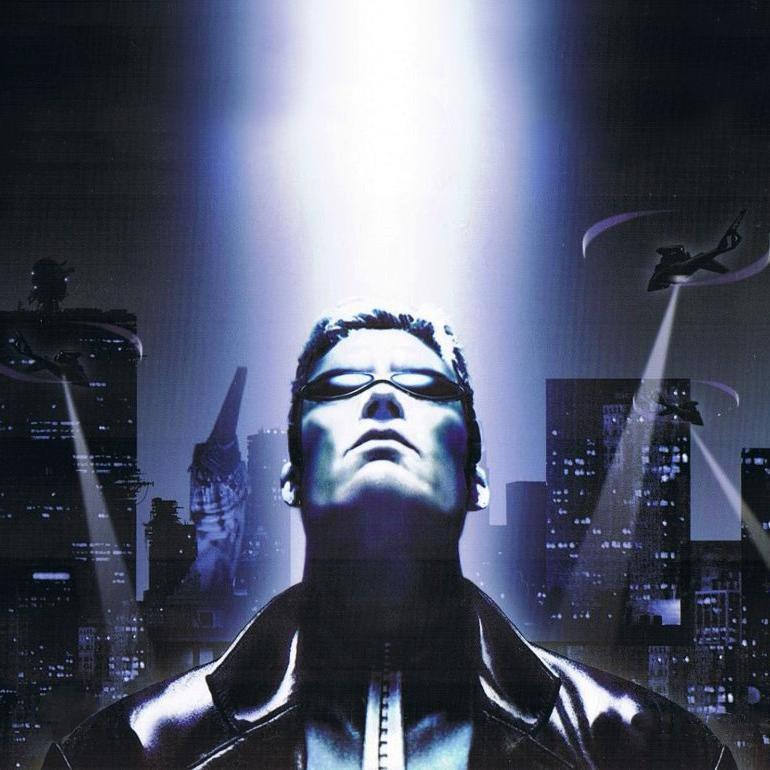
1. Deus Ex
Back in 2000, Deus Ex wasn't just a game; it was a revelation. It blended RPG depth, stealth, and shooter mechanics into a sprawling cyberpunk conspiracy that respected player intelligence. You could tackle objectives so many ways, making each playthrough feel genuinely unique. Sure, it was clunky even then, but the sheer ambition and the freedom it offered were unmatched. We’re talking about true player agency, not just dialogue choices. This is the blueprint for immersive sims that few have truly replicated.
2 / 9
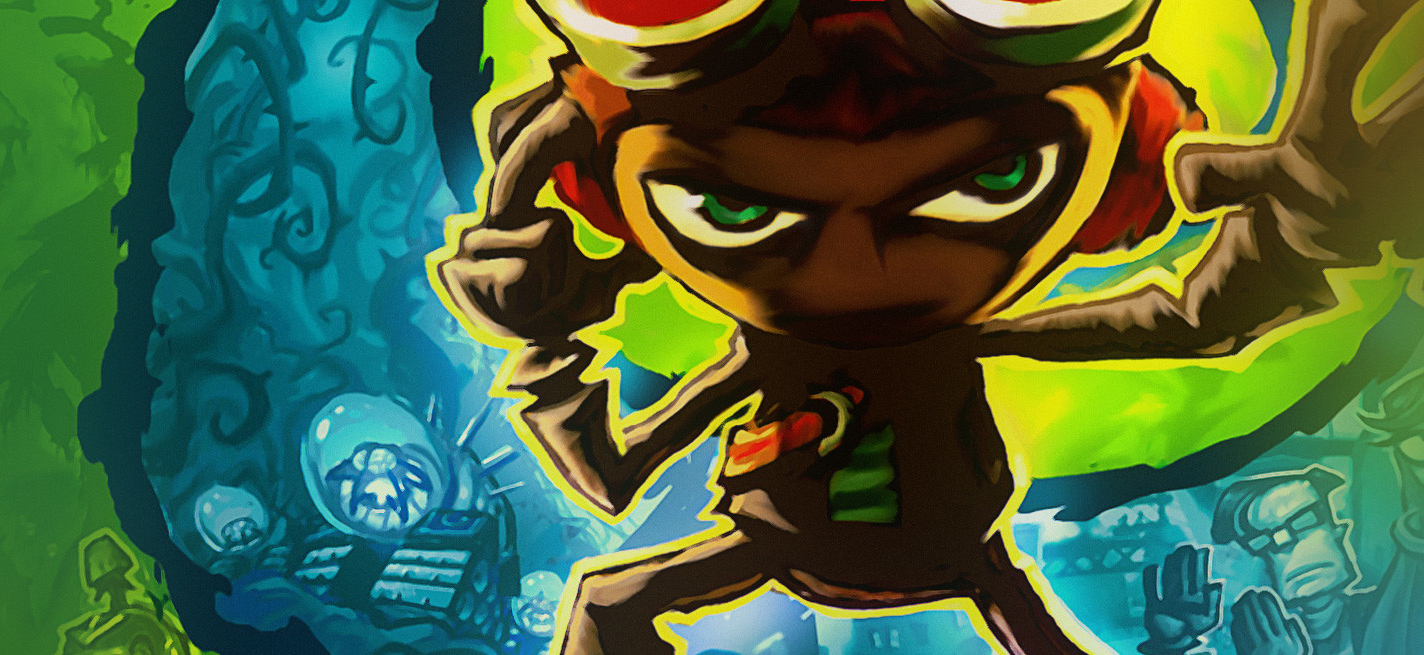
2. Psychonauts
Tim Schafer's Psychonauts, from 2005, was pure, unadulterated imagination poured into a platformer. You literally jumped into people's minds, exploring their neuroses as bizarre, brilliant levels. Its art style was iconic, the writing razor-sharp, and Raz was an instantly lovable psychic cadet. It never got the recognition it deserved initially, likely overshadowed by sequels and bigger budgets. But its genuine heart and boundless creativity still shine, proving that unique concepts beat endless rehashes every time.
3 / 9
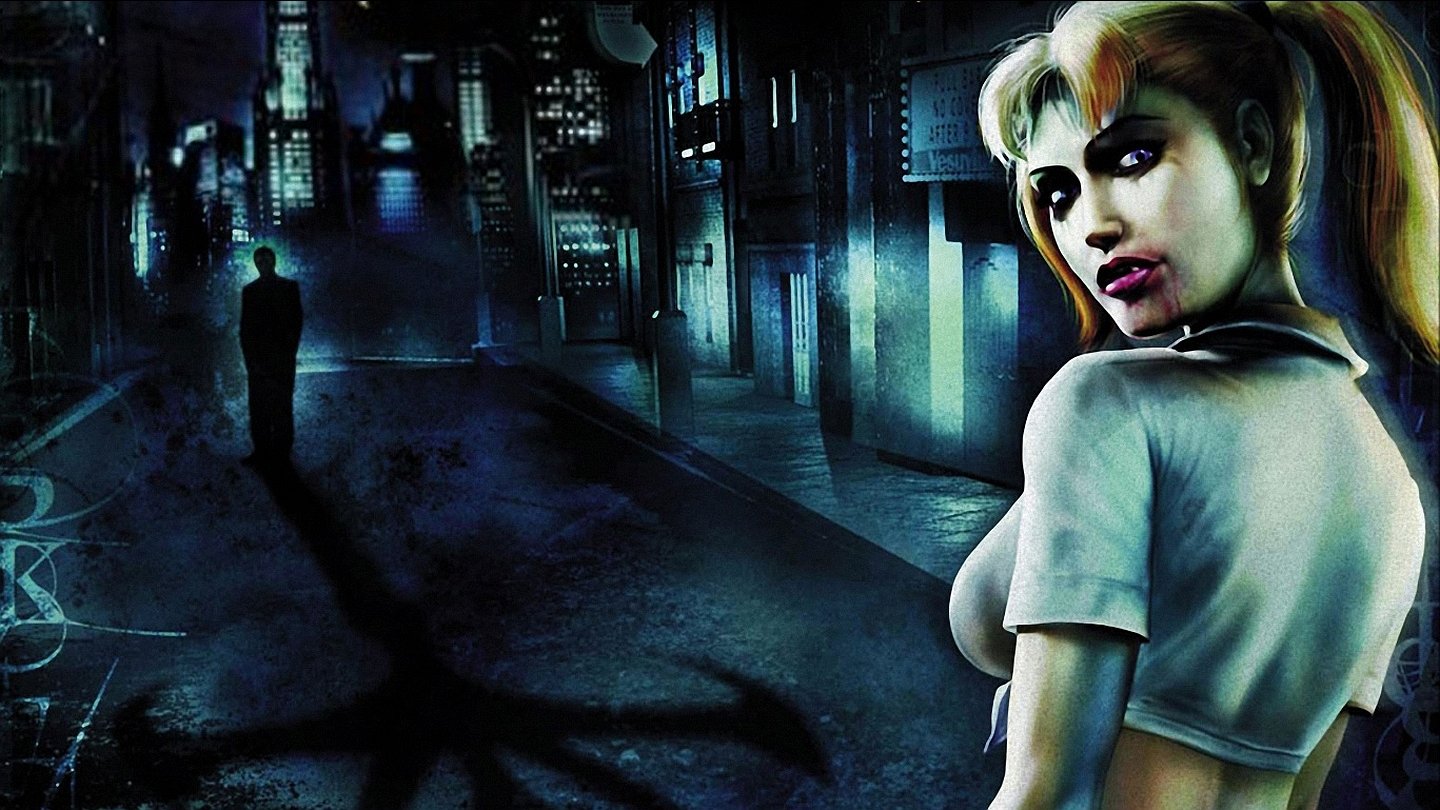
3. Vampire: The Masquerade - Bloodlines
This 2004 RPG was a beautiful, buggy mess on release. But damn, if it wasn't one of the most atmospheric, character-rich experiences ever. Troika Games crafted a modern-day Los Angeles steeped in World of Darkness lore, with incredible writing and voice acting. Its branching quests and faction choices felt genuinely impactful. The community kept it alive, patching it into the masterpiece it always should have been. It’s a stark reminder that soul and ambition often trump polish.
4 / 9
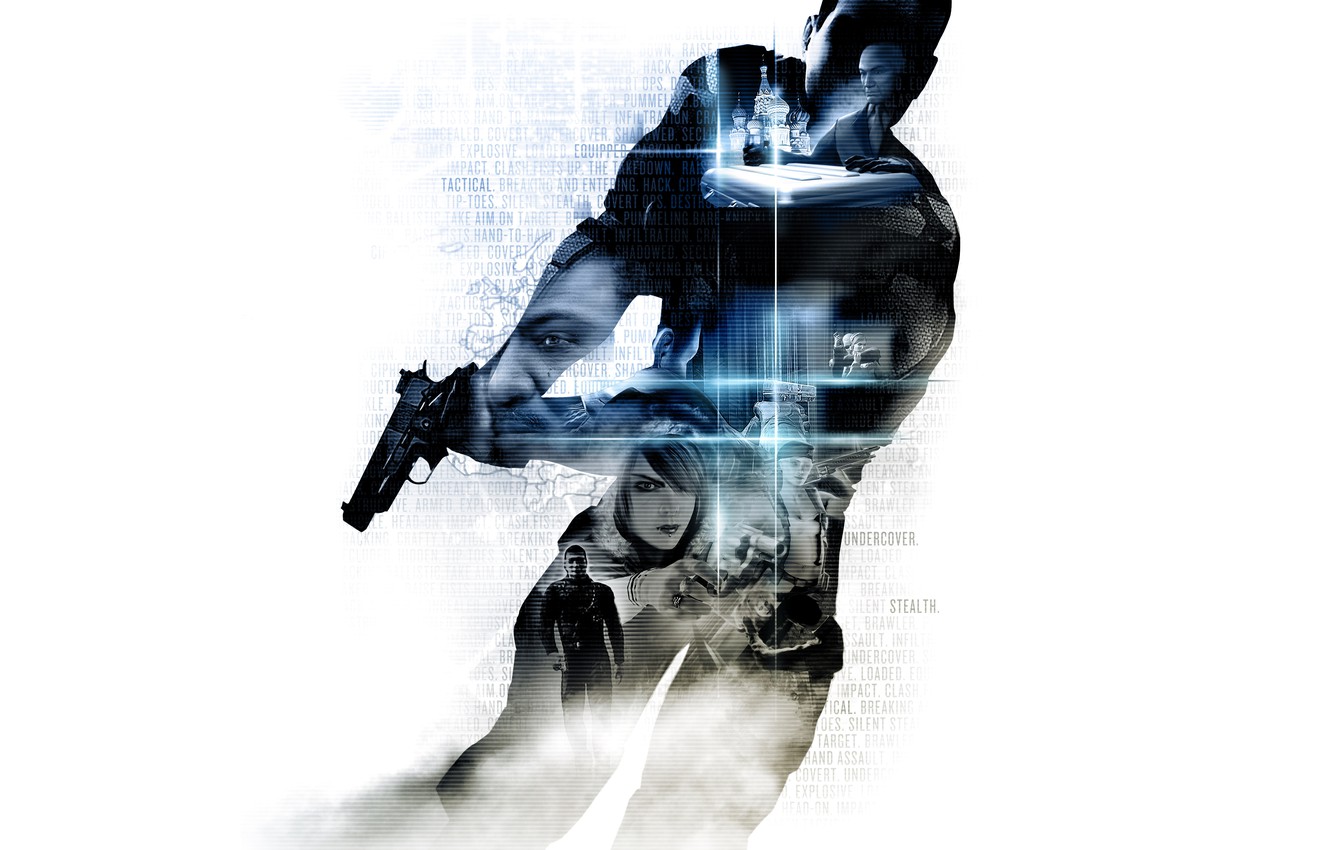
4. Alpha Protocol
Obsidian's Alpha Protocol (2010) was the spy RPG we deserved, even if it played like a budget title. Its dialogue system was revolutionary, truly shaping Michael Thorton's personality and relationships with each choice. Consequences for your actions, or inactions, actually reverberated throughout the entire narrative. Yeah, the gunplay was rough, but the storytelling and player agency were so potent, making it a truly unique, criminally underrated gem in a sea of generic shooters.
5 / 9
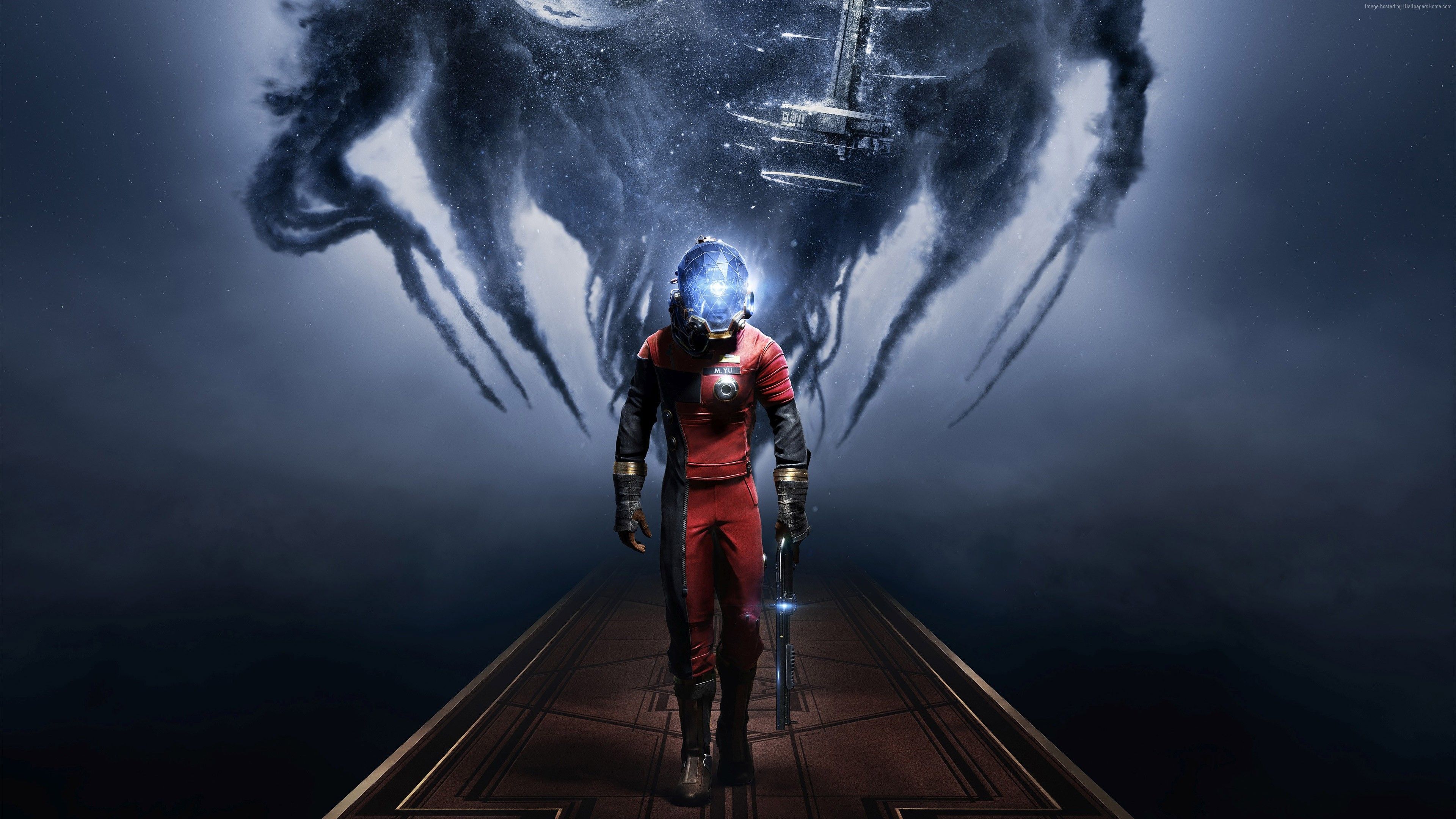
5. Prey
Arkane's 2017 Prey wasn't the Prey most remembered, and that's exactly why it’s a cult classic. This was a true immersive sim in space, a spiritual successor to System Shock. Trapped on Talos I, battling shape-shifting Mimics, every vent and every item felt purposeful. It encouraged experimentation, rewarded exploration, and built an atmosphere of dread and intellectual curiosity that few games achieve. It was too smart for the mainstream, and we loved it for that.
6 / 9

6. Sleeping Dogs
Sleeping Dogs (2012) didn't just imitate Grand Theft Auto; it carved its own, neon-soaked path through Hong Kong. Wei Shen's undercover story was gritty and personal, fueled by brutal martial arts combat and exhilarating car chases. It nailed the atmosphere of a bustling metropolis, giving us a fresh setting beyond the usual American cities. It was a stylish, hard-hitting open-world experience that should have gotten a proper sequel. United Front Games deserved more.
7 / 9
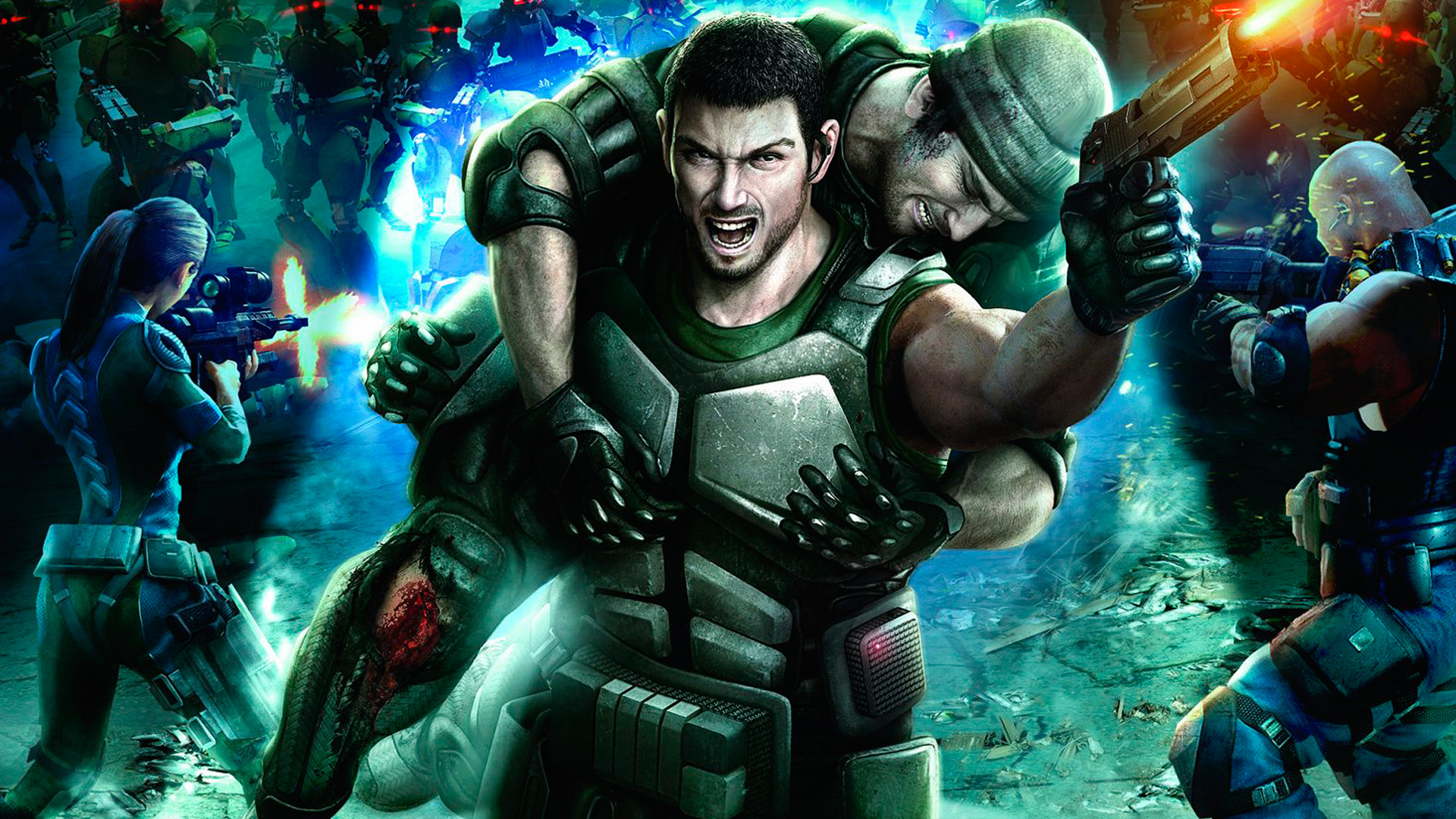
7. Binary Domain
Before Yakuza became a global phenomenon, Ryu Ga Gotoku Studio made Binary Domain (2012). This third-person shooter had a surprisingly compelling sci-fi narrative about humanity versus sentient robots. Its 'trust' system, where your squadmates reacted to your decisions, was innovative, even if the voice commands were…iffy. The boss fights were epic, the action relentless, and the story had genuine emotional depth. It's a prime example of a game way ahead of its time, unfairly overlooked.
8 / 9
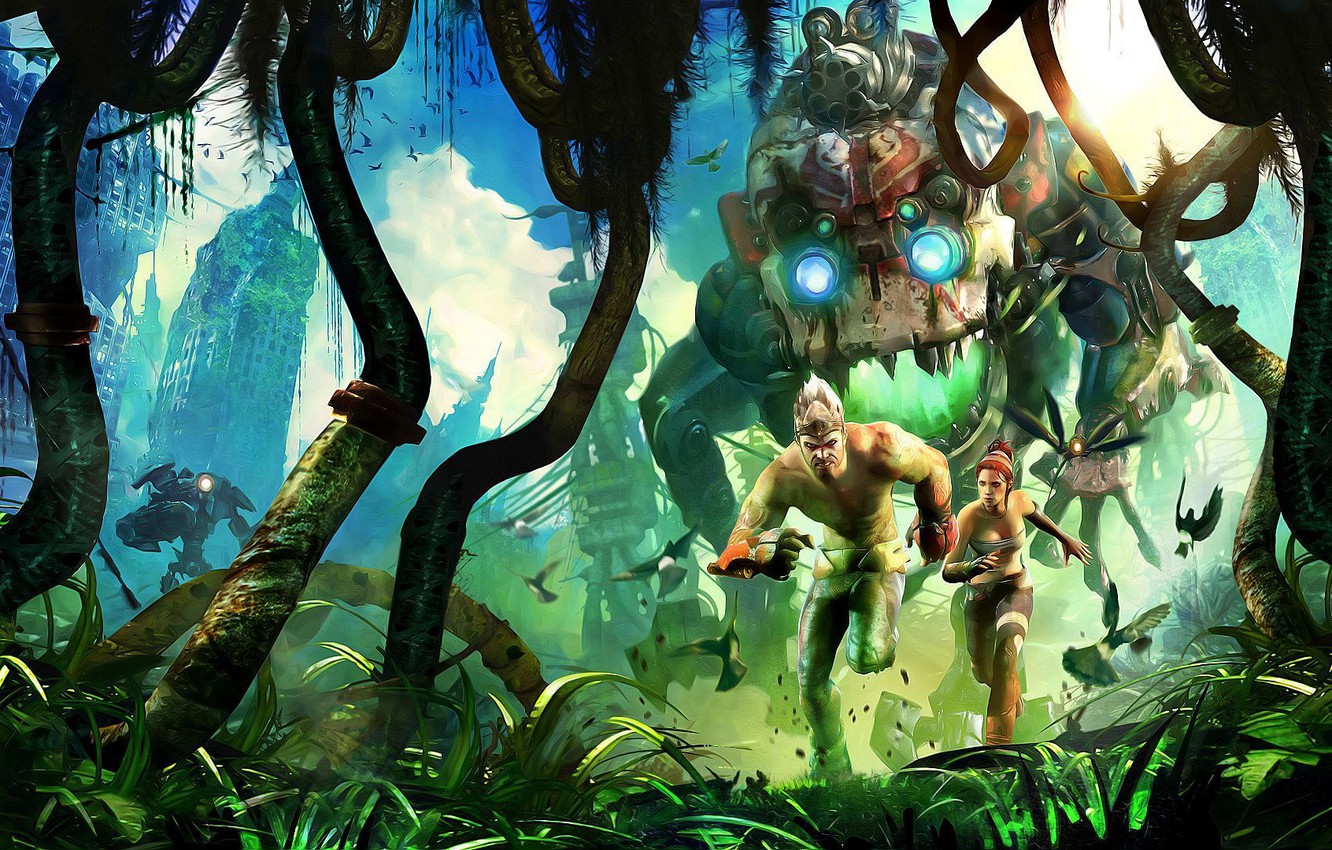
8. Enslaved: Odyssey to the West
Ninja Theory's Enslaved (2010) was a gorgeous, linear adventure game that focused on character chemistry and a vibrant post-apocalyptic world. Monkey and Trip’s reluctant partnership drove a surprisingly emotional story, beautifully animated and voice-acted. It might not have had the open-world freedom of its contemporaries, but its focus on narrative and platforming felt refreshingly old-school, elevated by stunning art direction. It’s a testament to how far a strong core concept and great characters can carry a game.
9 / 9
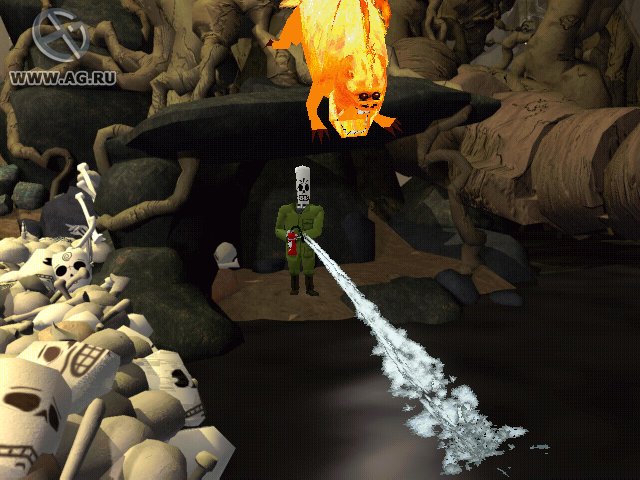
9. Grim Fandango
Grim Fandango, the 1998 point-and-click from LucasArts, remains a masterpiece. Tim Schafer’s vision of the afterlife, blending film noir with Mexican folklore, was unlike anything before or since. Manny Calavera's journey was packed with witty dialogue, memorable characters, and mind-bending puzzles that demanded actual thought. Its unique aesthetic and mature storytelling resonated deeply with those who played it, proving that adventure games could be as cinematic and engaging as any blockbuster.