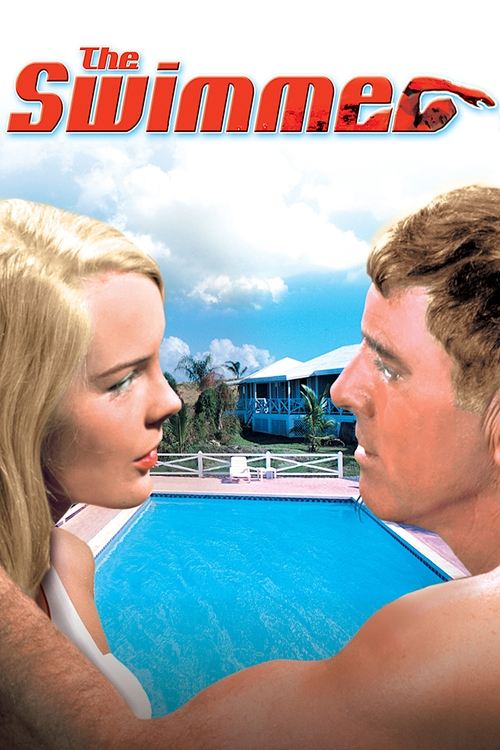
1. The Swimmer
Burt Lancaster's odyssey across suburban pools is a stark, almost hallucinatory examination of the American dream's fragile façade. Frank Perry, working from a John Cheever story, crafts a psychological portrait of a man clinging desperately to a past that never truly existed. It’s a poignant, unsettling descent into denial, revealing the hollowness beneath the veneer of affluence and perceived success, showcasing a masterful performance and a disquieting narrative structure.
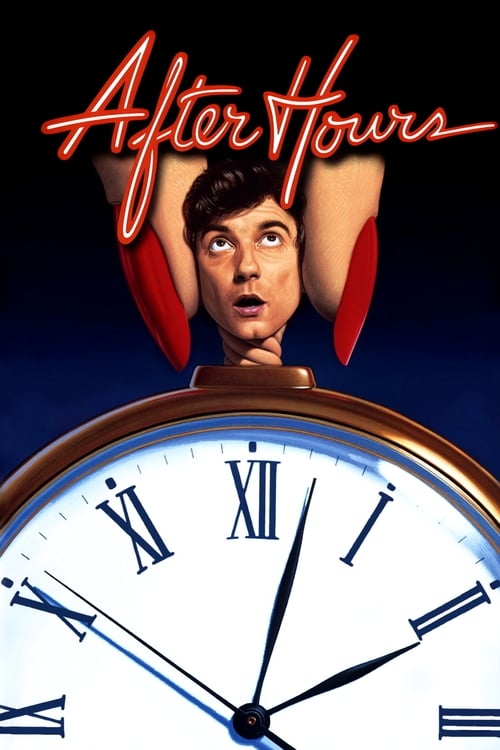
2. After Hours
Martin Scorsese's foray into absurdism is a masterclass in urban paranoia and escalating chaos. Paul Hackett’s increasingly surreal night in SoHo, a stark departure from Scorsese's more traditional gangster narratives, feels like a fever dream. It’s a darkly comedic, yet deeply unnerving, exploration of alienation and the bizarre, unpredictable nature of city life, demonstrating the director’s versatility beyond his established oeuvre.
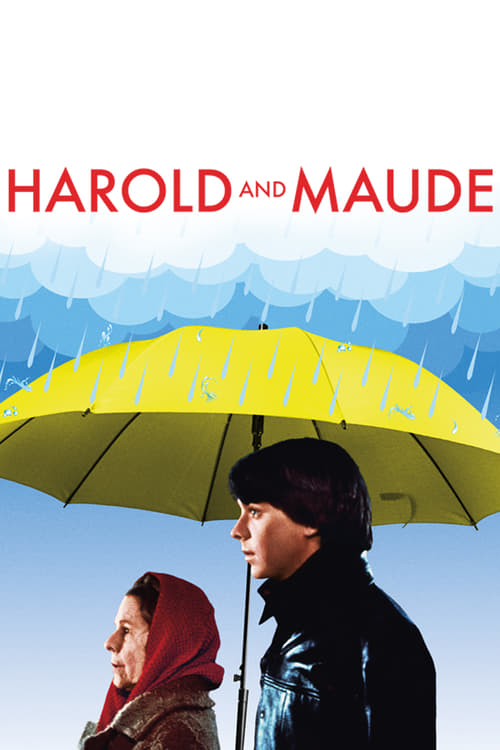
3. Harold and Maude
Hal Ashby’s unconventional romance is a testament to finding life and joy in unexpected places. This black comedy, often misunderstood upon release, champions individuality and living authentically against societal norms. It’s a tender, quirky, and ultimately profound meditation on mortality, love, and the pursuit of happiness, cementing its place as a cult classic that continues to resonate with its defiant optimism.
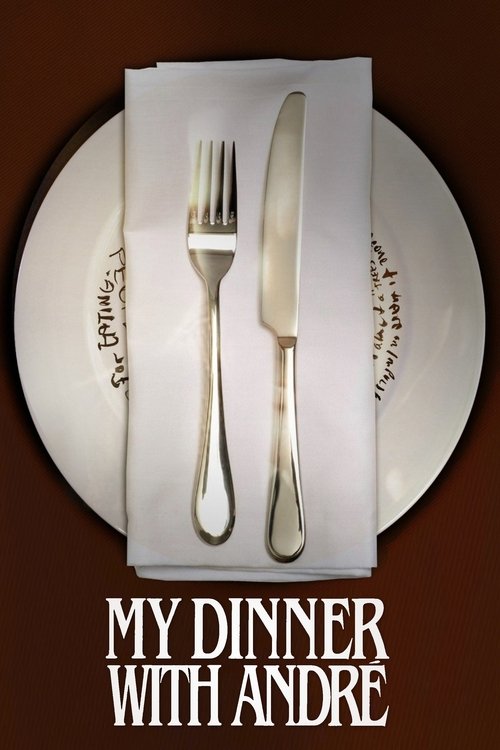
4. My Dinner with Andre
Louis Malle’s film is essentially a filmed conversation, yet it achieves profound depths. Two men, Andre Gregory and Wallace Shawn, discuss life, art, and the very nature of existence over a meal. It's a bold experiment in narrative minimalism, proving that cinema can be captivating purely through intellectual discourse, challenging our assumptions about what constitutes a compelling cinematic experience.
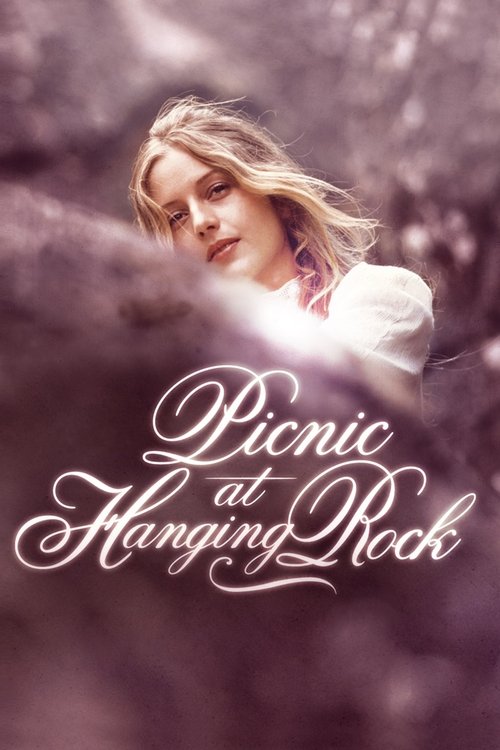
5. Picnic at Hanging Rock
Peter Weir’s atmospheric mystery is less about solving a disappearance and more about the unsettling power of the unknown. The film, a landmark in Australian cinema, cultivates a pervasive sense of dread and inexplicable beauty. It explores themes of repressed sexuality and the clash between colonial order and ancient, untamed nature, leaving an indelible, haunting impression through its dreamlike cinematography and enigmatic narrative.
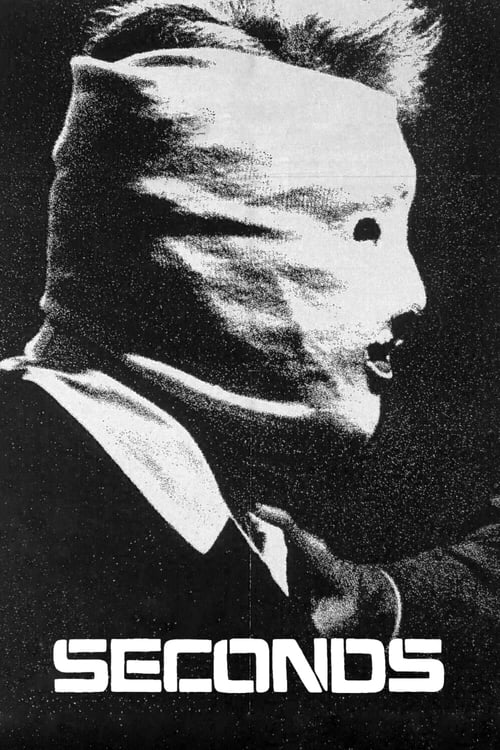
6. Seconds
John Frankenheimer’s chilling sci-fi thriller delves into identity and existential angst with remarkable prescience. A man undergoes a radical surgical procedure to assume a new life, only to find himself trapped in a different kind of prison. Its stark black-and-white cinematography and disorienting camera work underscore the psychological horror, reflecting a mid-century American anxiety about conformity and personal liberty.

7. Withnail & I
Bruce Robinson's cult classic is a darkly comedic, often bleak, portrayal of two unemployed actors grappling with the squalor of late-1960s London and the English countryside. Its quotable dialogue and unforgettable performances elevate a simple premise into a poignant, cynical study of friendship, ambition, and the melancholic end of an era, solidifying its place in British cinematic history.
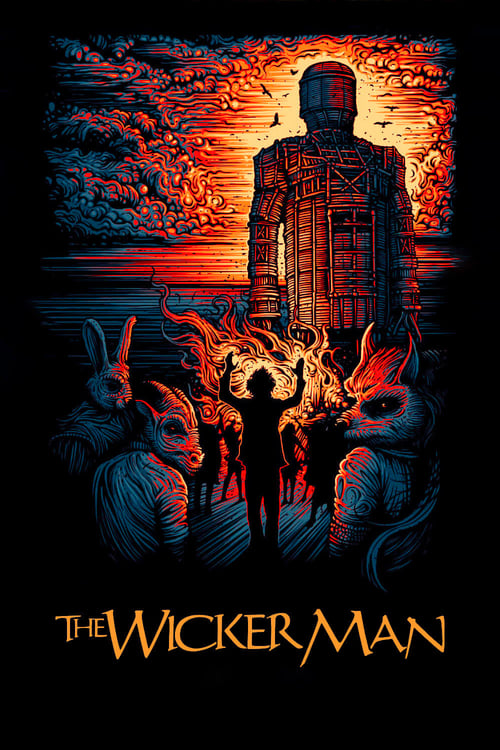
8. The Wicker Man
Robin Hardy's folk horror masterpiece thrives on its slow-burn atmosphere and psychological tension rather than jump scares. A devout Christian policeman investigates a missing girl on a remote Scottish island, encountering a pagan community. It's a chilling exploration of clashing belief systems, ritual sacrifice, and the insidious power of isolation, culminating in one of cinema's most disturbing conclusions.
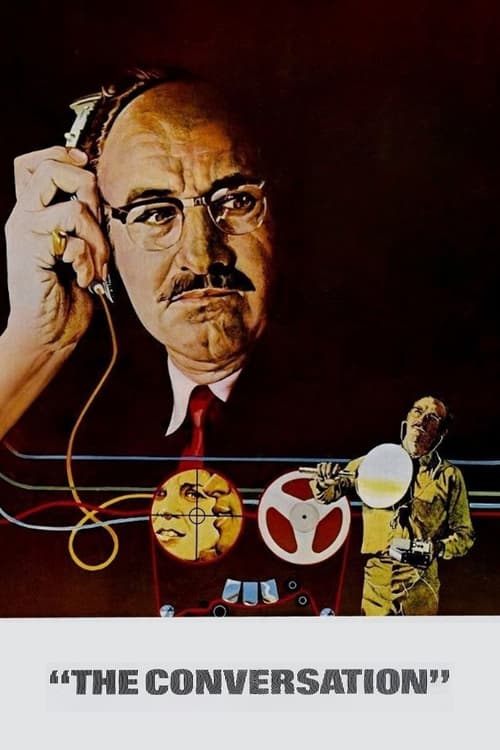
9. The Conversation
Francis Ford Coppola’s masterful psychological thriller explores surveillance, guilt, and the erosion of privacy with chilling precision. Gene Hackman delivers a career-defining performance as a meticulous wiretapper whose moral compass unravels when he suspects a murder plot. Released amidst Watergate, its themes resonate profoundly, showcasing Coppola’s versatility and his profound understanding of human paranoia and isolation.
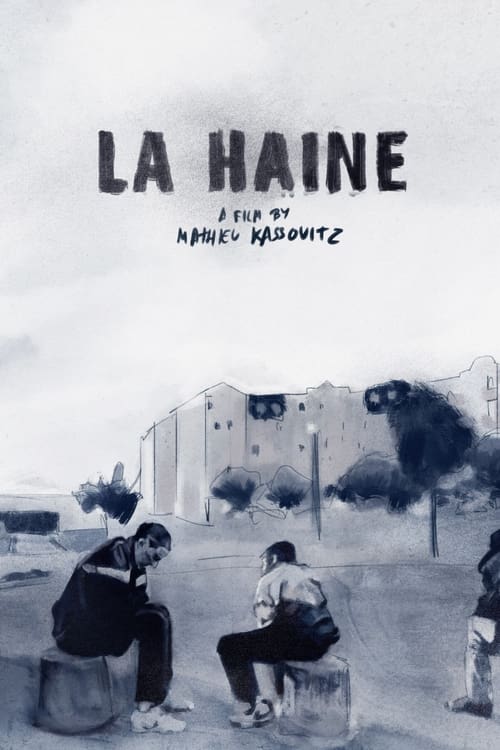
10. La Haine
Mathieu Kassovitz's raw, black-and-white portrayal of three young men in the Parisian banlieues after a riot is a powerful piece of social commentary. Capturing a single day, it dissects systemic racism, police brutality, and the simmering tension within marginalized communities. Its kinetic energy and stark realism offer an unflinching, vital reflection on urban disenfranchisement and the cycle of violence.