
1. The Vanishing
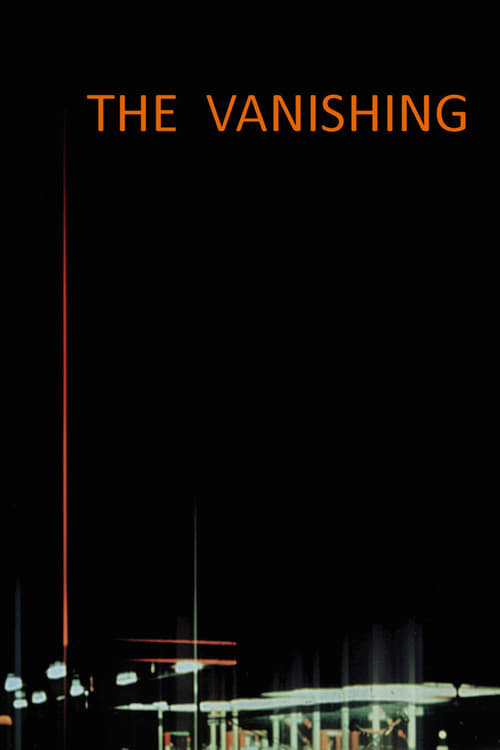
George Sluizer's original Dutch *The Vanishing* (1988) is a masterclass in psychological dread, a film that doesn't just withhold answers but weaponizes the very act of seeking them. It delves into the terrifying abyss of obsession, where the pursuit of truth becomes a self-destructive odyssey. This isn't a conventional horror film; it's a chilling exploration of existential uncertainty and the human capacity for unfathomable darkness, leaving an indelible mark long after its quiet, devastating climax.
2. Seconds
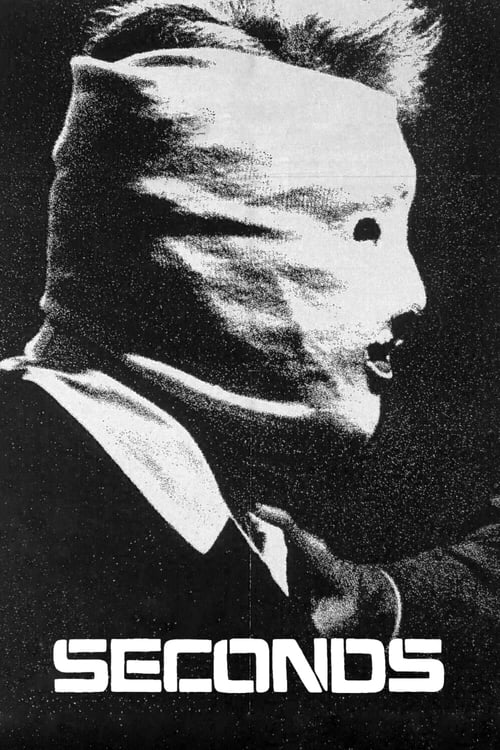
John Frankenheimer’s *Seconds* (1966) is a chilling dive into mid-century American anxieties, a paranoid fantasia about a man who fakes his death for a new life. Its stark, high-contrast cinematography and disorienting camera work amplify the psychological unraveling. Rock Hudson delivers a career-redefining performance as a man trapped by his own engineered rebirth, exposing the terrifying sterility of manufactured identity and the inescapable nature of one's true self.
3. After Hours
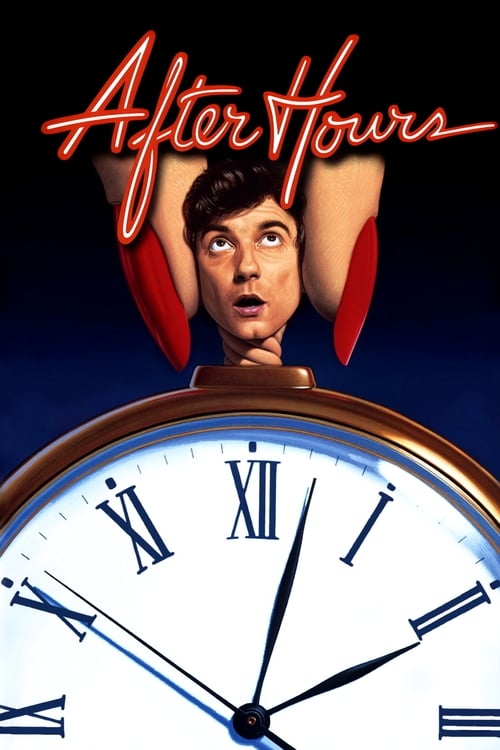
Martin Scorsese, usually associated with grand epics, delivers a claustrophobic, darkly comedic nightmare with *After Hours* (1985). Paul Hackett’s seemingly innocuous journey home transforms into a Kafkaesque odyssey through an increasingly hostile SoHo night. It's a masterclass in escalating absurdity, where every decision leads to further entanglement. Scorsese brilliantly captures the alienating chaos of urban existence, a darkly funny, genuinely unsettling descent into metropolitan madness.
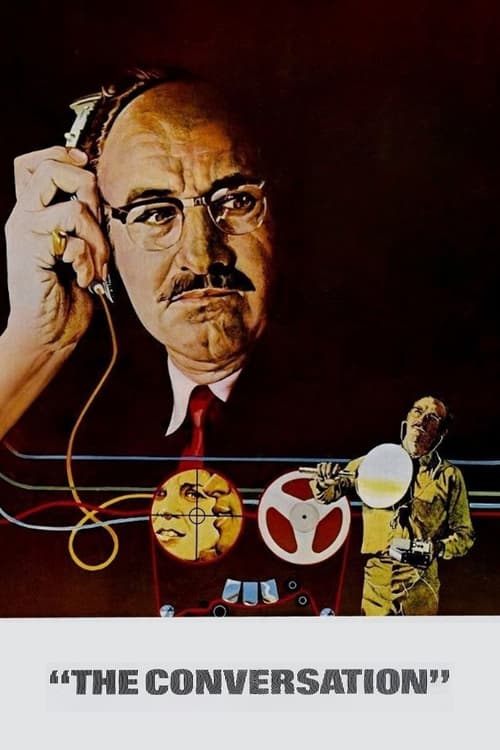
4. The Conversation
Francis Ford Coppola's *The Conversation* (1974), released the same year as *The Godfather Part II*, is a quiet, meticulous study of paranoia and guilt. Gene Hackman’s Harry Caul, a surveillance expert, becomes haunted by a recording, blurring the lines between observer and implicated party. Coppola's masterful use of sound design immerses us in Caul's isolating world, reflecting post-Watergate anxieties about privacy and accountability. It's a chilling, introspective thriller that still resonates deeply.

5. Wake in Fright
Ted Kotcheff's *Wake in Fright* (1971) is a searing, visceral descent into the heart of Australian darkness. A schoolteacher, stranded in a remote outback town, finds himself ensnared in a brutal, booze-fueled cycle of toxic masculinity and self-destruction. Its raw, unflinching portrayal of savagery, both environmental and human, was controversial upon release. This lost classic, now restored, remains a potent, almost hallucinatory, critique of masculine excess and existential despair.

6. Possession
Andrzej Żuławski’s *Possession* (1981) is an unhinged, operatic explosion of psychological and body horror, dissecting a marriage’s dissolution amidst Cold War anxieties in Berlin. Isabelle Adjani delivers one of cinema's most electrifying, terrifying performances as a woman succumbing to an indescribable, visceral madness. It’s a film that defies easy categorization, a fever dream of betrayal, monstrous desire, and existential breakdown, leaving viewers utterly shaken and mesmerized.
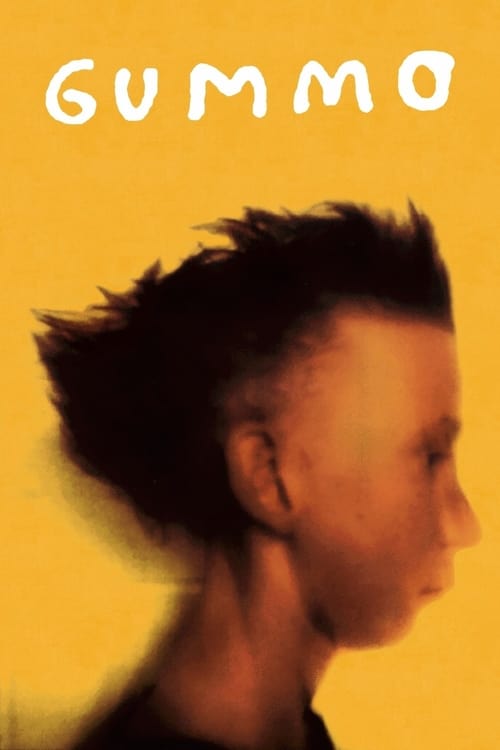
7. Gummo
Harmony Korine's *Gummo* (1997) is a deliberately provocative and profoundly unsettling portrait of rural American decay. Through a series of disjointed vignettes, Korine eschews traditional narrative for an impressionistic, almost anthropological, study of marginalized lives in Xenia, Ohio. It’s a work of confrontational realism, exploring nihilism, poverty, and taboo with a raw, uncompromising gaze that challenges conventional cinematic aesthetics and moral comfort zones.
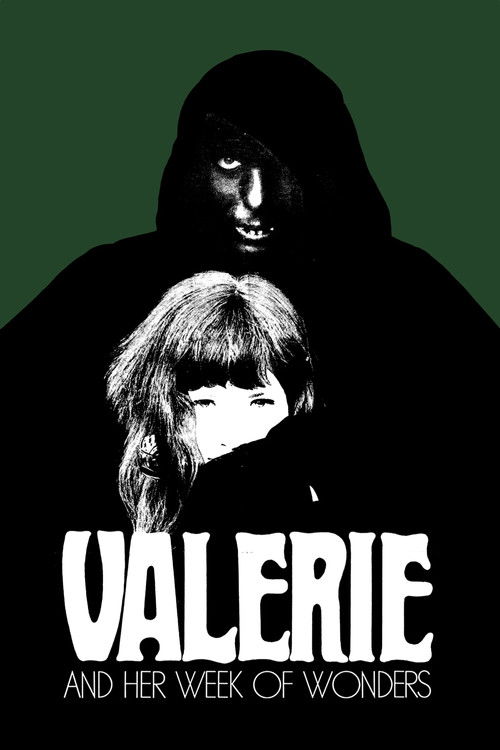
8. Valerie and Her Week of Wonders
Jaromil Jireš's *Valerie and Her Week of Wonders* (1970) is a breathtakingly beautiful, dreamlike artifact of the Czech New Wave. This surreal coming-of-age fable plunges into the subconscious anxieties and burgeoning sexuality of its young protagonist. With its lush, ethereal cinematography and enigmatic narrative, it feels less like a film and more like a half-remembered dream, a poetic exploration of innocence lost and the strange, unsettling beauty of transformation.
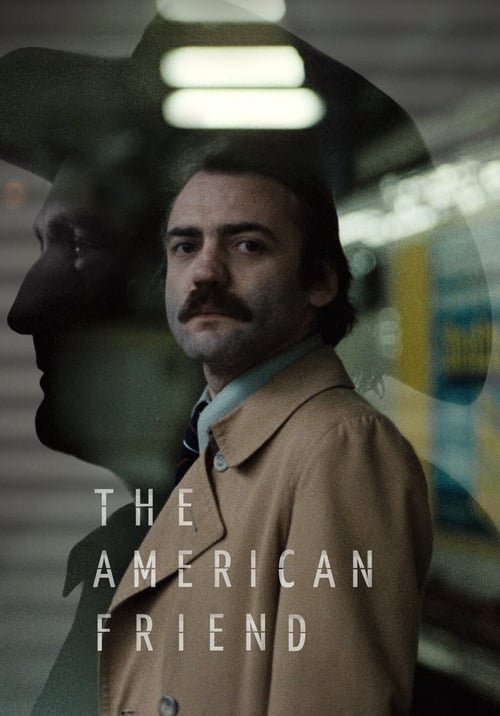
9. The American Friend
Wim Wenders’ *The American Friend* (1977) reimagines Patricia Highsmith’s Ripley for a European neo-noir sensibility. Bruno Ganz plays a picture framer coerced by Dennis Hopper’s unsettling Ripley into contract killing, weaving a complex web of moral compromise and unexpected camaraderie. Wenders crafts a moody, atmospheric thriller that explores themes of identity, guilt, and the seductive power of malevolent influence, all set against a backdrop of shadowy art markets and uneasy alliances.
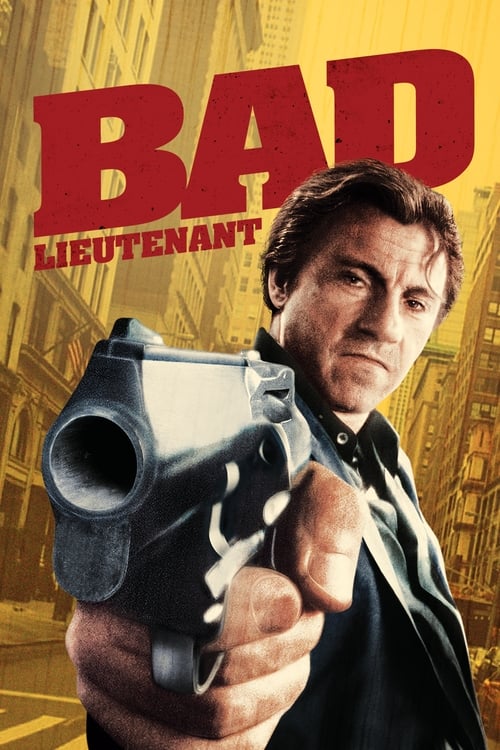
10. Bad Lieutenant
Abel Ferrara’s *Bad Lieutenant* (1992) is a brutally uncompromising descent into the moral abyss of a corrupt New York City cop. Harvey Keitel delivers a raw, fearless performance as a man spiraling through addiction, gambling, and depravity, yet grappling with a desperate, twisted search for redemption. Ferrara’s unflinching gaze into the darkest corners of human nature, punctuated by moments of startling spiritual reckoning, makes for an intense, unforgettable, and deeply disturbing cinematic experience.