
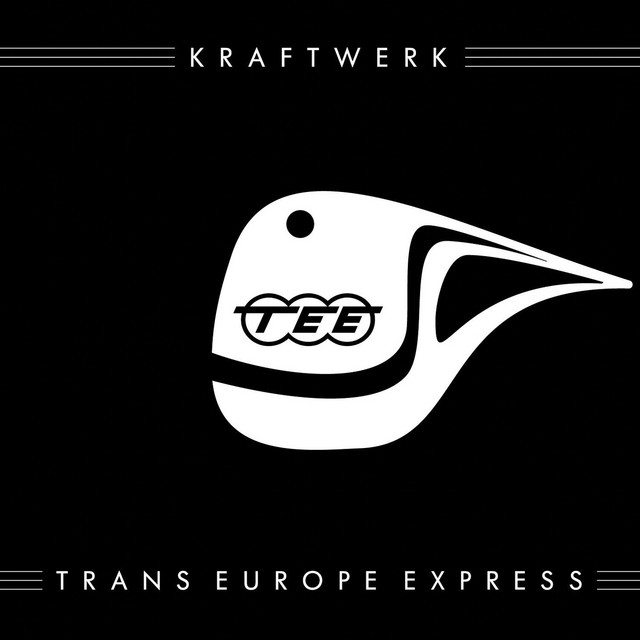
1. Trans-Europe Express (2009 Remaster)
Kraftwerk's '77 masterpiece defined a new sonic architecture. Forget the "remaster"; the original analog precision was already perfect. Their meticulous layering of synthesized rhythms and melodic motifs, crafted on custom sequencers and voltage-controlled oscillators, established the blueprint for so much electronic music. It wasn't just music; it was a conceptual statement, a pure, unadulterated vision of the future built from wires and waveforms. The sheer foresight of their studio craft remains staggering.
2. Billie Jean (Hoodtrap)
Michael Jackson’s 1982 opus, helmed by Quincy Jones, remains a masterclass in studio alchemy. Ignore any modern "hoodtrap" nonsense; the original is untouchable. That LinnDrum snap, the iconic synth-bassline doubling a live bass, the subtle guitar jabs – every element was placed with surgical precision. The gated reverb on the snare, a quintessential 80s technique, sealed its fate as an era-defining, impeccably engineered dance-funk powerhouse. It’s the sound of perfection.
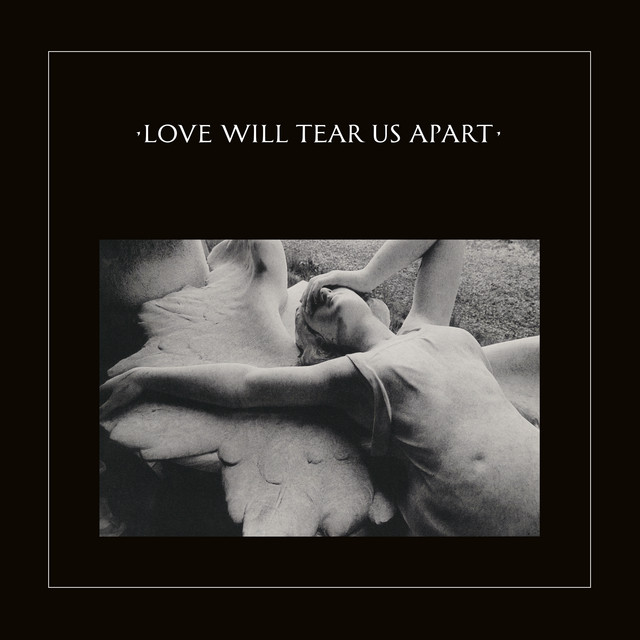
3. Love Will Tear Us Apart
Joy Division, 1980. This track is a stark, emotional landscape. Peter Hook's high-register bassline provides the melodic anchor, a counterpoint to Bernard Sumner's textural guitar work. The interplay between real drums and the machine's rigid pulse, often a Korg KR-55, creates a peculiar, almost disembodied rhythm. Its raw, unpolished production amplifies the lyrical desolation, cementing its status as post-punk's definitive, melancholic anthem. No studio trickery obscured its visceral honesty.

4. Anarchy in the U.K. (Acoustic)
The Sex Pistols' 1976 eruption was primal, an unfiltered blast of working-class rage. Any "acoustic" interpretation misses the entire point. It was never about finesse; it was about the sheer, unadulterated aggression of Steve Jones' guitar, the relentless drive of the rhythm section, and Johnny Rotten's sneering delivery. The raw, almost lo-fi production values, capturing that spontaneous chaos, were integral to its impact. It wasn't polished; it was a brick through a window.

5. My God My Rock
This track, if I recall correctly, was an early foray into the more abrasive ends of the spectrum, possibly even proto-industrial or heavy art-rock. Its power lay in dense, grinding textures, likely from overdriven analog synthesizers or heavily processed guitars. The percussion would have been less about groove and more about impact, a relentless, almost mechanical thud. It carved out a bleak, uncompromising sonic space, pushing boundaries through sheer sonic force, rather than melodic convention.

6. Fascination Street
The Cure, 1989. This is late-period darkwave at its atmospheric peak. Simon Gallup’s deep, driving bassline provides the hypnotic foundation, over which Robert Smith’s guitar paints swirling, chorus-drenched textures. The drums, often a mix of live and programmed elements, provide a relentless, almost ritualistic pulse. The production is expansive, creating a vast, nocturnal soundscape that pulls you into its melancholic depths. It’s an immersive, meticulously crafted piece of gloom.
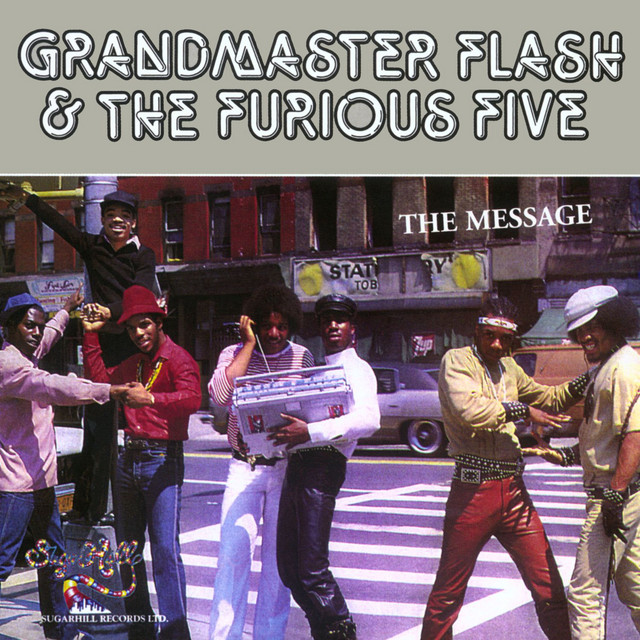
7. The Message
Grandmaster Flash & The Furious Five, 1982. This wasn't just a song; it was a stark, unflinching report from the streets, fundamentally reshaping rap's potential. The instrumental is sparse yet utterly compelling: a foundational LinnDrum beat, simple but effective synth lines, often from a Jupiter-8, and that distinctive bass hook. The raw, direct vocal delivery, without excessive studio polish, gave it an undeniable authenticity and urgent power. It proved rap could be profound.

8. I Love My Computer
This track, likely from the early-to-mid 80s, embodies that era's nascent fascination with synthesizers and digital technology. One would hear bright, almost naive synth patches, likely from a Yamaha DX7 or similar, layered over sequenced basslines and programmed drums. It was less about organic feel and more about demonstrating the new sonic possibilities – a playful, perhaps slightly sterile, but undeniably forward-looking expression of synth-pop's often-optimistic embrace of the machine.

9. Blue Monday (Slowed)
New Order's 1983 masterpiece. Forget any "slowed" versions; the original tempo and relentless drive are essential. That iconic Oberheim DMX drum machine beat, the synthesized bassline, the meticulously programmed sequences – it was a bold fusion of post-punk sensibilities with emerging dance music technology. The sheer audacity of its electronic construction, without a single live drum, set a new standard for what a band could achieve in a pre-digital studio. Revolutionary.

10. Welcome To The Jungle
Guns N' Roses, 1987. This track was a pure, unadulterated blast of hard rock aggression, signaling a return to visceral guitar-driven power. Slash's iconic riffage, Duff McKagan's driving bass, and Izzy Stradlin's rhythm guitar created a dense, swaggering wall of sound. Axl Rose's raw, multi-octave vocals were the perfect chaotic centerpiece. The production was tight but retained a dangerous, untamed energy, capturing the band's raw, uncompromising essence before grunge shifted the landscape.