

The CraftsmanGen X
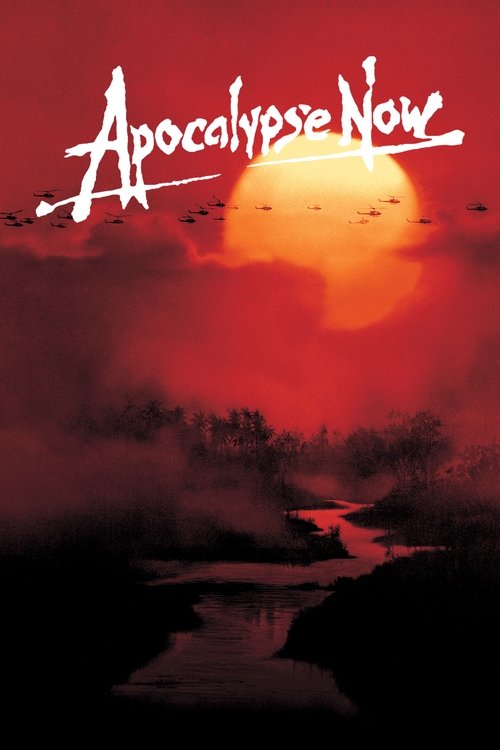
Coppola’s hallucinatory descent into the heart of darkness during the Vietnam War is less a historical recounting and more a fever dream of psychological collapse. Drawing from Conrad, it probes the moral decay of conflict, pushing its characters, and the audience, to the brink of sanity. The film’s production itself became legendary, a chaotic reflection of its themes, cementing its place as a visceral, unforgettable experience that dissects the brutal absurdities of war and human nature.
from “10 Cinematic Journeys That Unveil History's Soul” →