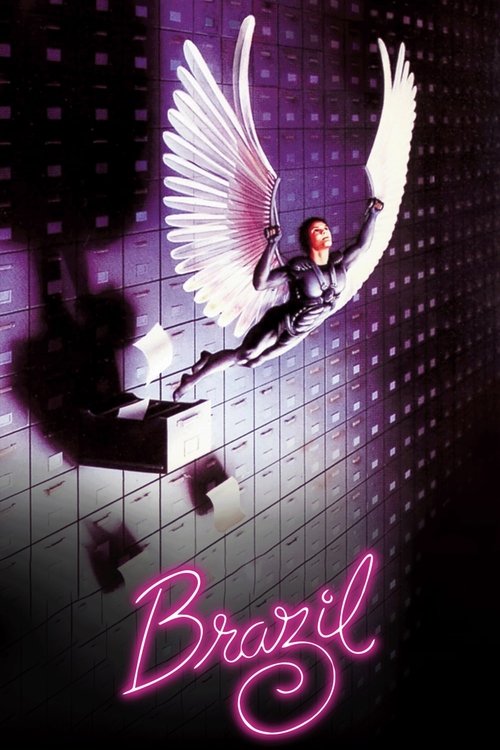
1. Brazil
Terry Gilliam's dystopian masterpiece is a wild ride through a bureaucratic nightmare. The production design alone is a masterclass in world-building, blending retro-futuristic tech with oppressive, drab aesthetics. It’s got this incredible ability to be both hilarious and deeply unsettling, showing how personal freedom gets crushed under the weight of an absurd system. For anyone dreaming up immersive virtual realities or complex character arcs, this film offers endless inspiration on how to make a future feel truly lived-in, even if it's a bit of a mess.
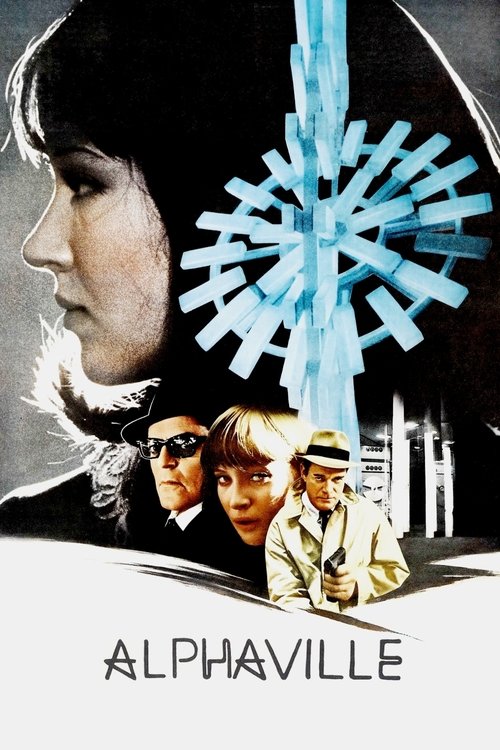
2. Alphaville
This isn't your typical sci-fi. Jean-Luc Godard throws a trench-coated detective into a city ruled by a supercomputer, Alpha 60, that's outlawed emotion and poetry. Shot like a film noir in real 1960s Paris, it feels so raw and immediate. It makes you think about language, control, and what it means to be human in a world increasingly shaped by logic. Future storytellers playing with AI-driven narratives or interactive experiences should watch how it questions the very nature of storytelling.
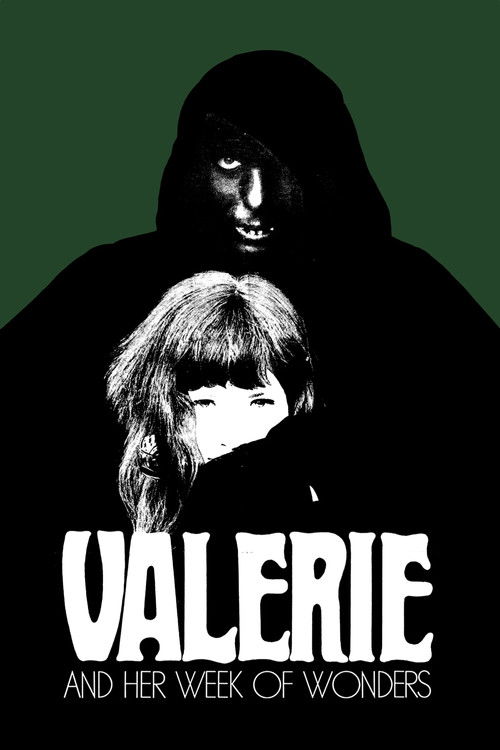
3. Valerie and Her Week of Wonders
Imagine a dream, but one you can almost touch. This Czech New Wave gem follows a young girl's surreal journey through a gothic, fairytale-like landscape filled with vampires, priests, and strange rituals. Its visual poetry and dream logic make it less about a linear plot and more about pure, unsettling atmosphere. If you’re building VR experiences or crafting non-linear narratives, Valerie shows how to weave a spellbinding, deeply personal story purely through mood and evocative imagery, proving that rules are for breaking.

4. Possession
Anna and Mark's disintegrating marriage descends into absolute, terrifying madness in Berlin. This film is an emotional gut-punch, a raw, screaming exploration of obsession and identity. Isabelle Adjani's performance is legendary, pushing boundaries with its intensity. It's not just a horror film; it’s a psychological deep dive into the darkest corners of human connection. For storytellers crafting AI-driven characters or emotionally resonant VR narratives, Possession teaches you how to push emotional limits and create unforgettable, truly unsettling experiences.

5. Upstream Color
Shane Carruth crafted something truly unique here. It’s a puzzle box of a film, where identity, memory, and connection are explored through a bizarre, symbiotic life cycle involving parasites and pigs. The narrative is non-linear, relying heavily on visuals and sound to convey emotion and meaning. It challenges you to *feel* the story rather than just understand it. For anyone working on adaptive content or procedural generation in games, this shows how abstract concepts can still create profound, impactful stories.
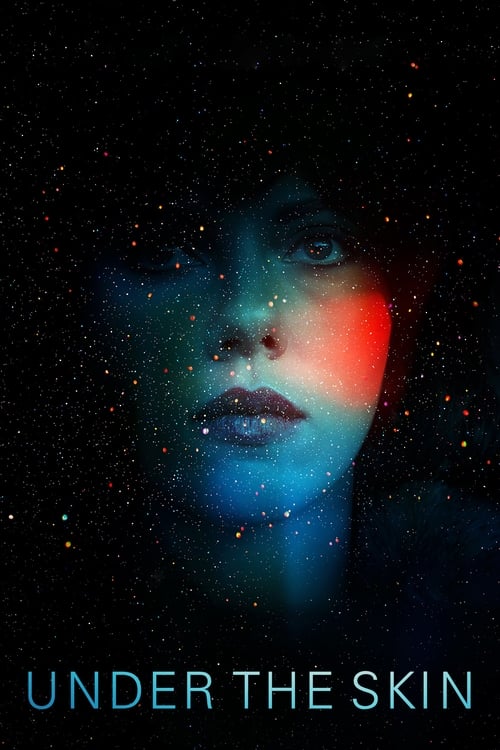
6. Under the Skin
Scarlett Johansson plays an alien predator in Glasgow, luring men to their doom. The film is stark, beautiful, and deeply unsettling, focusing on observation and the slow, chilling process of understanding humanity from an outsider's perspective. Its minimalist dialogue forces you to interpret everything through visuals and sound design. This is a masterclass in environmental storytelling and building suspense without jump scares. Future storytellers in VR could learn so much about creating presence and empathy through subtle, sensory experiences.
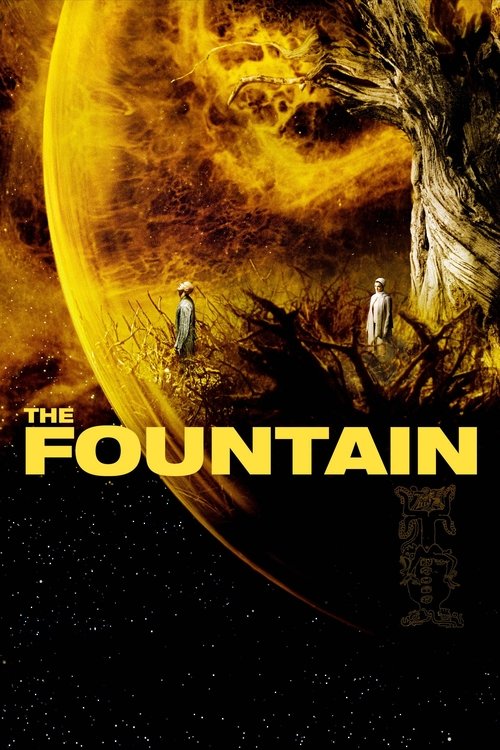
7. The Fountain
Darren Aronofsky weaves three interconnected love stories across different timelines – a conquistador, a modern scientist, and a space traveler – all searching for eternity. It's visually stunning, highly emotional, and deeply philosophical, wrestling with themes of life, death, and rebirth. The non-linear structure and symbolic imagery make it a powerful, almost meditative experience. For creators exploring AI-generated lore or branching narratives, The Fountain shows how to link disparate eras and ideas into one cohesive, emotionally resonant tapestry.
8. Tekkonkinkreet
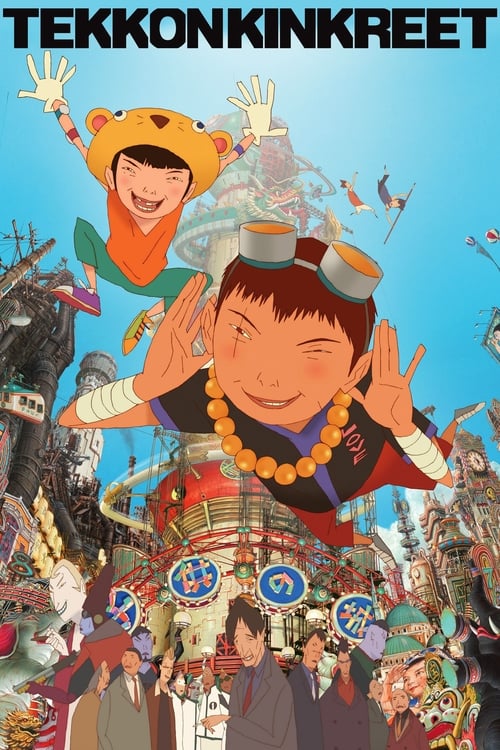
This animated gem is a visually explosive, frenetic ride through Treasure Town, following two orphaned street kids, Black and White, as they protect their home from yakuza and redevelopment. The animation style is incredibly distinctive, blending gritty urban realism with wild, surreal flourishes. It’s got a huge heart underneath all the chaos, exploring themes of innocence, belonging, and battling a changing world. Future storytellers designing dynamic virtual worlds or character-driven AI narratives should see how its unique aesthetic fuels its emotional core.

9. Tetsuo: The Iron Man
Forget everything you know about cinema. Shinya Tsukamoto's cyberpunk body horror is a black-and-white, industrial nightmare where a man slowly transforms into a metal monster. It's relentless, aggressive, and utterly unique, feeling less like a film and more like a fever dream. The sheer, raw energy and DIY aesthetic are inspiring. For creators pushing the boundaries of interactive horror or glitch art, Tetsuo proves that a bold, singular vision can create an unforgettable, visceral experience, even on a shoestring budget.
10. Cube
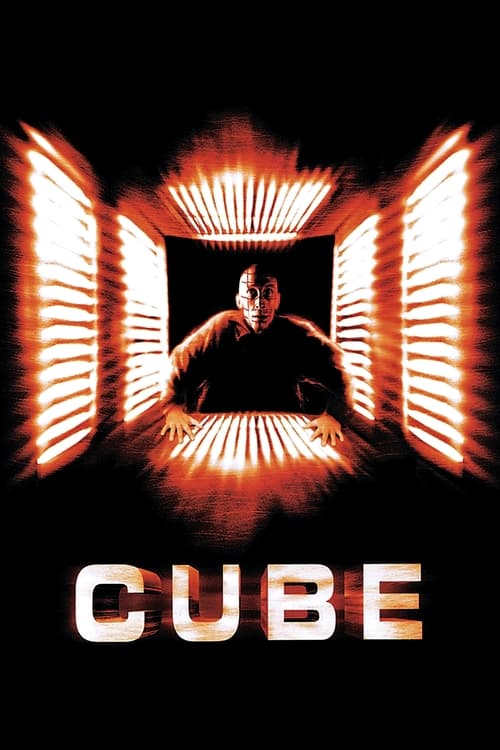
A group of strangers wakes up in a bizarre, labyrinthine structure made of identical cubical rooms, some booby-trapped. It’s a masterclass in minimalist sci-fi horror, relying on character dynamics, claustrophobia, and the unknown. The simple premise allows for complex exploration of human nature under extreme pressure. For designers of procedural environments or escape-room style VR games, Cube shows how to create compelling tension and narrative progression within a constrained, repetitive space, making every choice feel critical.

11. Quest for Fire
Travel back 80,000 years to a time when humans were still discovering fire. This film is a truly immersive experience, telling its story almost entirely through grunts, gestures, and incredible visual storytelling. It’s about survival, discovery, and the dawn of civilization. You really feel the struggle and triumph of these early humans. For anyone building realistic historical simulations or developing non-verbal communication systems for AI, Quest for Fire offers a powerful lesson in conveying deep meaning without dialogue.
12. The City of Lost Children
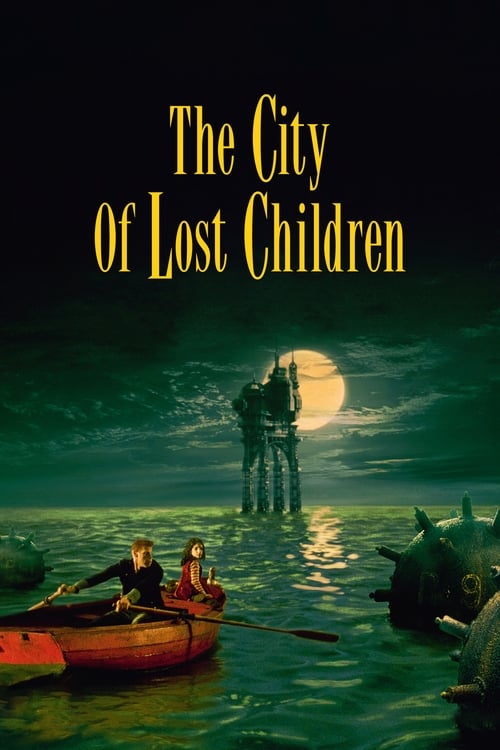
Jean-Pierre Jeunet and Marc Caro built a steampunk fairytale world where a mad scientist steals children’s dreams. Visually opulent and darkly whimsical, it’s a feast for the eyes, filled with eccentric characters and intricate contraptions. The narrative blends adventure, mystery, and a touch of melancholy. For creators designing rich, atmospheric VR environments or crafting quirky AI companions, this film demonstrates how to build a truly unique, memorable universe where every detail tells a story.