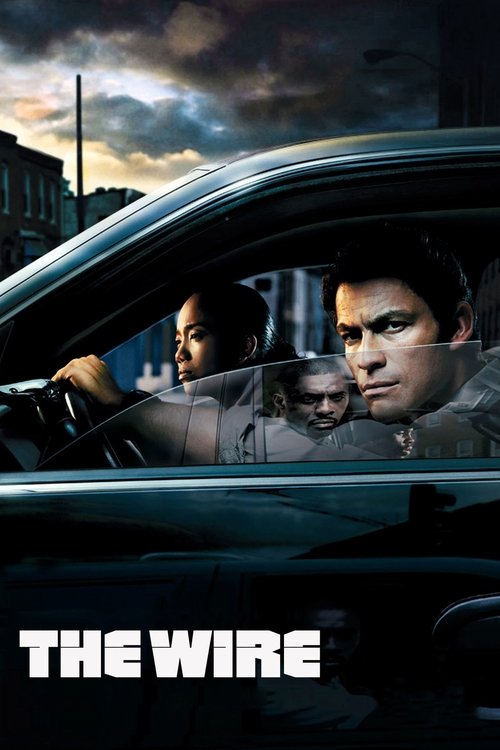
1. The Wire
Before 'binge-watching' was a household term, *The Wire* dropped in 2002 and redefined what a television drama could be. This wasn't cops and robbers; it was a sprawling, novelistic examination of institutions, with each season focusing on a different facet of Baltimore. The deep ensemble cast, the slow burn, the refusal to spoon-feed viewers – it felt more like a sprawling Dickensian novel than a network procedural. HBO proved cable wasn't just for movies anymore; it was for serious, serialized storytelling.
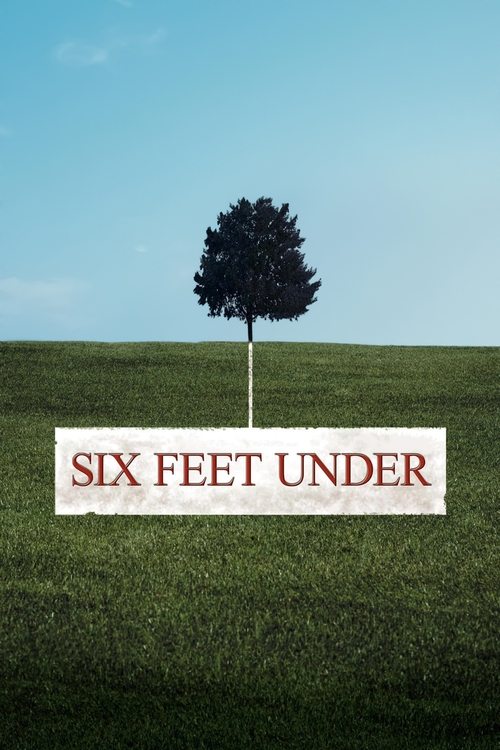
2. Six Feet Under
*Six Feet Under*, another HBO trailblazer from 2001, wasn't just about a family running a funeral home; it was about life, death, and everything messy in between. Each episode began with a death, setting a tone that was both darkly humorous and profoundly moving. The show dug into existential questions with an unflinching honesty that felt revolutionary for television. It proved that deeply character-driven, emotionally complex narratives could thrive in the cable landscape, pushing boundaries far beyond the sitcoms and procedurals of the era.
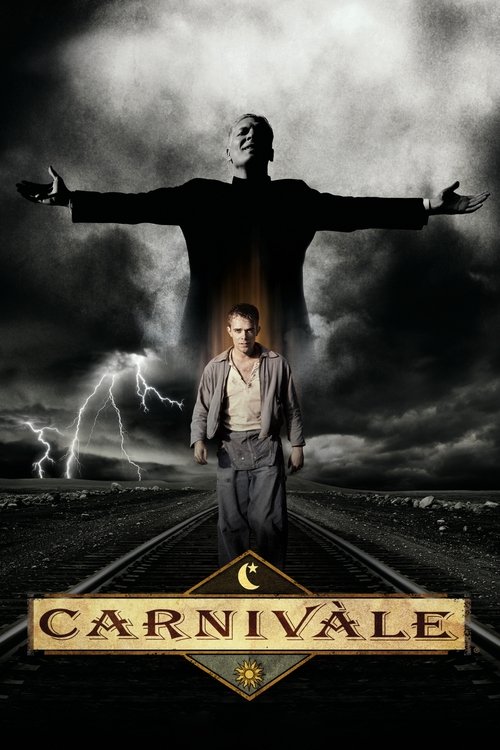
3. Carnivàle
In 2003, *Carnivàle* arrived on HBO, a visually stunning, deeply mysterious show set during the Great Depression. It was a bold swing, weaving together a supernatural narrative with intricate period detail and a sprawling cast of circus performers. This was television as art house cinema, demanding patience and rewarding close attention. Its dense mythology and atmospheric dread showed what cable could do when it invested heavily in a unique vision, even if it ended too soon, leaving a cult following craving more.
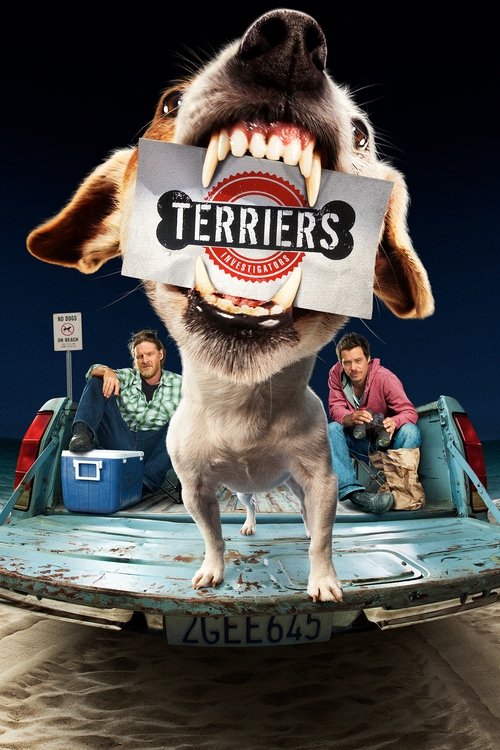
4. Terriers
FX's *Terriers* in 2010 was a gem that slipped under the radar for many, but for those who found it, it was clear television was evolving. This wasn't a standard detective show; it was a character study wrapped in a neo-noir package, following two unlicensed PIs in San Diego. It had a cinematic quality, smart dialogue, and a genuine heart, proving that compelling, serialized drama didn't always need a massive budget or explicit genre hooks. Its quality eventually found its audience through word-of-mouth and early on-demand viewing.
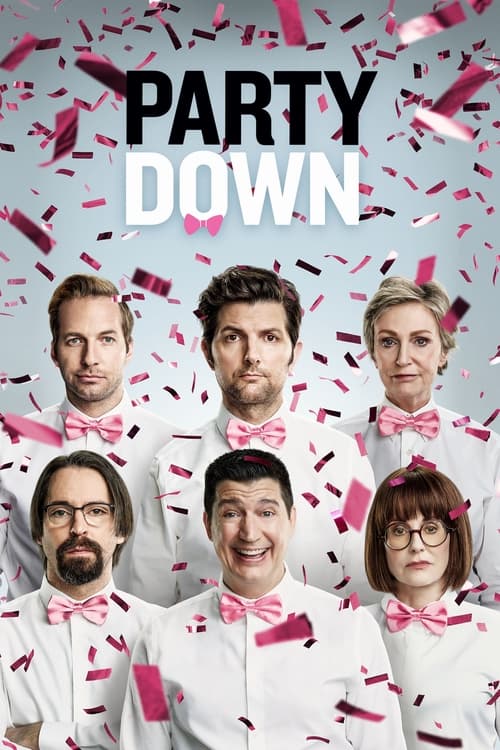
5. Party Down
*Party Down*, arriving in 2009, captured the awkward, existential dread of Hollywood-adjacent dreamers better than almost anything before it. This Starz comedy, with its fantastic ensemble cast playing caterers, perfected the cringe-comedy while still making you care deeply for these struggling artists. It was sharp, witty, and often heartbreakingly funny, showcasing how smart, character-driven comedy could thrive outside traditional network structures, finding its dedicated fanbase in the nascent on-demand landscape.
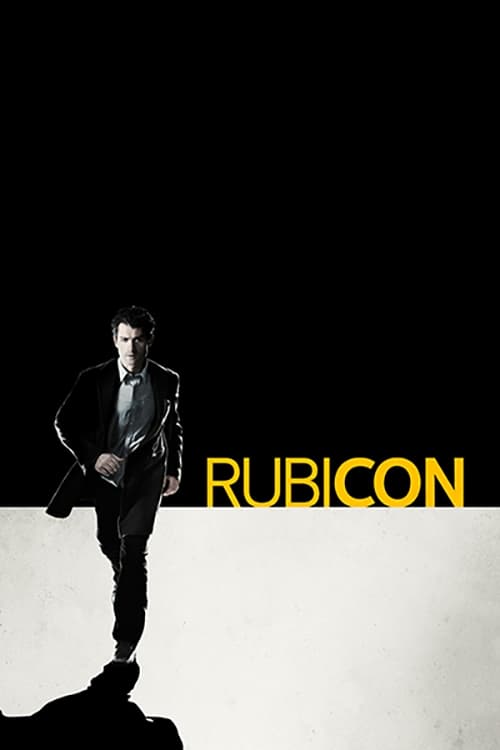
6. Rubicon
AMC in 2010, fresh off *Mad Men* and *Breaking Bad*, took another risk with *Rubicon*. This was a deliberate, intensely cerebral conspiracy thriller, demanding viewers pay close attention to every detail. It was slow, moody, and focused on an intelligence analyst unraveling a vast plot. Not for everyone, its methodical pace and quiet intensity challenged the notion that TV needed constant action. It was a testament to cable's willingness to back complex, intellectual narratives, even if they didn't break ratings records.