
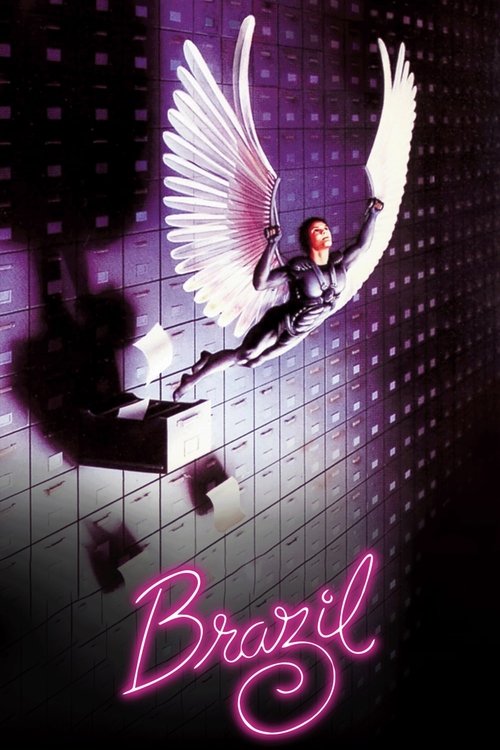
1. Brazil
Terry Gilliam’s 1985 dystopian masterpiece is a wild, bureaucratic nightmare that feels more relevant than ever. This film’s darkly comedic take on systemic absurdity and consumerism is a visual feast, but its critique of unchecked power often gets lost in the algorithm’s preference for easily categorized content. It’s too weird, too smart, and too sprawling for a simple genre tag, which means your streaming service probably thinks you’d rather watch another superhero flick. It’s time to rediscover this chaotic, brilliant vision.
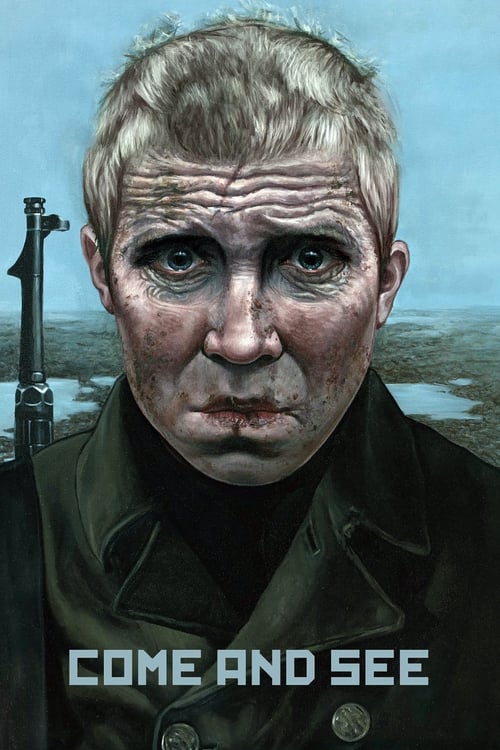
2. Come and See
Elem Klimov’s 1985 anti-war film is an unflinching, visceral descent into the horrors of WWII through the eyes of a young Belarusian partisan. This isn't just a war movie; it’s an experience that leaves you profoundly shaken, a testament to cinema's power to convey unimaginable suffering. Streaming platforms struggle with its brutal honesty and lack of conventional narrative comfort, often burying it under more palatable historical dramas. But its raw, almost documentary-like intensity is essential viewing for anyone seeking true cinematic impact.
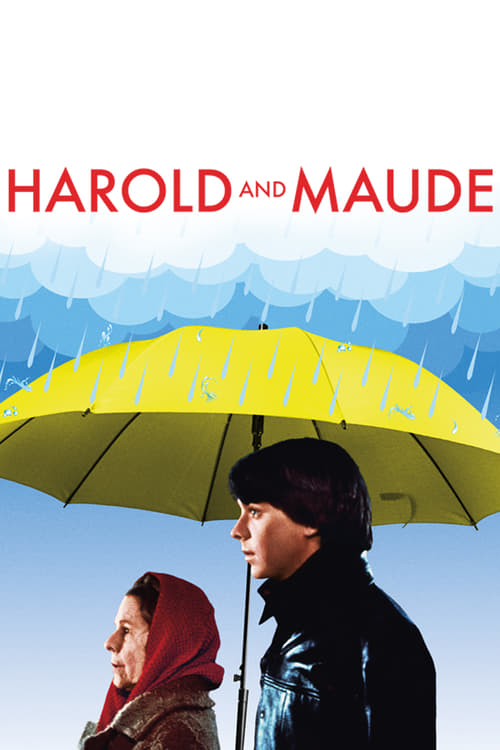
3. Harold and Maude
Hal Ashby’s 1971 cult classic about an unlikely romance between a death-obsessed young man and a life-affirming octogenarian is pure, unconventional joy. Its subversive humor, quirky charm, and profound message about embracing life’s eccentricities are a refreshing antidote to algorithm-fed rom-coms. This film challenges expectations and celebrates individuality, which makes it hard for AI to slot into a predictable box. It’s a bittersweet, whimsical gem that reminds you to live boldly, off the beaten digital path.
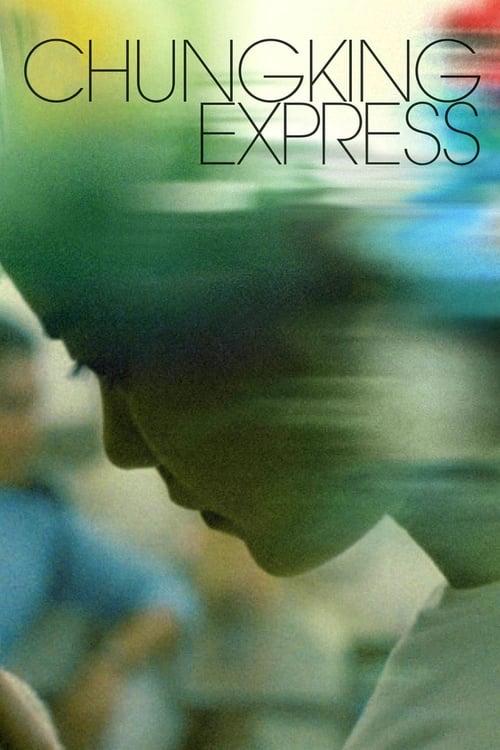
4. Chungking Express
Wong Kar-wai’s 1994 kaleidoscopic urban romance is a dizzying, dreamlike exploration of loneliness and fleeting connections in Hong Kong. Its vibrant cinematography, infectious soundtrack, and fragmented storytelling create an intoxicating mood that algorithms just can’t replicate. This film thrives on atmosphere and emotional ambiguity, rather than plot points, making it a difficult recommendation for AI programmed to find similar narratives. But its sheer stylistic brilliance and heartfelt intimacy are a true cinematic high, a beautiful anomaly.
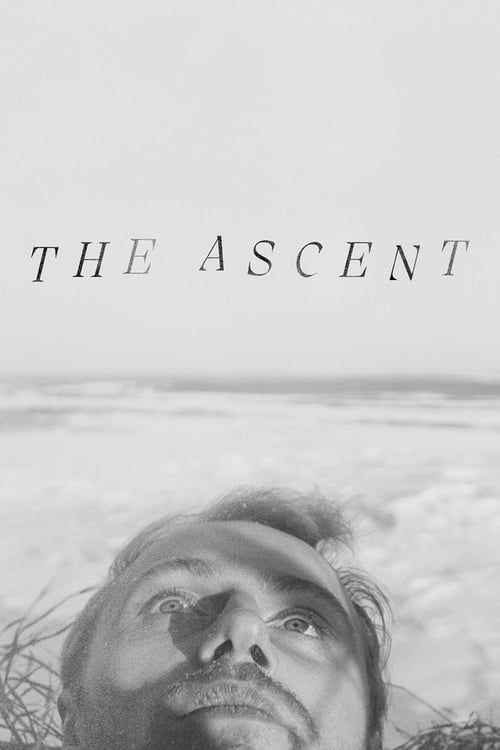
5. The Ascent
Larisa Shepitko’s 1977 Soviet drama is a stark, spiritual journey of two soldiers behind enemy lines during WWII. This is less about combat and more about moral choices, sacrifice, and the human spirit under extreme duress. Its bleak, almost biblical tone and profound existential questions make it a challenging watch, not easily digestible for casual streaming. Algorithms prioritize immediate engagement, but "The Ascent" demands contemplation, rewarding those willing to delve into its powerful, harrowing meditation on faith and survival.

6. Possession
Andrzej Żuławski’s 1981 psychological horror film is a visceral, unhinged exploration of a disintegrating marriage, starring an electrifying Isabelle Adjani. This isn't your jump-scare horror; it's a descent into pure, raw emotion and surreal body horror that defies easy categorization. Its European art-house intensity and boundary-pushing themes are too niche and unsettling for algorithms that favor comfort viewing. But for those seeking something truly unsettling, deeply metaphorical, and visually unforgettable, "Possession" is an absolute, terrifying must-see.
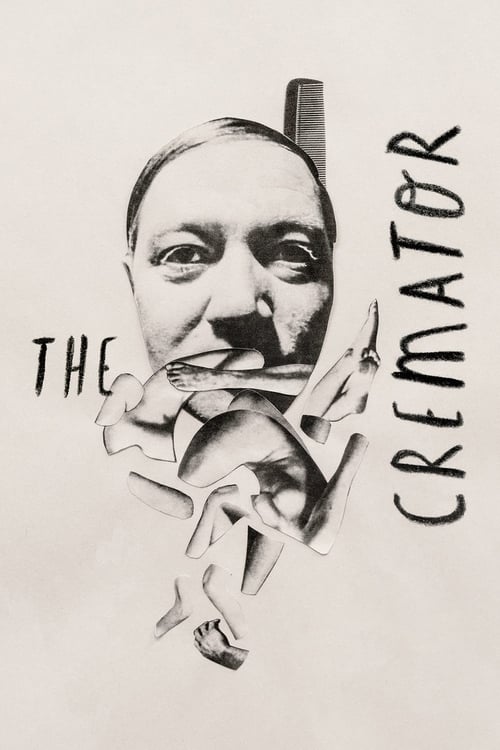
7. The Cremator
Juraj Herz’s 1969 Czechoslovak New Wave horror-comedy is a chilling, satirical dive into the mind of a man seduced by totalitarian ideology. Its macabre humor, unsettling visuals, and escalating psychological dread are a masterclass in dark absurdity. This film’s unique blend of genres and its biting political commentary are far too nuanced for simplistic streaming categories. It’s an overlooked European gem that masterfully blurs the lines between comedy and horror, offering a disturbing, yet utterly captivating, reflection on human evil.

8. Mikey and Nicky
Elaine May’s 1976 raw, improvisational drama follows two lifelong friends, a small-time gangster and his associate, over one tense, betraying night. This film’s gritty realism and deeply uncomfortable exploration of male friendship and loyalty are a masterclass in character study. Its lack of conventional plot points and its focus on authentic, messy human interaction make it an algorithm's nightmare. But for anyone craving intense performances and a brutally honest look at friendship's dark underbelly, it’s an essential, often overlooked, cinematic experience.

9. Le Samouraï
Jean-Pierre Melville’s 1967 minimalist crime thriller is pure, concentrated cool. Alain Delon’s stoic hitman, Jef Costello, navigates a world of betrayal with detached elegance and a strict personal code. Its deliberate pacing, stark aesthetic, and emphasis on mood over explosive action make it a sophisticated counterpoint to modern blockbusters. Algorithms might overlook its quiet intensity, but this film is the blueprint for countless stylish thrillers, offering a masterclass in cinematic precision and understated tension.