1 / 12

1. Pong (1972)
Pong wasn't just a game; it was an announcement. Its minimalist electronic tennis proved that interactive entertainment held mass appeal, moving beyond niche labs into public consciousness. This simple, two-paddle exchange became a cultural touchstone, kickstarting the commercial video game industry. It laid the foundational blueprint for interaction, demonstrating the sheer joy and competitive drive that pixels on a screen could evoke, forever altering leisure.
2 / 12
2. Space Invaders (1978)
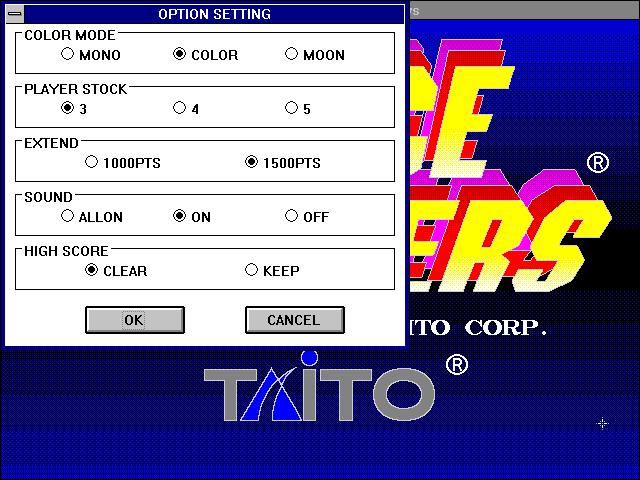
Arcades exploded with Space Invaders. Its relentless, descending aliens created a new kind of tension, demanding quick reflexes and strategic thinking under pressure. More than just a coin-op hit, it popularized the high-score chase and competitive play, defining the arcade experience for a generation. And it certainly helped solidify gaming's place in popular culture, pushing technological boundaries for its era and sparking widespread adoption.
3 / 12
3. Super Mario Bros.
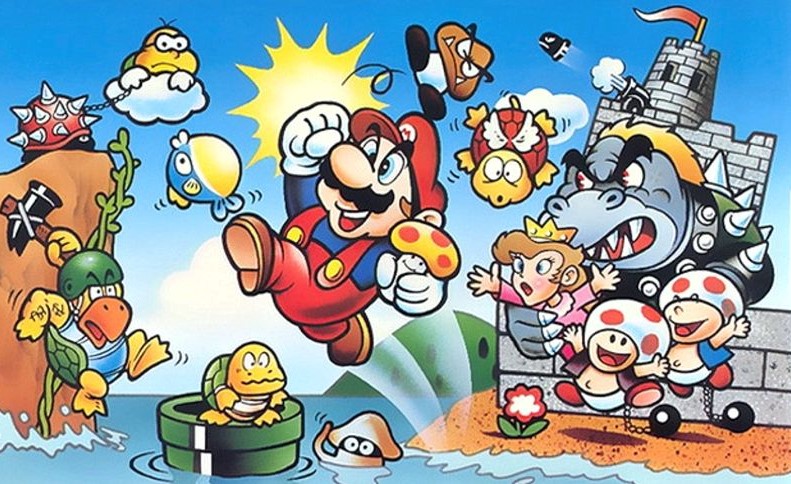
This wasn't just a platformer; it was a masterclass in level design and intuitive mechanics. Mario became a global icon, pulling Nintendo out of a slump and practically resurrecting the home console market. It introduced millions to the joy of exploration, discovery, and precise control, establishing many conventions still seen in games today. Its enduring influence on gameplay design, pacing, and character recognition is undeniable.
4 / 12
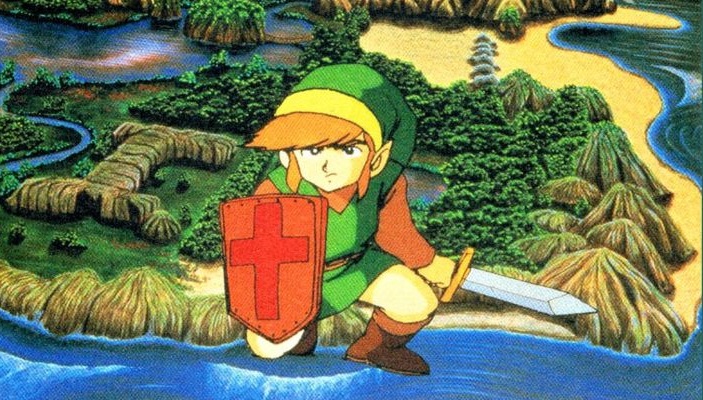
4. The Legend of Zelda
An adventure epic that redefined what console games could be. Its sprawling world, mysterious dungeons, and emphasis on exploration and discovery were revolutionary. Link’s quest wasn’t just about saving a princess; it was about player agency and charting your own path. It blended action with puzzle-solving and a profound sense of wonder, influencing countless action-adventure titles for decades and setting a new standard for immersion.
5 / 12
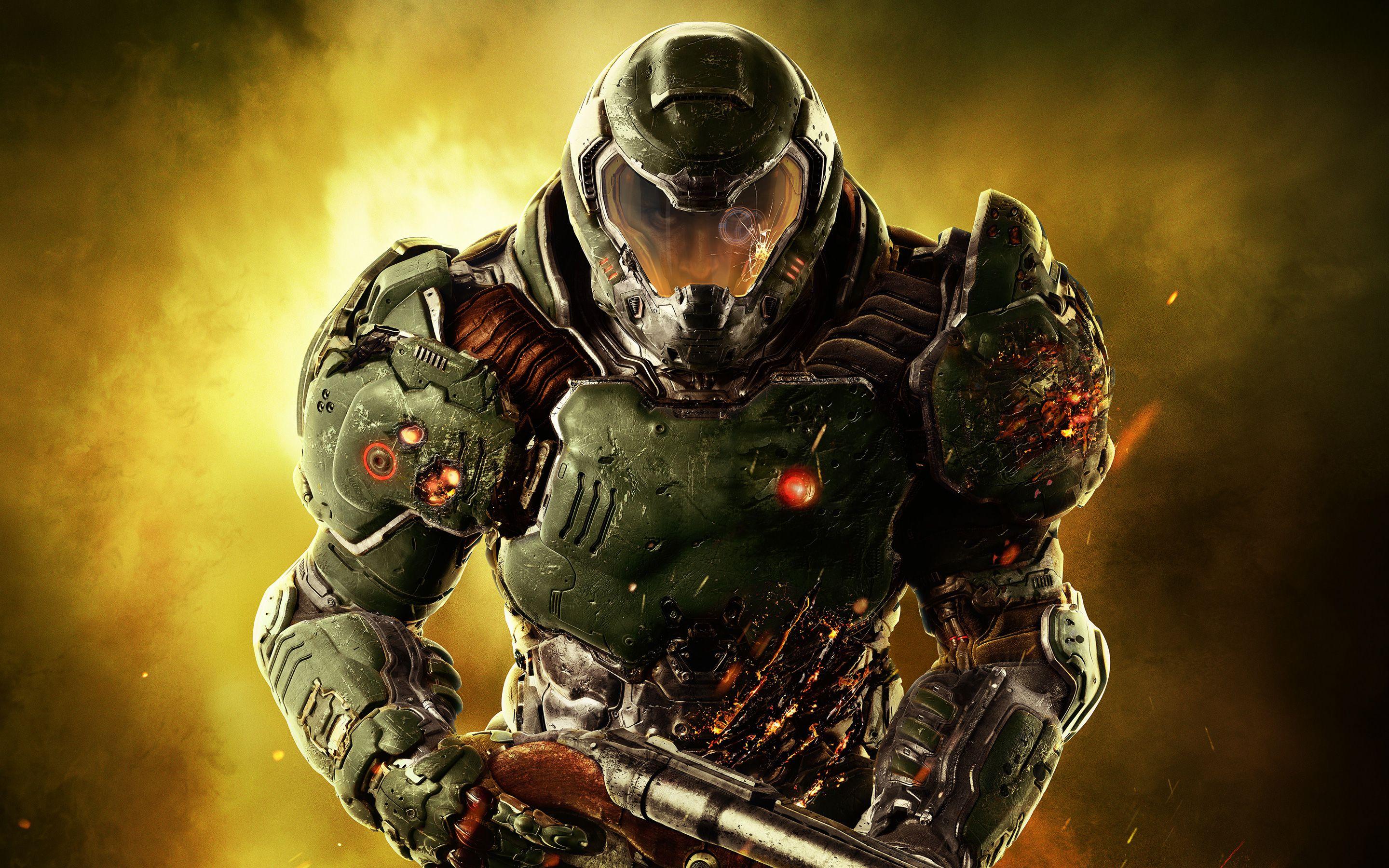
5. DOOM (2016)
A modern masterclass in reclaiming a legacy. It took the frantic, aggressive essence of its predecessors and updated it with fluid movement and a visceral combat loop. This wasn't just a shooter; it was a rhythmic dance of death, rewarding aggression and perfectly blending old-school intensity with contemporary design. It demonstrated how to reboot a classic without sacrificing its soul, setting a high bar for genre revitalization and player engagement.
6 / 12
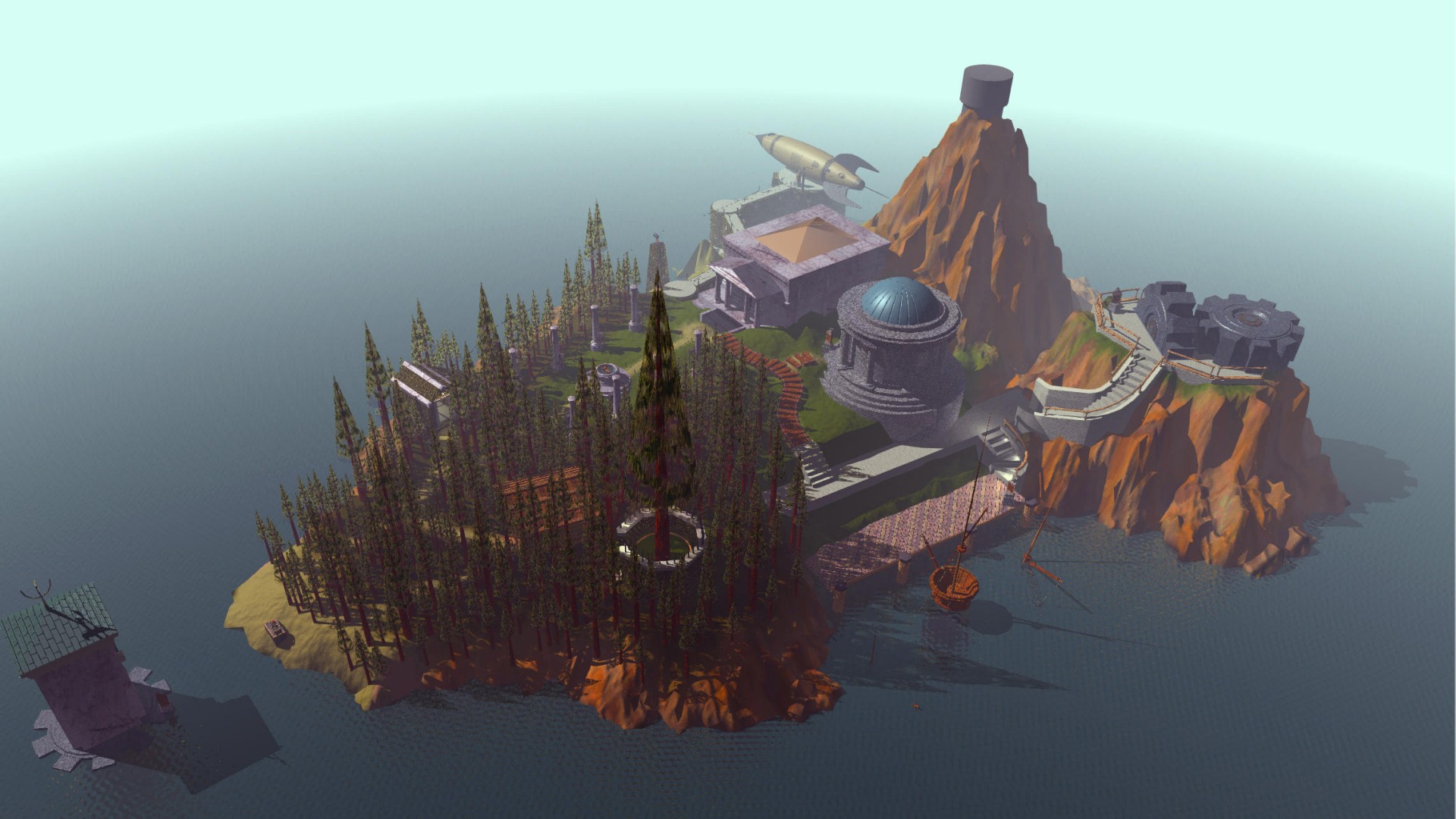
6. Myst
A quiet revolution. It threw out action for atmosphere, puzzles, and a deep, unfolding narrative. This wasn't about reflexes; it was about patience and intellectual curiosity, drawing players into its hauntingly beautiful, pre-rendered worlds. Myst proved that games could be cerebral, transporting experiences, expanding the audience beyond traditional action genres and influencing a generation of adventure game designers with its unique approach.
7 / 12
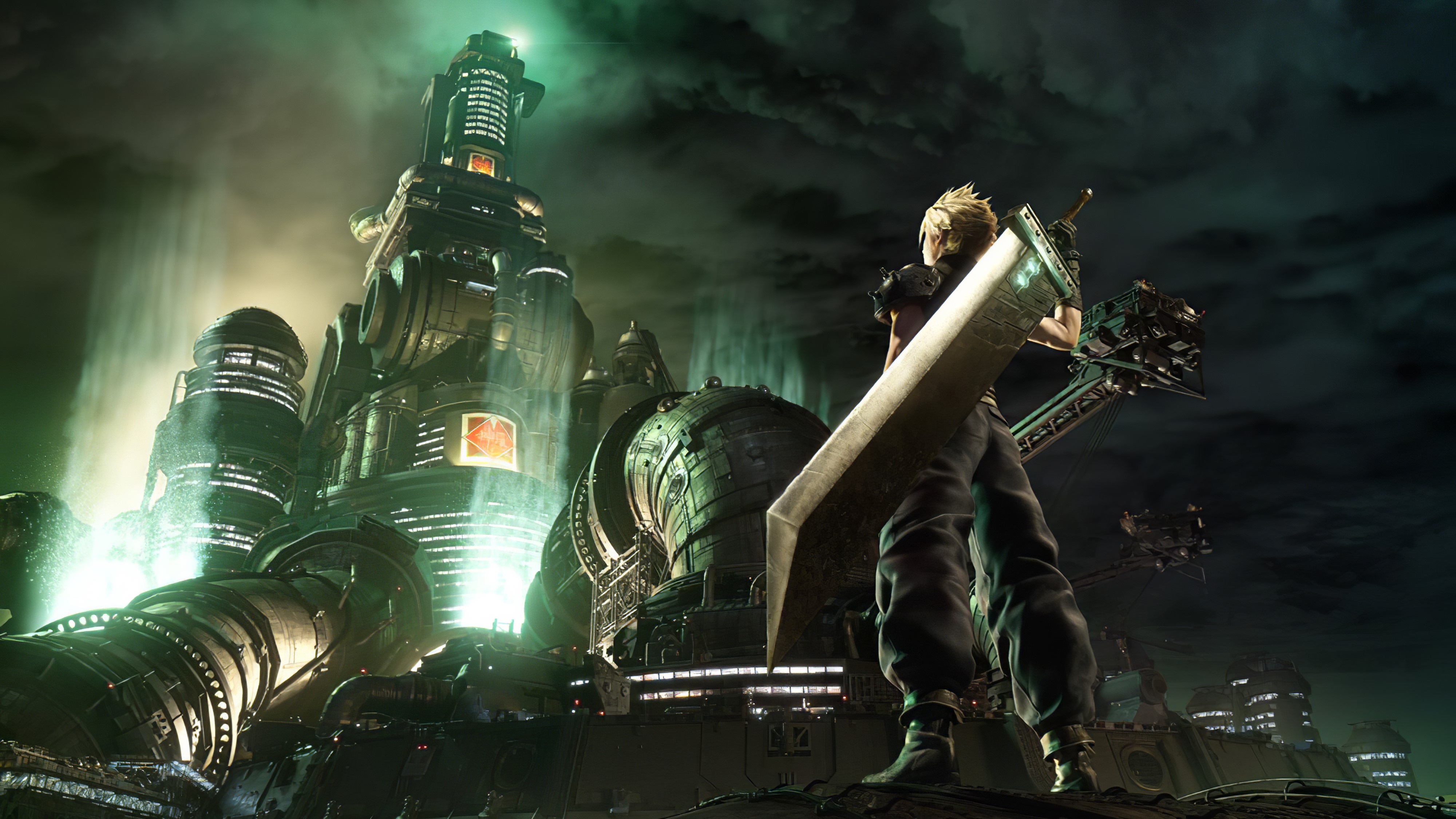
7. Final Fantasy VII
This JRPG transcended its genre. Its cinematic scope, emotional narrative, and memorable characters resonated deeply, introducing complex storytelling to a wider gaming audience. It wasn't just a game; it was a cultural phenomenon, pushing the PlayStation's capabilities and cementing RPGs as a mainstream force. Its impact on video game narrative, character development, and the perception of games as art remains profound.
8 / 12
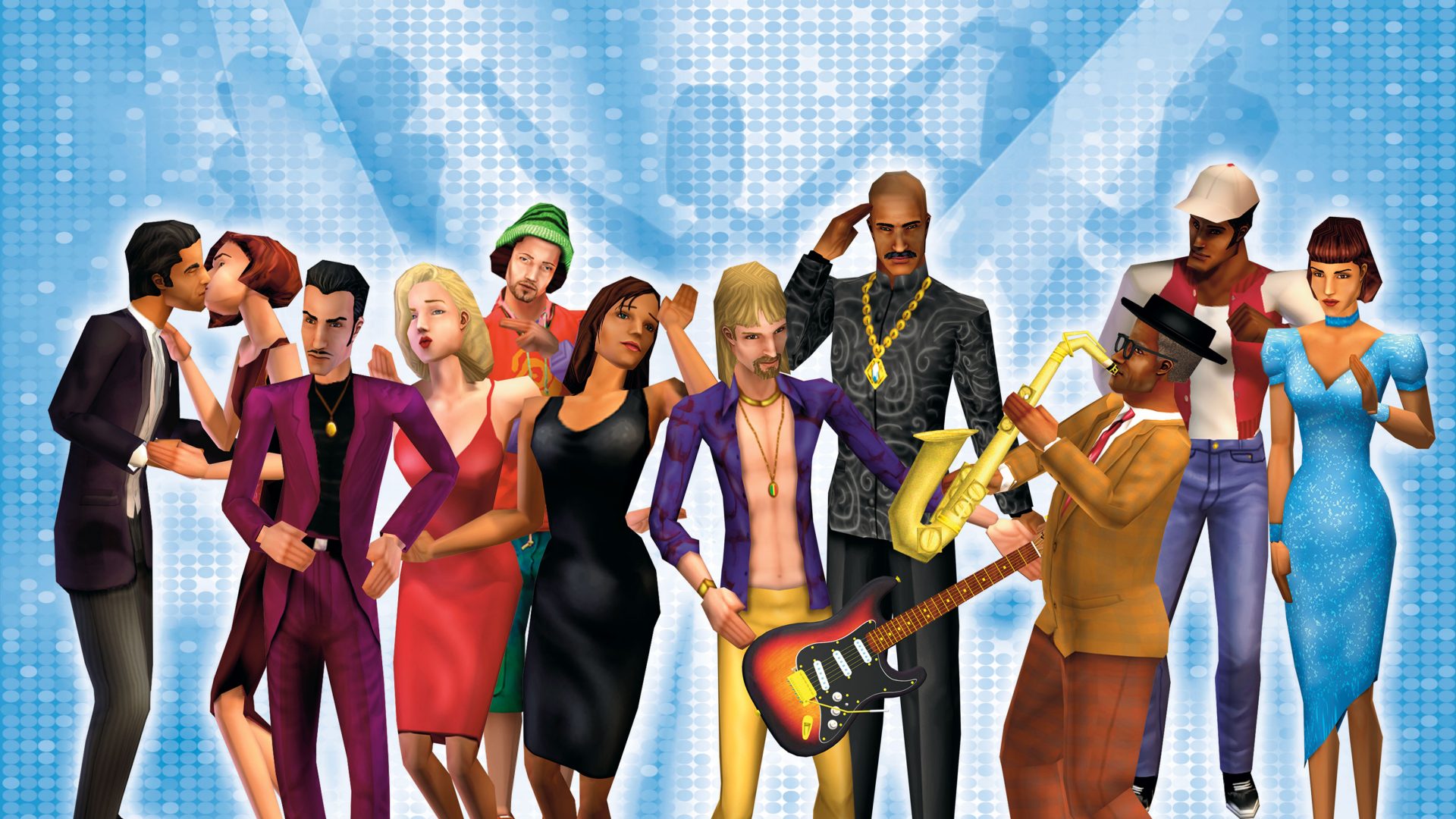
8. The Sims
More than a game, it was a digital dollhouse. It offered unparalleled freedom to build lives, manage relationships, and explore social dynamics. This wasn't about winning; it was about simulating reality, offering creative expression and a unique sense of ownership over virtual lives. It broadened gaming's appeal significantly, drawing in a vast casual audience who perhaps never considered themselves "gamers" before its arrival.
9 / 12
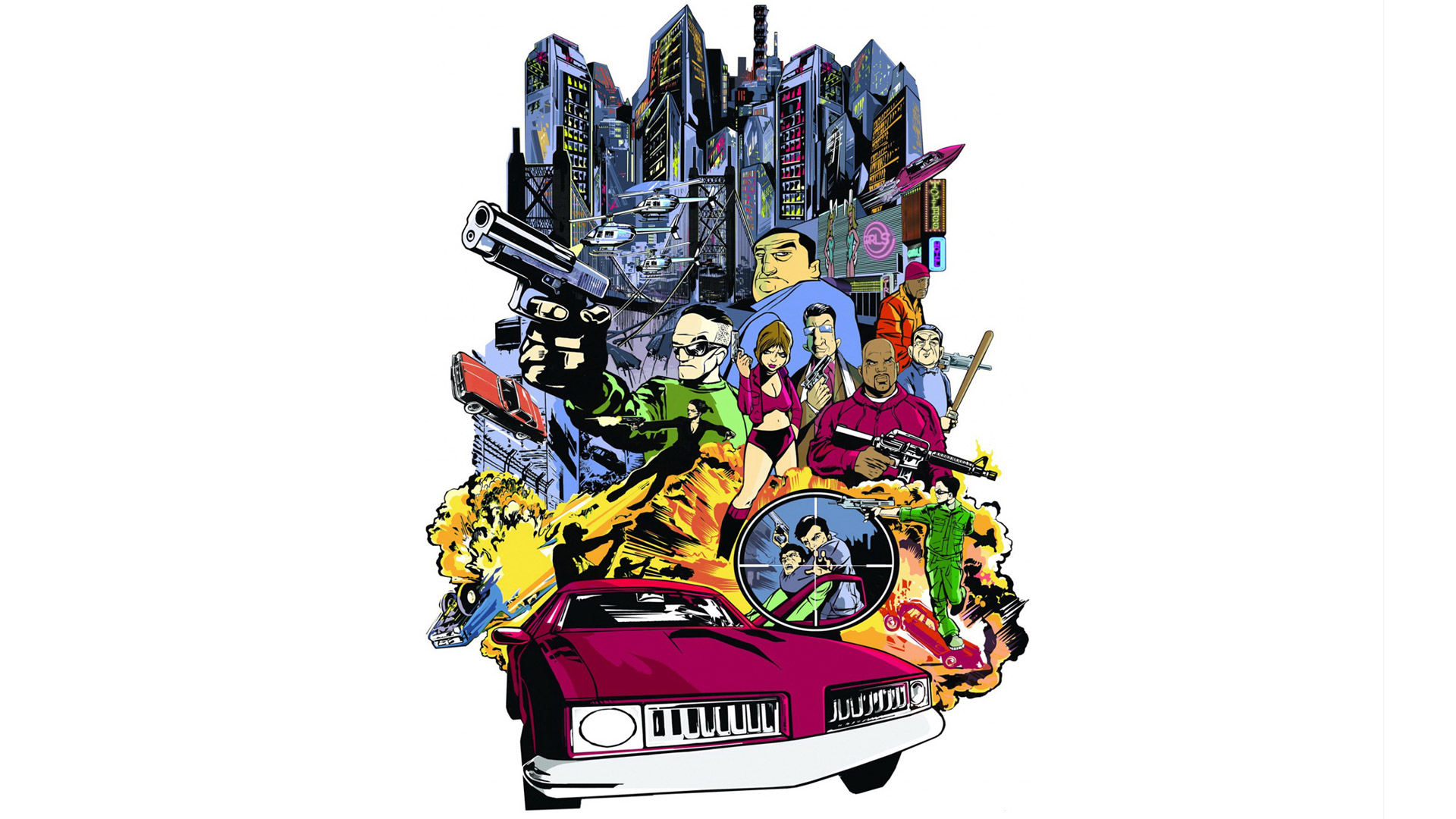
9. Grand Theft Auto III
A landmark achievement in open-world design. Its sprawling, living city, criminal narrative, and unprecedented freedom shocked and captivated players. This wasn't just a game; it was a sandbox of chaos and possibility, pushing boundaries in storytelling, player agency, and mature themes. Its influence on the sandbox genre and controversial reputation cemented its place in gaming history as a bold, transformative title.
10 / 12
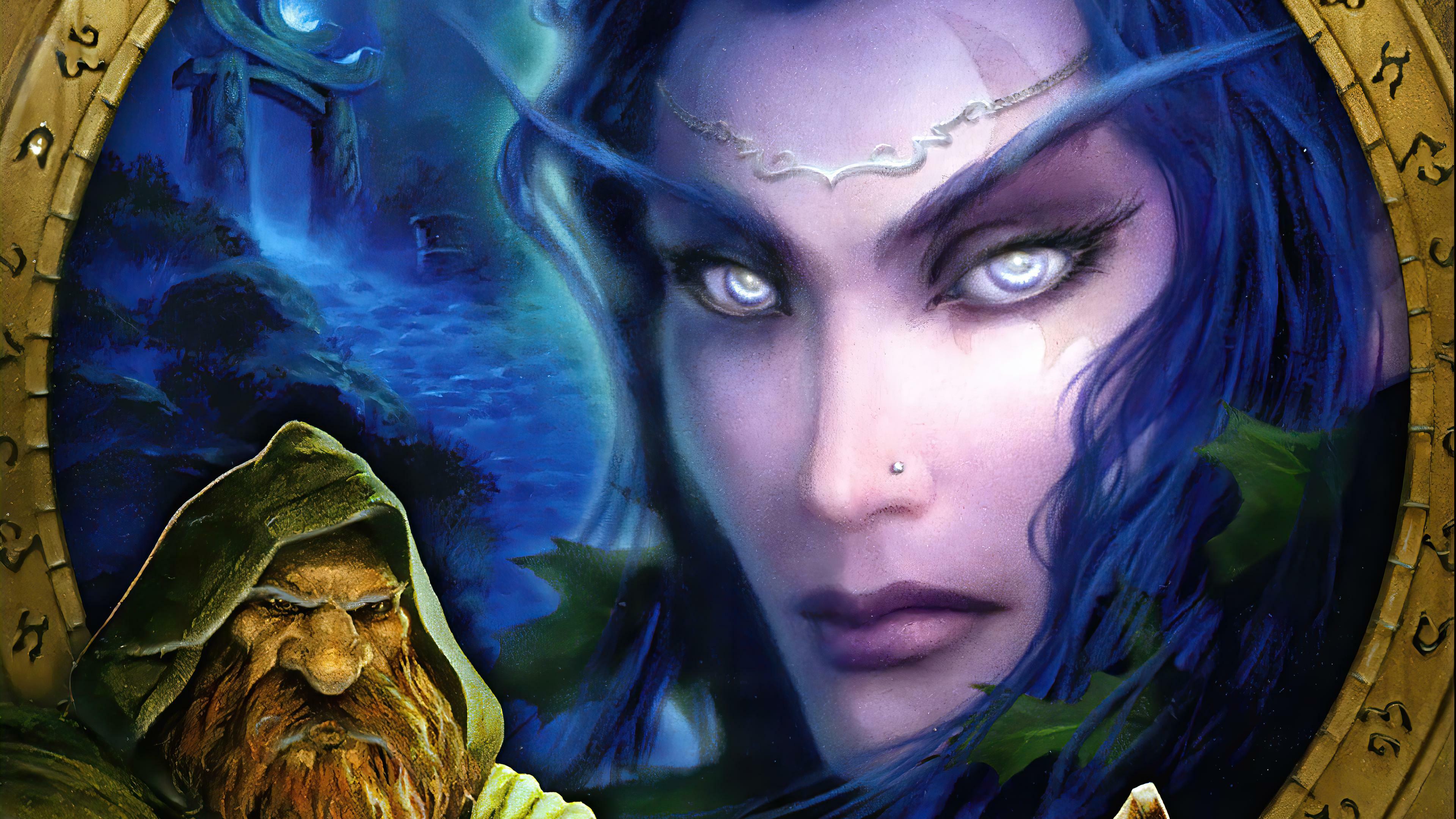
10. World of Warcraft
This wasn't merely an MMORPG; it was a digital second life for millions. Its accessible design, rich lore, and robust social systems fostered communities on an unprecedented scale. It proved the power of persistent online worlds, shaping social interactions, competitive play, and the very concept of digital identity for over a decade. A true cultural behemoth that fundamentally reshaped online gaming and social dynamics.
11 / 12
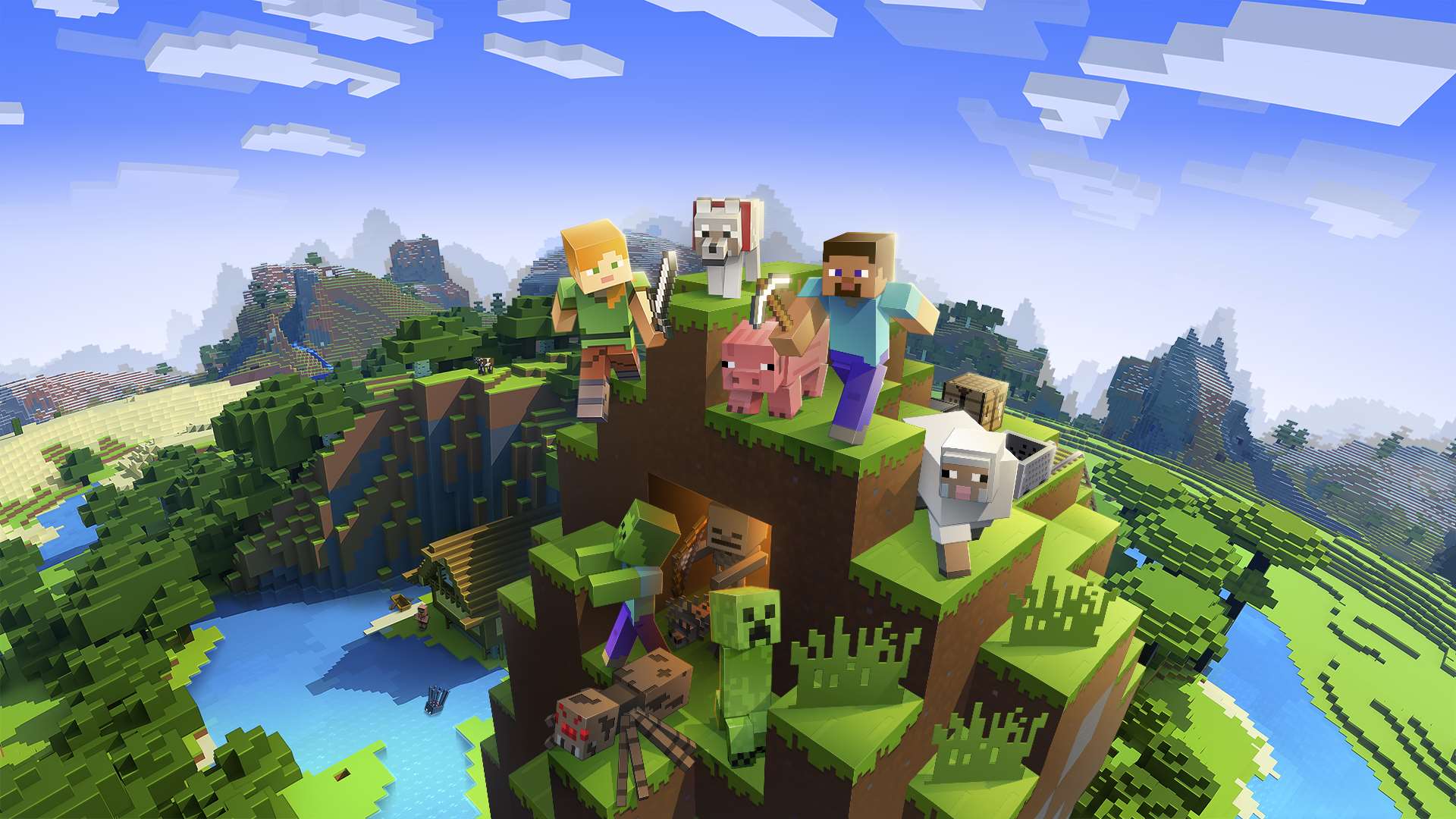
11. Minecraft
Simplicity masked profound depth. It wasn't just a building game; it was a universal canvas for creativity, a virtual Lego set where players could construct anything imaginable. Its blocky aesthetic and emergent gameplay fostered a global community of creators, educators, and explorers, democratizing game design and inspiring a generation to build, share, and experiment in boundless digital worlds. Its impact on creativity is immense.
12 / 12
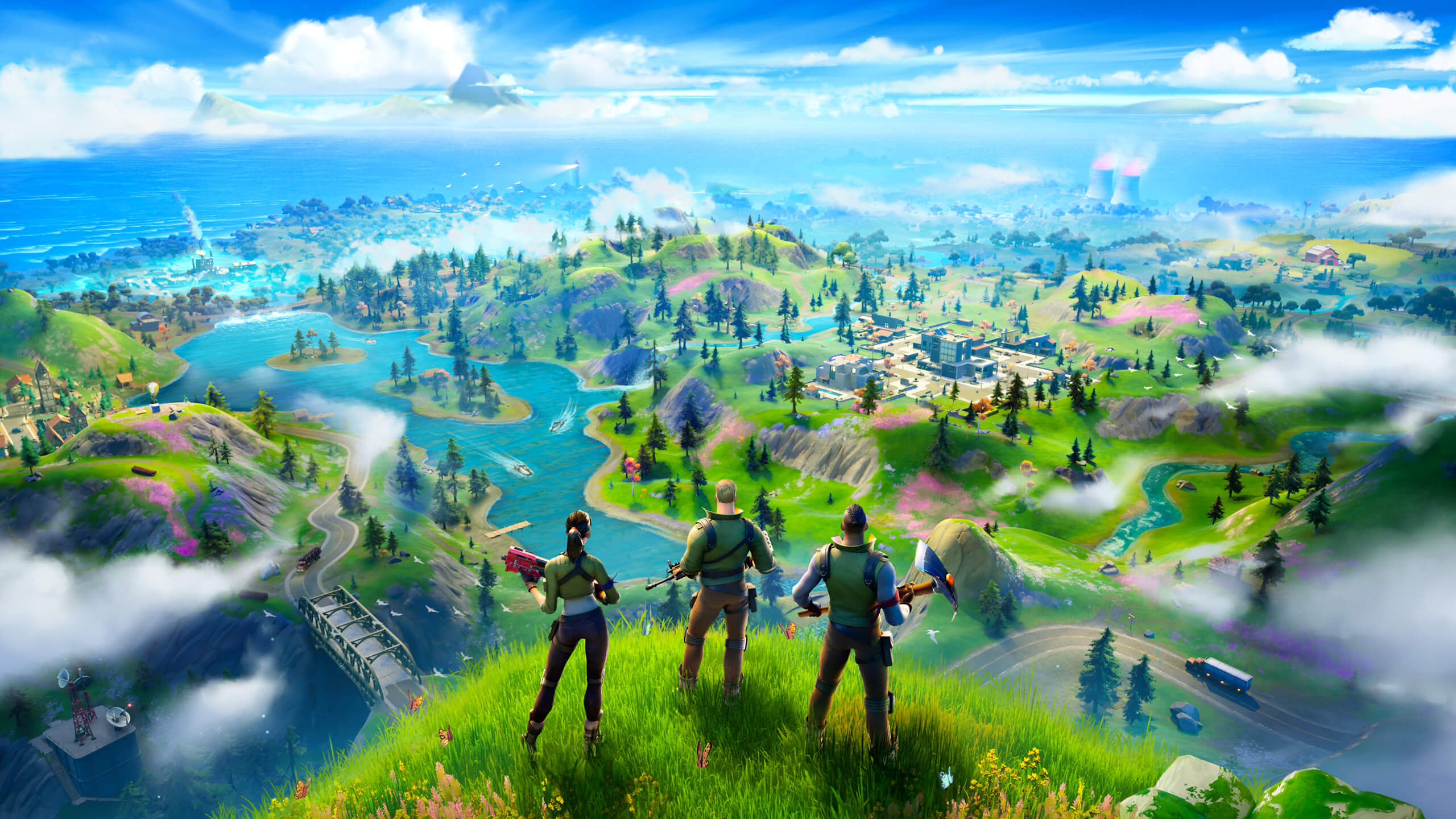
12. Fortnite Battle Royale
This game didn't invent the battle royale genre, but it perfected its mass appeal. Its accessible gameplay, constant updates, and cross-platform ubiquity transformed it into a cultural phenomenon. More than just a shooter, it became a social hub, a concert venue, and a marketing platform, redefining how games can exist as evolving, interconnected digital spaces. It demonstrated gaming's new role in mainstream entertainment.