
1 / 5
1. Planescape: Torment
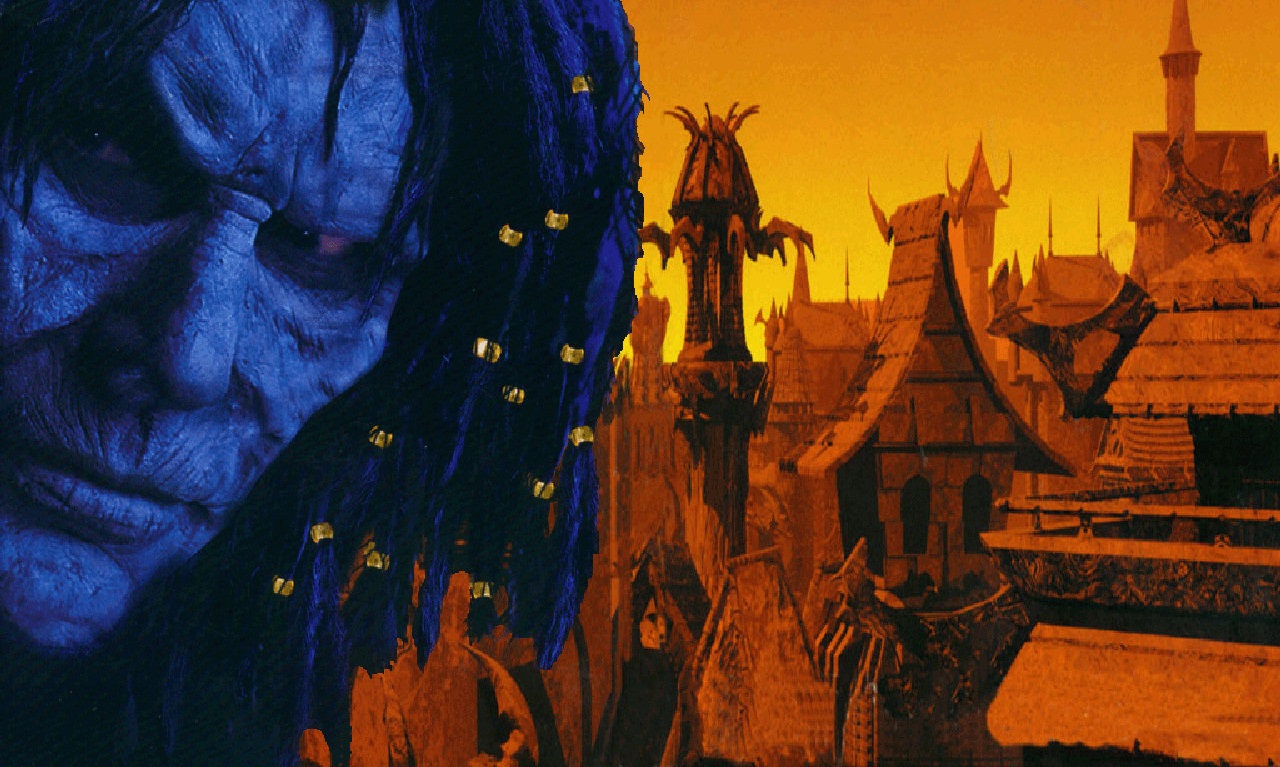
Planescape: Torment, originally from 1999, stands as a narrative behemoth. It dared players to question identity and mortality through a nameless, amnesiac protagonist. This RPG prioritized philosophical dialogue over combat, building an unforgettable, bizarre world. Its writing, dense and evocative, crafted a story that still resonates, proving that interactive storytelling could achieve profound literary depth without relying on mainstream appeal or flashy graphics.
2 / 5
2. Okami
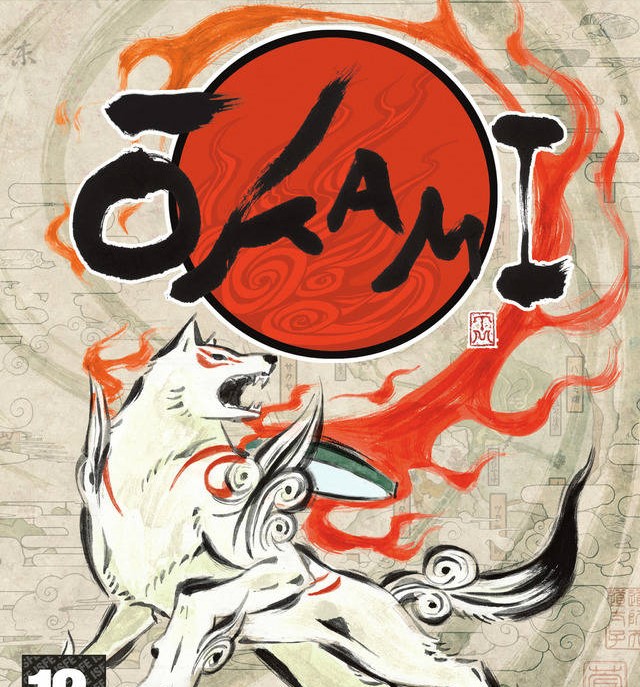
Okami, launched in 2006, was a masterclass in visual storytelling, presenting a stunning sumi-e art style that brought Japanese mythology to life. While it didn't achieve massive commercial success initially, its innovative Celestial Brush mechanics and heartfelt narrative earned it a devoted following. It was an ambitious, beautiful adventure that demonstrated how unique artistic vision could elevate gameplay, inspiring players with its distinct aesthetic and compelling, folklore-rich world.
3 / 5

3. Beyond Good & Evil - 20th Anniversary Edition
The 20th Anniversary Edition brings the 2003 cult classic *Beyond Good & Evil* back into the spotlight. It thoughtfully updates the beloved action-adventure for modern platforms while preserving its charm. Players revisit Jade’s courageous journey, blending stealth, combat, and investigative photography against a conspiratorial backdrop. This edition highlights why the original’s strong protagonist, compelling narrative, and unique world design earned it enduring critical acclaim, proving its timeless appeal.
4 / 5

4. Alpha Protocol
Alpha Protocol, released in 2010, was a bold, albeit flawed, experiment in the spy RPG genre. It offered unparalleled player choice, where dialogue options and mission outcomes genuinely shaped the narrative and character relationships. Despite its rough edges and somewhat janky mechanics, its ambitious focus on consequence and moral ambiguity set it apart. It was a refreshingly mature take on espionage, proving that player agency could drive a compelling, unpredictable story.
5 / 5

5. Theme Hospital
Theme Hospital, arriving in 1997, injected a much-needed dose of dark humor and personality into the simulation genre. Managing a chaotic hospital filled with ludicrous illnesses and eccentric staff, it perfectly satirized healthcare bureaucracy. Its engaging gameplay loop, combined with witty dialogue and memorable character designs, made it an instant classic. This game proved that a management sim could be both strategically deep and genuinely laugh-out-loud funny, enduring for decades.