
1 / 8

1. Harakiri
Masaki Kobayashi’s stark, black-and-white masterpiece meticulously deconstructs the samurai code, exposing its hypocrisy and brutal formalism. Tatsuya Nakadai delivers a haunting performance as Hanshiro Tsugumo, a ronin seeking not merely death, but a reckoning. The film’s deliberate pace builds an almost unbearable tension, culminating in an unflinching, visceral critique of a society clinging to honor above humanity. It's a powerful, resonant work, an enduring testament to cinema's capacity for social commentary.
2 / 8
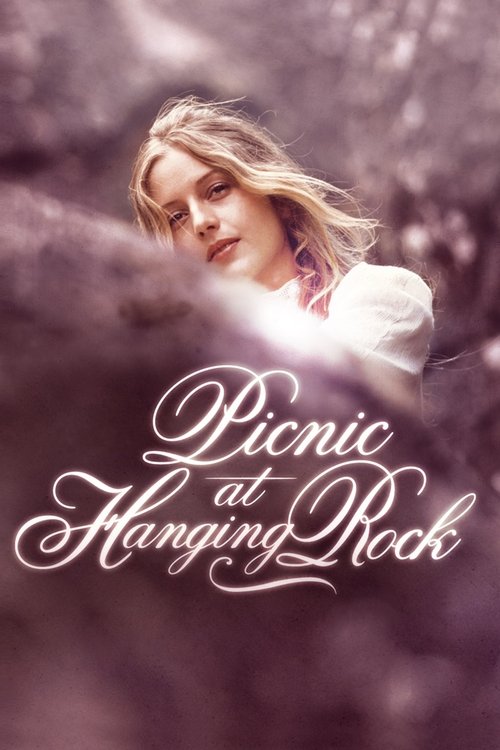
2. Picnic at Hanging Rock
Peter Weir orchestrates a truly unsettling experience with this Australian New Wave classic. The narrative follows the inexplicable disappearance of schoolgirls during a picnic, but offers no neat solutions. Instead, Weir immerses the viewer in a palpable atmosphere of dreamlike dread, where the ancient, indifferent landscape itself seems to absorb the mystery. The film's enduring power lies in its refusal to explain, leaving a haunting impression of beauty, loss, and the unknowable.
3 / 8
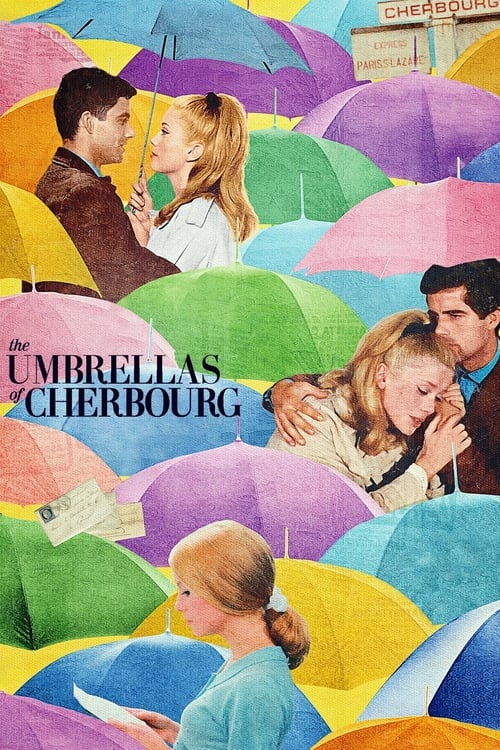
3. The Umbrellas of Cherbourg
Jacques Demy’s audacious musical is an exquisite confection, where every line of dialogue is sung, creating a heightened, operatic reality. Starring a luminous Catherine Deneuve, its vibrant color palette and romantic score belie a deeply melancholic story of youthful love, separation, and the compromises of adulthood. It's a bold formal experiment that succeeds as both a dazzling spectacle and a bittersweet reflection on life’s gentle disappointments. An unforgettable, unique cinematic achievement.
4 / 8

4. La Jetée
Chris Marker’s seminal work is a "photo-roman" — a narrative constructed almost entirely from still photographs, save for one fleeting shot. This minimalist approach profoundly enhances its themes of memory, time travel, and a post-apocalyptic future. It’s a haunting, intellectual exercise that proves the immense power of montage and suggestion, deeply influencing countless filmmakers. A short film of immense scope, it asks profound questions about humanity's relationship with its past and future.
5 / 8
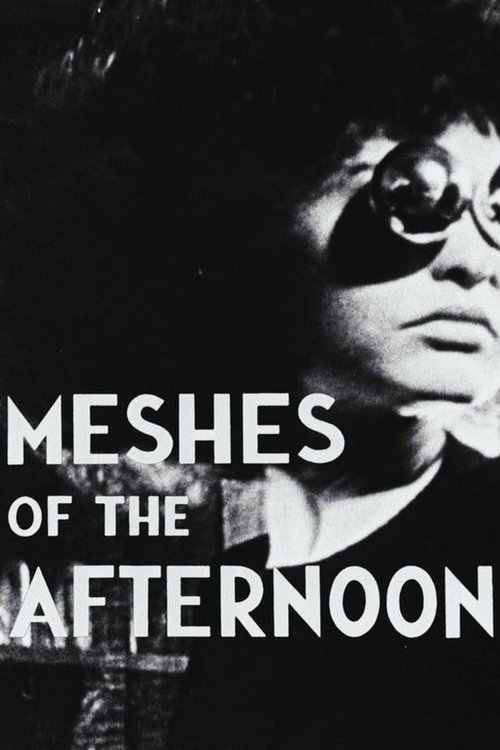
5. Meshes of the Afternoon
Maya Deren and Alexander Hammid’s avant-garde short remains a cornerstone of experimental cinema. It plunges the viewer into a looping, dreamlike narrative, where objects and symbols repeat and transform, reflecting a subconscious journey. The film’s fragmented structure and symbolic imagery explore themes of identity, desire, and the uncanny, creating a disorienting yet deeply resonant psychological landscape. Its influence on subsequent surrealist and feminist filmmaking is undeniable.
6 / 8
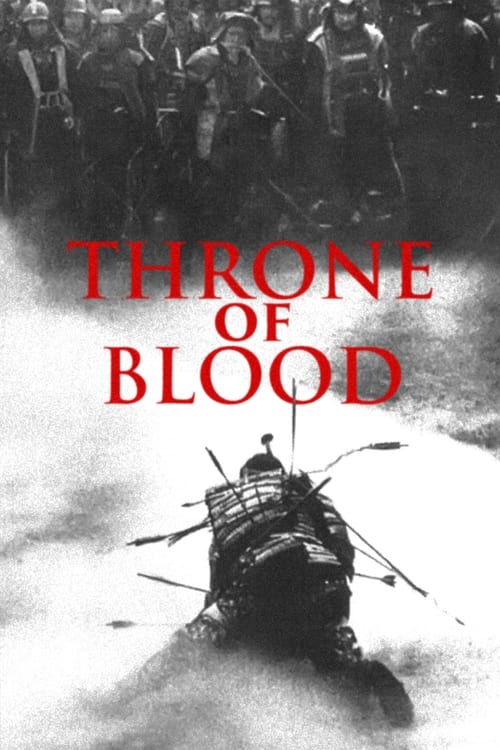
6. Throne of Blood
Akira Kurosawa masterfully transplants Shakespeare’s Macbeth to feudal Japan, infusing the tragedy with the stark beauty and formal rigor of Noh theatre. Toshiro Mifune’s portrayal of Washizu is raw and terrifying, his ambition leading him to a chilling, inevitable downfall. Kurosawa’s visual storytelling, from the fog-shrouded castle to the iconic final arrows, creates a visceral, unforgettable experience. It’s a powerful testament to the universality of human ambition and madness.
7 / 8
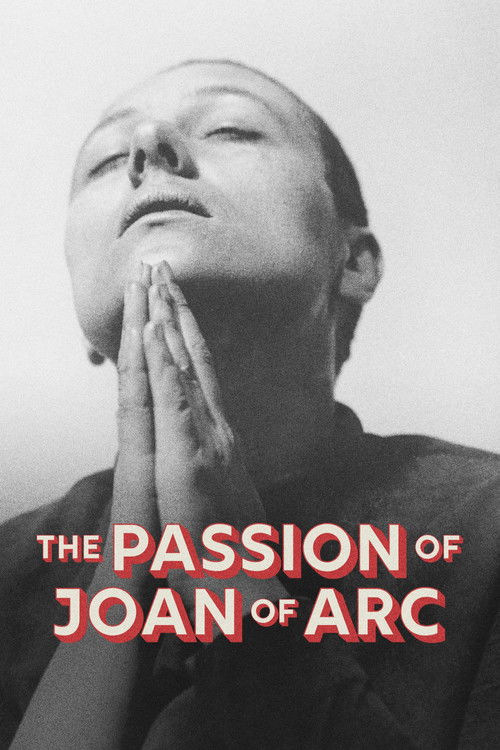
7. The Passion of Joan of Arc
Carl Theodor Dreyer's silent film is an agonizing, transcendent experience, anchored by Maria Falconetti's legendary performance. Through unrelenting close-ups, Dreyer captures every nuance of Joan’s suffering, humiliation, and spiritual fortitude, creating an unparalleled study of human emotion. The spare sets and stark lighting heighten the dramatic intensity, making it a profound and deeply moving portrayal of faith and persecution. It stands as a monumental achievement in cinematic history.
8 / 8
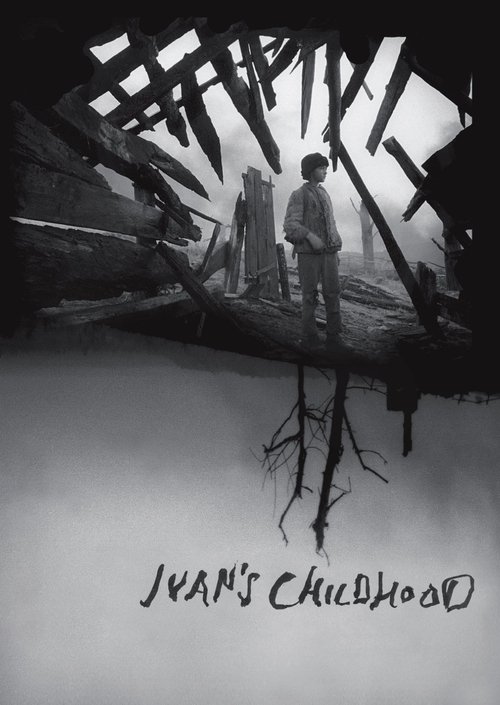
8. Ivan's Childhood
Andrei Tarkovsky's debut feature immediately established his unique visual language. It portrays the psychological scars of war through the eyes of a young boy, Ivan, whose innocence has been irrevocably shattered. Blurring the lines between memory, dream, and reality, Tarkovsky crafts a poetic, haunting exploration of loss and trauma. The film’s lyrical imagery and profound emotional depth offer a powerful, anti-heroic commentary on the devastating impact of conflict on the human spirit.