
1 / 6
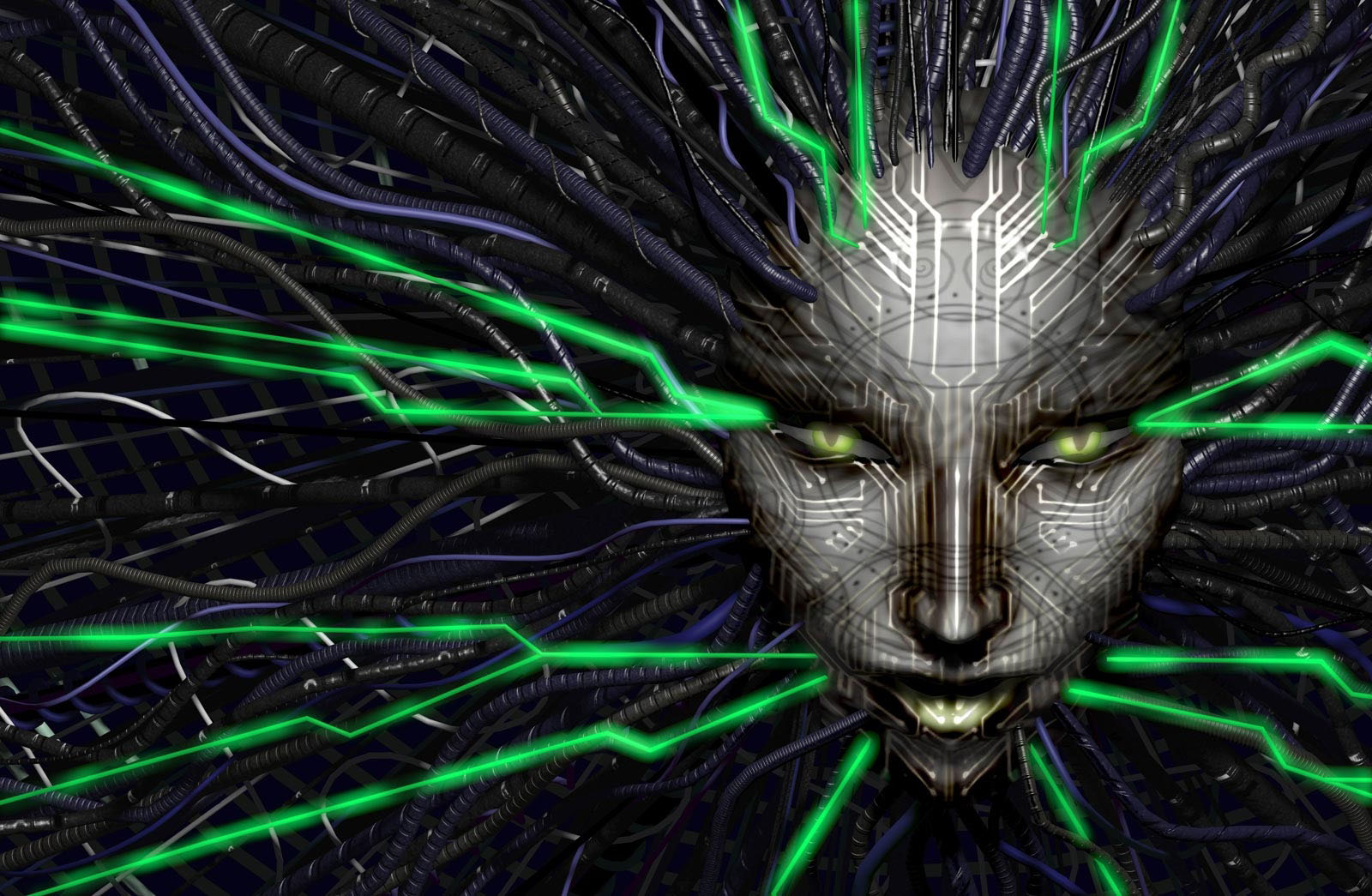
1. System Shock 2
This game didn't just blend genres; it fused them into something utterly new. Its pioneering mix of first-person shooting, role-playing progression, and survival horror, all wrapped in a terrifying sci-fi narrative, felt truly emergent. SHODAN remains an iconic villain, delivered through environmental storytelling that set a benchmark. It quietly laid groundwork for immersive sims, proving that player choice and atmospheric dread could coexist, influencing countless titles that followed, most notably BioShock.
2 / 6

2. Condemned: Criminal Origins
When this launched on the Xbox 360, it redefined close-quarters combat and psychological horror. Rather than just shooting, players relied on brutal, visceral melee and environmental tools, making every encounter feel desperate and impactful. Its gritty, unsettling atmosphere, combined with detective-style forensic gameplay, created a sense of pervasive unease. It was an uncompromising experience, proving that horror could be profoundly physical and disturbing without relying on cheap jump scares.
3 / 6
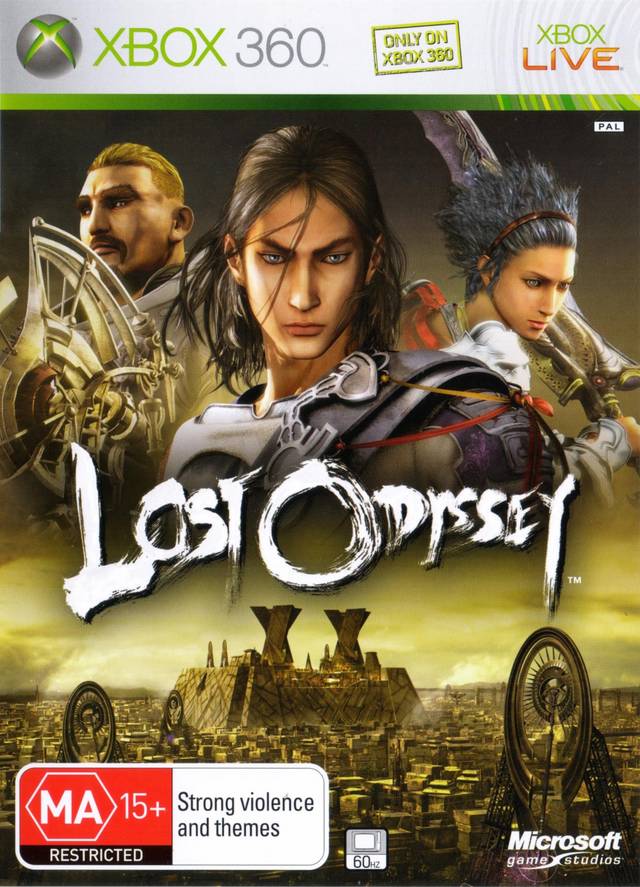
3. Lost Odyssey
Hironobu Sakaguchi's return to a classic JRPG formula delivered a mature, emotionally resonant tale that many felt was a spiritual successor to earlier Final Fantasy entries. Its 'Dream Sequences,' short text adventures that delved into the protagonist Kaim's 1000 years of memories, provided a unique and powerful narrative device. While it might have been overshadowed by other releases, its traditional turn-based combat and profound storytelling offered a poignant, unforgettable experience for fans of the genre.
4 / 6
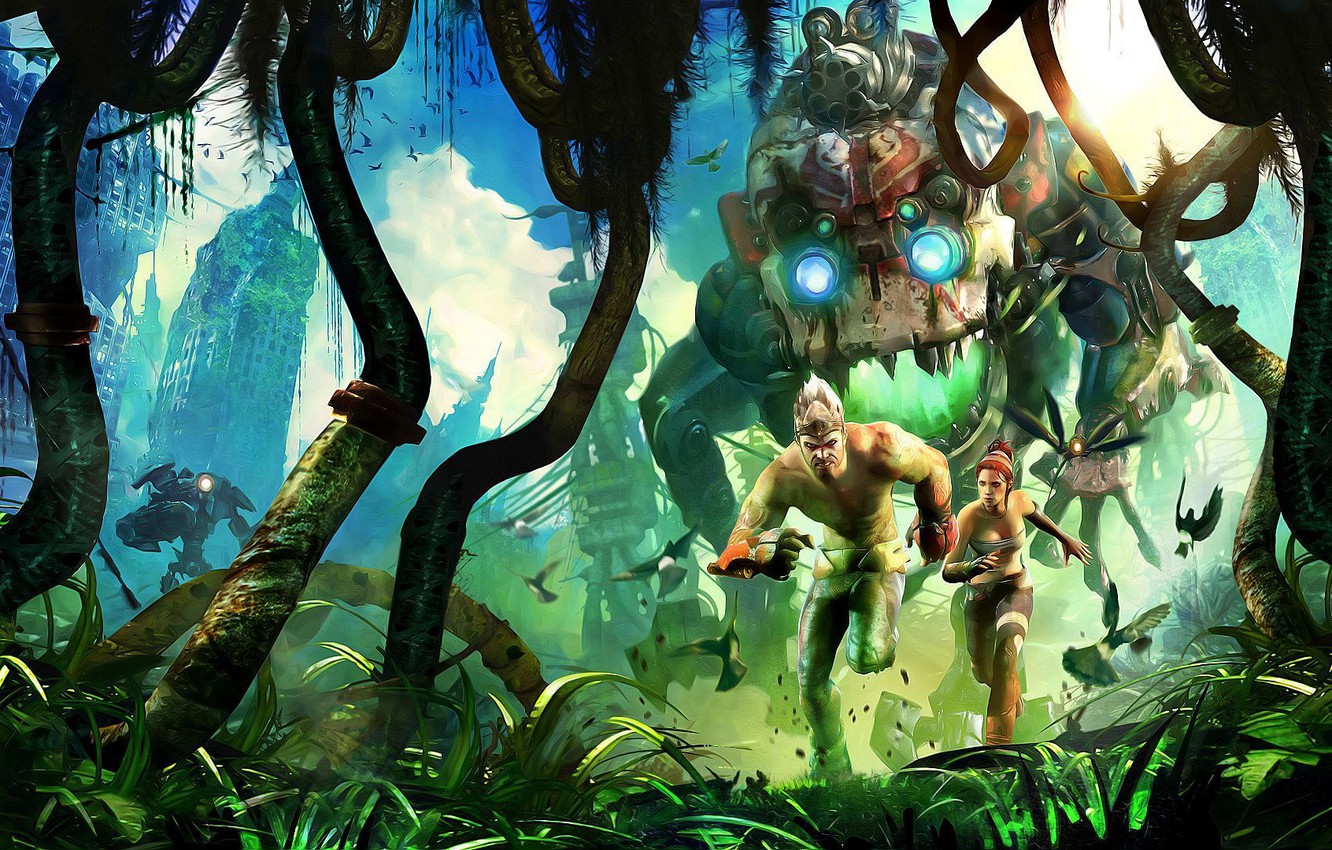
4. Enslaved: Odyssey to the West
This vibrant, post-apocalyptic adventure stood out for its compelling character dynamics and exceptional narrative. Monkey and Trip's forced partnership drove the story, evolving from reluctant allies to a genuinely affecting bond. Its blend of platforming, combat, and environmental puzzles was fluid and engaging, all set against stunning, overgrown landscapes. It championed a focused, cinematic storytelling experience in an era increasingly dominated by sprawling, open-world design, proving linear narratives still had immense power.
5 / 6

5. Catherine
Few games dared to tackle adult themes of commitment, infidelity, and personal anxiety with such surreal creativity. Blending challenging block-pushing puzzles with a visual novel narrative, it explored the complexities of relationships and growing up. The dream sequences were a masterclass in psychological horror, while the waking world offered genuine dilemmas. It was a bold, experimental title that proved video games could explore deep, uncomfortable human experiences with unique mechanical metaphors.
6 / 6
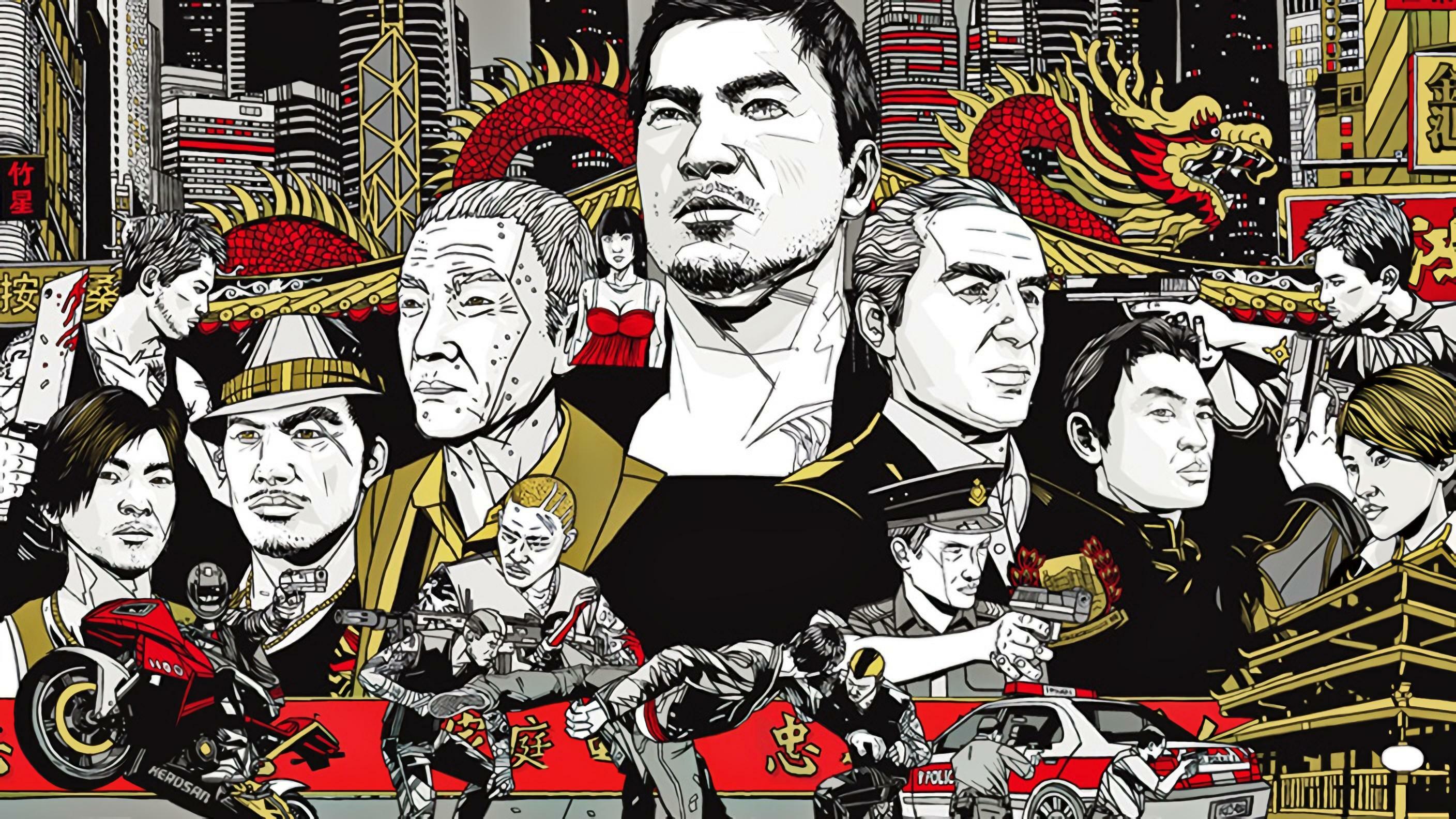
6. Sleeping Dogs
This open-world crime drama carved its own niche by meticulously recreating Hong Kong and focusing on martial arts combat. While often compared to other open-world titles, its nuanced undercover story, brutal hand-to-hand fighting, and thrilling car chases gave it a distinct identity. The attention to cultural detail and the compelling narrative of protagonist Wei Shen's double life elevated it beyond a simple sandbox game, establishing it as a cult classic within the genre.