

1 / 8
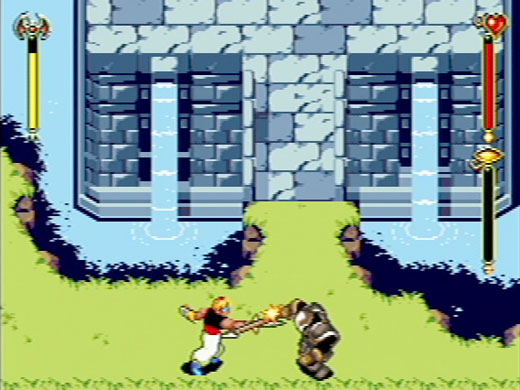
1. Beyond Oasis (2007)
When *Beyond Oasis* landed on the Wii Virtual Console in 2007, it reintroduced a Genesis classic to a new audience. This action RPG, originally from 1994, stood out with its unique elemental spirit-summoning mechanics and intricate world design. It wasn't just a port; it was a testament to enduring gameplay, allowing modern players to appreciate its blend of engaging combat and exploration that felt ahead of its time for the 16-bit era. This version solidified its cult status.
2 / 8

2. Crusader: No Remorse
Released in 1995, *Crusader: No Remorse* was a brutal, isometric action game that defied easy categorization. Its dark, dystopian sci-fi setting, destructible environments, and relentless difficulty carved a niche for itself. The game demanded precision and tactical thinking, often punishing players for missteps. It truly pushed the envelope for what an action title could be on PC, establishing a legacy for its visceral combat and gritty atmosphere that few games managed to replicate.
3 / 8
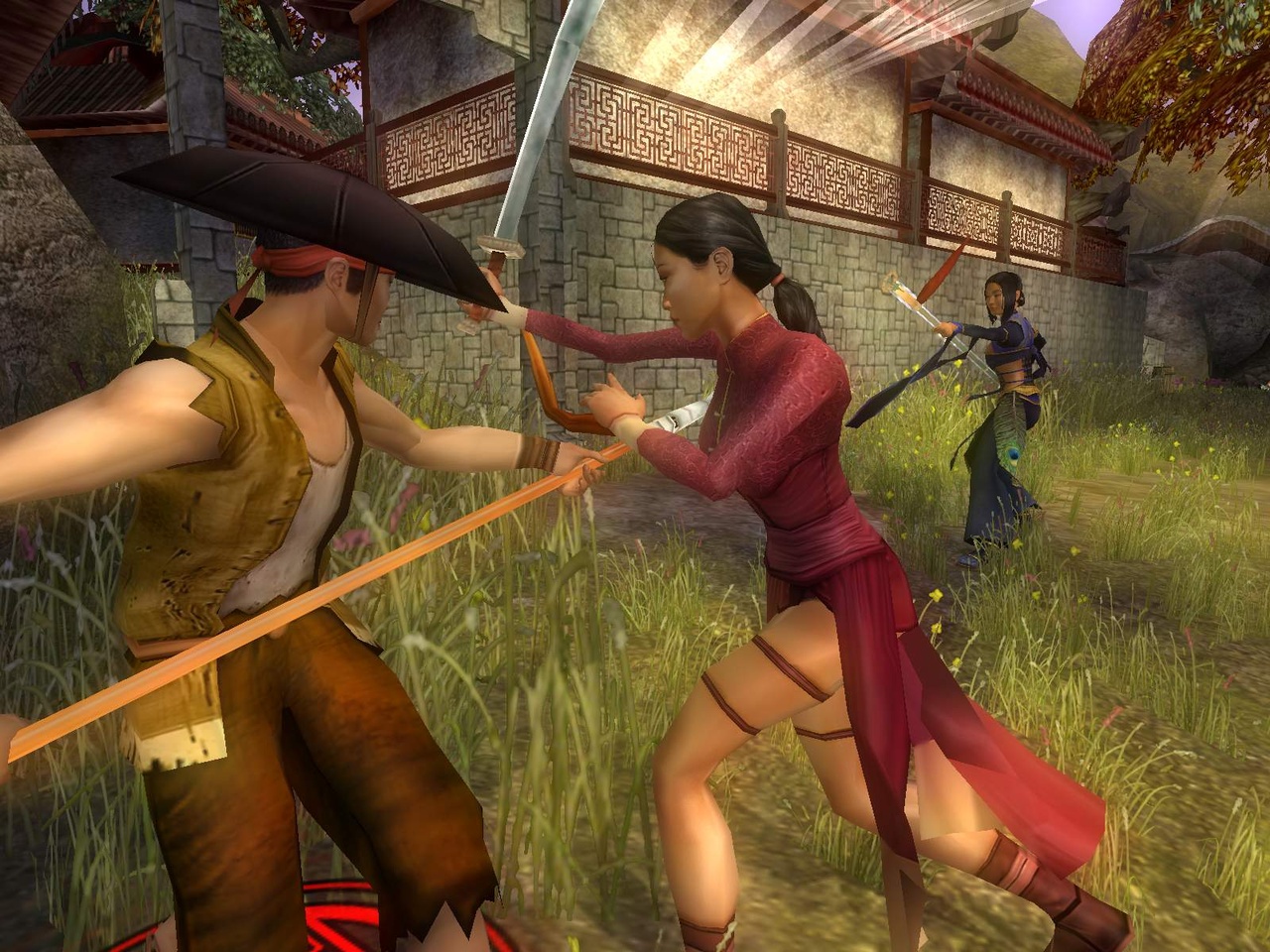
3. Jade Empire
Bioware, known for Western fantasy, ventured into Wuxia with 2005's *Jade Empire*. This action RPG offered a distinct aesthetic and narrative steeped in Chinese mythology, a refreshing change of pace. Its "Open Palm/Closed Fist" morality system and fluid, real-time combat, which involved martial arts and chi powers, created an immersive experience. It proved Bioware's storytelling prowess extended beyond established franchises, delivering a rich, character-driven adventure that still resonates.
4 / 8
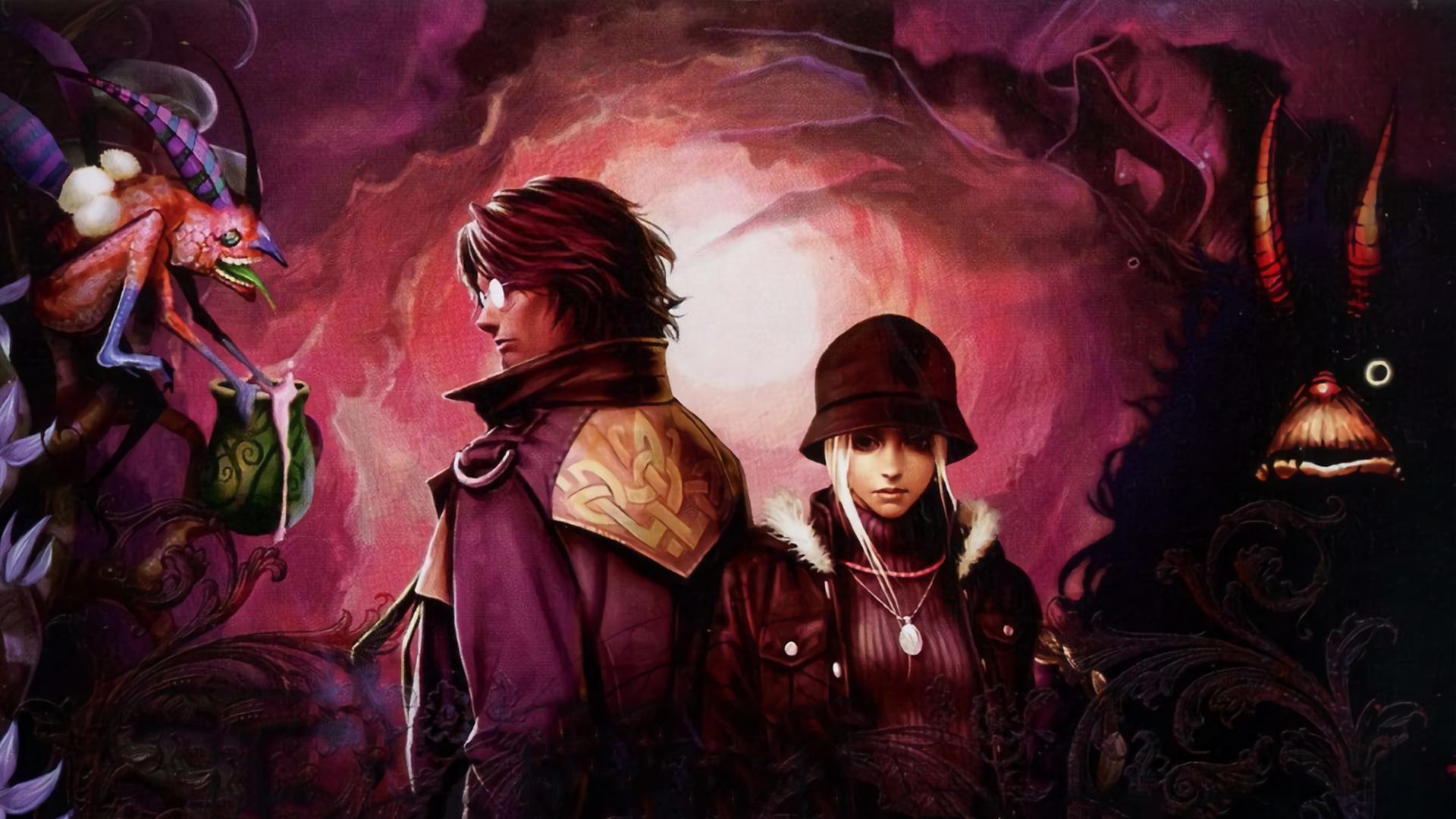
4. Folklore
Folklore, a 2007 PS3 exclusive, presented a dark, dreamlike journey into Irish mythology. Its most striking feature was the unique combat system: players literally absorbed the souls of defeated creatures to use their abilities. Coupled with a haunting narrative and a distinct, gothic art style, it was an ambitious title that showcased the PS3's potential for artistic expression. Despite its creative risks, it remained a hidden gem, often overlooked amidst the console's launch lineup.
5 / 8
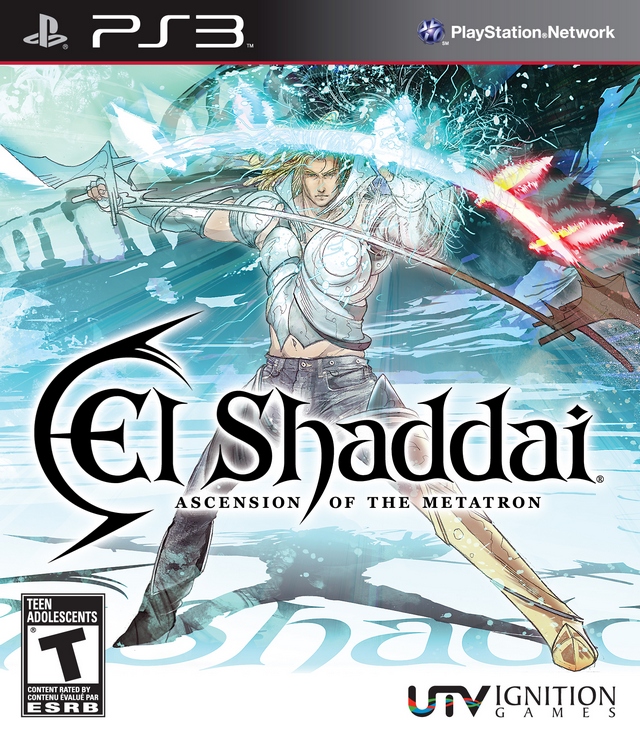
5. El Shaddai: Ascension of the Metatron
El Shaddai, launched in 2011, was a visual spectacle unlike any other. Its art direction constantly shifted, from cel-shaded to abstract watercolors, creating a dynamic, almost spiritual experience. Based loosely on the Book of Enoch, its narrative was as enigmatic as its visuals. While its action-platforming gameplay was deceptively simple, the game's bold artistic vision and willingness to challenge conventional aesthetics cemented its place as a unique, unforgettable artistic statement in gaming.
6 / 8
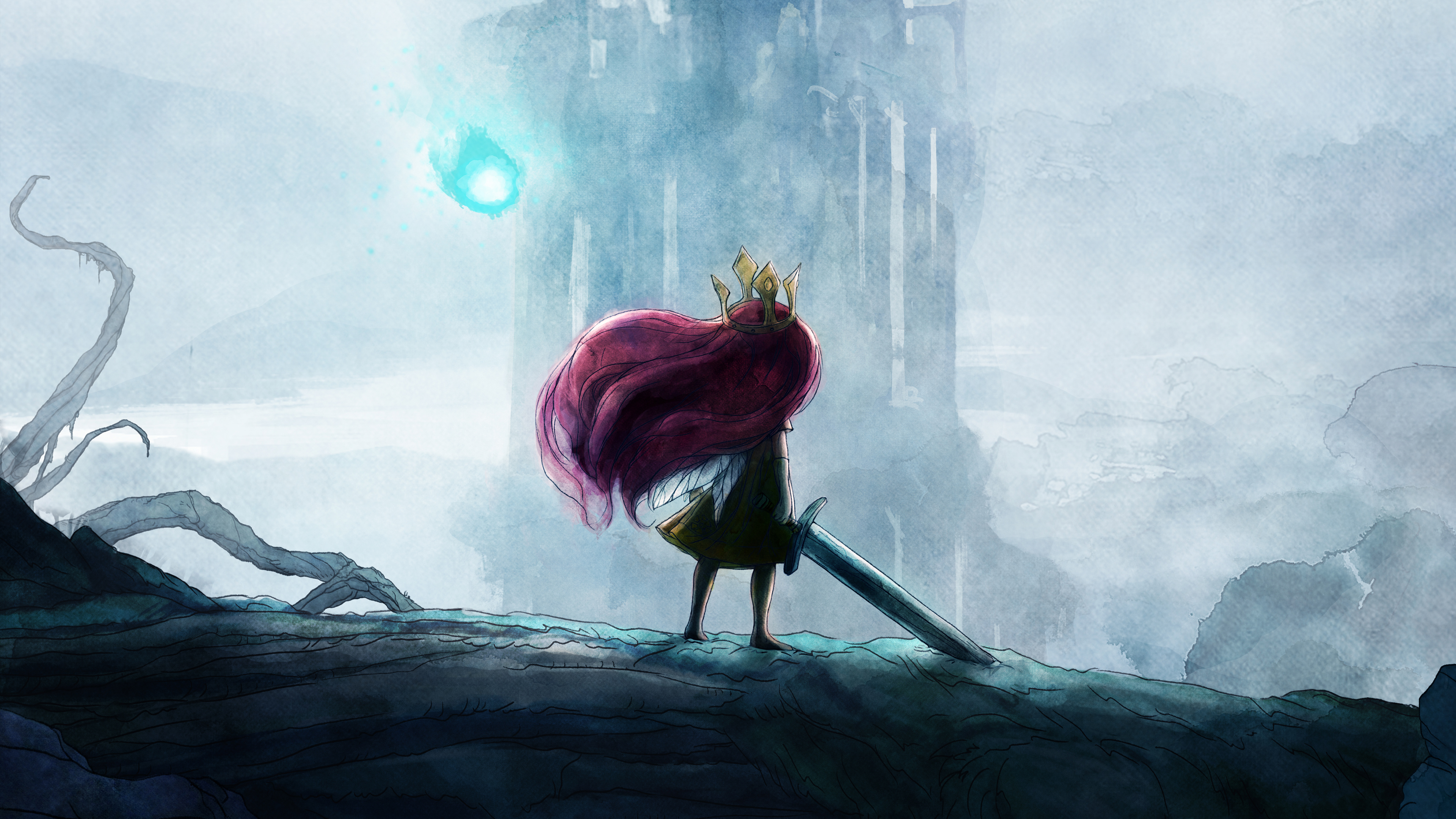
6. Child of Light
Ubisoft's 2014 *Child of Light* was a departure, a beautiful, hand-drawn watercolor RPG. Its poetic, rhyming narrative about a princess venturing through a fantastical world paired seamlessly with a unique turn-based combat system that incorporated platforming elements. It demonstrated that a major publisher could deliver an intimate, artistically driven experience reminiscent of indie titles, offering a melancholic yet hopeful journey that captivated with its story and visual charm.
7 / 8
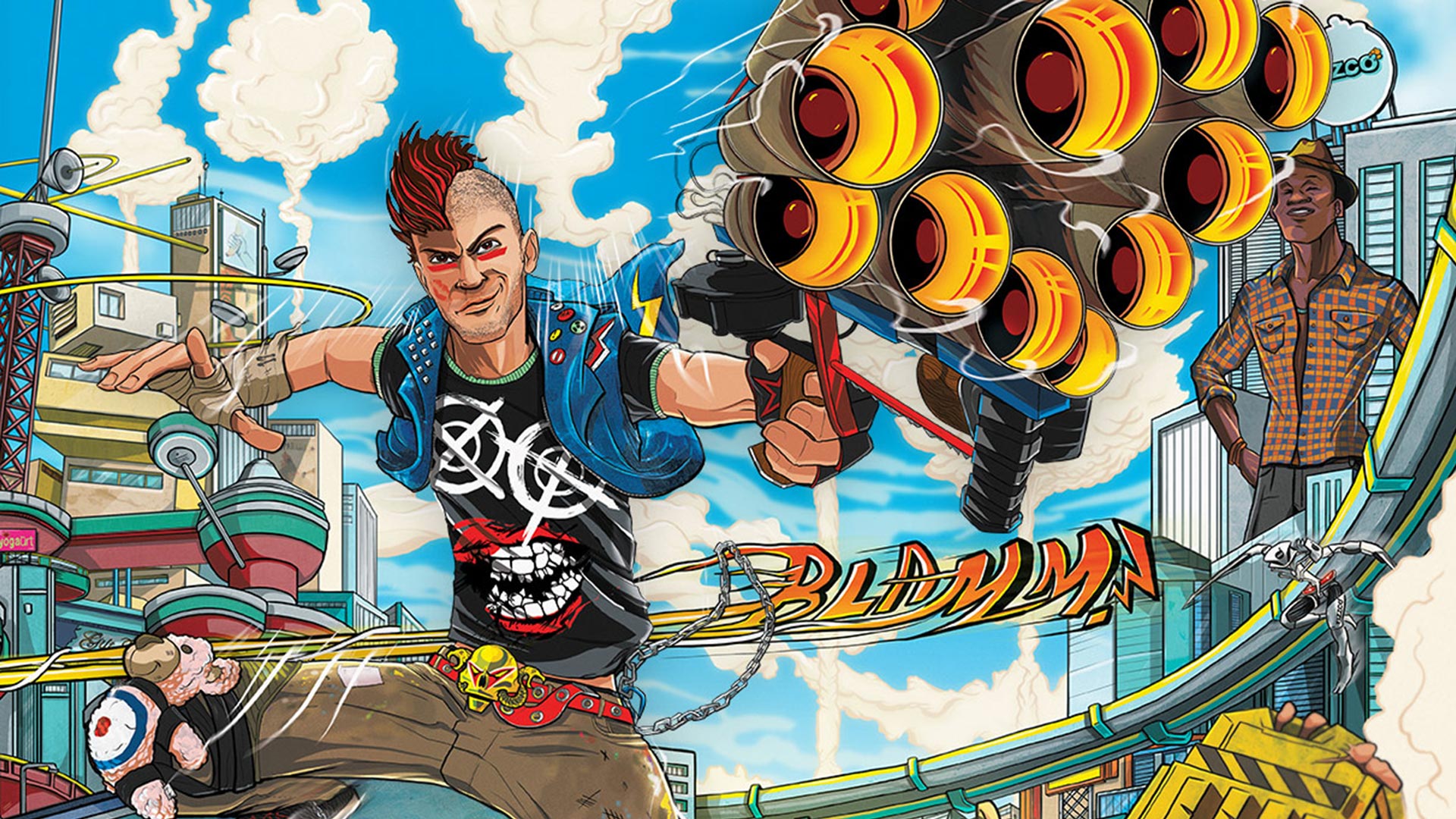
7. Sunset Overdrive
Insomniac Games injected pure, unadulterated chaos into the Xbox One's 2014 lineup with *Sunset Overdrive*. This open-world shooter revelled in its irreverent humor, fourth-wall breaks, and an infectious punk rock energy. Its core loop revolved around frantic traversal – grinding rails, bouncing off cars – to stay above the mutated populace, making combat a dynamic, vertical dance. It stood out as a vibrant, anti-establishment antidote to the era's often grim gaming landscape.
8 / 8
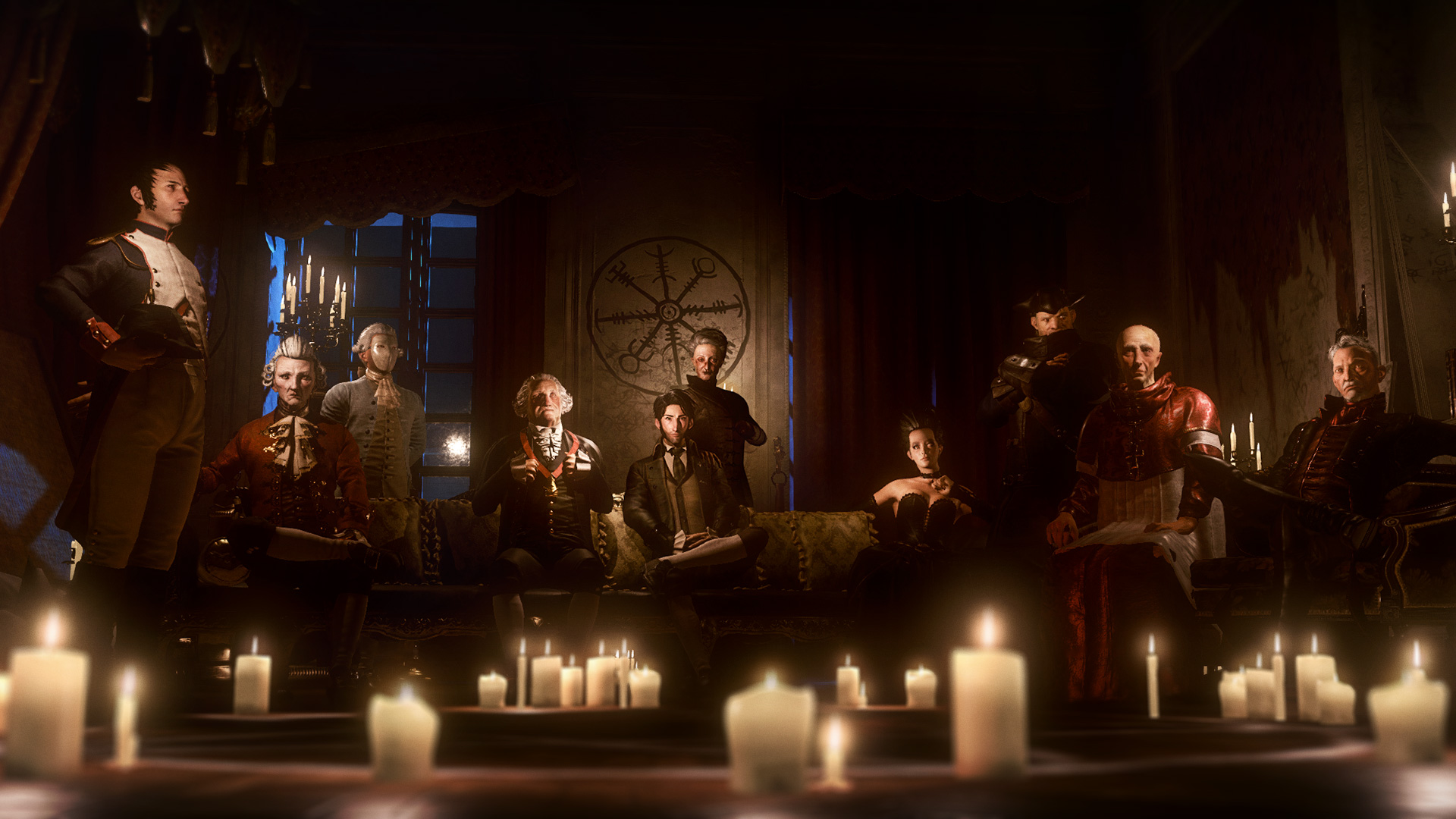
8. The Council
The Council, an episodic narrative adventure that began in 2018, redefined player agency. It integrated RPG-like skill trees into its dialogue and investigation systems, allowing choices to genuinely reshape the narrative and character interactions. Set in a mysterious 18th-century manor, its blend of historical figures, occult conspiracy, and player-driven consequences offered a sophisticated, intellectual take on interactive storytelling, proving that narrative games could possess true mechanical depth.