1 / 10

1. Pong (1972)
Pong was the genesis. Before this, electronic games were novelties, confined to labs. Its simplicity, two paddles and a ball, democratized digital interaction, pulling gaming out of arcades and into homes. It wasn't just a game; it was a cultural touchstone, sparking the video game industry and setting the stage for decades of digital entertainment. And so, the concept of competitive digital play, now ubiquitous, started right here.
2 / 10
2. Space Invaders (1978)
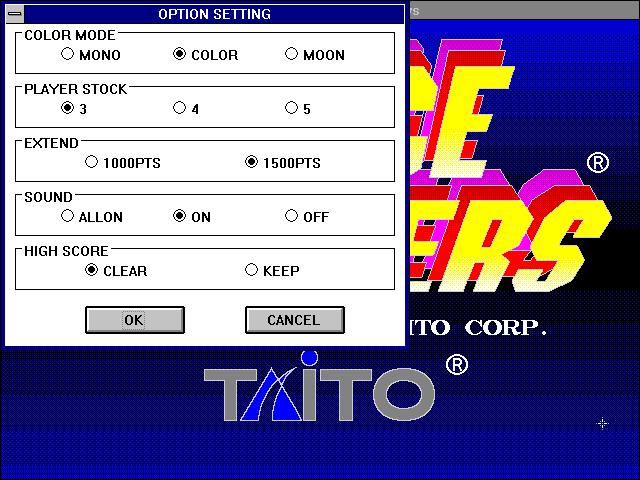
Space Invaders arrived, demanding quick reflexes and strategic thinking, creating a nationwide arcade phenomenon. Its success wasn't just commercial; it demonstrated the potential for video games to be a widespread form of entertainment, even causing a coin shortage in Japan. The game's relentless pace and escalating difficulty hooked players, establishing the high-score chase as a fundamental gaming loop. It solidified gaming as a viable, profitable industry.
3 / 10
3. Super Mario Bros.
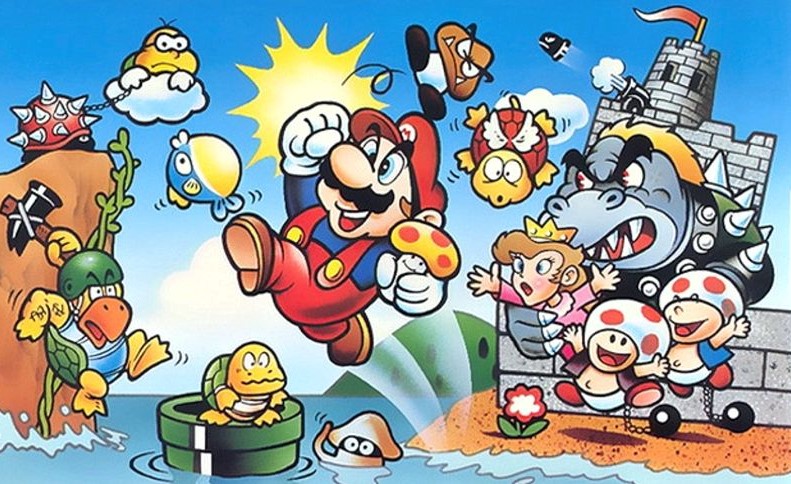
This game redefined the platformer. With Super Mario Bros., Nintendo proved that video games could be more than just arcade distractions; they could be sprawling, imaginative adventures. Its vibrant world, iconic characters, and innovative level design established a blueprint for console gaming. It rescued the industry from the post-Atari crash, bringing sophisticated design and widespread appeal back to the forefront of popular culture.
4 / 10

4. Tetris (1984)
A deceptively simple puzzle game, Tetris transcended language and cultural barriers. Its genius lies in its universal appeal, a pure form of spatial reasoning that became instantly addictive. From the Soviet Union to Game Boy screens worldwide, it demonstrated that compelling gameplay doesn't need complex narratives or cutting-edge graphics. It's a timeless exercise in order and chaos, illustrating the power of elegant design.
5 / 10
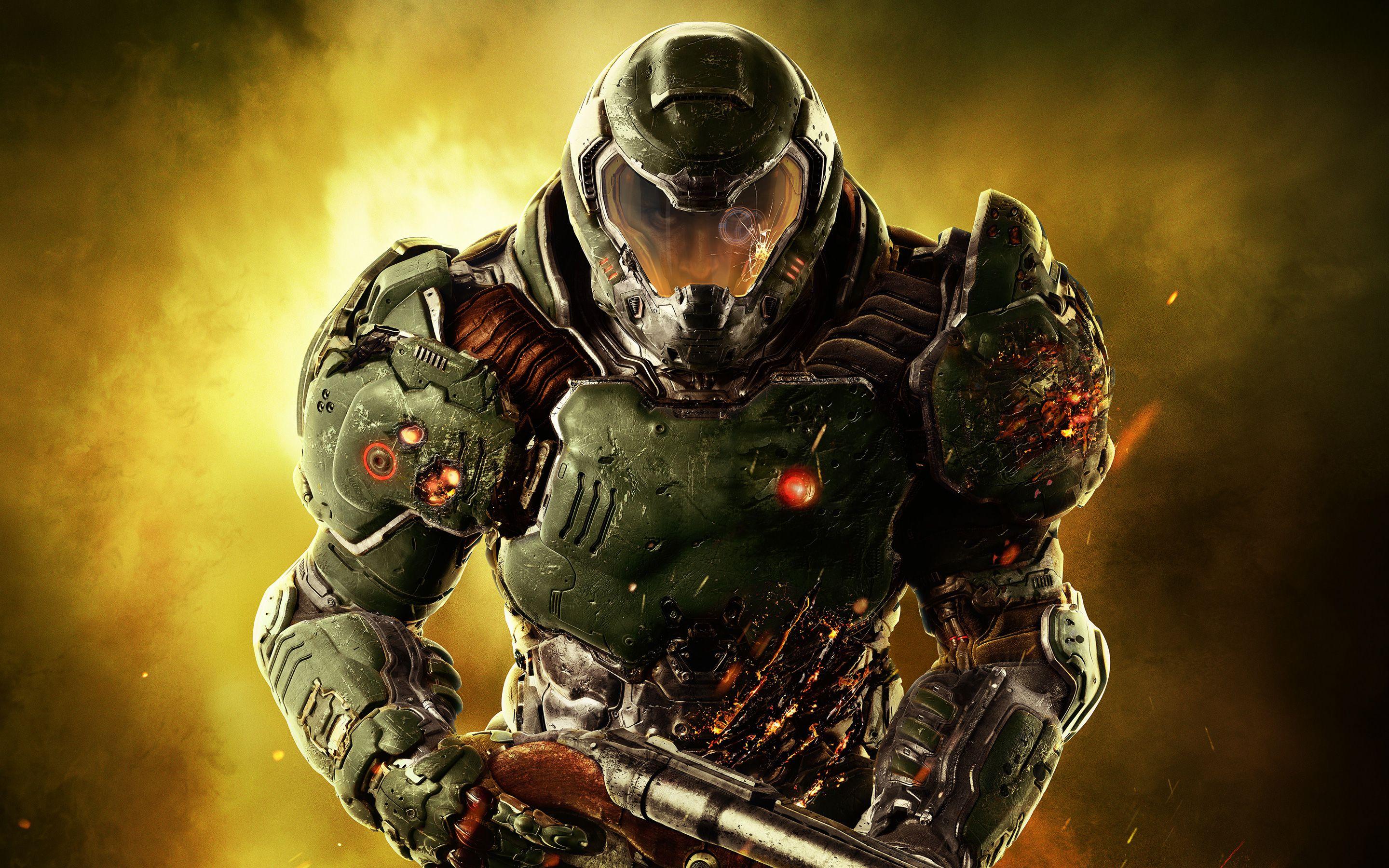
5. DOOM (2016)
While the original DOOM pioneered the FPS, the 2016 iteration marked a significant return to form, influencing a new generation of action games. It proved that a classic formula could be reinvented with modern sensibilities, delivering visceral, fast-paced combat. Its focus on aggressive, empowering gameplay, coupled with its metal soundtrack, resonated deeply, reminding players that sometimes, pure, unadulterated demon slaying is exactly what's needed.
6 / 10
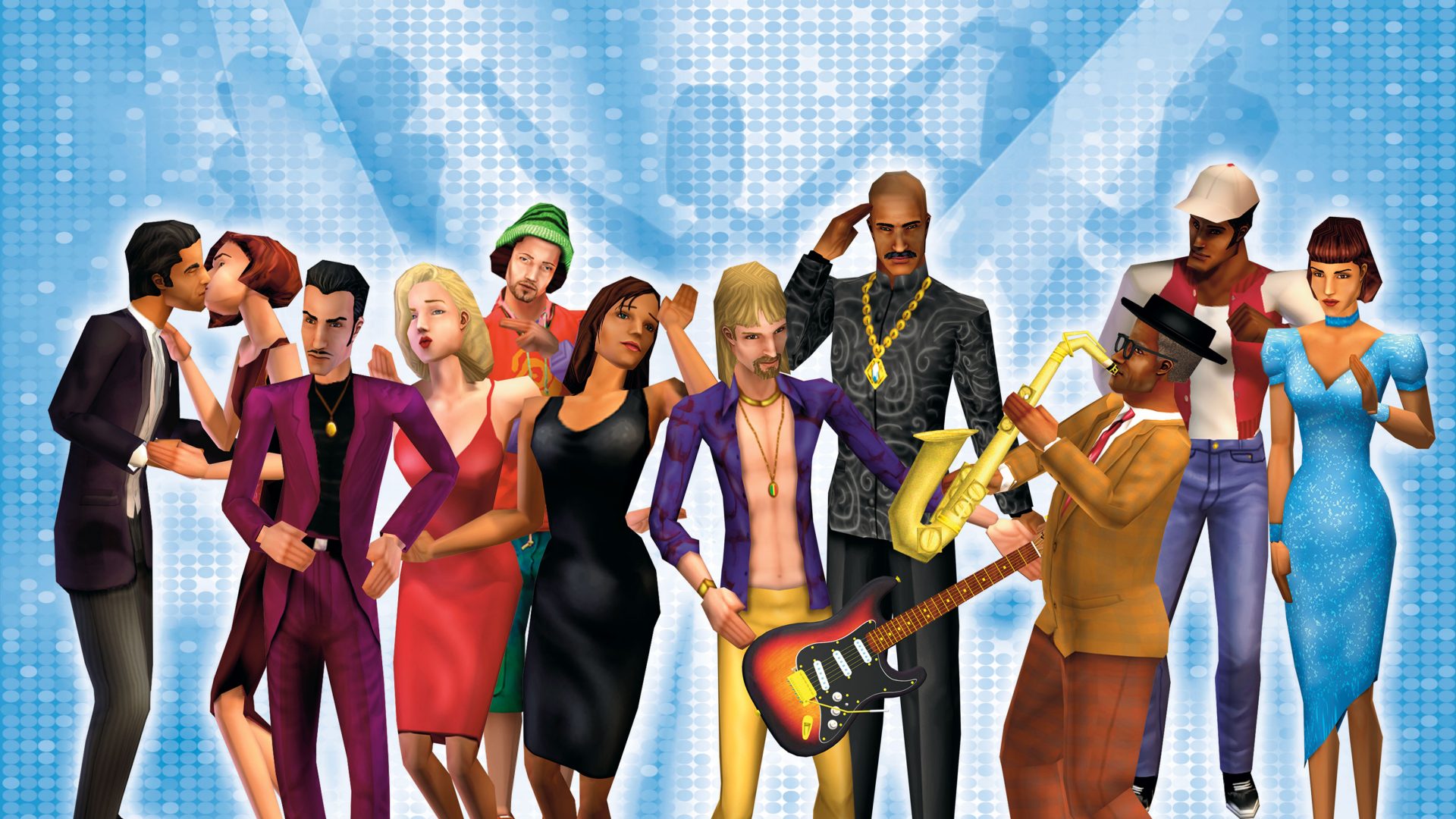
6. The Sims
The Sims offered something radically different: life simulation. It democratized creativity, allowing players to build homes, manage lives, and tell emergent stories without traditional win conditions. This open-ended approach resonated deeply, turning millions into digital architects and social experimenters. It shifted perceptions of what a "game" could be, proving that casual, creative play could be as compelling as any epic adventure.
7 / 10
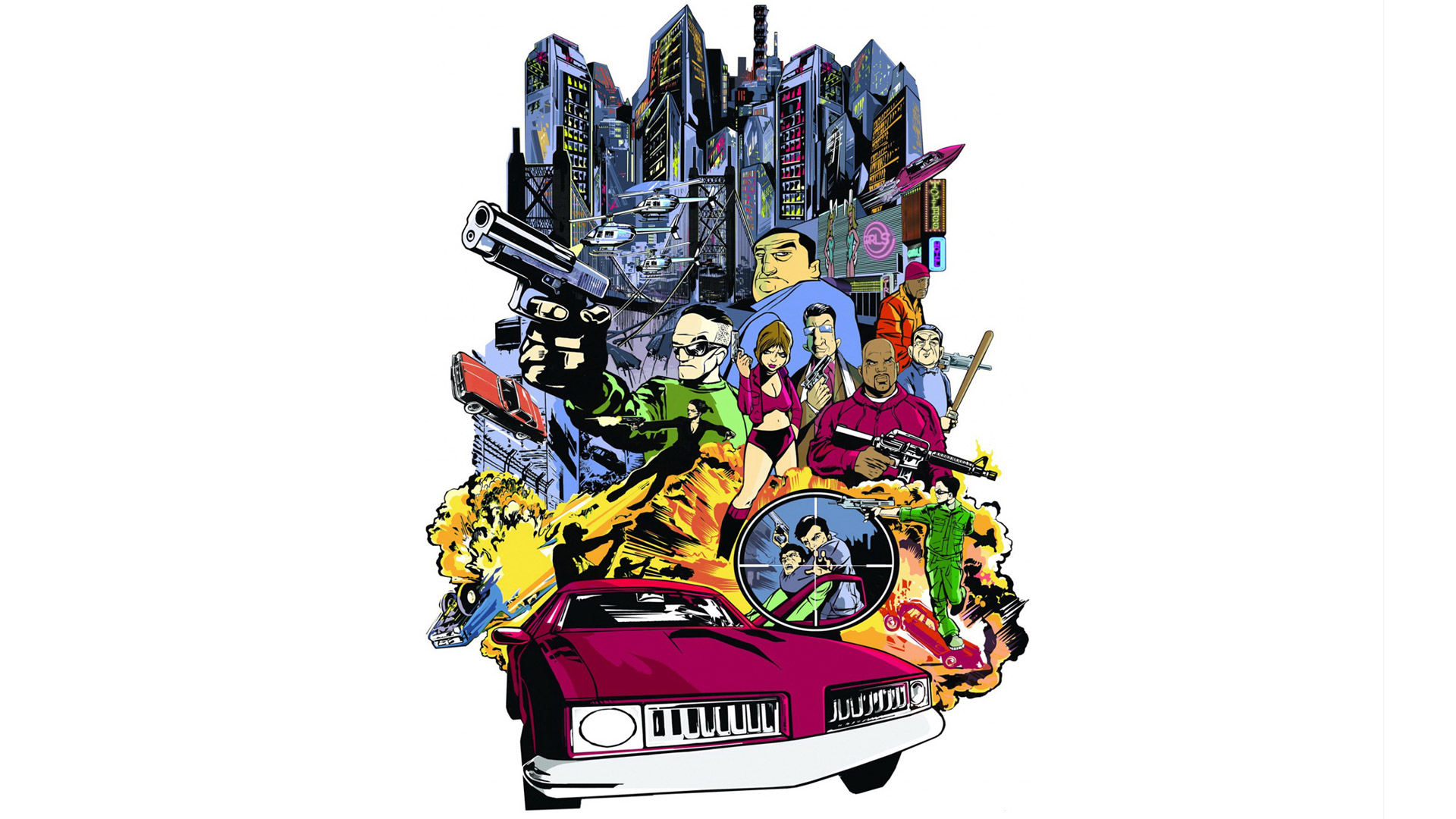
7. Grand Theft Auto III
This game wasn't just open-world; it was a living, breathing city. Grand Theft Auto III shattered expectations for narrative, player agency, and environmental scale. Its mature themes and unprecedented freedom sparked both controversy and widespread adoration, solidifying the open-world genre's dominance. It allowed players to inhabit a complex, morally ambiguous world, redefining what interactive storytelling could achieve.
8 / 10
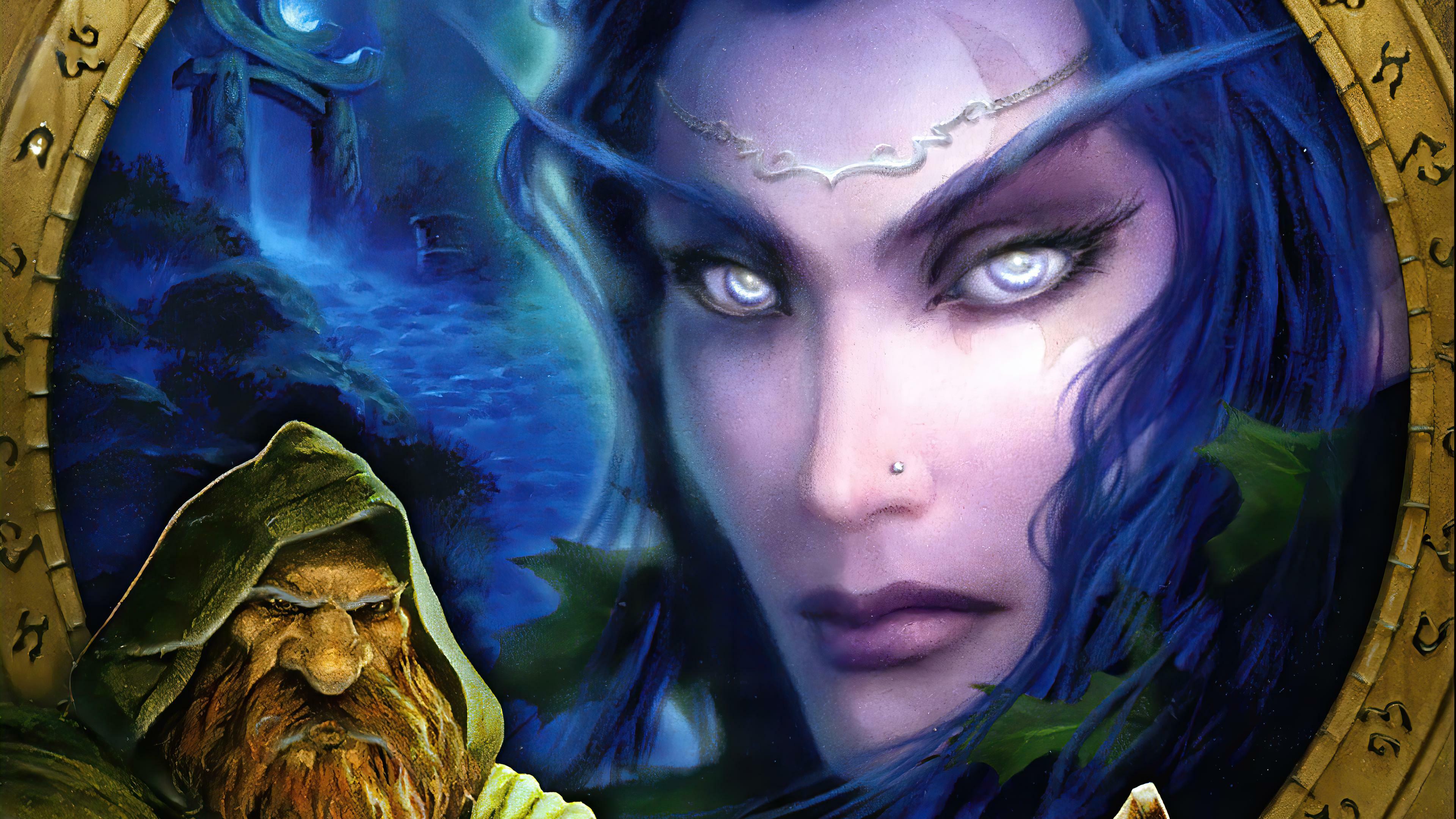
8. World of Warcraft
World of Warcraft didn't just popularize MMOs; it built entire virtual societies. Millions of players collaborated, competed, and formed lasting bonds within its expansive fantasy world. It created a persistent digital space that influenced social dynamics, economics, and even real-world language. The game proved the immense power of shared online experiences, shaping expectations for interconnected digital communities.
9 / 10
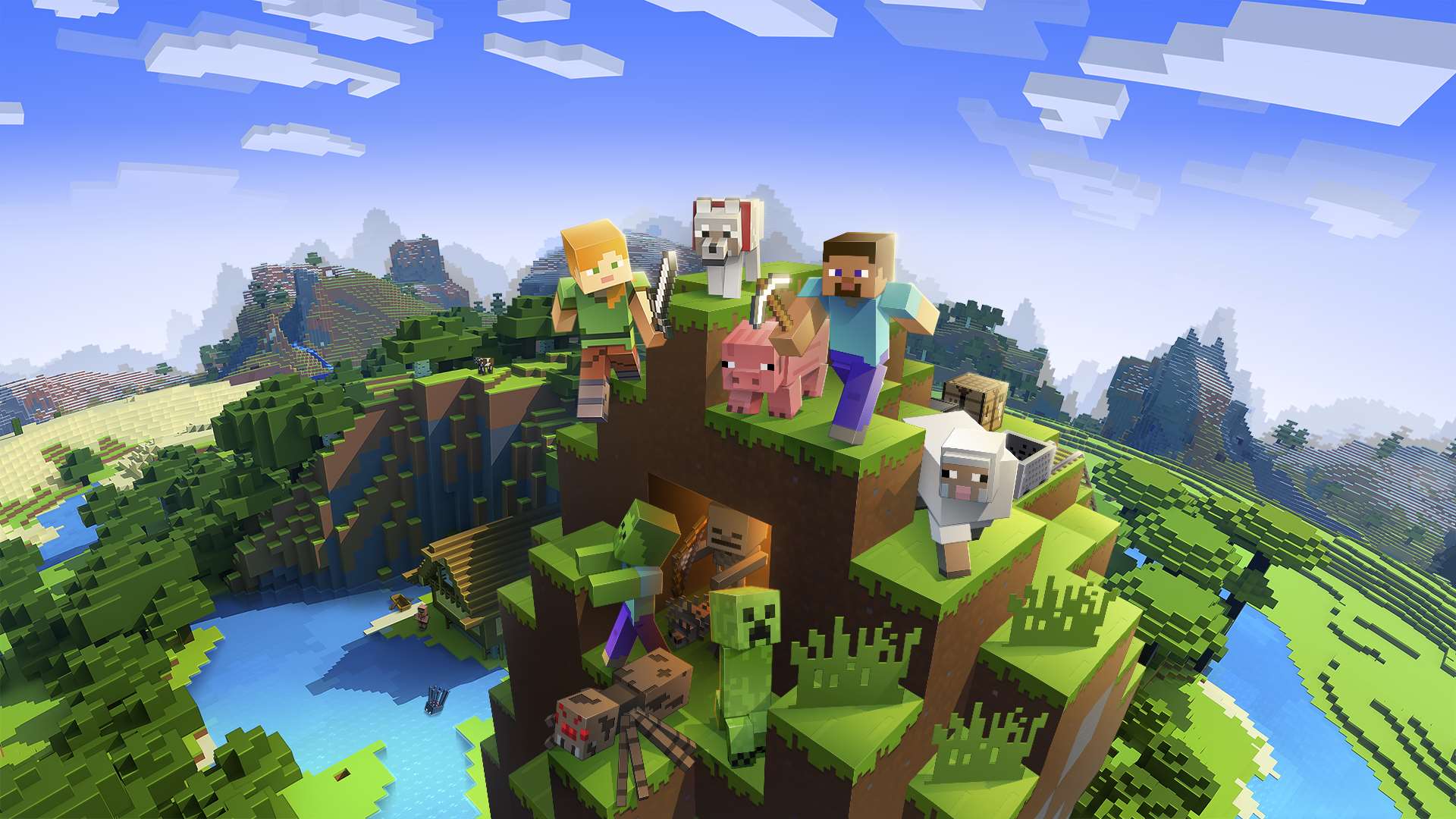
9. Minecraft
Minecraft is less a game and more a digital canvas. Its blocky aesthetic and boundless creative freedom captivated a generation. It democratized game design, allowing players to build anything imaginable, from simple shelters to complex machines. This sandbox approach fostered unparalleled creativity, becoming a powerful educational tool and a cultural phenomenon that reshaped how we think about digital play and construction.
10 / 10
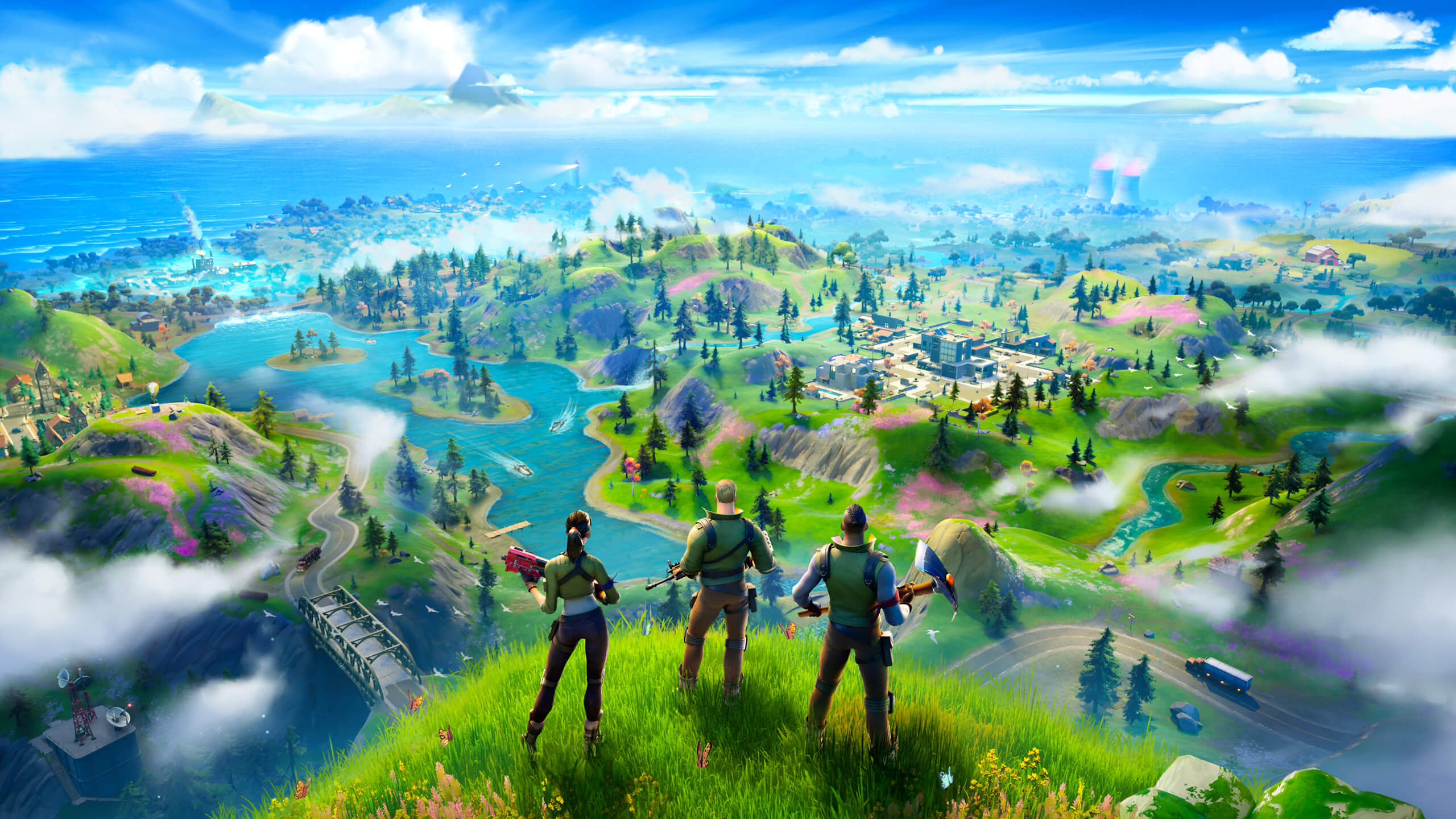
10. Fortnite Battle Royale
Fortnite exploded, pulling in millions with its accessible battle royale format and constant cultural cross-overs. It became a social hub, a concert venue, and a fashion show, blurring the lines between game and platform. Its free-to-play model, coupled with seasonal content and cosmetic monetization, set new industry standards, demonstrating the power of a live-service game as a dynamic, evolving cultural space.