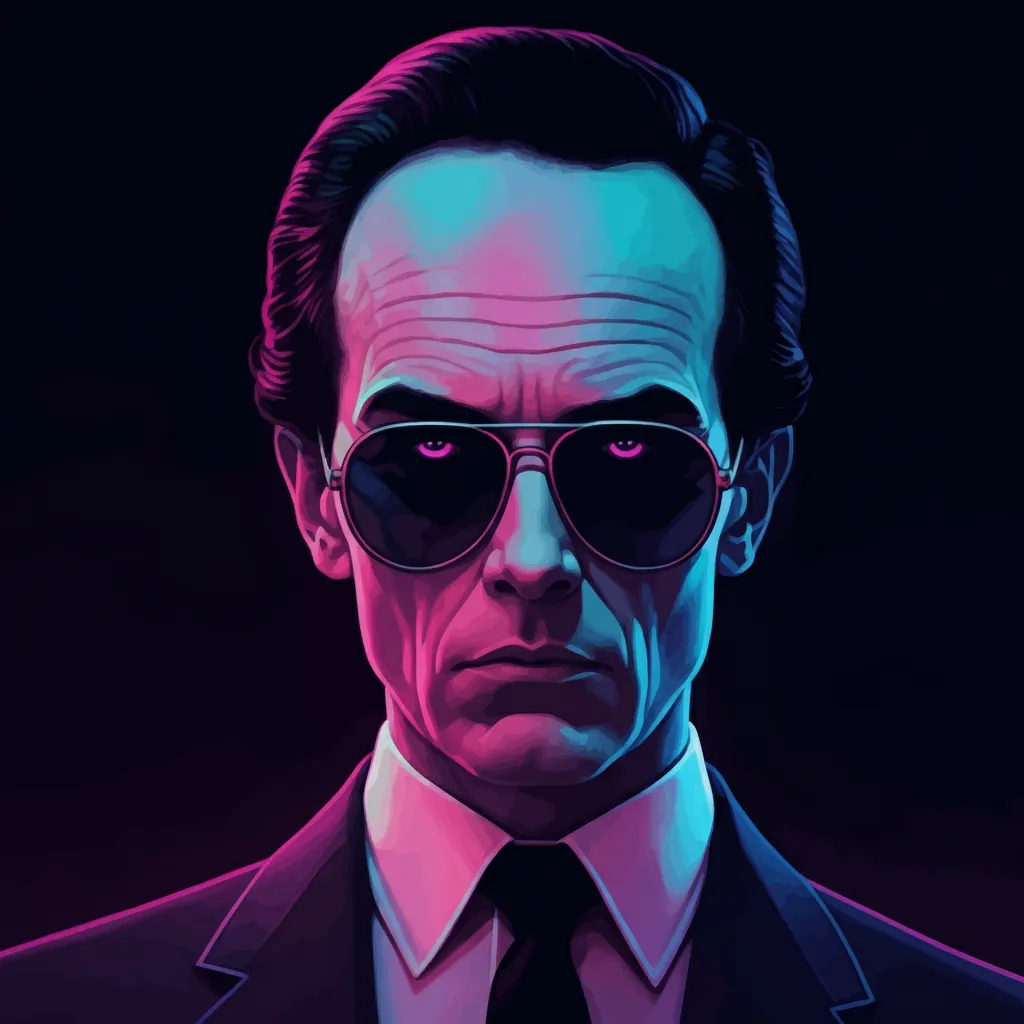


1. Valerie and Her Week of Wonders
Jaromil Jireš’s surrealist fairy tale, born from the Czech New Wave, weaves a dreamlike tapestry of adolescent awakening and burgeoning sexuality. It's less a narrative and more a hallucinatory experience, where innocence battles vampiric desires and religious dogma, all filtered through a lens of exquisite, unsettling beauty. The film's poetic imagery and allegorical depth solidify its status as a singular, evocative work.
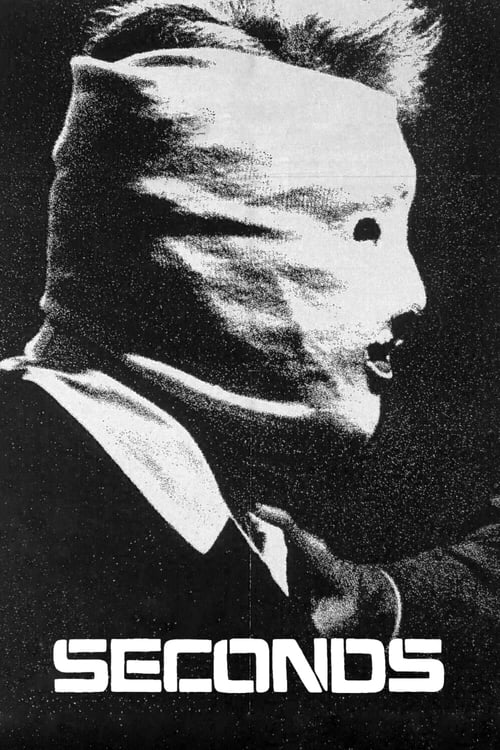
2. Seconds
John Frankenheimer's chilling psychological thriller from 1966 explores the terrifying implications of escaping one's life through a clandestine procedure. Rock Hudson delivers a career-defining performance as a man given a second chance, only to find himself trapped in a new nightmare of identity and existential dread. Its stark, unsettling cinematography and themes of consumerism and alienation resonate profoundly, making it a prescient, disturbing masterpiece.
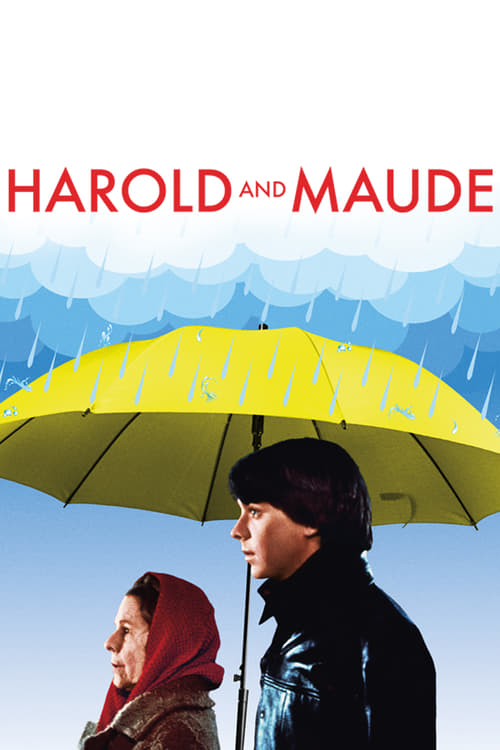
3. Harold and Maude
Hal Ashby's darkly comedic yet profoundly life-affirming film from 1971 defies easy categorization. It celebrates the unconventional romance between a death-obsessed young man and an octogenarian woman, championing individuality and finding joy in the face of societal norms. The film's eccentric charm, enduring wit, and poignant exploration of life, death, and connection have cemented its cult status and continue to inspire.
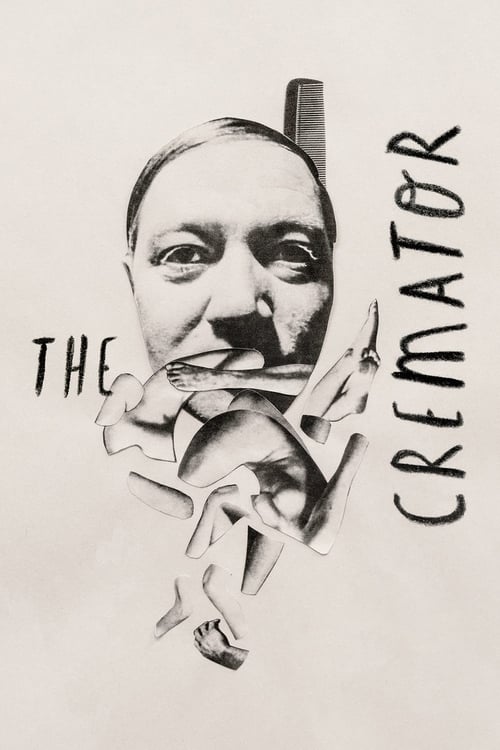
4. The Cremator
Juraj Herz's chilling Czechoslovak New Wave horror-comedy from 1969 is a masterclass in escalating psychological terror. Rudolf Hrušínský's performance as Kopfrkingl, a cremator who descends into fascist zealotry, is terrifyingly nuanced. The film's macabre humor and expressionistic cinematography craft a suffocating atmosphere, reflecting the insidious creep of totalitarianism through one man's increasingly deranged worldview. A truly disturbing and unforgettable work.
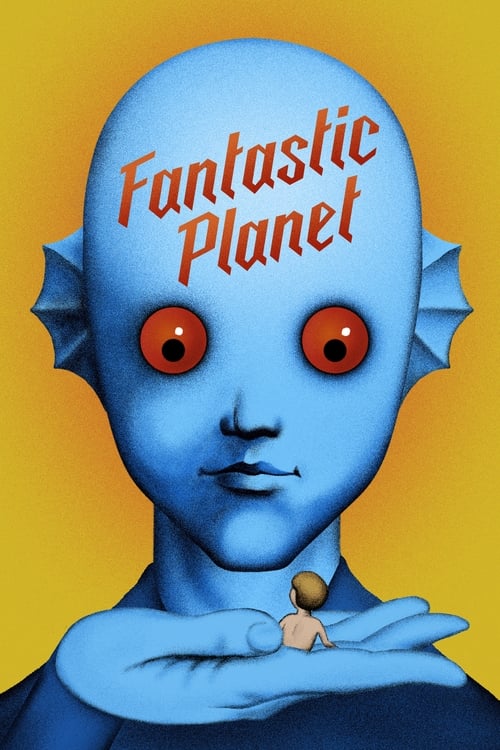
5. Fantastic Planet
René Laloux's animated science fiction allegory from 1973 is a visual marvel, its distinctive cut-out animation creating an otherworldly aesthetic. Set on a planet where colossal blue beings keep humans as pets, it's a profound commentary on power dynamics, oppression, and the struggle for freedom. The film's imaginative world-building and philosophical depth make it a unique and enduring piece of speculative cinema.
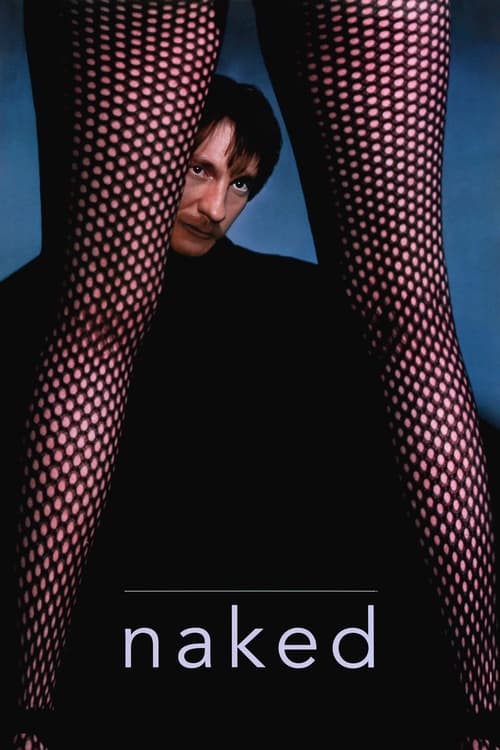
6. Naked
Mike Leigh’s raw, uncompromising vision from 1993 presents a visceral journey through the underbelly of London, following the nihilistic and verbally aggressive Johnny. David Thewlis delivers a blistering performance, embodying a character who is both repellant and profoundly articulate. The film’s biting social commentary and unflinching portrayal of urban alienation and despair make it a challenging yet essential cinematic experience.

7. Daisies
Věra Chytilová's anarchic and visually audacious film from the Czechoslovak New Wave is a feminist manifesto disguised as a chaotic romp. Following two young women who decide to be 'spoiled,' it's a vibrant, Dadaist assault on patriarchal norms and consumerism. Its fragmented narrative, vibrant color palette, and rebellious spirit make it a truly groundbreaking and exhilarating piece of experimental cinema.

8. The Holy Mountain
Alejandro Jodorowsky's surreal, allegorical epic from 1973 is a mind-bending spiritual odyssey. It follows a Christ-like figure and a group of planetary rulers on a quest for immortality, delving into esoteric symbolism, religious satire, and psychedelic imagery. A truly unique and confrontational experience, its audacious vision and philosophical ambition solidify its place as a cornerstone of experimental counterculture cinema.
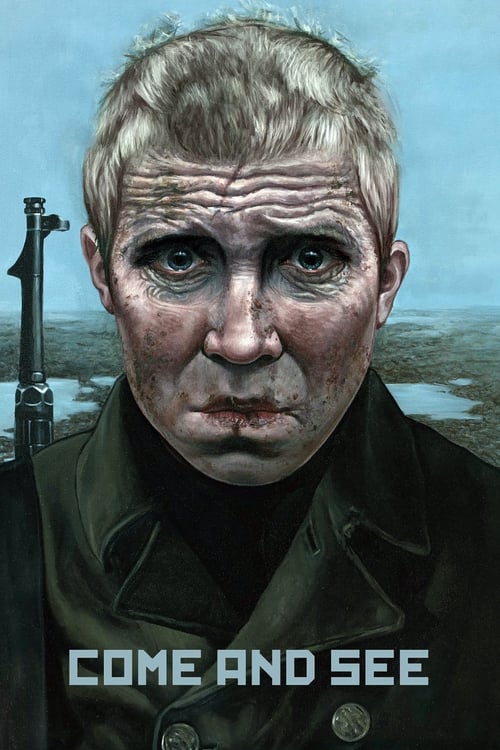
9. Come and See
Elem Klimov's harrowing Soviet war film from 1985 is an unflinching, visceral depiction of the Eastern Front, seen through the eyes of a young Belarusian partisan. Its relentless brutality and psychological impact are almost unbearable, eschewing glorification for a stark, unforgettable portrayal of war's dehumanizing horror. It remains one of the most powerful and essential anti-war films ever made.

10. Primer
Shane Carruth's lo-fi independent science fiction film from 2004 is a masterclass in intellectual ambition and narrative complexity. It meticulously details two engineers' accidental discovery of time travel, eschewing special effects for intricate plotting and philosophical dilemmas. The film demands multiple viewings to unravel its dense mechanics, offering a uniquely grounded and utterly engrossing exploration of temporal paradoxes.