
1 / 8
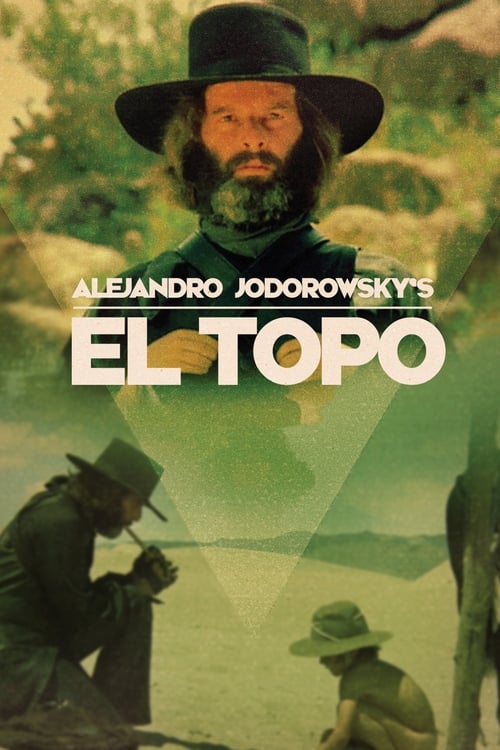
1. El Topo
Alejandro Jodorowsky's 'acid Western' is less a film than a transgressive spiritual journey, a fever dream of biblical allegory and surrealist violence. It defies easy categorization, embodying the counterculture's rebellious spirit and its search for meaning beyond conventional structures. The film’s raw, uncompromising vision cemented Jodorowsky’s status as a cinematic provocateur, a true auteur challenging the very fabric of narrative and audience expectation.
2 / 8
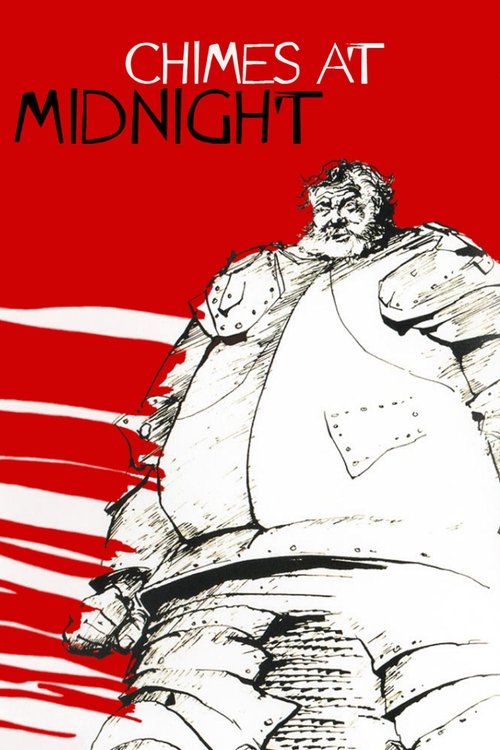
2. Chimes at Midnight
Orson Welles's profound meditation on Shakespeare's Falstaff is arguably his most personal film. He embodies the aging knight with heartbreaking vulnerability, a man of wit and warmth ultimately betrayed by his surrogate son, Prince Hal. Welles masterfully weaves together scenes from several plays, crafting a poignant elegy for a bygone era and for an innocence lost to political ambition. It’s a testament to his singular vision and an overlooked masterpiece.
3 / 8
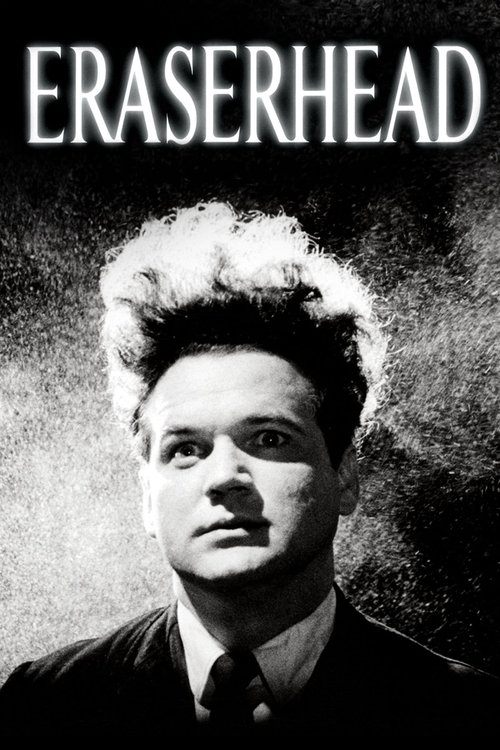
3. Eraserhead
David Lynch's debut feature is a visceral journey into urban dread and existential anxiety, a black-and-white nightmare of industrial decay and nascent parenthood. Its grotesque imagery and unsettling sound design create an immersive, almost tactile experience of psychological horror. Lynch's unique vision, already fully formed, explores themes of creation, responsibility, and the terrifying unknown with a singular, dreamlike logic that continues to haunt and fascinate.
4 / 8
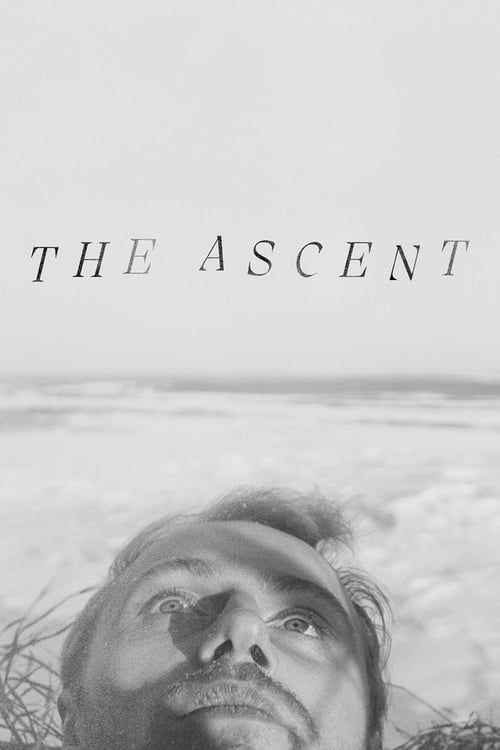
4. The Ascent
Larisa Shepitko's final, devastating film is a profound examination of human spirit under the most brutal conditions of WWII. Two Soviet partisans, captured by the Nazis, face agonizing moral choices, revealing the depths of faith, betrayal, and resilience. Shot in stark black and white, it’s an intensely personal and spiritual journey, a testament to Shepitko's uncompromising vision and her ability to find transcendent humanity amidst unimaginable suffering.
5 / 8
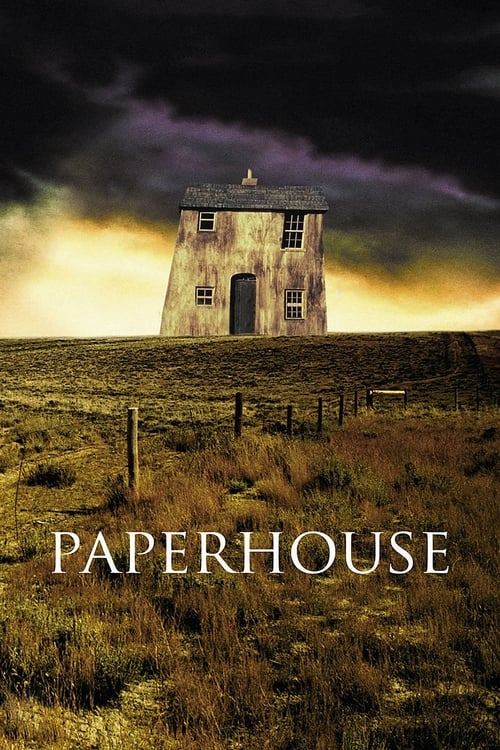
5. Paperhouse
Bernard Rose’s 'Paperhouse' delicately bridges the gap between childhood fantasy and profound psychological trauma. A young girl, afflicted by illness, draws a house that magically manifests in her dreams, offering both refuge and unsettling revelations about her anxieties. The film is a haunting exploration of imagination as a coping mechanism, rendering the inner world of a child with an elegant, often unsettling, surrealism that blurs the lines between perception and reality.
6 / 8
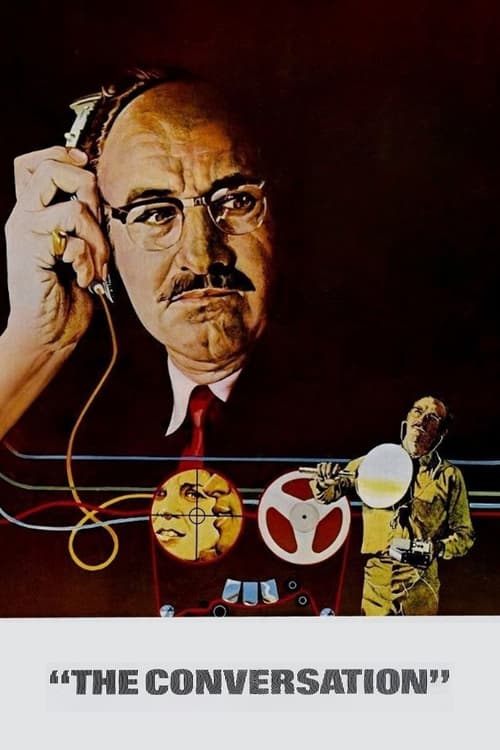
6. The Conversation
Francis Ford Coppola’s post-Watergate thriller is a masterclass in paranoia and psychological unraveling. Gene Hackman plays Harry Caul, a surveillance expert haunted by a past job, who becomes obsessed with deciphering a seemingly innocuous conversation. The film meticulously builds tension through its innovative sound design, exploring themes of guilt, voyeurism, and the erosion of privacy, anticipating many anxieties of the digital age with chilling prescience.
7 / 8
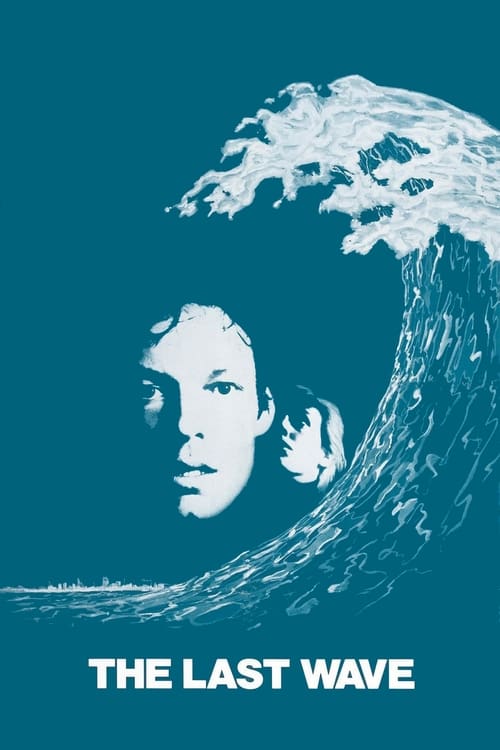
7. The Last Wave
Peter Weir's atmospheric thriller plunges a Sydney lawyer into a supernatural mystery connected to Indigenous Australian prophecy. As strange weather phenomena escalate, he unearths ancient secrets and a terrifying premonition of ecological catastrophe. Weir expertly crafts a sense of creeping dread, blending cultural anxieties with existential terror, questioning the boundaries of Western rationalism against the profound, often unsettling, spiritual wisdom of the land.
8 / 8

8. Bad Boy Bubby
Rolf de Heer’s audacious and darkly comedic film follows Bubby, a man confined and abused for 35 years, as he finally experiences the outside world. His naive, often shocking, interactions with society serve as a brutal, yet strangely poignant, commentary on human nature and the absurdity of social constructs. It’s an unflinching, experimental work that challenges perceptions of innocence, freedom, and what it truly means to be human.