

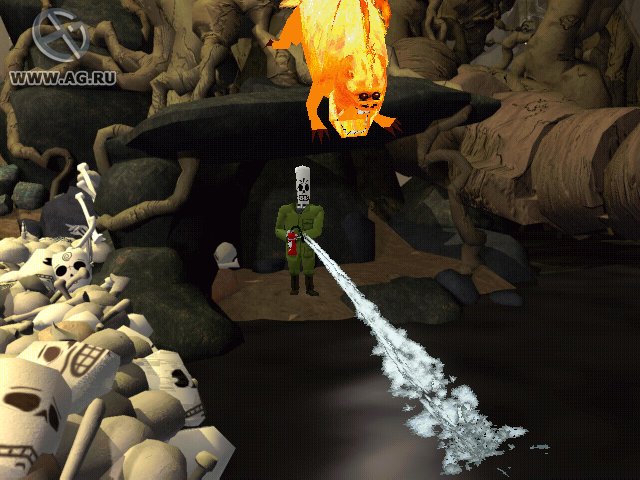
1. Grim Fandango
A unique noir adventure, this LucasArts classic presented a vibrant, skeletal underworld. Its blend of Aztec mythology and detective fiction, coupled with brilliant writing and memorable characters, set a benchmark for narrative design. The pre-rendered backgrounds and tank controls were era-specific, but the game's heart and wit remain timeless, demonstrating how strong storytelling could elevate a genre.
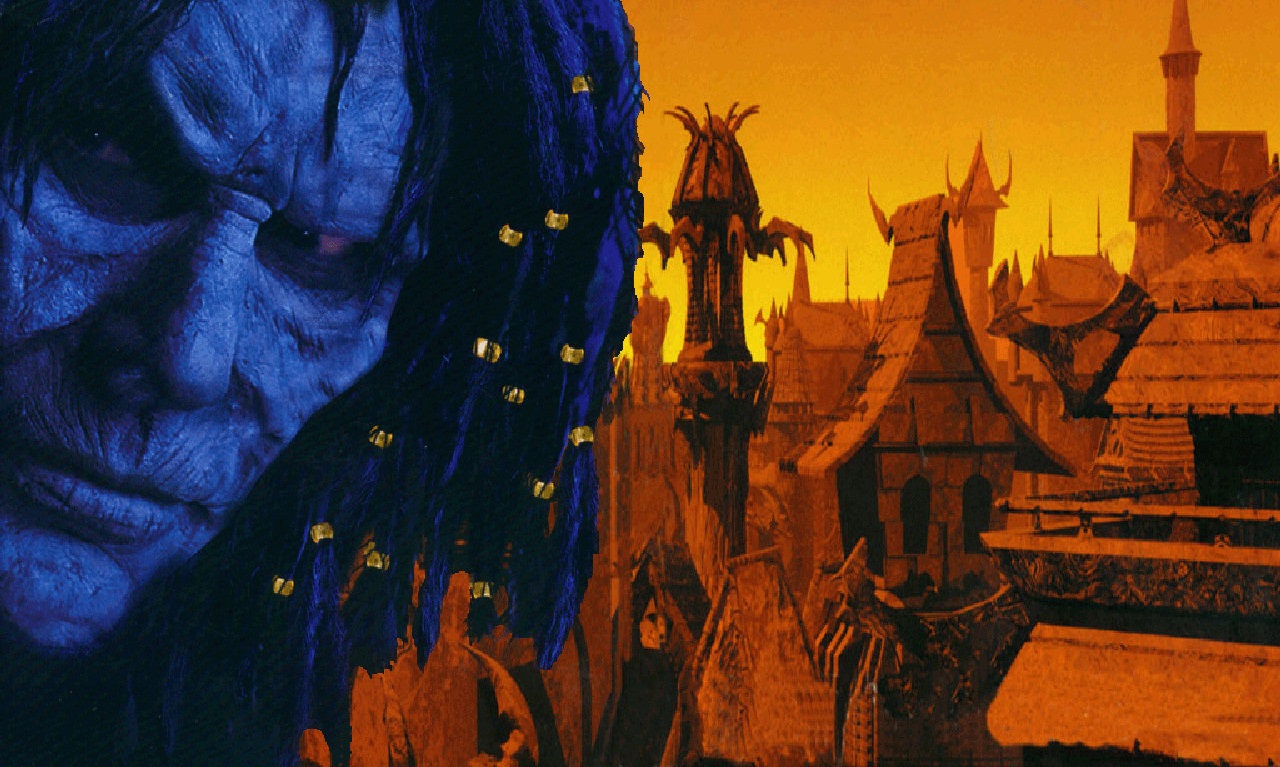
2. Planescape: Torment
This RPG redefined what narratives could achieve in games. Ditching conventional heroics, it explored philosophical questions of identity, death, and regret in a bizarre, unforgettable setting. The focus on dialogue, choice, and character interaction over combat was revolutionary, proving that complex storytelling and moral ambiguity could drive an entire experience. Its legacy echoes in thoughtful RPGs today.
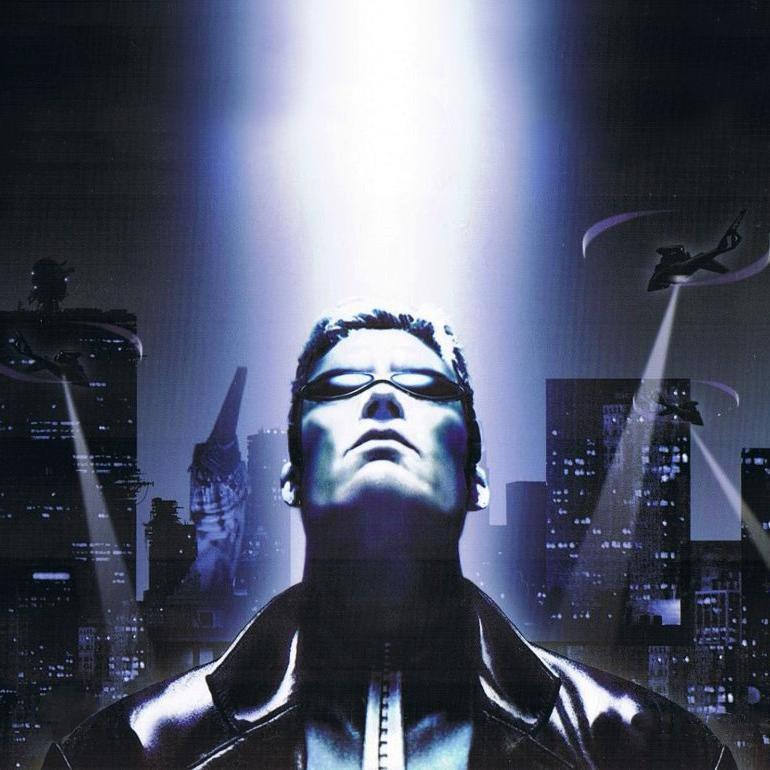
3. Deus Ex
Few games offered such unparalleled player agency. This immersive sim blended RPG depth, stealth, and first-person shooting, allowing diverse approaches to every objective. Its cyberpunk world, intricate conspiracies, and moral dilemmas felt incredibly prescient. The ability to genuinely choose your path, from pacifist hacker to gun-toting operative, showcased a design philosophy that deeply influenced subsequent titles.
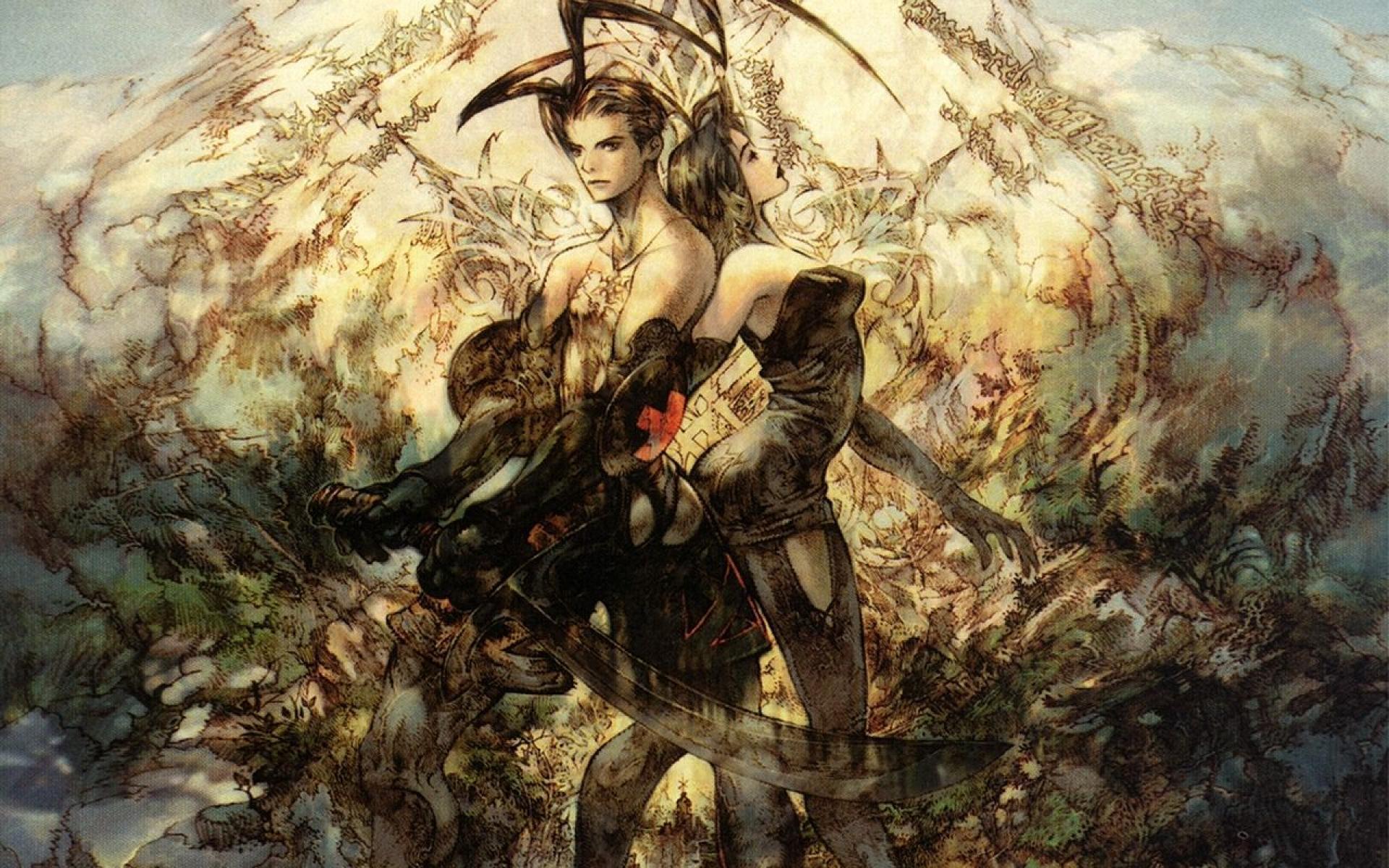
4. Vagrant Story (2000)
Square's dark, intricate action RPG stood apart with its unique chaining combat system and weapon customization. Set in the grim city of Leá Monde, it presented a mature, nuanced narrative devoid of typical JRPG tropes. The emphasis on environmental puzzles and strategic combat against specific enemy types demanded careful thought, crafting an experience both challenging and deeply rewarding for those who delved into its complexities.
5. Psychonauts
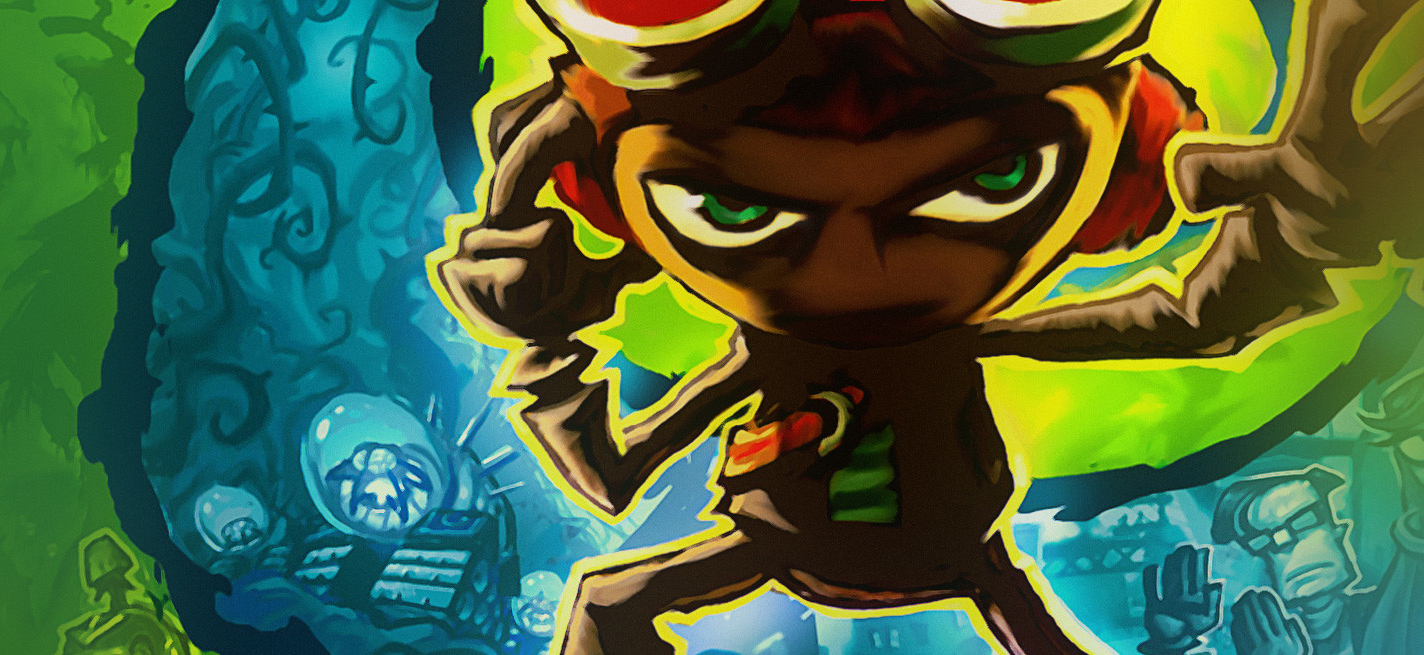
Tim Schafer's platformer took players into the literal minds of others, crafting imaginative, surreal levels reflecting mental states. Its sharp humor, heartfelt story about empathy and trauma, and inventive gameplay mechanics were ahead of their time. Though initially overlooked, its unique blend of wit and psychological depth cemented its place as a cult favorite, influencing character-driven adventures for years to come.

6. Okami
A breathtaking homage to Japanese folklore, this action-adventure game stood out with its stunning sumi-e art style and innovative Celestial Brush mechanics. Players brought life back to a cursed world, painting attacks and solving puzzles with elegant gestures. Its vibrant world, charming characters, and epic scope, combined with a unique visual identity, solidified its position as an artistic and gameplay triumph.

7. S.T.A.L.K.E.R.: Shadow of Chernobyl
This open-world FPS plunged players into the desolate, irradiated Zone surrounding Chernobyl. Blending survival horror with RPG elements, it created an oppressive, atmospheric experience where every decision mattered. Its unforgiving world, A-Life system, and pervasive sense of dread set a new standard for emergent gameplay and environmental storytelling, influencing post-apocalyptic settings ever since.
8. Alpha Protocol
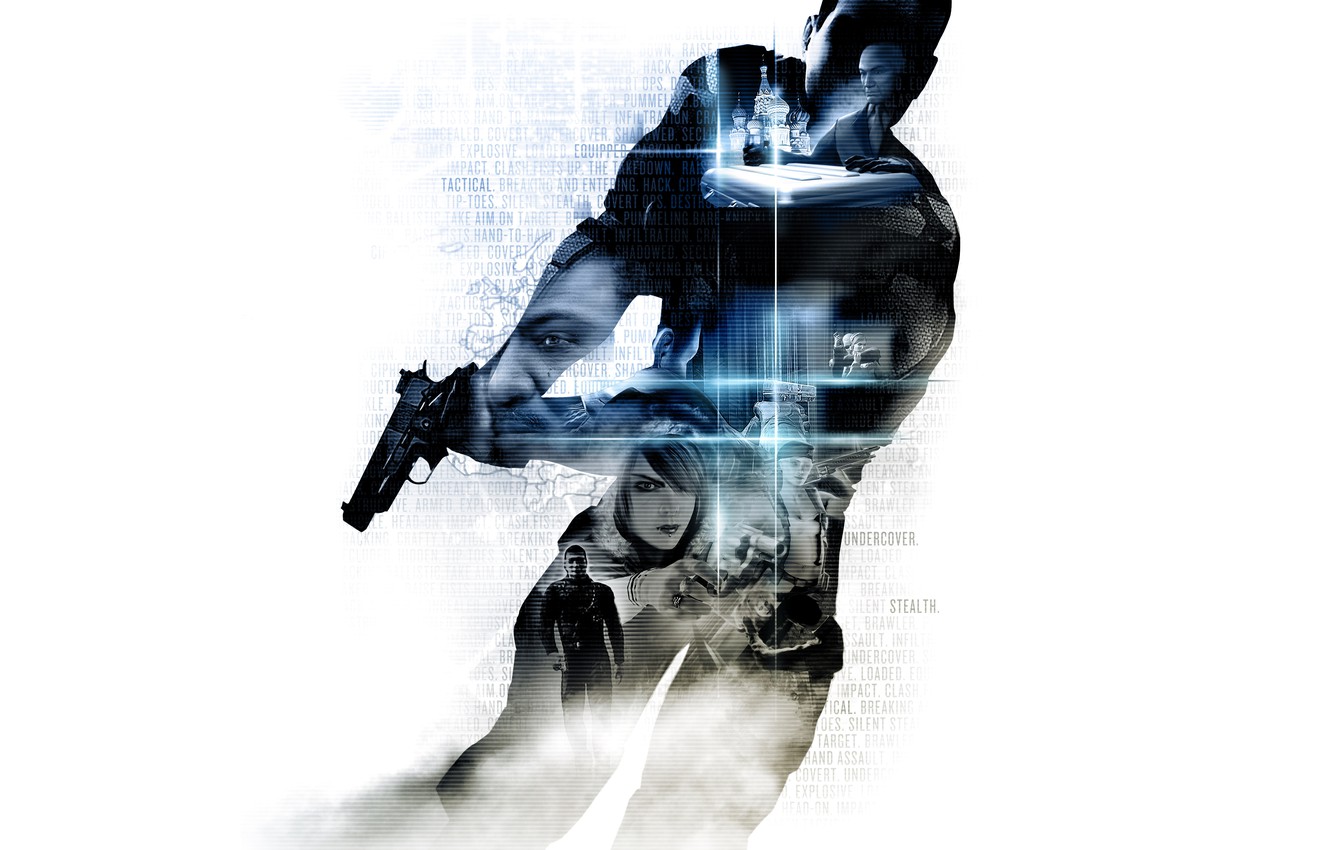
Obsidian's spy RPG was a masterclass in player choice and consequence. Every dialogue option, every mission outcome, genuinely shaped protagonist Michael Thorton's story and relationships. While mechanically rough around the edges, its commitment to narrative reactivity and a branching plot made it a unique entry in the genre, proving that player agency could truly drive a personal espionage thriller.
9. Vanquish
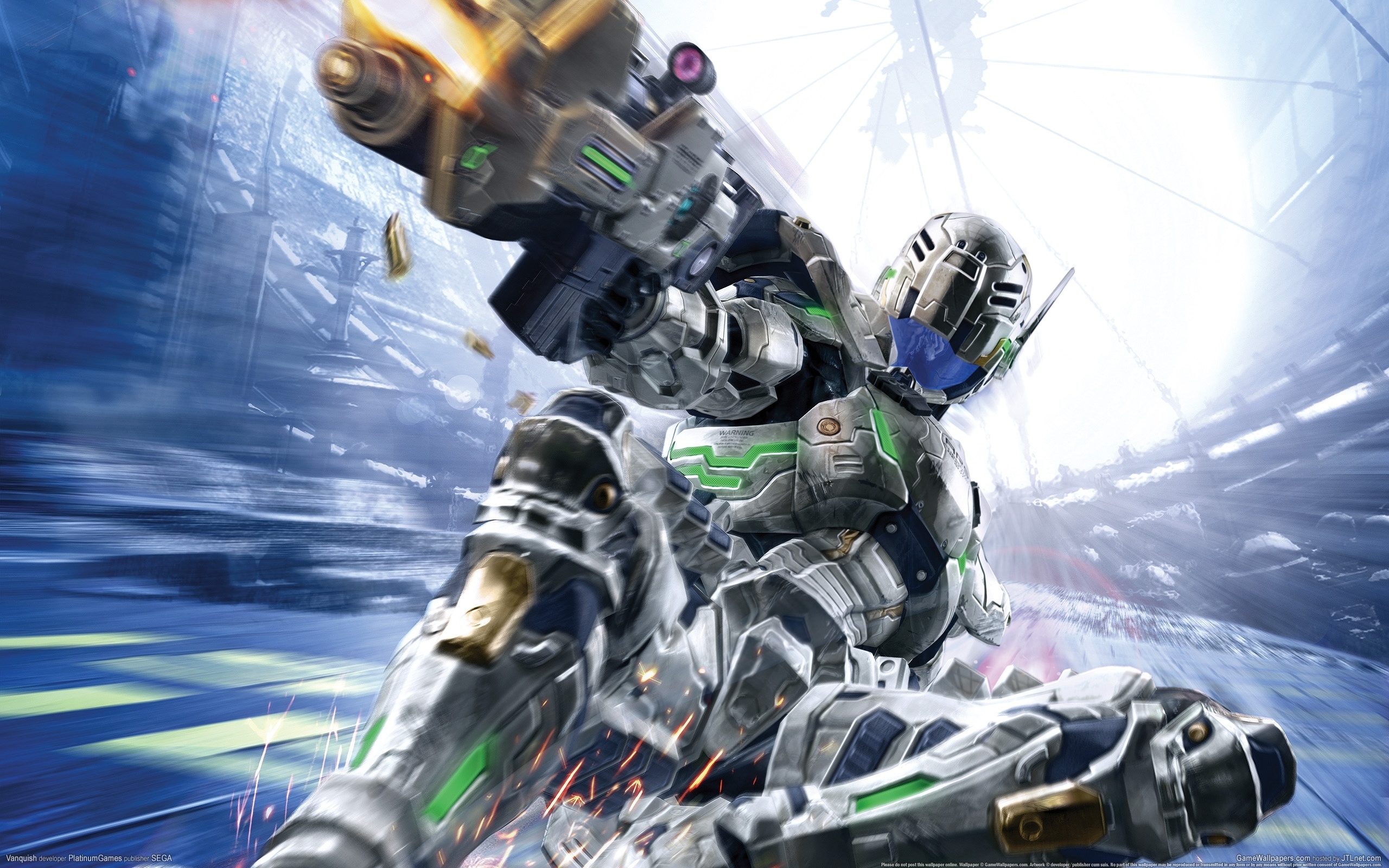
PlatinumGames delivered a masterclass in aggressive, fast-paced third-person shooting. Its groundbreaking "boost slide" mechanic and focus on hyper-mobility transformed combat into a ballet of destruction. The sheer kinetic energy, stylish action, and unique cover-system twist made every encounter exhilarating. It pushed the boundaries of shooter design, influencing subsequent titles seeking high-octane, fluid combat.
10. Prey
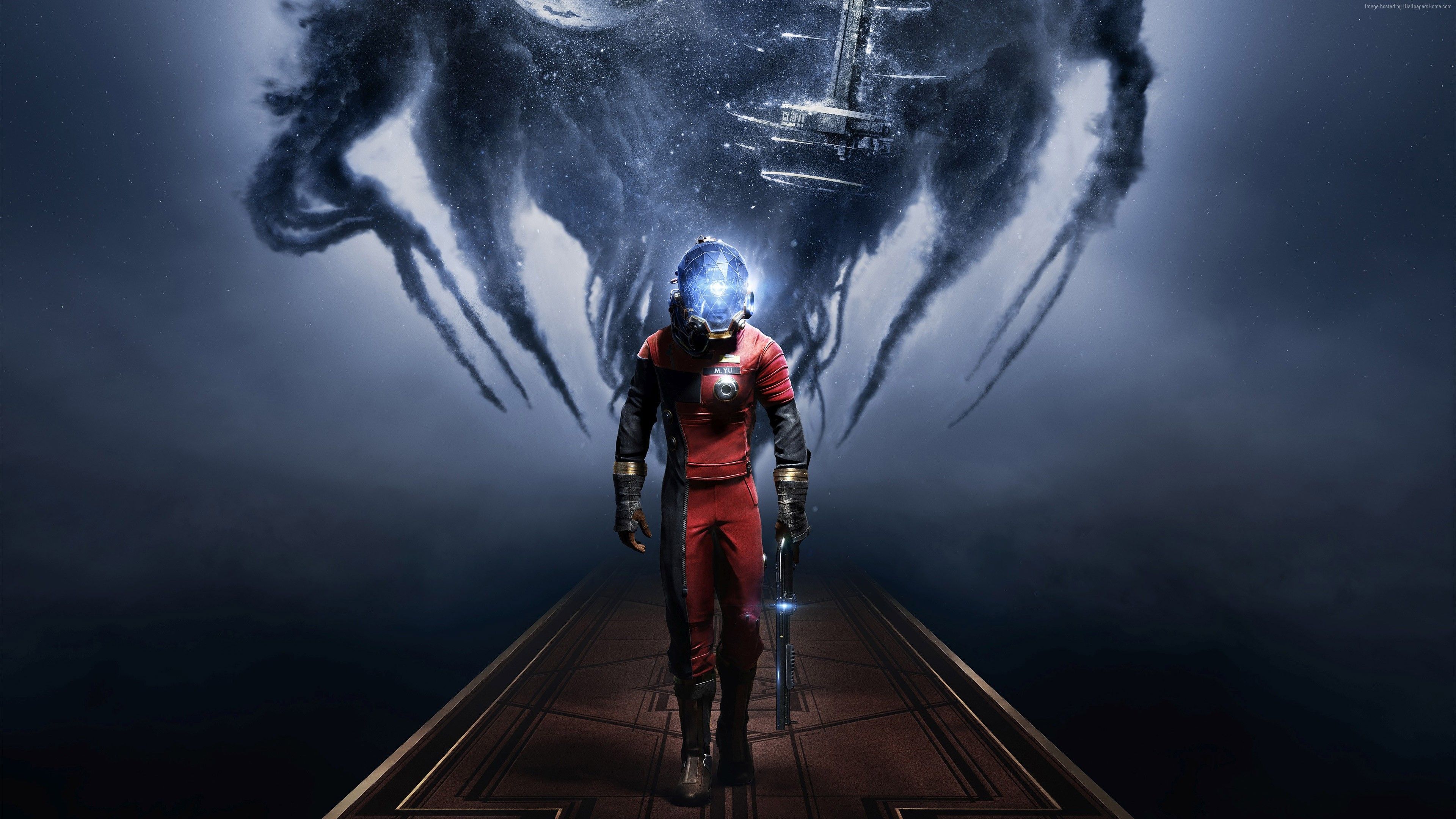
Arkane Studios crafted a phenomenal immersive sim that paid homage to its spiritual predecessors while forging its own identity. Trapped aboard the Talos I space station, players navigated a hostile environment filled with shapeshifting aliens. Its intricate level design, flexible powers, and open-ended problem-solving encouraged experimentation, creating a dense, atmospheric sci-fi thriller that rewarded player ingenuity and exploration.