

1 / 7
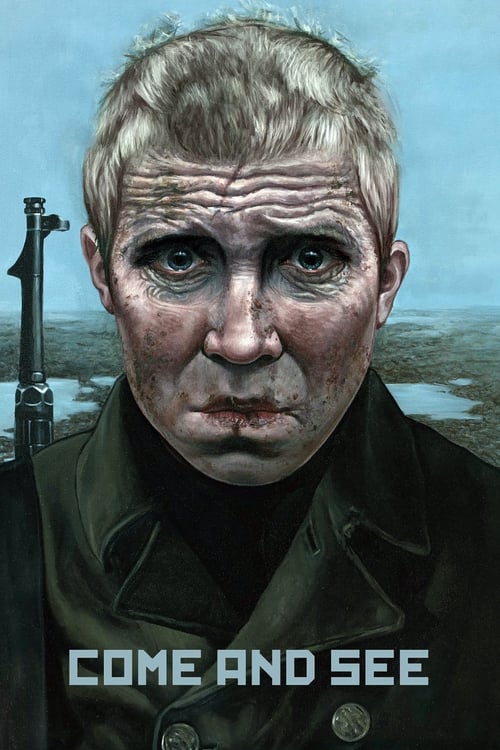
1. Come and See
Elem Klimov's harrowing depiction of World War II's Eastern Front offers an unflinching, almost hallucinatory journey through the eyes of a young partisan. It’s a relentless, visceral experience that transcends typical war film narratives, laying bare the psychological and physical devastation inflicted upon civilians. The film's sound design and surreal imagery create an atmosphere of pure terror, etching itself into the viewer's memory as a potent anti-war statement. It certainly isn't for the faint of heart, but its power is undeniable.
2 / 7
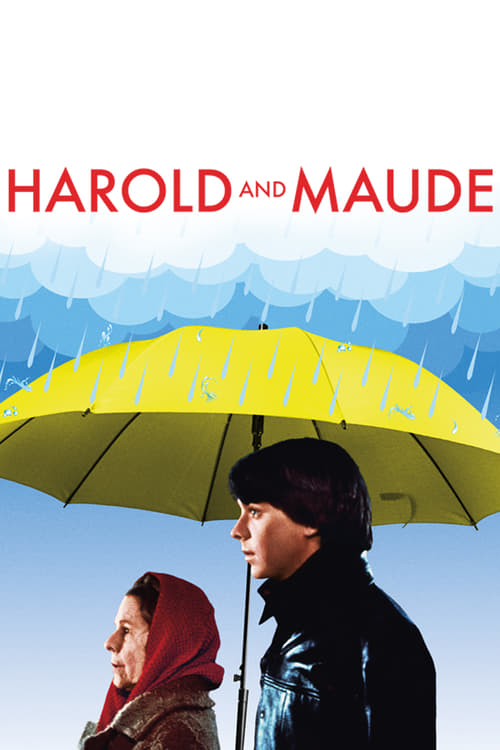
2. Harold and Maude
Hal Ashby's darkly comedic romance between a death-obsessed young man and a life-affirming octogenarian remains a cult classic for its subversive charm. It playfully skewers societal norms around age, love, and mortality, celebrating individuality and the pursuit of joy against all odds. Cat Stevens' iconic soundtrack perfectly underscores its whimsical yet profound meditation on finding connection in unexpected places. This film is a testament to unconventional storytelling and finding beauty in the macabre.
3 / 7
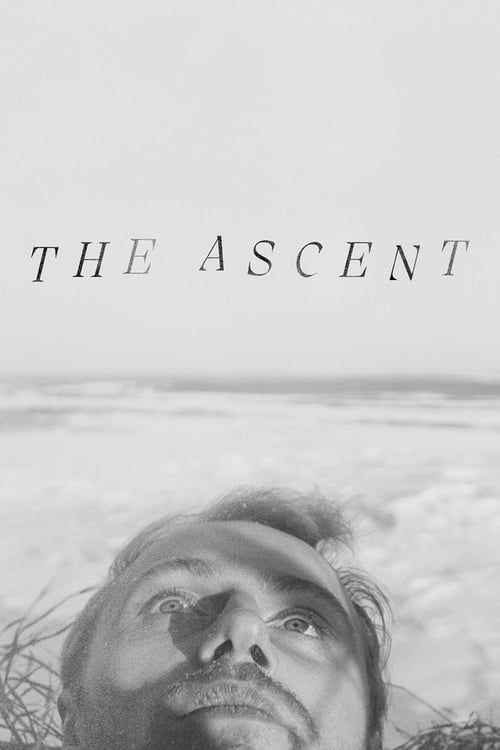
3. The Ascent
Larisa Shepitko's final masterpiece, a stark and profound Soviet war drama, follows two partisan soldiers captured during World War II. Shot in brutal black and white against a frozen landscape, it's a deeply spiritual and philosophical exploration of faith, betrayal, and human dignity in the face of unspeakable cruelty. Shepitko's direction is unflinching, crafting a powerful allegory for moral choice under duress, culminating in one of cinema's most potent portrayals of sacrifice.
4 / 7
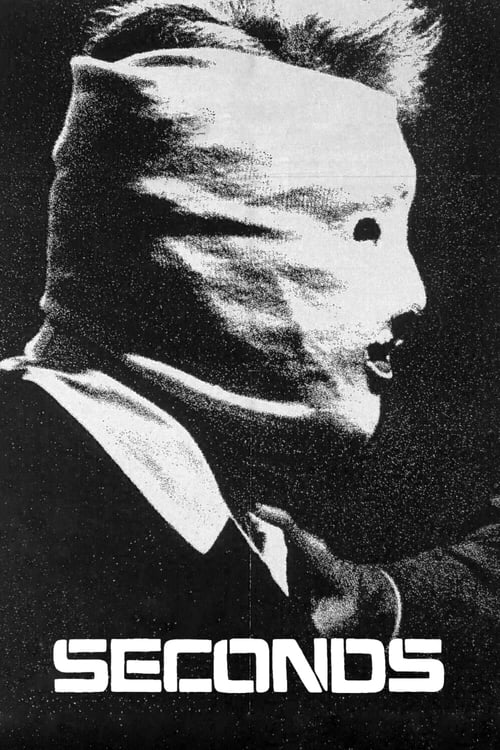
4. Seconds
John Frankenheimer's unsettling sci-fi thriller delves into a man's desperate attempt to escape his mundane life through a clandestine procedure offering a new identity. Rock Hudson delivers a chilling performance, navigating a world where identity is a commodity and existential dread lurks beneath a veneer of perfection. The film's stark cinematography and nightmarish atmosphere critique consumerism and conformity, foreshadowing anxieties about privacy and corporate control that resonate even more today. It's a truly chilling descent.
5 / 7
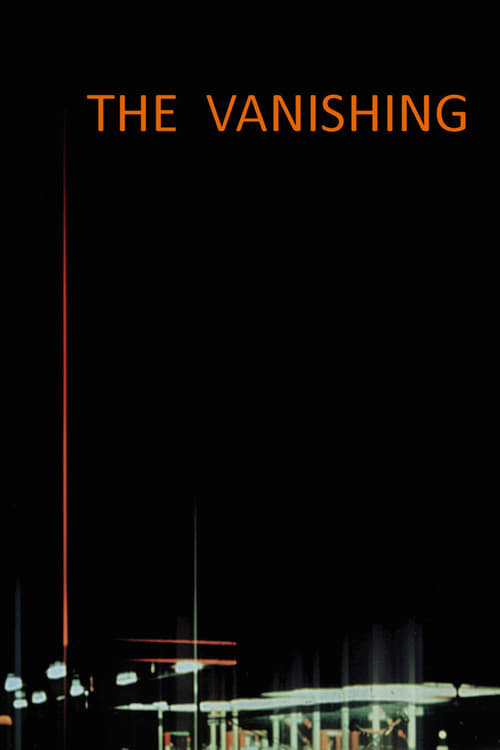
5. The Vanishing
George Sluizer's original Dutch-French thriller is a masterclass in suspense, building unbearable tension not through jump scares, but through an obsessive quest for truth. A man's girlfriend vanishes without a trace, sending him on a years-long journey to understand her fate, even if it means confronting unimaginable horror. The film meticulously explores the psychological toll of uncertainty, culminating in one of cinema's most disturbing and unforgettable endings. It’s a pure, unadulterated slow-burn of dread.
6 / 7
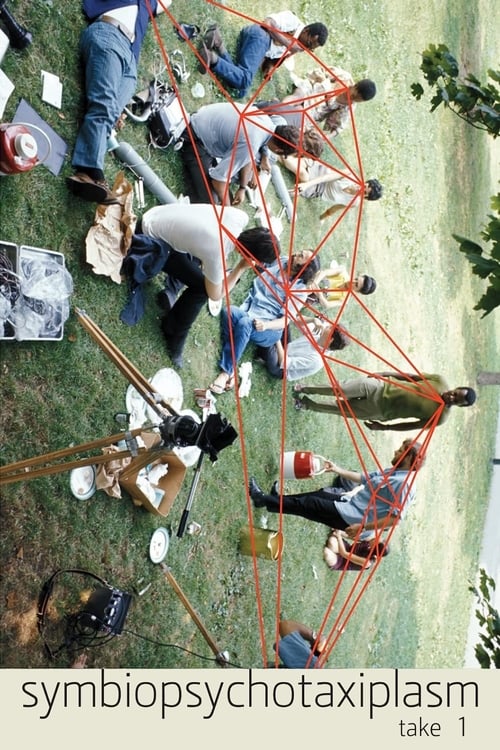
6. Symbiopsychotaxiplasm: Take One
William Greaves' groundbreaking experimental documentary is a dizzying, self-reflexive exploration of filmmaking itself. Greaves films actors rehearsing a scene, while simultaneously filming the crew, and also filming *himself* directing. This multi-layered approach deconstructs the filmmaking process, questioning authorship, reality, and the power dynamics within artistic creation. It's a playful yet profound meta-commentary, challenging viewers to reconsider what constitutes a documentary and how stories are shaped. A truly unique cinematic artifact.
7 / 7
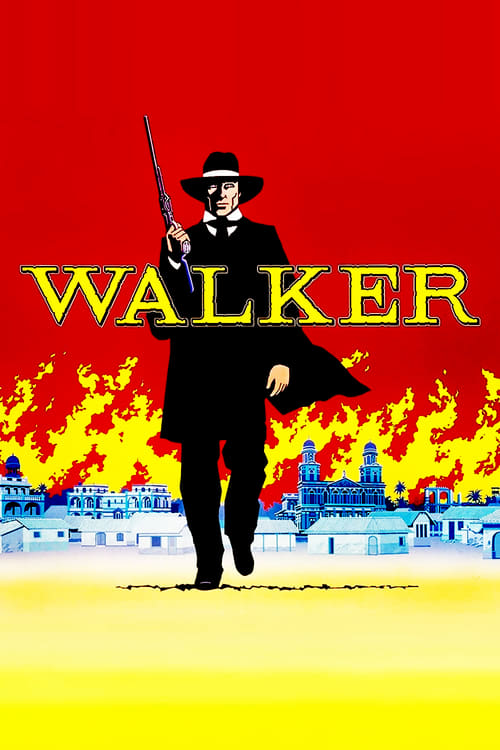
7. Walker
Alex Cox's audacious historical drama reinterprets the true story of William Walker, a 19th-century American mercenary who became president of Nicaragua. Blending historical fact with anachronistic elements – like helicopters and contemporary newspapers – Cox crafts a biting satire of American interventionism and imperialistic hubris. Ed Harris embodies Walker's deluded ambition, while the film's punk rock sensibility and critical stance remain as relevant as ever, offering a powerful, albeit unconventional, political statement.