

1 / 8
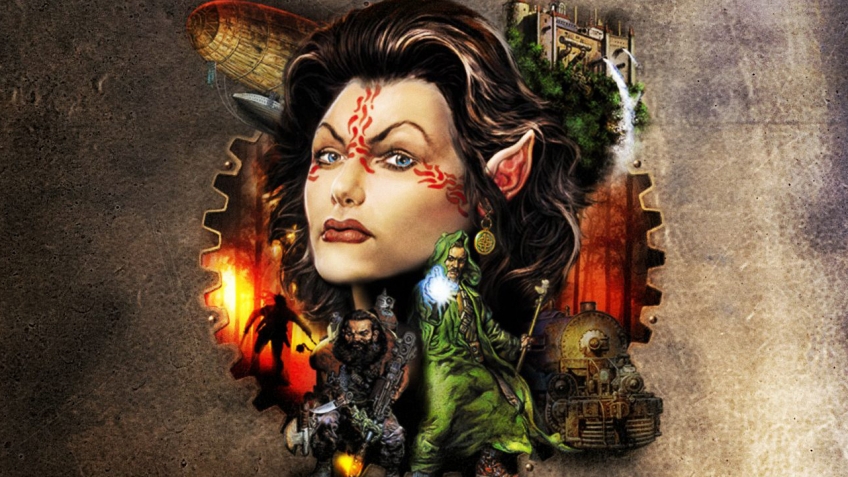
1. Arcanum: Of Steamworks and Magick Obscura
Troika Games, even in its early days, built worlds unlike any other. Arcanum, a sprawling isometric RPG, plunged players into a fascinating clash of magic and burgeoning technology. It was ambitious, buggy, and often unwieldy, yet its character freedom, deep role-playing choices, and rich, steampunk-infused fantasy setting created an experience that has resonated with fans for decades. Truly, few games dared to be so complex and open-ended.
2 / 8
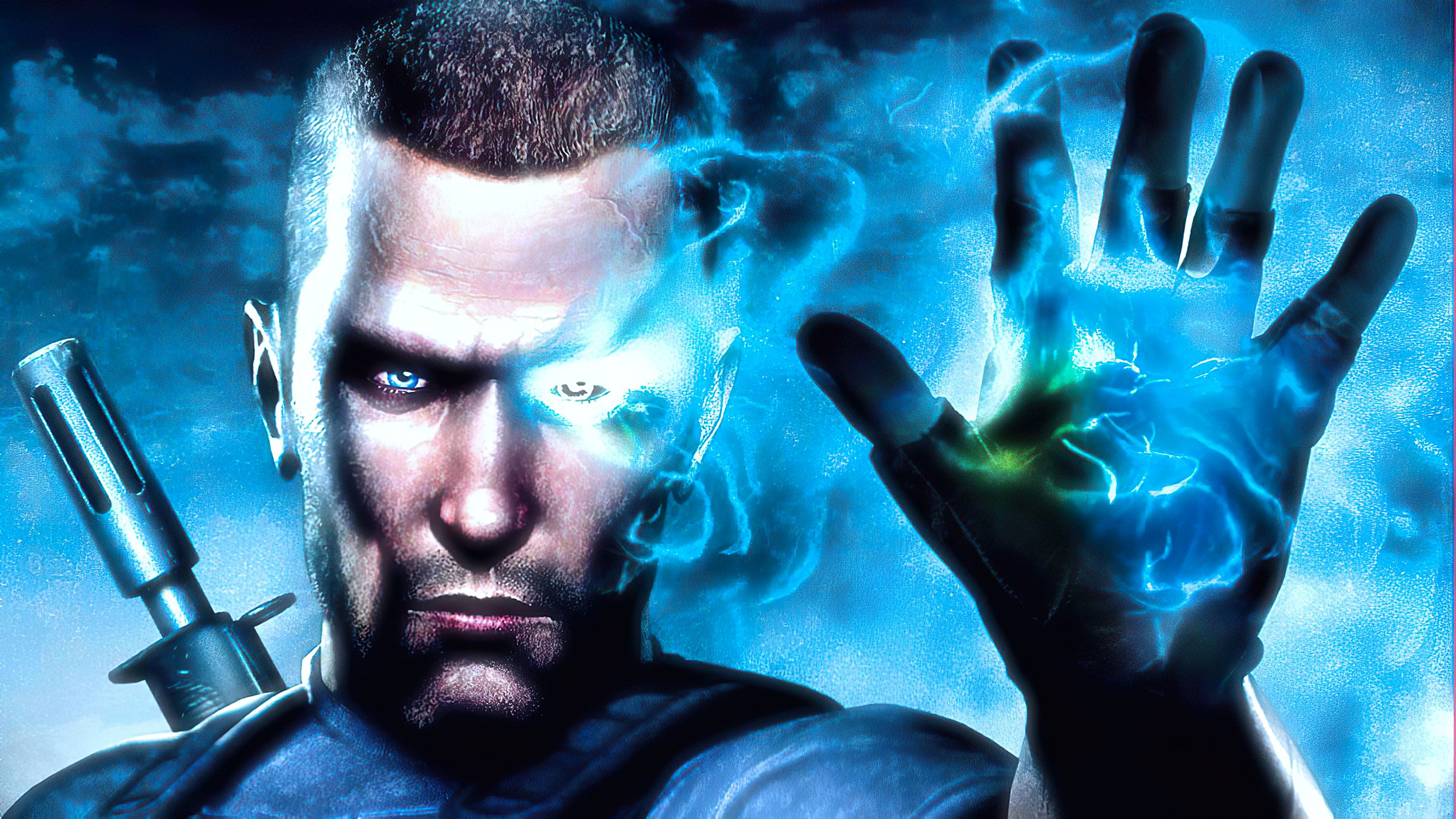
2. Psi-Ops: The Mindgate Conspiracy
Back on the PlayStation 2 and original Xbox, Psi-Ops offered a refreshing take on the third-person shooter. It wasn't just about bullets; it was about telekinesis, mind control, and pyrokinesis, allowing players to manipulate the environment and enemies with astonishing creativity. The physics engine was a revelation, turning every encounter into a sandbox of psychic mayhem. It felt like a precursor to games that would arrive years later.
3 / 8

3. Freedom Fighters
IO Interactive, known for Hitman, delivered a surprisingly poignant and action-packed alternate history shooter with Freedom Fighters. Imagine the Soviets invading New York, and you're leading a small band of resistance fighters. The squad mechanics were intuitive, the urban warfare intense, and the sense of escalating rebellion was palpable. It's a game that captured the grim determination of fighting for your home.
4 / 8
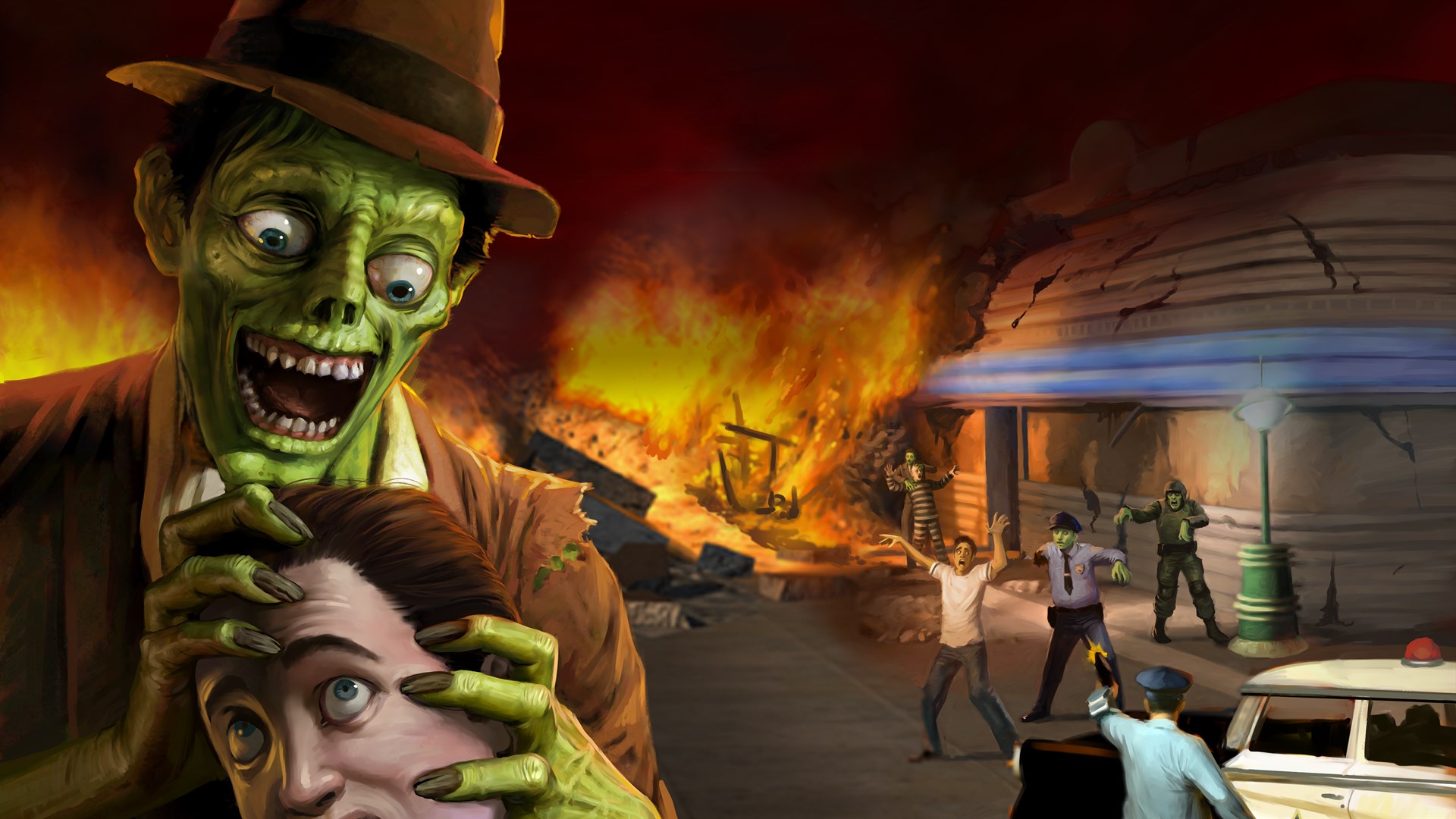
4. Stubbs the Zombie in Rebel Without a Pulse
Playing as the undead protagonist, Stubbs, in this original Xbox gem was a darkly comedic delight. Instead of fighting zombies, you *were* the zombie, converting humans to your horde and wreaking havoc in a retro-futuristic 1950s town. Its unique premise, gross-out humor, and surprisingly engaging gameplay loop of growing your zombie army made it a memorable, if niche, experience.
5 / 8
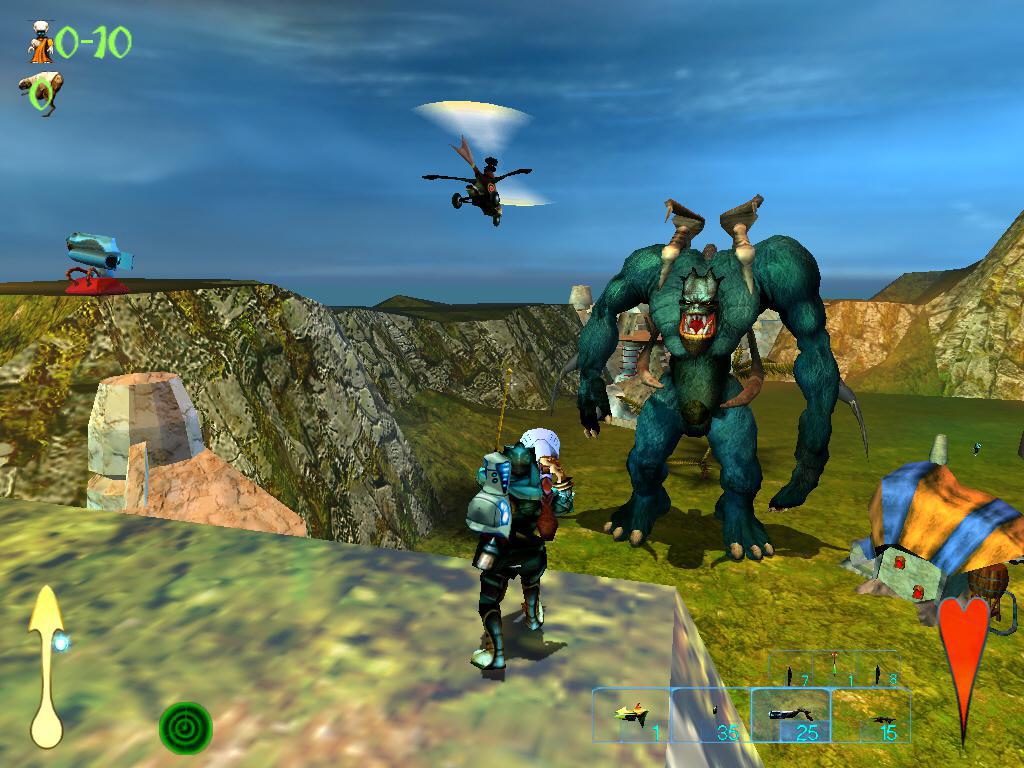
5. Giants: Citizen Kabuto
Where else could you play as a giant, rock-flinging monster, a jetpack-wearing commando, or a spell-casting sea nymph in one game? Giants: Citizen Kabuto was a brilliantly eccentric blend of third-person action, RTS, and pure irreverent humor. Its distinctive art style, massive scale, and genuinely funny dialogue made it an unforgettable, genre-defying adventure that truly stood apart.
6 / 8
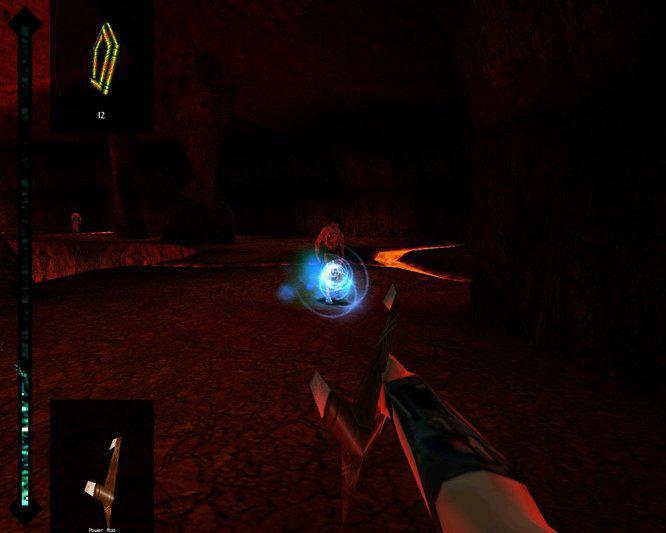
6. Omikron: The Nomad Soul
David Bowie collaborating on a cyberpunk adventure game from Quantic Dream? Omikron was an ambitious, albeit clunky, genre-hopping spectacle. It blended first-person exploration, third-person combat, and even fighting game mechanics within a sprawling, dystopian narrative. Despite its rough edges, its surreal atmosphere and unique vision, amplified by Bowie's musical and vocal contributions, left a lasting impression.
7 / 8
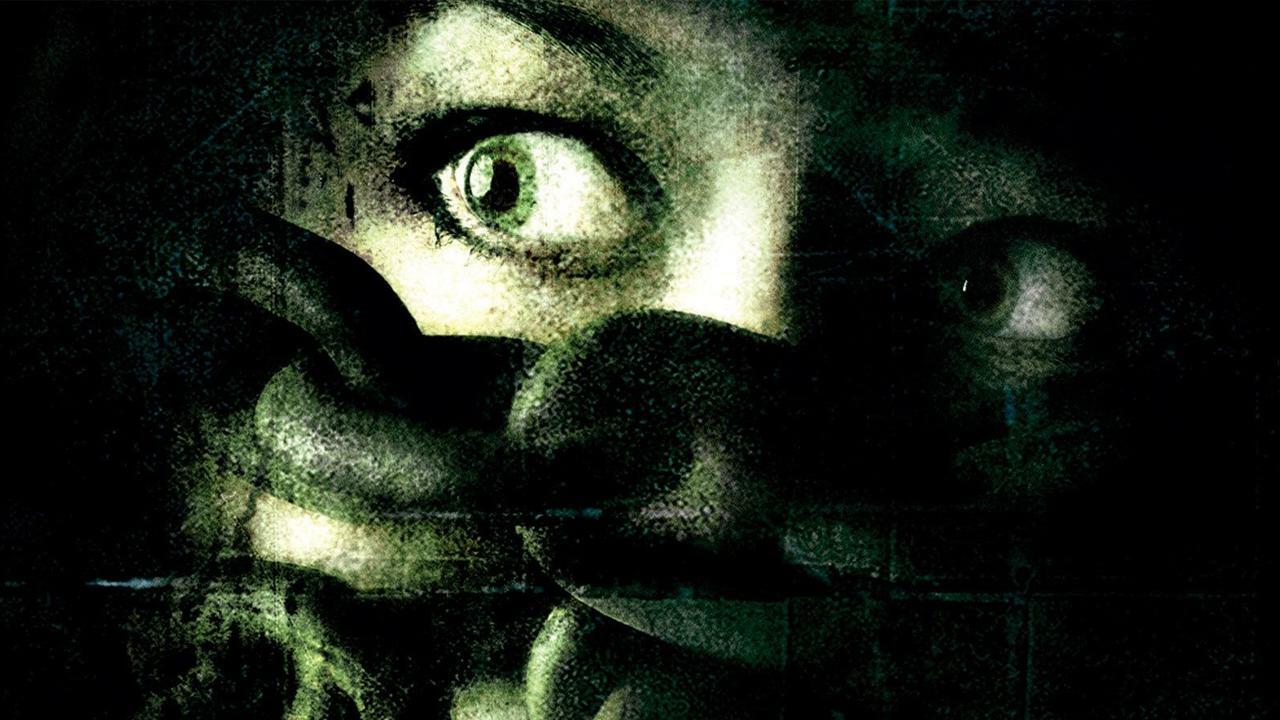
7. Condemned: Criminal Origins
A launch title for the Xbox 360, Condemned delivered psychological horror with a brutal, visceral edge. Its first-person melee combat was agonizingly impactful, making every encounter a desperate fight for survival. Coupled with unsettling crime scene investigations and a relentless, grimy atmosphere, it created a sense of dread that few games managed to replicate. It was truly disturbing, in the best way.
8 / 8
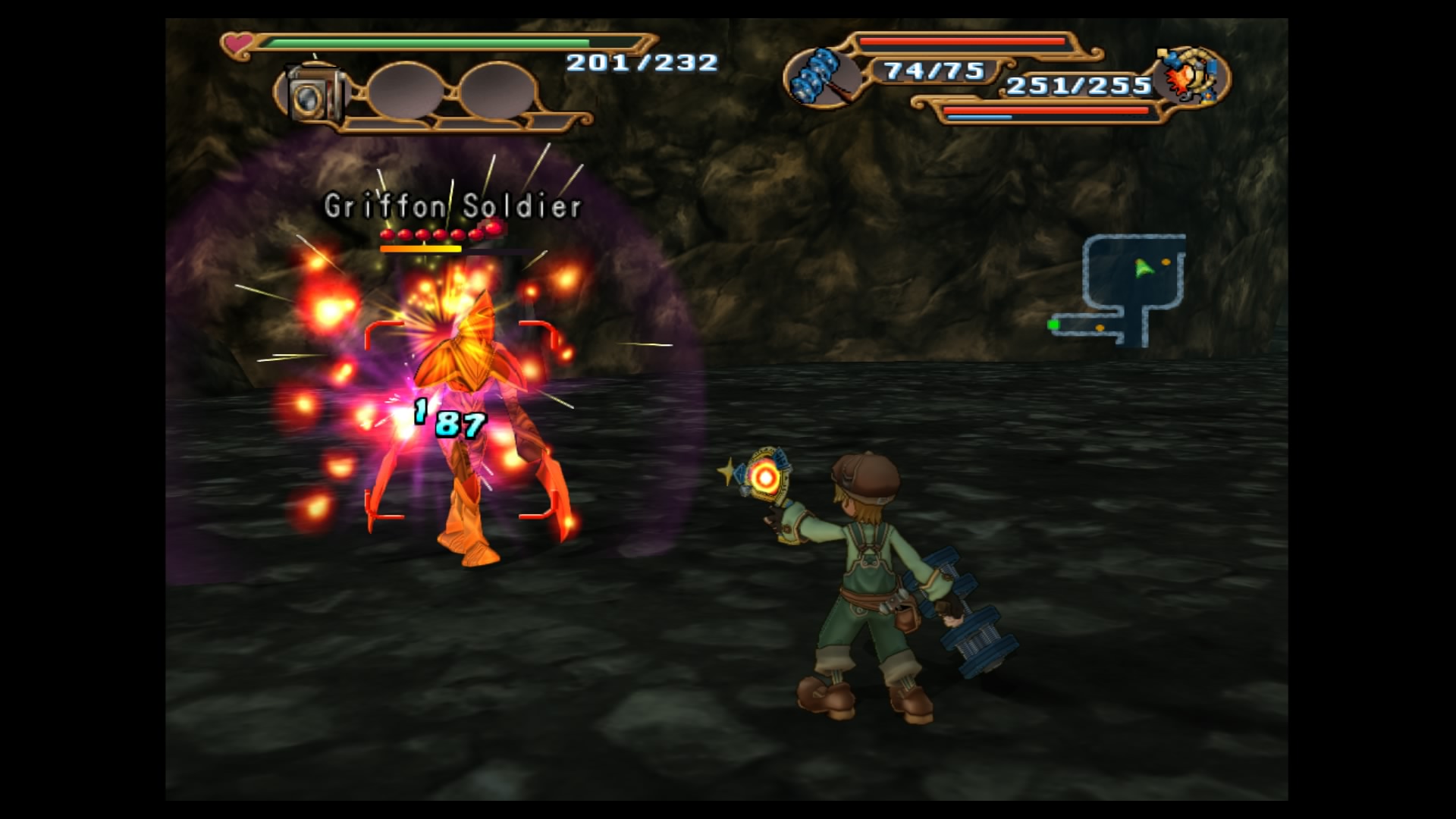
8. Dark Cloud 2
Level-5's PlayStation 2 JRPG, known as Dark Chronicle elsewhere, was a vibrant, cell-shaded masterpiece. Beyond its charming visuals and engaging dungeon crawling, its Georama system allowed players to rebuild towns, influencing the future world state. The deep weapon customization and inventive gameplay loops made it a wonderfully unique and often overlooked entry in the genre. It offered so much more than typical JRPGs.