

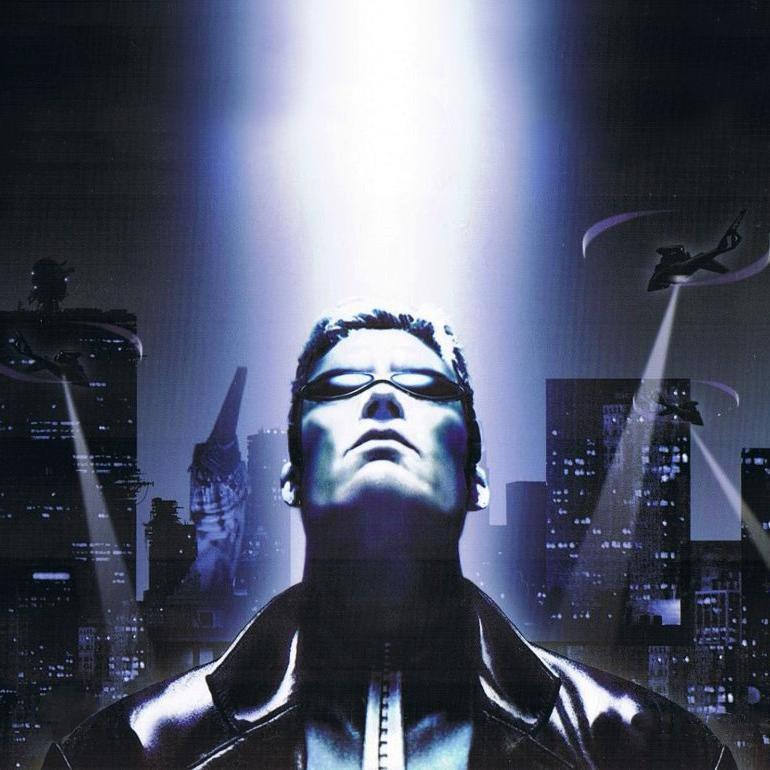
1. Deus Ex
Deus Ex, released in 2000, didn't just offer choices; it made them *matter*. Its intricate web of conspiracies, corporate control, and bio-engineered humans painted a grim picture of a future where privacy was currency and power was absolute. We were too busy enjoying the freedom to choose our path – stealth or combat, hacker or gun-toting hero – to fully grasp its unsettling parallels to the burgeoning surveillance state and technological divides that would define the 21st century. It was a warning, subtly delivered.

2. BioShock
Rapture was a city built on an ideal, a submerged monument to radical individualism, and its inevitable collapse was a stark object lesson. BioShock explored the destructive end-game of unchecked ideologies, the seductive nature of control, and the illusion of free will. It showed us how grand visions, untethered from human empathy, can breed monstrosity. Yet, we admired its art deco beauty and thrilling narrative twists, perhaps missing the deeper commentary on where societal dogmatism can lead, a theme increasingly relevant today.

3. Papers, Please
This seemingly simple document-checking simulator laid bare the soul-crushing reality of bureaucracy and the impossible moral dilemmas faced at political borders. Papers, Please forced players into the role of a gatekeeper, making life-or-death decisions under oppressive state scrutiny, often with heartbreaking personal consequences. It was a bleak, minimalist experience that quietly foreshadowed escalating global immigration crises and the dehumanizing grind of systems designed to control rather than care. We played, we felt the weight, but did we truly internalize its quiet, chilling prediction?
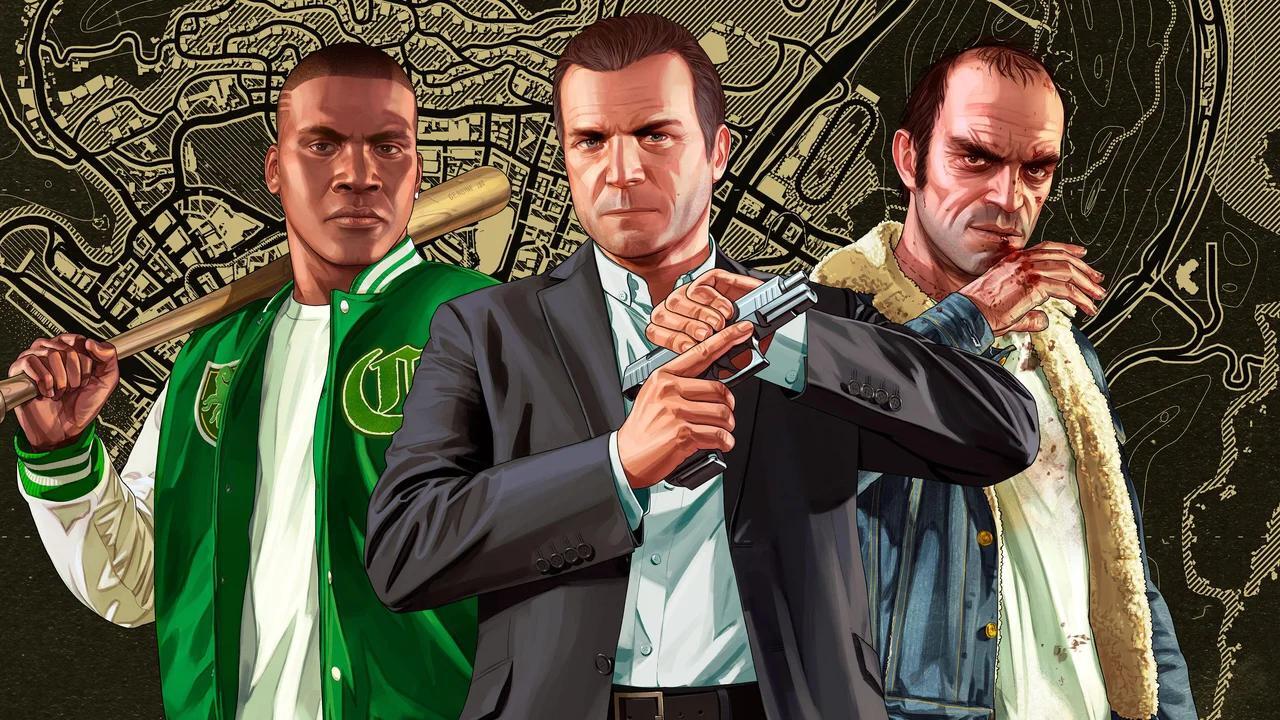
4. Grand Theft Auto V
Grand Theft Auto V offered a sprawling, chaotic mirror to modern America, a hyper-saturated satire of consumerism, celebrity obsession, and political absurdity. Its biting commentary on wealth disparity, social media addiction, and the vapid pursuit of fame felt exaggerated then, but disturbingly prescient now. Los Santos, with its opportunistic tech moguls and vacuous influencers, wasn't just a playground for mayhem; it was a crystal ball showing us the cultural landscape we'd soon inhabit, amplified and normalized. We just saw the explosions.

5. Metal Gear Solid 2: Sons of Liberty
Metal Gear Solid 2 was a prophetic, bewildering ride into the future of information warfare and societal control. It predicted a world drowning in curated data, where objective truth was irrelevant, and digital "memes" — not just internet jokes, but ideas themselves — could be manipulated to shape reality. The Patriots' algorithmic control and the game's meta-narrative about player agency felt like sci-fi at the time. Yet, it eerily foretold our current post-truth landscape, awash in misinformation and the quiet erosion of genuine discourse.

6. Fallout: New Vegas
New Vegas wasn't just another post-apocalyptic romp; it was a masterclass in nuanced factionalism and the messy business of rebuilding society. It presented a world where survival hinged on complex ideological choices, where no single faction was truly "good" or "evil," only different visions for the future. The game skillfully explored political tribalism, resource wars, and the compromises necessary to forge a new world. We reveled in its open-ended freedom, but perhaps overlooked how accurately it depicted the intractable ideological divides that would plague our own future.