
1. DOOM (2016)
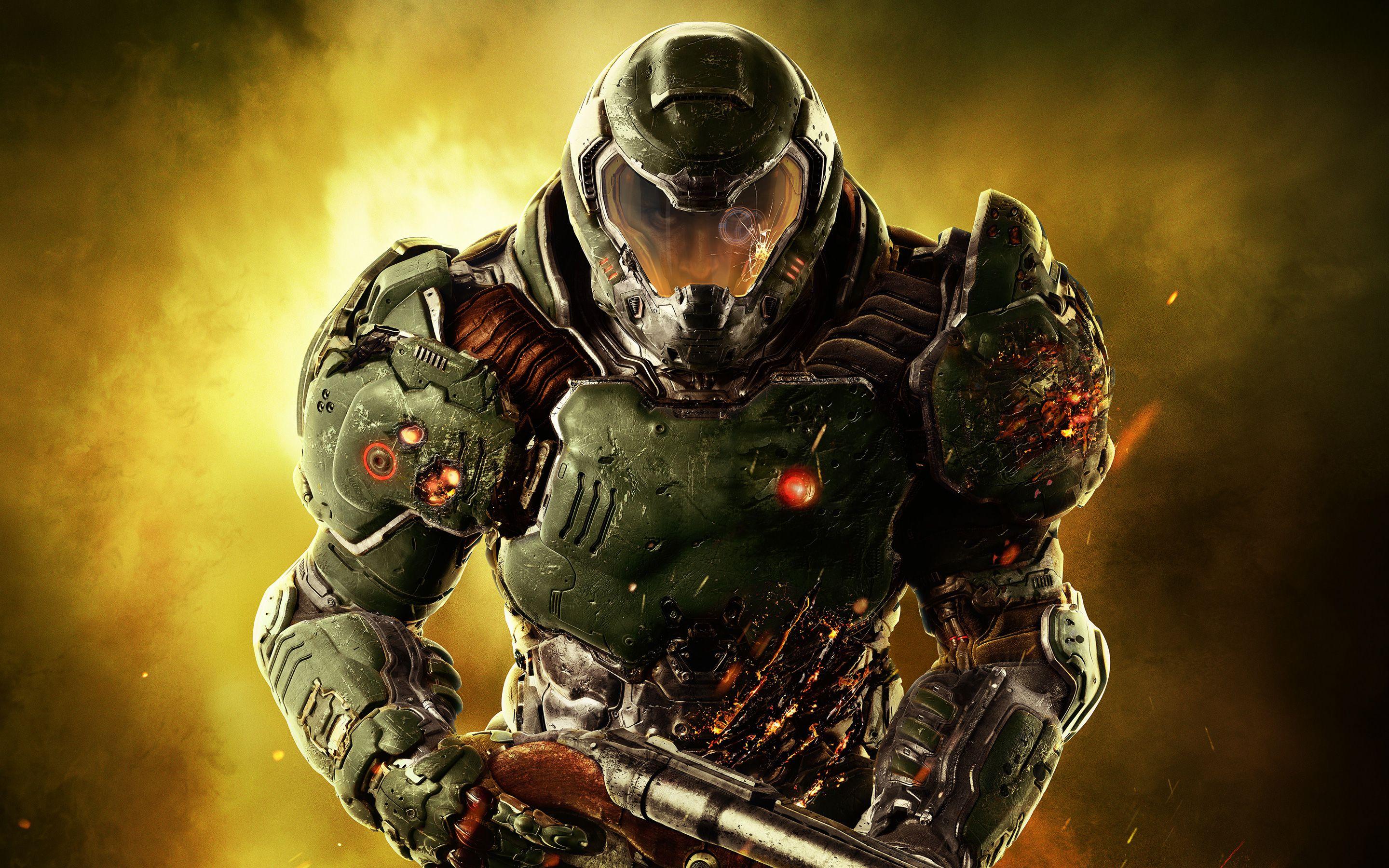
When DOOM (2016) arrived, it wasn't just a reboot; it was a defiant roar, a masterclass in re-establishing an icon. It understood the core of what made DOOM, well, DOOM: relentless aggression, visceral combat, and a soundtrack that fueled the frenzy. The game didn't apologize for its brutal efficiency; it reveled in it, reminding everyone that sometimes, the simplest, most primal instincts make for the most compelling experiences. It confidently declared its place in the pantheon of shooters from the moment you ripped that first demon in half.
2. The Legend of Zelda: Ocarina of Time
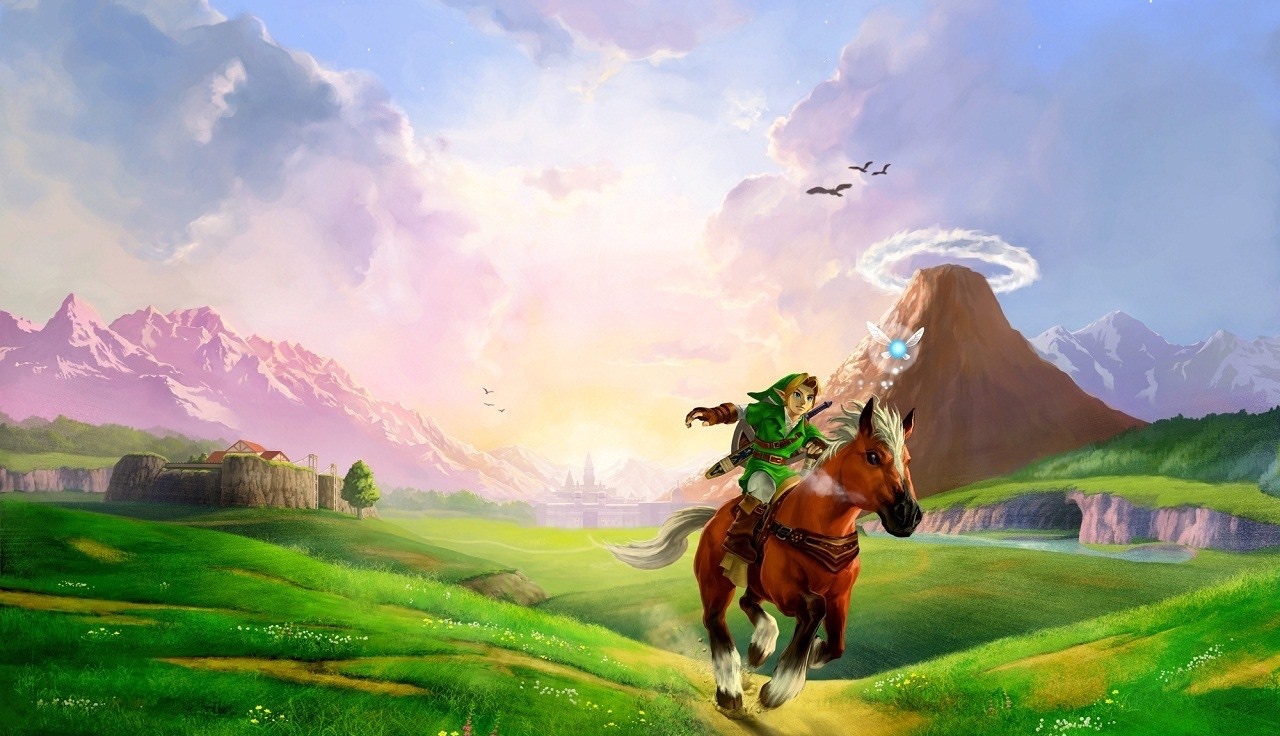
Stepping into Hyrule in 3D for the first time with Ocarina of Time was a revelation. It wasn't just a technical leap; it was a narrative and atmospheric triumph that redefined what an adventure could be. The game’s sense of scale, its poignant story of growing up, and its innovative targeting system set benchmarks. It felt monumental, a history book entry in the making, shaping the very language of 3D action-adventure games for decades to come, immediately cementing its legendary status.
3. Half-Life
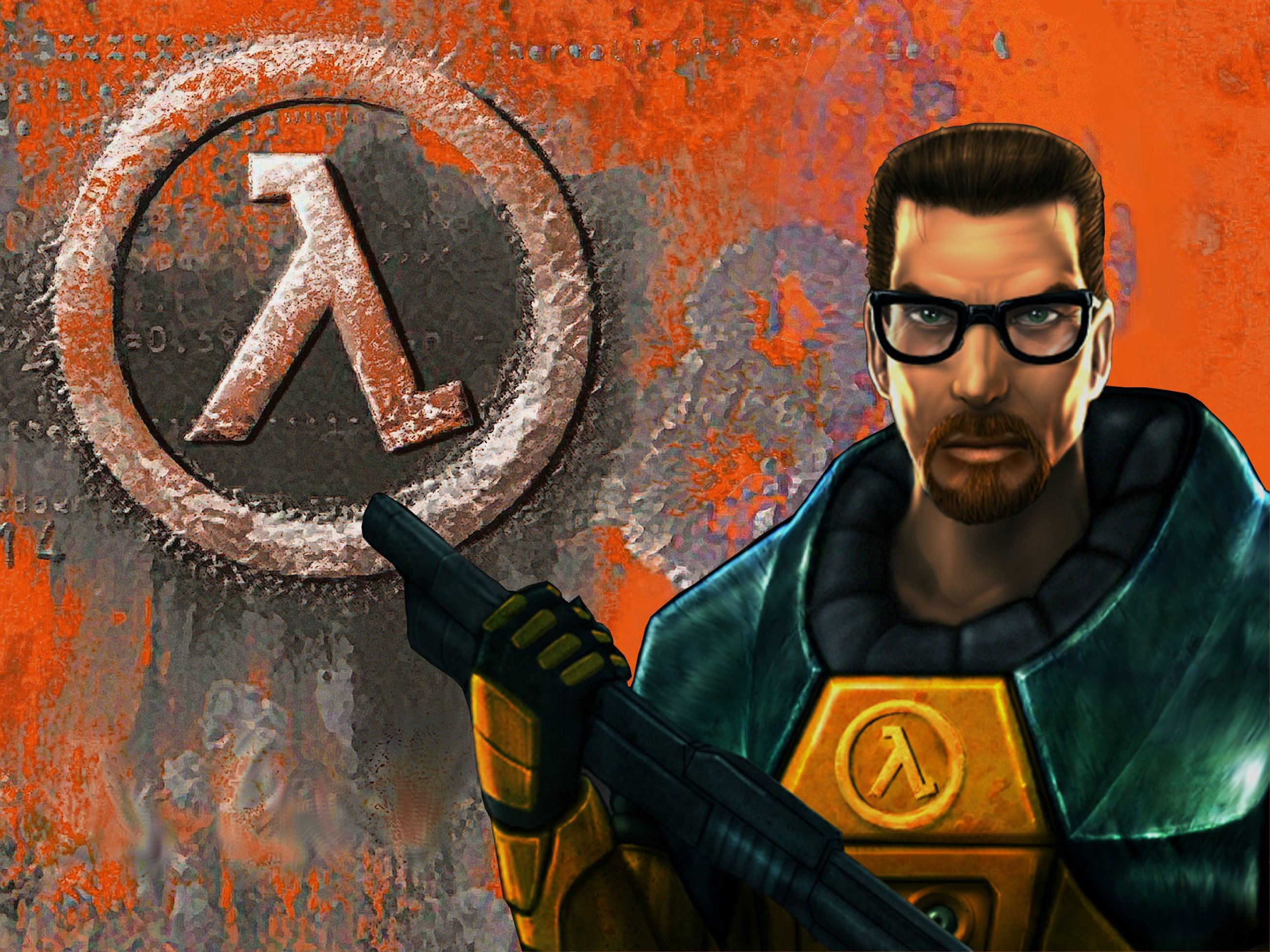
Half-Life didn't just present a game; it presented an experience. Right from the tram ride into Black Mesa, it eschewed traditional cutscenes, immersing players directly into its unfolding disaster. Its innovative environmental storytelling, combined with a sense of isolation and constant threat, redefined the first-person shooter genre. It proved that shooters could possess narrative depth and player agency without sacrificing action. This was a game that knew it was rewriting the rules from its very first unsettling moments.
4. Grand Theft Auto III
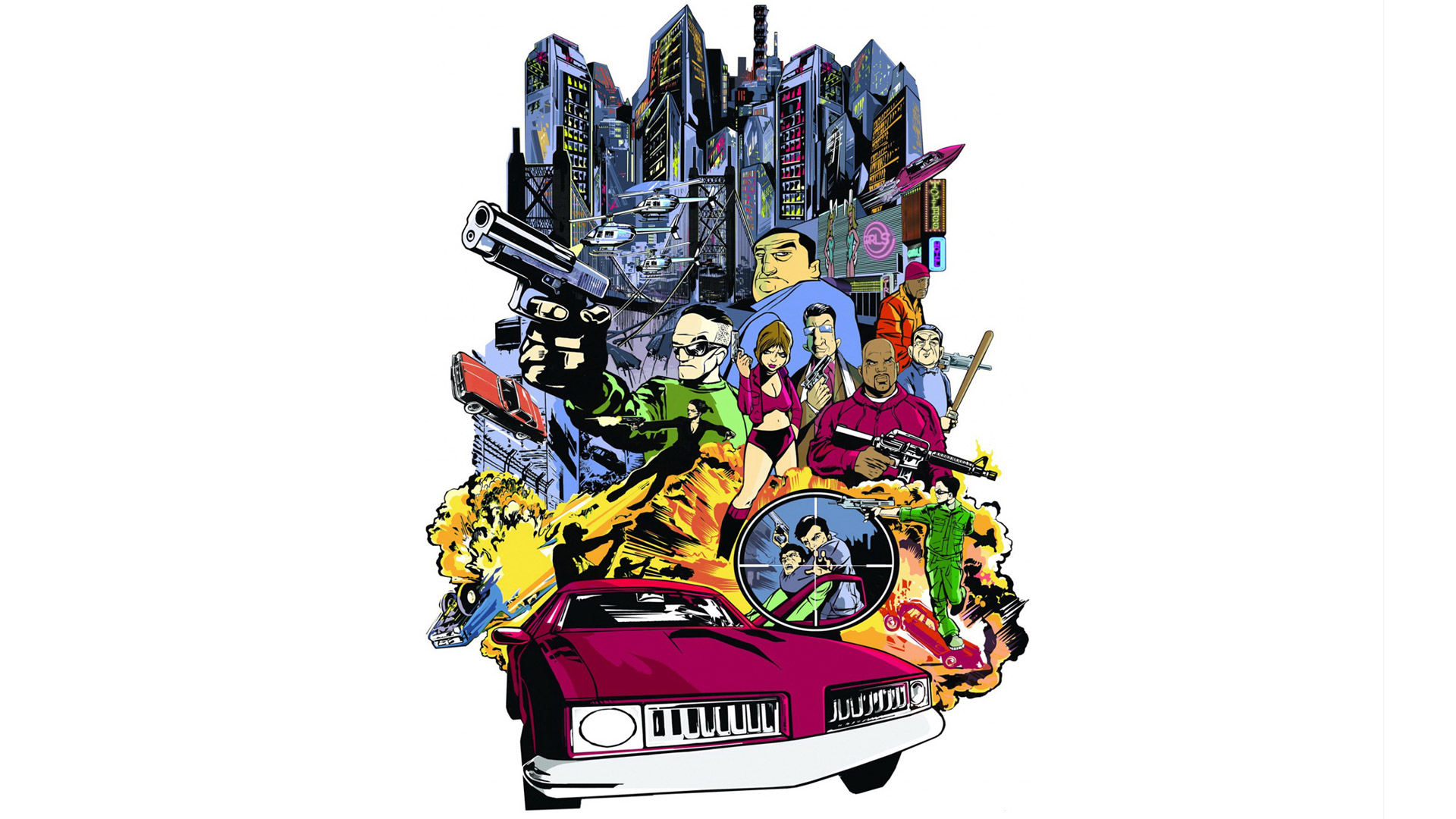
Grand Theft Auto III didn't just offer a city; it handed you a vibrant, chaotic sandbox and said, "Go wild." Its transition to 3D and its unprecedented sense of freedom were seismic shifts in gaming. Liberty City felt alive, a playground for mischief and ambition, influencing countless open-world titles that followed. It wasn't just a game; it was a cultural phenomenon, sparking conversations and controversies, knowing full well it was pushing boundaries and leaving an indelible mark on entertainment.
5. Super Mario 64
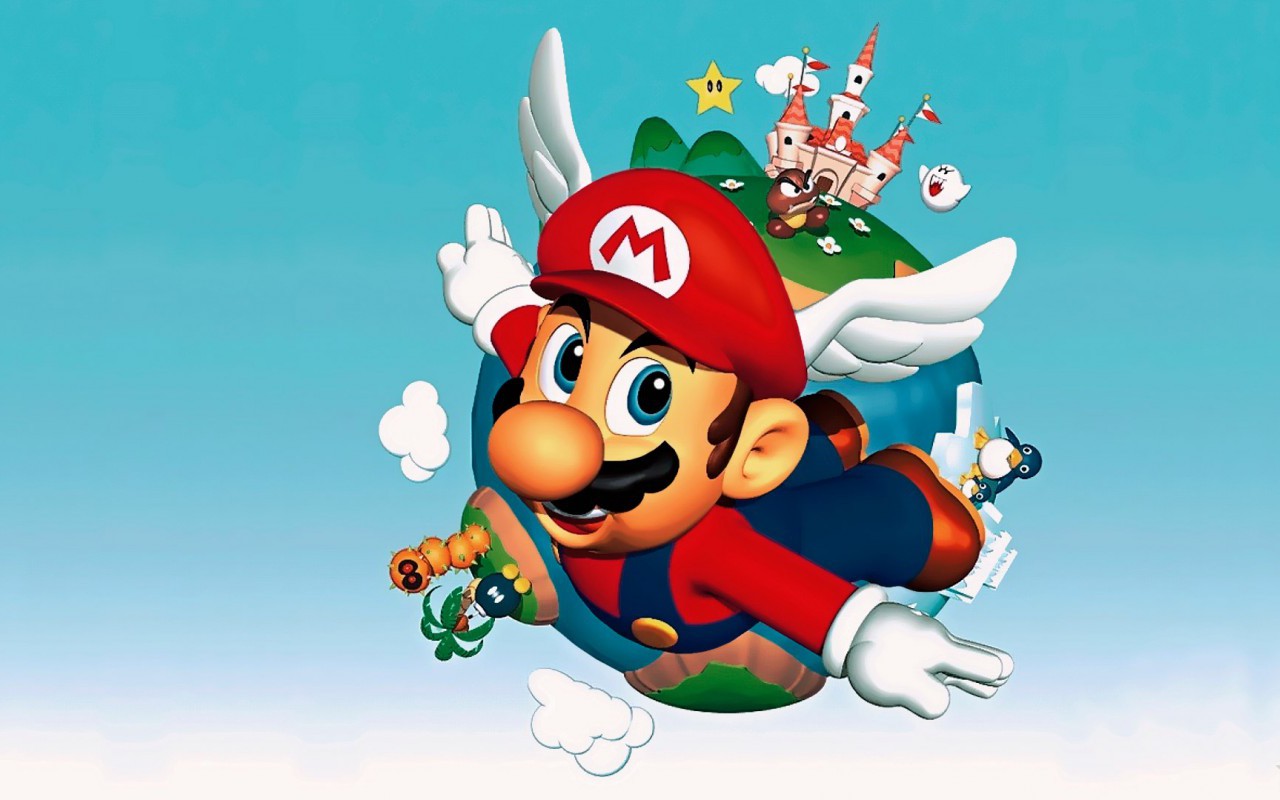
Mario’s leap into three dimensions with Super Mario 64 wasn't just a technical achievement; it was a joyful explosion of creativity. It invented the 3D platformer genre, establishing conventions for camera control, movement, and level design that are still foundational today. The sheer delight of exploring Peach's Castle and its fantastical worlds, discovering secrets, and mastering Mario's agile moves, made it instantly iconic. It felt like the dawn of a new era, a playful masterpiece that knew its own groundbreaking significance.
6. Minecraft
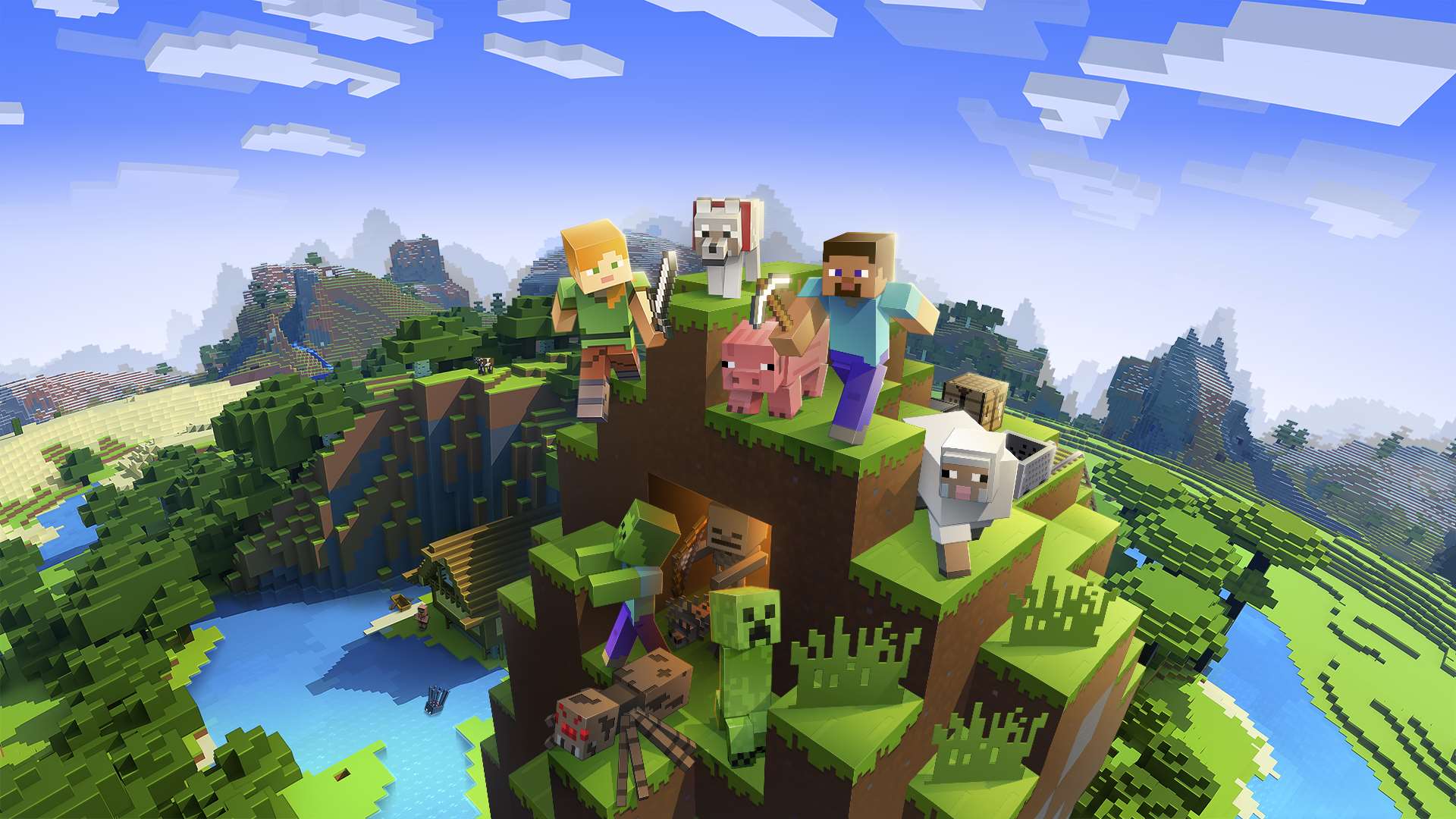
Minecraft didn't launch with grand cinematic ambitions; it launched as a simple idea: build anything. Yet, its emergent gameplay, infinite procedural worlds, and profound creative freedom resonated immediately. It gave players the tools to construct dreams, explore, and survive, fostering an unparalleled sense of community and boundless possibility. From its humble beginnings, it was clear this wasn't just another game; it was a platform, a cultural touchstone that understood its own limitless potential.