

1 / 12
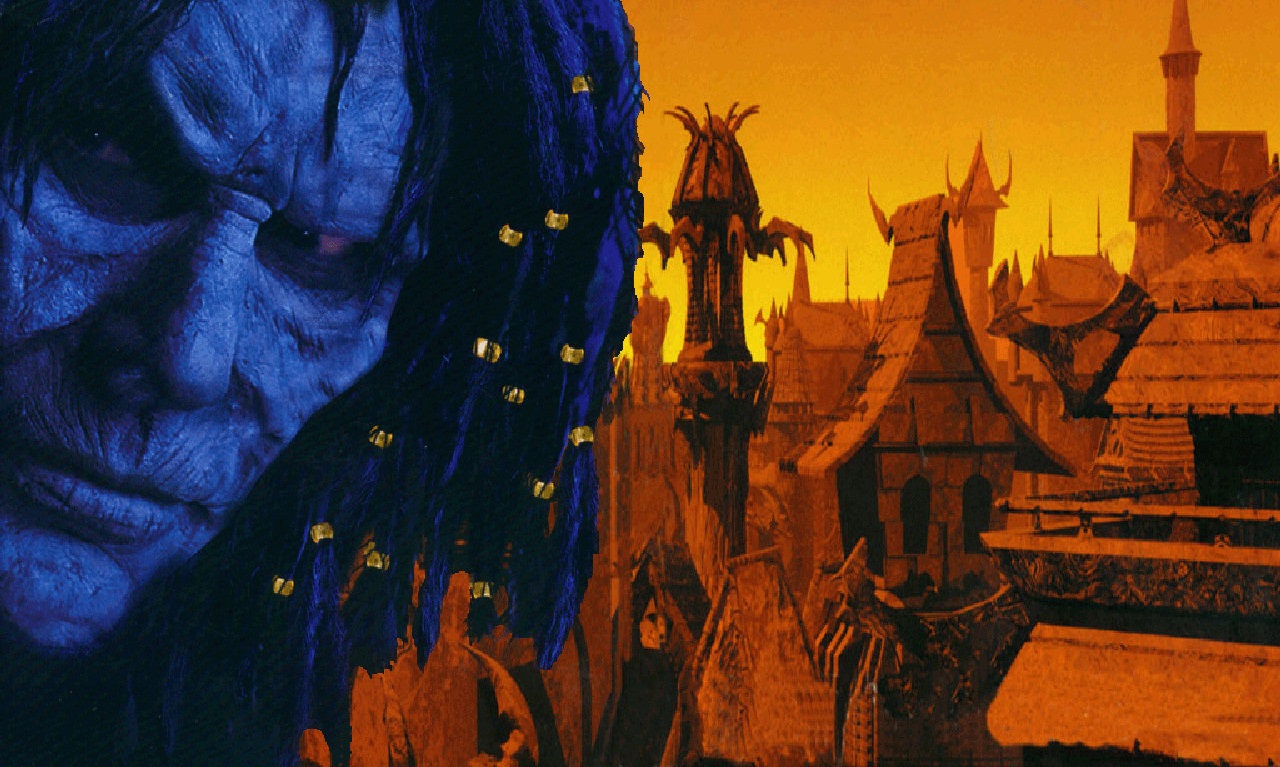
1. Planescape: Torment
Released in 1999, Planescape: Torment eschewed typical RPG tropes, prioritizing philosophical inquiry and narrative depth over combat. Its protagonist, The Nameless One, grappled with existential questions across a richly imagined, bizarre setting. The game's strength lay in its unparalleled writing, intricate dialogue trees, and a story that truly rewarded thoughtful engagement, making its combat often secondary. It was an intellectual feast, far ahead of its contemporaries in narrative ambition.
2 / 12
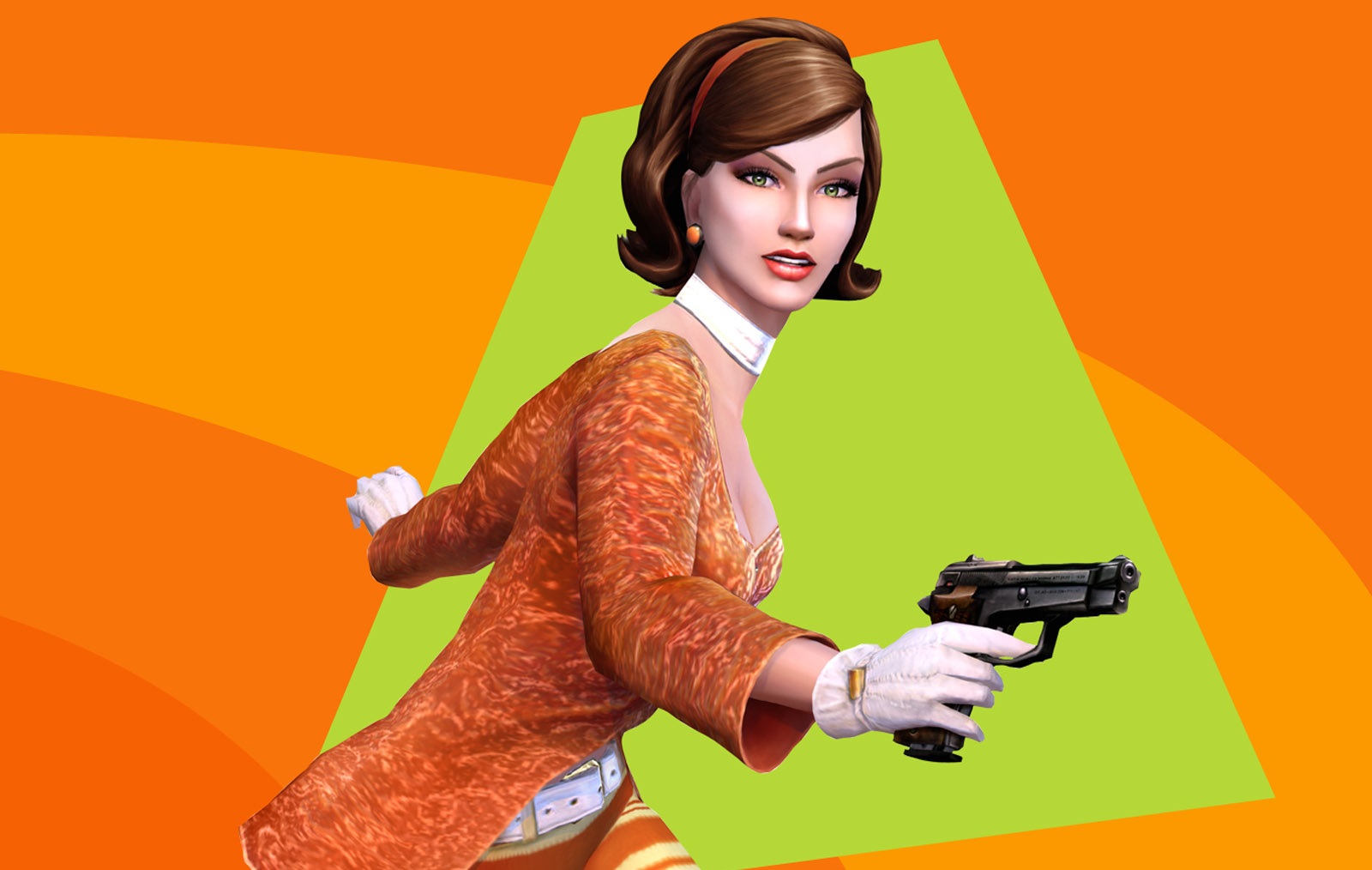
2. The Operative: No One Lives Forever
CATE Archer’s 2000 debut was a masterclass in spy-fi action, blending stealth, sharp shooting, and genuinely hilarious writing. Its 1960s aesthetic was impeccable, from gadgets to groovy villains, all delivered with a knowing wink. The game never quite achieved blockbuster status, but its inventive level design, diverse missions, and unforgettable characters proved that first-person shooters could be both stylish and genuinely funny without sacrificing solid gameplay. It deserved far more recognition.
3 / 12
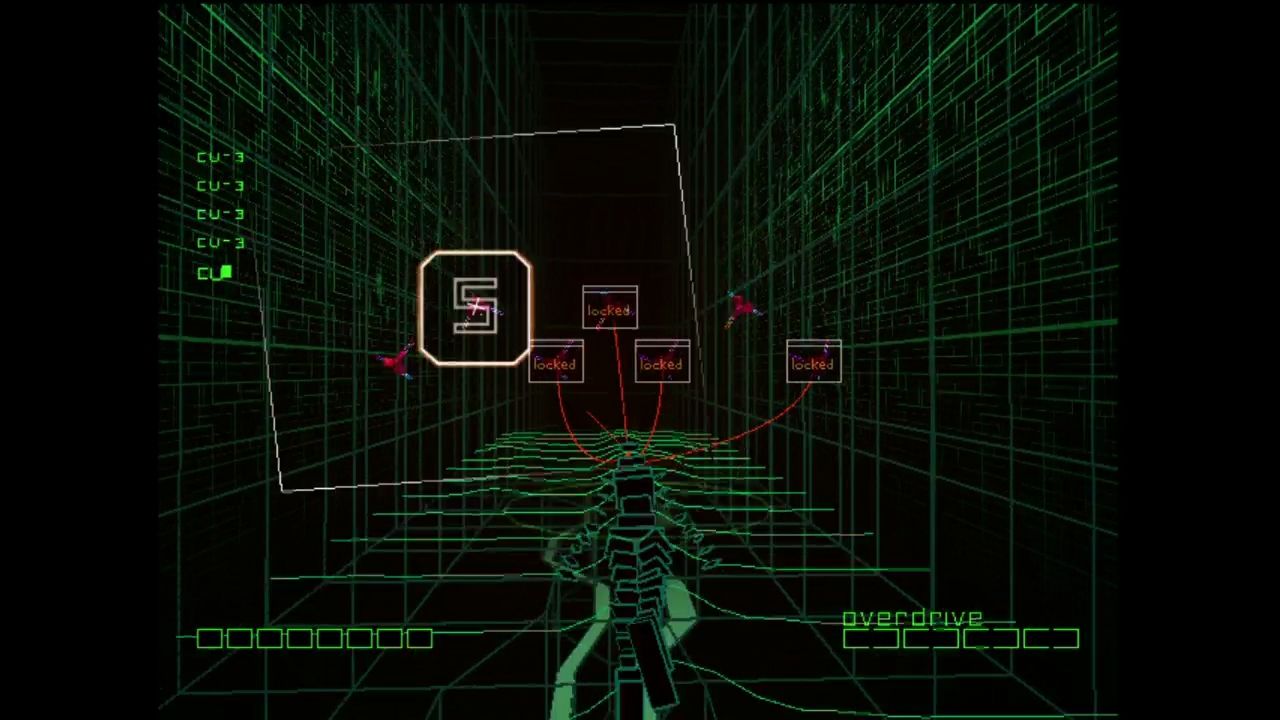
3. Rez
Initially released for the Dreamcast in 2001, Rez offered an almost synesthetic experience, where every action created a sound, building into a mesmerizing musical score. Its abstract visuals and on-rails shooting seemed simplistic on the surface, but the game was a profound journey into rhythm and sensory immersion. It was an early pioneer of how music could be intrinsically linked to gameplay, foreshadowing later rhythm games and even VR experiences long before they were mainstream.
4 / 12
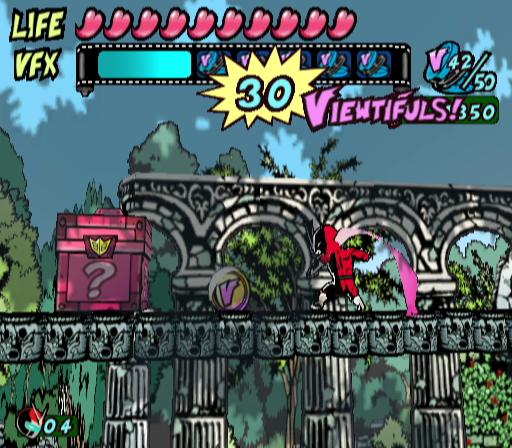
4. Viewtiful Joe (2003)
Viewtiful Joe, a 2003 GameCube gem, was a vibrant cel-shaded love letter to classic tokusatsu heroes, delivering a unique blend of beat 'em up action and puzzle-platforming. Its signature 'VFX Power' mechanics, allowing players to slow time or zoom in, felt incredibly fresh and innovative. Despite critical acclaim for its distinct art style and challenging, rewarding gameplay, it remained a niche title, perhaps too quirky and demanding for broader mainstream appeal at the time.
5 / 12
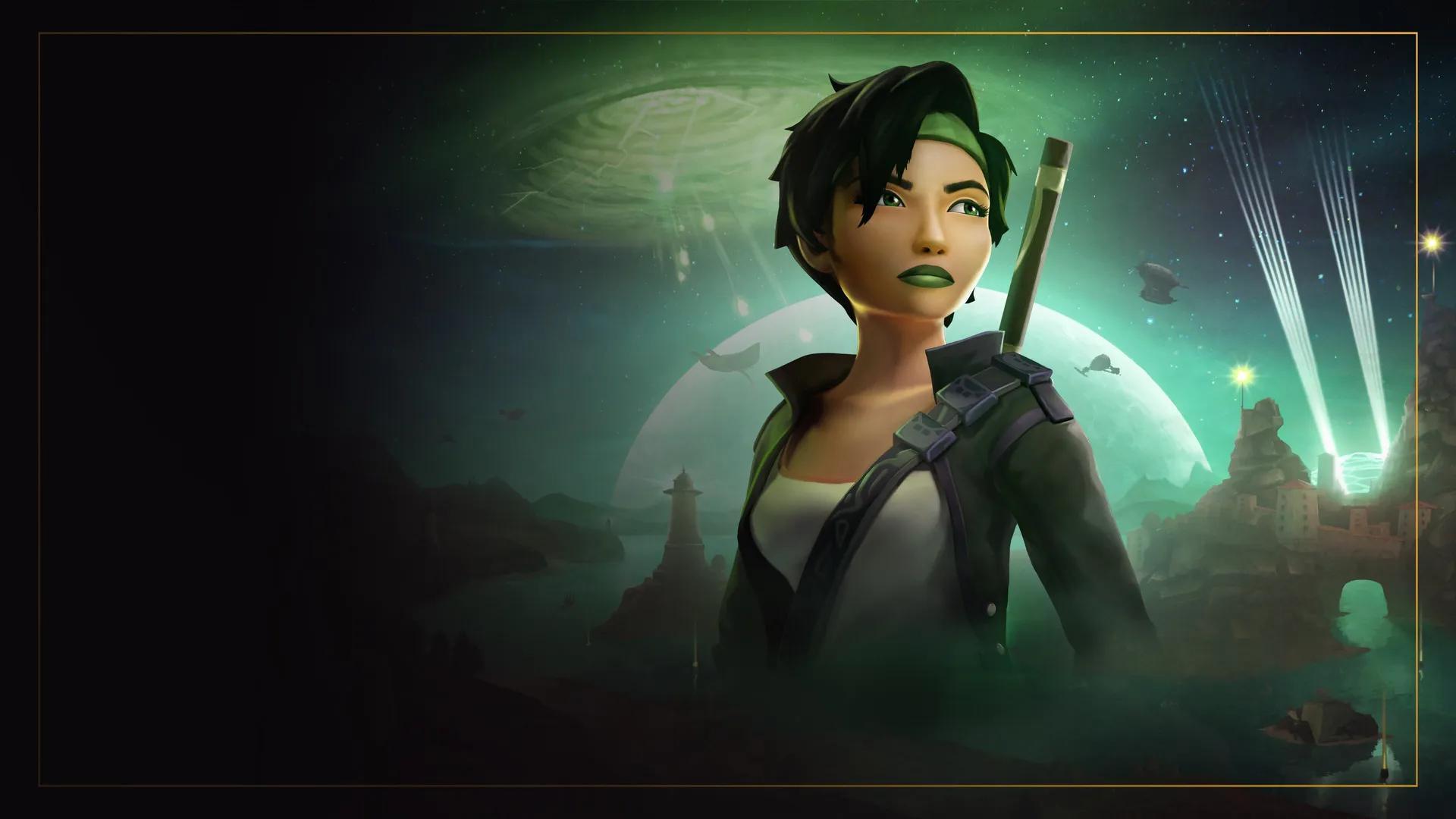
5. Beyond Good & Evil - 20th Anniversary Edition
The original 2003 Beyond Good & Evil was an underappreciated masterpiece, and its 20th Anniversary Edition highlights why. It seamlessly wove together stealth, combat, photography, and vehicle combat with an emotionally resonant narrative and a memorable protagonist in Jade. Ubisoft’s adventure was critically lauded but sold poorly, likely due to its genre-bending nature and release timing. This edition reintroduces a game that was truly ahead of its time in storytelling and diverse mechanics.
6 / 12
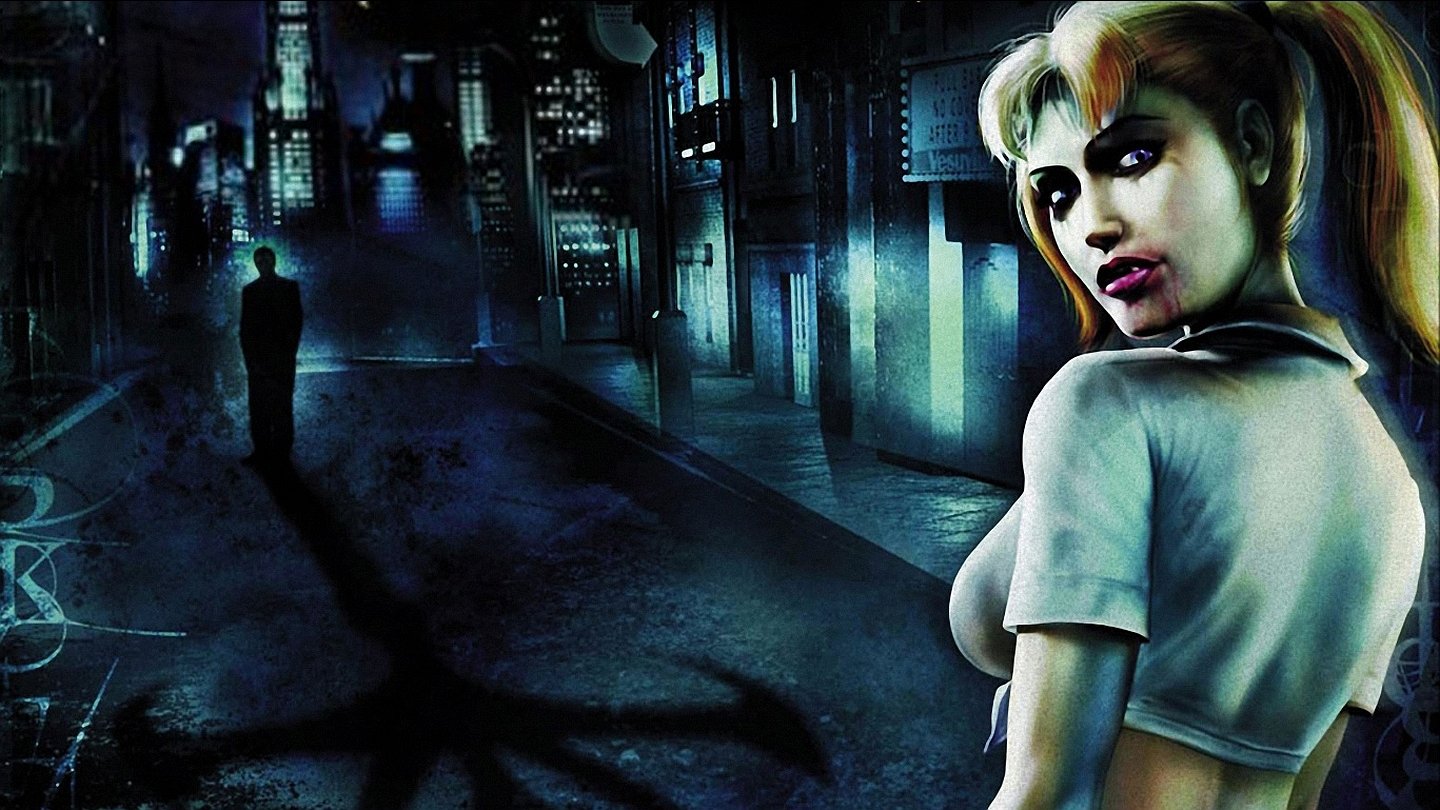
6. Vampire: The Masquerade - Bloodlines
Released in 2004, Bloodlines was an ambitious, flawed diamond. Its rich narrative, deep RPG mechanics, and atmospheric portrayal of the World of Darkness were groundbreaking. Despite being notoriously buggy at launch, its complex character interactions, branching quests, and superb writing cultivated a fervent cult following. The sheer depth of choice and consequence, coupled with its mature themes, proved too much for its initial release, but its vision remains unparalleled.
7 / 12

7. Mother 3
Mother 3, a 2006 Game Boy Advance exclusive, perfected the unique charm of its predecessors while delivering an unexpectedly melancholic and poignant story. Its innovative rhythm-based combat system added a fresh layer to turn-based battles. Despite its incredible critical reception and a dedicated fanbase, it never received an official Western release, becoming a legendary example of a masterpiece locked away, showcasing profound storytelling and emotional depth rarely seen in JRPGs.
8 / 12
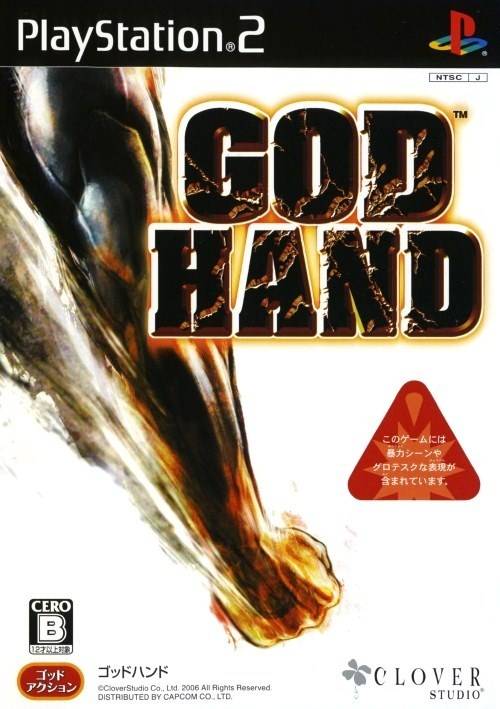
8. God Hand
Clover Studio's 2006 PlayStation 2 beat 'em up, God Hand, was a divisive, yet brilliant, experiment in pure combat. Its relentless difficulty, customizable move-sets, and bizarre humor were unlike anything else. Players either loved its deep, challenging mechanics or were turned off by its steep learning curve and unconventional presentation. It was a game that dared to be different, rewarding dedication with incredibly satisfying, over-the-top brawling that few have matched since.
9 / 12
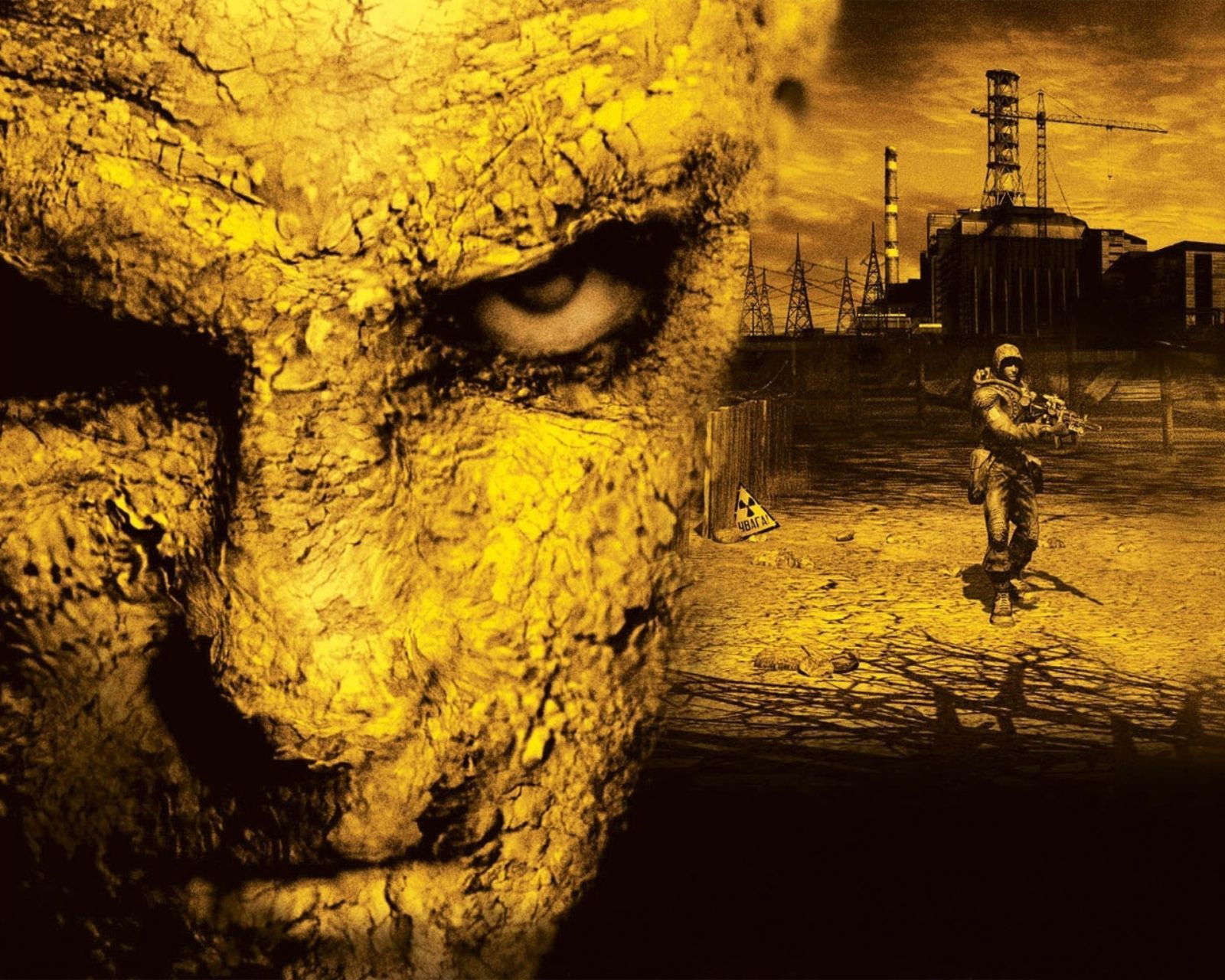
9. S.T.A.L.K.E.R.: Shadow of Chernobyl
Emerging from the radioactive shadows of 2007, S.T.A.L.K.E.R.: Shadow of Chernobyl delivered an unparalleled atmospheric blend of FPS, survival horror, and RPG. Its bleak, open-world rendition of the Chernobyl Exclusion Zone, filled with anomalies and terrifying mutants, felt truly emergent and unforgiving. The game’s challenging mechanics and distinct Eastern European grimness made it a cult classic, proving that deep immersion and environmental storytelling could thrive outside polished AAA norms.
10 / 12
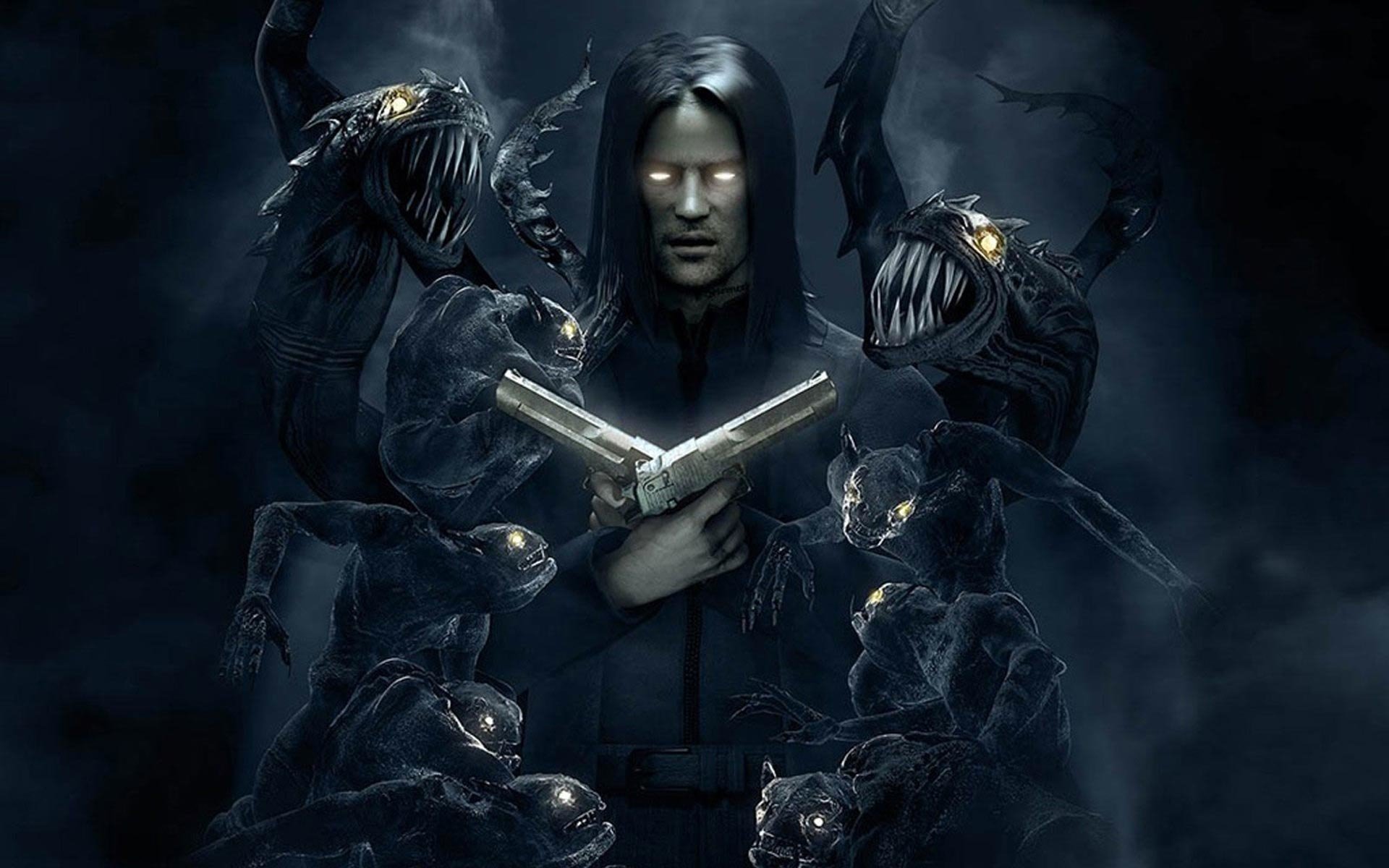
10. The Darkness
The Darkness, released in 2007, stood out by blending a gritty first-person shooter with a compelling, mature narrative rooted in a comic book universe. Its unique 'Darkness' powers, allowing players to summon demon arms and imp creatures, offered a fresh take on combat. Coupled with a strong voice cast and a surprisingly emotional story, it was a character-driven experience that pushed the boundaries of what FPS games could achieve in terms of storytelling and atmosphere.
11 / 12
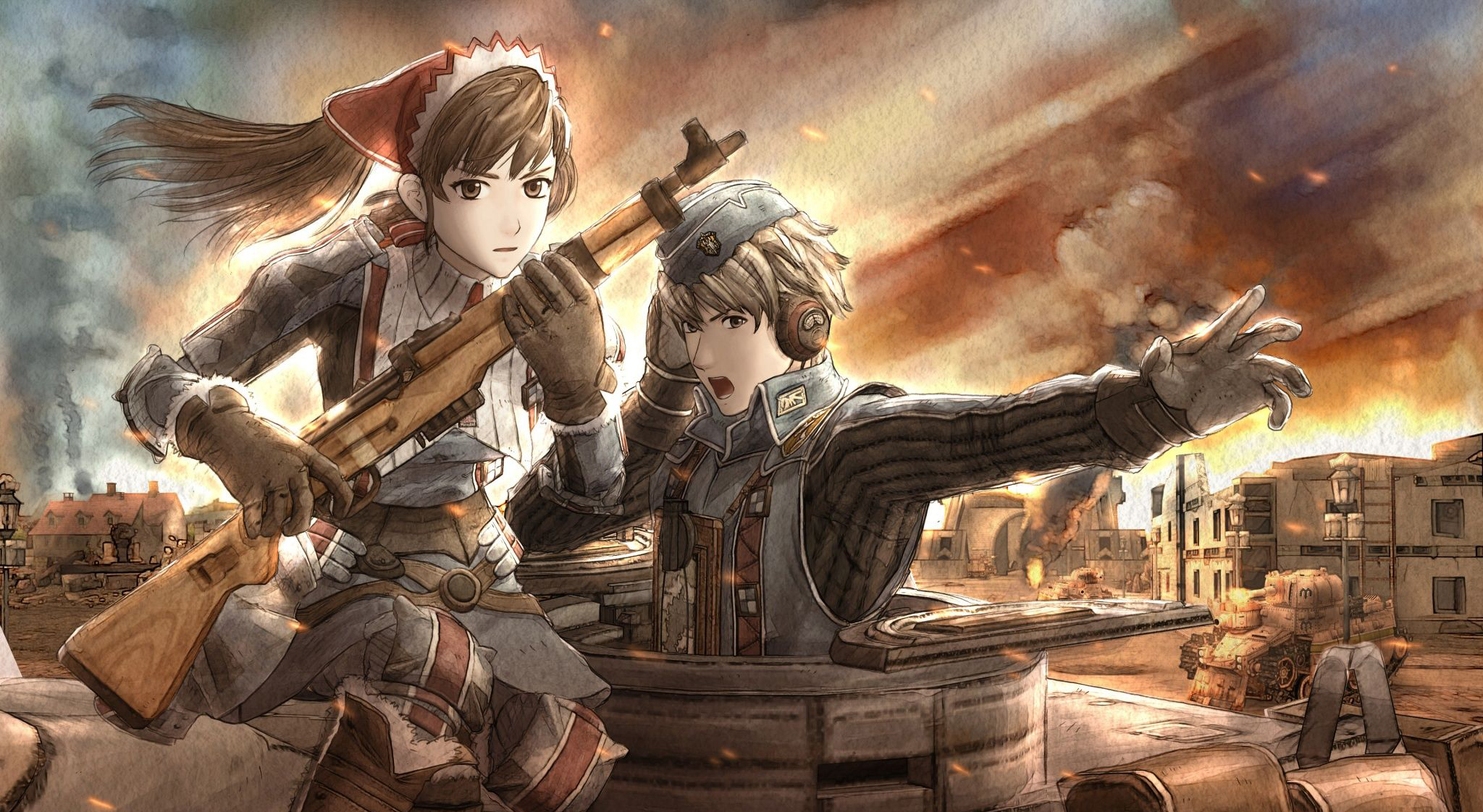
11. Valkyria Chronicles
Sega's 2008 PlayStation 3 exclusive, Valkyria Chronicles, was a tactical RPG marvel. Its distinctive 'BLiTZ' combat system combined turn-based strategy with real-time third-person action, and its 'CANVAS' engine rendered a beautiful watercolor aesthetic. The game told a heartfelt anti-war narrative within a fictionalized World War II setting. Its innovative gameplay and unique visual style were ahead of their time, finding a broader audience years later on other platforms.
12 / 12
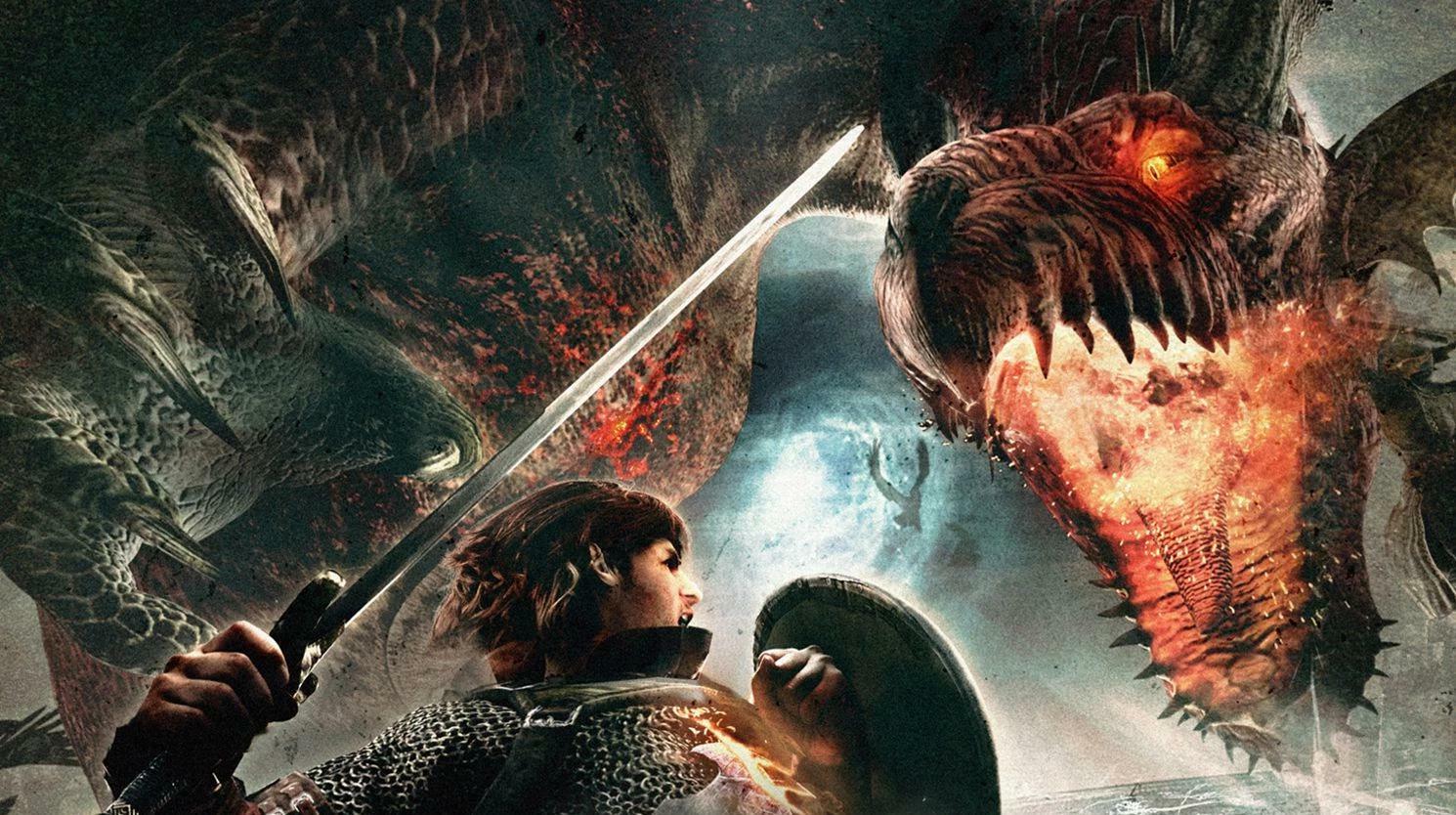
12. Dragon's Dogma
Capcom’s 2012 action RPG, Dragon's Dogma, offered a truly unique fantasy experience. Its 'Pawn' system, where AI companions learn from your actions and can be rented by other players, was revolutionary. The combat, especially climbing massive beasts Shadow of the Colossus-style, felt incredibly visceral and dynamic. Despite its rough edges and somewhat unconventional design, it carved out its own niche, showcasing bold ideas that felt fresh and innovative in a crowded genre.