1 / 10
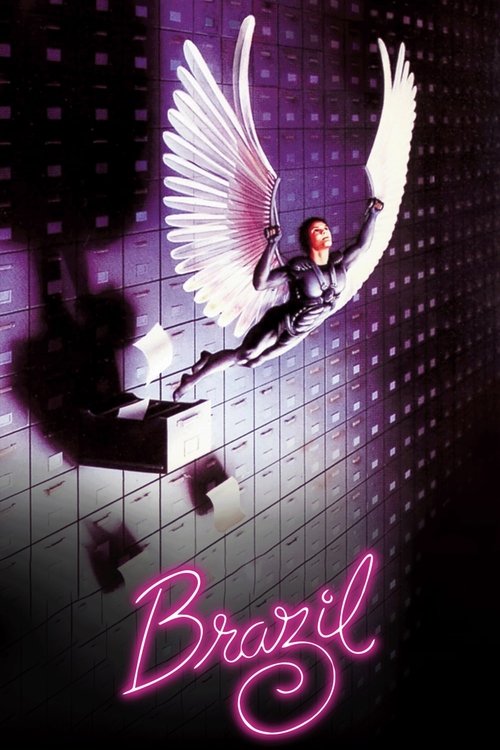
1. Brazil
Terry Gilliam's 1985 classic is a masterclass in chaotic, dreamlike visuals and biting satire. Its analog-future aesthetic and surreal narrative loops feel like a glitch in the simulation, inspiring endless AI-driven content. Imagine a neural network trying to untangle Sam Lowry's reality, creating countless branching dream sequences. And the way it blends mundane bureaucracy with heroic fantasies? Pure generative gold for VR storytellers exploring digital escapism. This one practically wrote the playbook for AI-generated dreamscapes.
2 / 10

2. Dark City
1998's *Dark City* is a blueprint for artificial realities, long before VR was a household term. Its perpetual night, shifting architecture, and manipulated memories are exactly what an AI-driven narrative engine would invent to mess with your head. We're talking about a world where every morning is a fresh prompt, and characters are just data points in a grand experiment. For content creators exploring deep fakes and immersive digital spaces, this film offers a chilling, yet incredibly fertile ground for new stories. It's a prime example of an AI's ultimate playground.
3 / 10

3. Primer
Shane Carruth’s 2004 *Primer* isn't about flashy effects; it's a cerebral puzzle box about accidental time travel. Its raw, almost documentary-style approach to complex science and moral dilemmas is perfect fuel for AI-driven narratives that demand intellectual rigor. Imagine an AI sifting through its intricate logic, generating endless paradoxes and alternate timelines for VR users to navigate. This film pushes you to think, and that’s exactly what future content engines will do, challenging users with narrative depths that unfold infinitely. It’s a masterclass in tight, intricate storytelling.
4 / 10

4. Upstream Color
Also by Shane Carruth, 2013's *Upstream Color* is a deeply atmospheric, almost poetic experience. It’s less about a clear plot and more about sensory and emotional connection, identity, and natural cycles. For AI-generated content, this means an emphasis on mood, abstract visuals, and non-linear storytelling. Think of an AI crafting narratives that evoke feelings rather than explicit events, creating VR experiences where emotional resonance is the primary goal. It’s a beautiful, challenging film that pushes the boundaries of how stories can be told and felt.
5 / 10
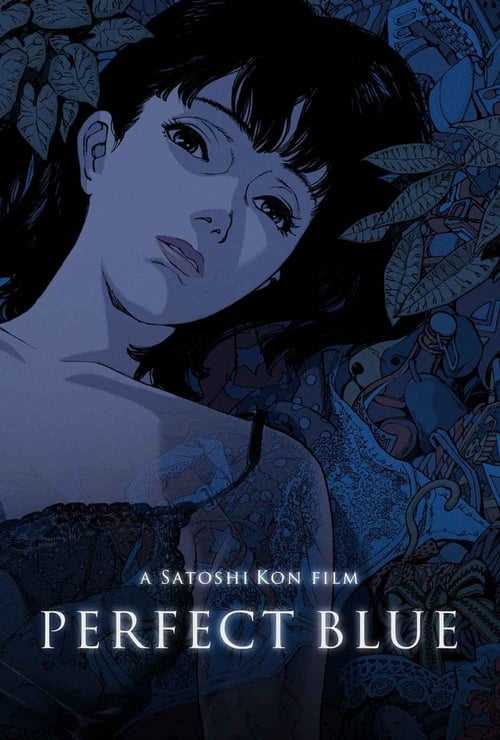
5. Perfect Blue
Satoshi Kon's 1998 *Perfect Blue* is a haunting anime psychological thriller that blurs the lines between reality and delusion. Its exploration of identity, celebrity, and the digital gaze is incredibly prescient for our AI-driven content world. Imagine a VR experience where your online persona starts manifesting in your real life, just like Mima's digital double. This film provides a rich tapestry for AI to weave narratives about mental states and perceived reality, making it a perfect inspiration for immersive, unsettling digital stories that challenge perception.
6 / 10

6. The Man Who Fell to Earth
Nicholas Roeg’s 1976 film, starring David Bowie, is a melancholic journey about an alien trying to save his home world but getting lost in human vices. It’s a profound study of isolation and adaptation, perfect for AI-driven narratives exploring empathy and otherness. Imagine AI creating scenarios where users inhabit alien perspectives, grappling with humanity’s complexities. The film’s surreal, sometimes fragmented storytelling style also lends itself to generative content, inspiring VR experiences that are both beautiful and deeply reflective about what it means to belong.
7 / 10

7. La Jetée
Chris Marker's 1962 *La Jetée* is a groundbreaking short film, told almost entirely through still photographs, yet it creates an incredibly powerful narrative about time travel and memory. This minimalist approach is a goldmine for AI content creators. Think of an AI generating a VR experience where static images are brought to life with subtle animation and soundscapes, crafting deeply personal, dreamlike stories. It proves that narrative power isn’t about endless motion, but about evocative moments, perfect for AI to explore emotional depth with sparse resources.
8 / 10
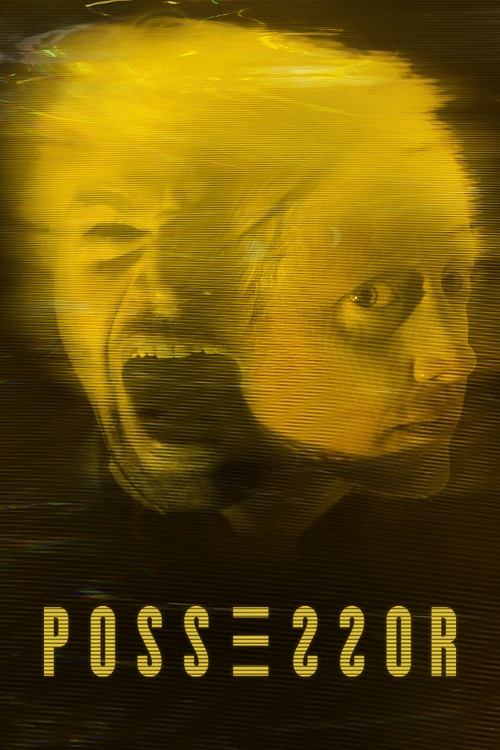
8. Possessor
Brandon Cronenberg's 2020 *Possessor* dives headfirst into identity, consciousness transfer, and visceral body horror. It’s a chilling look at what happens when technology lets you literally wear another person’s life. For AI-driven narratives, this means exploring the ultimate VR immersion: becoming someone else entirely, with all the ethical quandaries that entails. Imagine an AI crafting scenarios where your perception of self is constantly shifting, generating intense psychological thrillers that blur the lines of who you are. This film is pure fuel for mind-bending, identity-bending digital experiences.
9 / 10
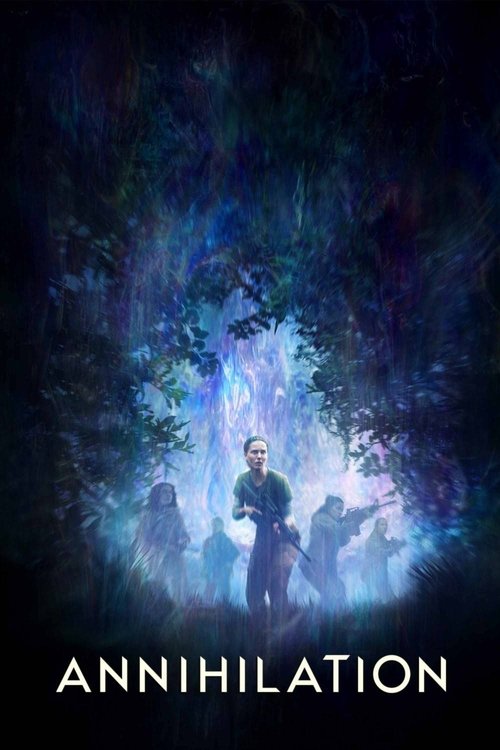
9. Annihilation
Alex Garland’s 2018 *Annihilation* is a visually stunning and deeply unsettling sci-fi horror film. Its “Shimmer,” an alien entity that refracts and mutates all life, is a perfect concept for AI-generated worlds. Imagine a VR environment where the landscape, flora, and fauna are constantly evolving and mirroring your internal state, creating truly unique and personalized dream sequences. This film inspires AI to explore themes of transformation, self-destruction, and the uncanny, crafting experiences that are beautiful, terrifying, and profoundly alien, always keeping you on edge.
10 / 10

10. Tetsuo: The Iron Man
Shinya Tsukamoto’s 1989 *Tetsuo: The Iron Man* is a raw, industrial, cyberpunk body horror nightmare. Shot in black and white, it’s a relentless, visceral experience about a man transforming into metal. For AI-generated content, this means embracing extreme visual and sensory overload, crafting VR experiences that are aggressively experimental and relentlessly transformative. Imagine an AI creating an immersive world where your digital avatar is constantly merging with machinery, pushing the boundaries of physical and digital identity. It's chaotic, grotesque, and totally unforgettable, perfect for boundary-pushing AI art.