1 / 10
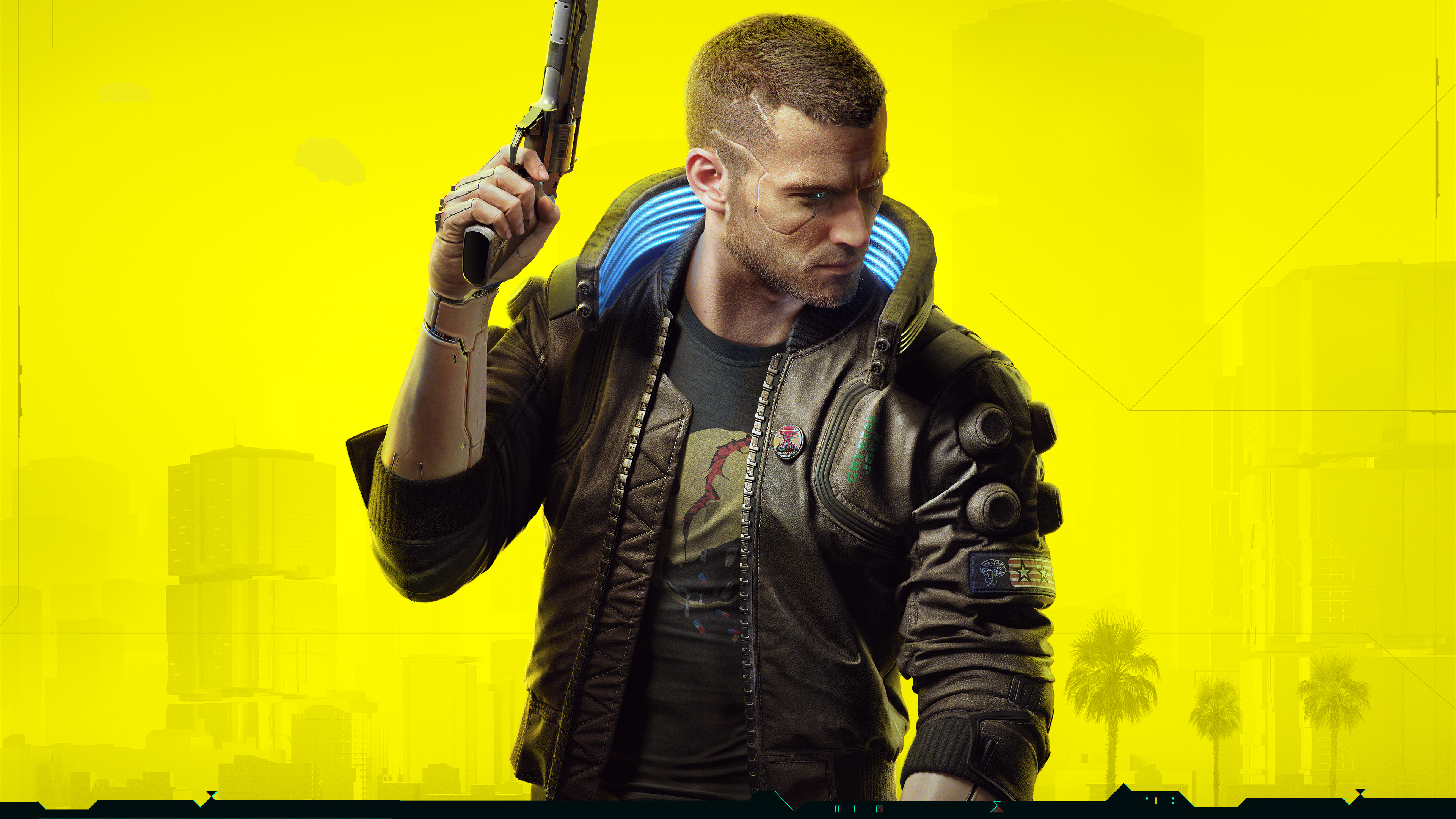
1. Cyberpunk 2077
Oh, Night City. The promises were legendary, the reality a buggy, unplayable mess for many at launch. It was a stark reminder that even beloved studios can over-promise and under-deliver, leaving a bitter taste of betrayal. While it's improved, that initial sting of a broken dream still echoes, proving that hype cycles are a dangerous beast. We expected a revolution, got a technical demo.
2 / 10
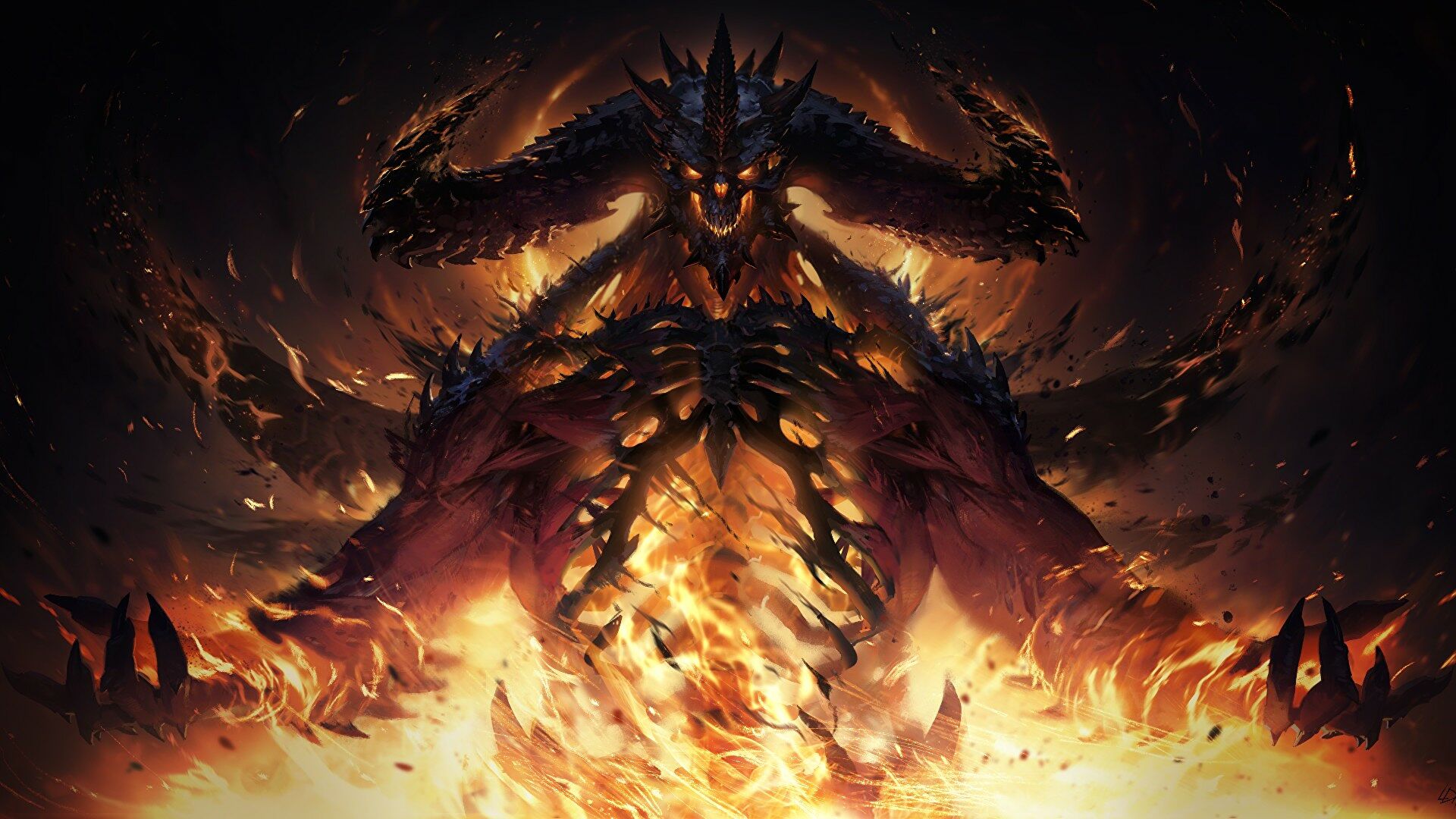
2. Diablo: Immortal
"Do you guys not have phones?" That phrase alone encapsulates the blatant disrespect for a core fanbase. This wasn't just a mobile game; it was a predatory gacha machine wrapped in a beloved IP, designed to extract every last cent. It highlighted the industry's alarming shift towards maximizing profit over genuine player experience. A grim sign of things to come.
3 / 10
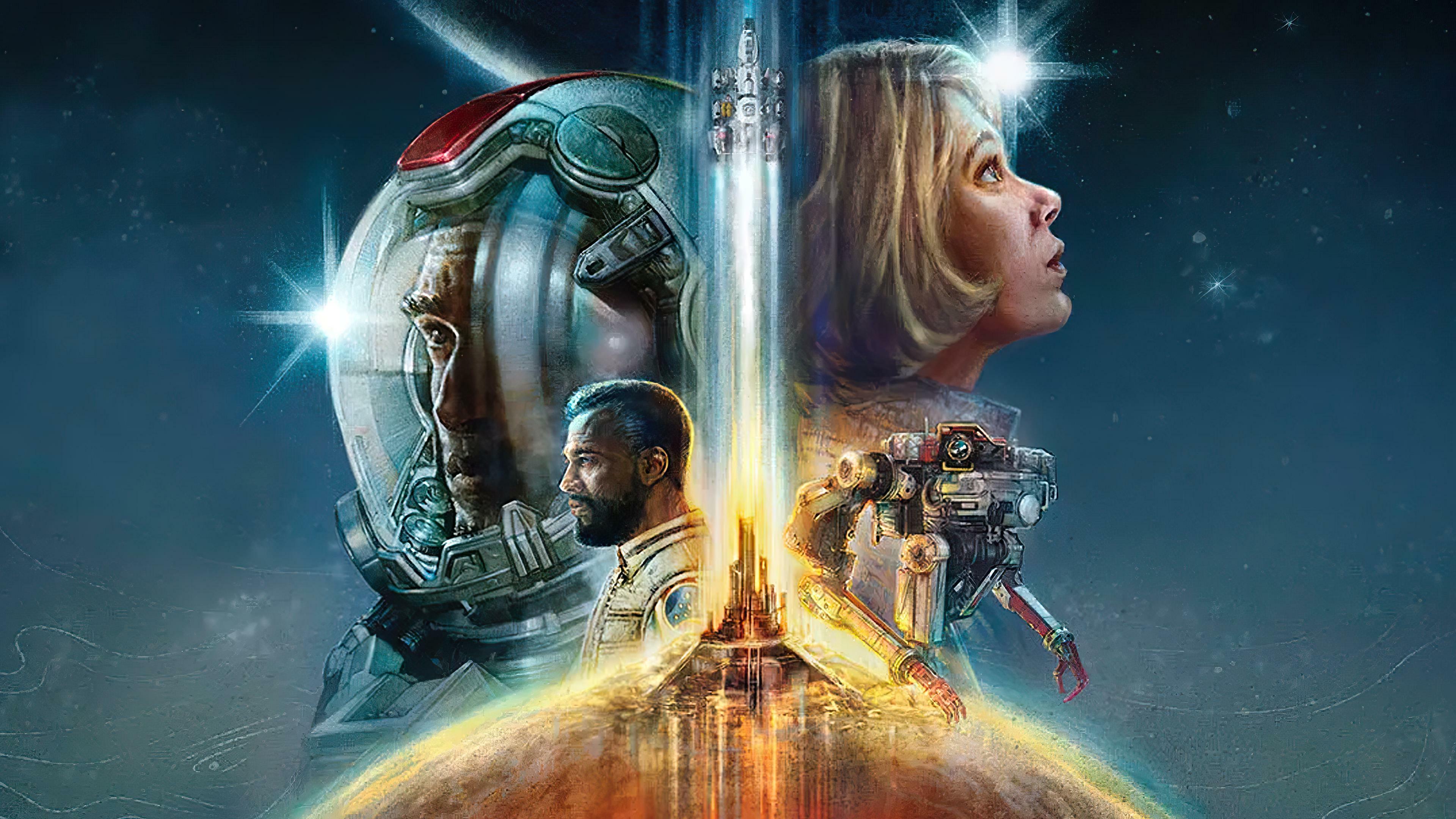
3. Starfield
Bethesda's latest, and for many, a testament to their inability to evolve. It felt like a collection of loading screens and bland, procedurally generated planets, devoid of that classic Bethesda charm. The technical jank persisted, and innovation seemed to take a backseat to sheer scale. It left us wondering if grand ambition without polish is just… more nothing.
4 / 10
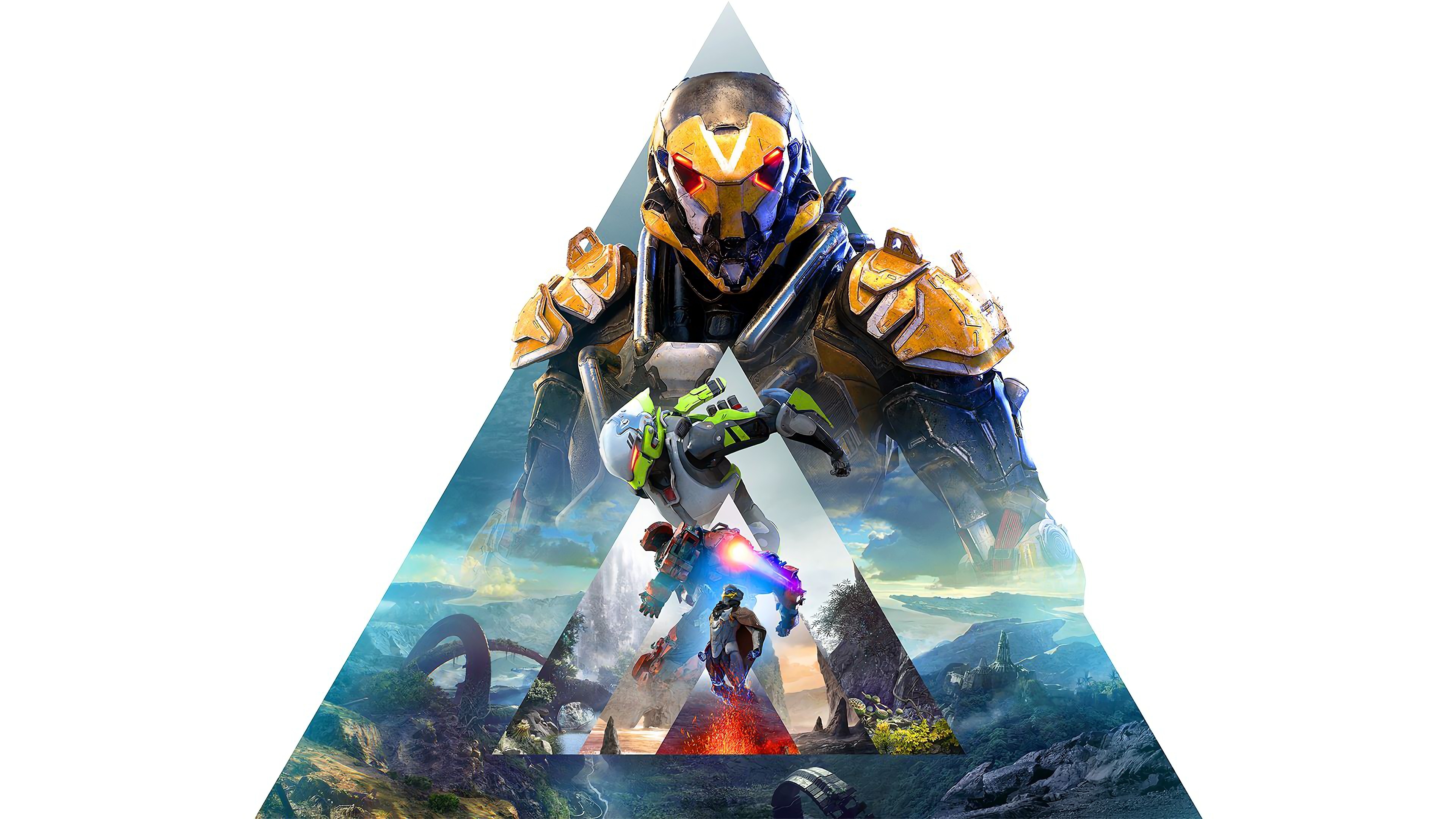
4. Anthem
BioWare tried to chase the live-service dragon and ended up burning their reputation. A beautiful world, yes, but underneath lay a shallow, repetitive grind with a story that went nowhere. It was a game struggling with an identity crisis, ultimately abandoned. A prime example of a studio losing its way trying to mimic trends rather than innovating.
5 / 10
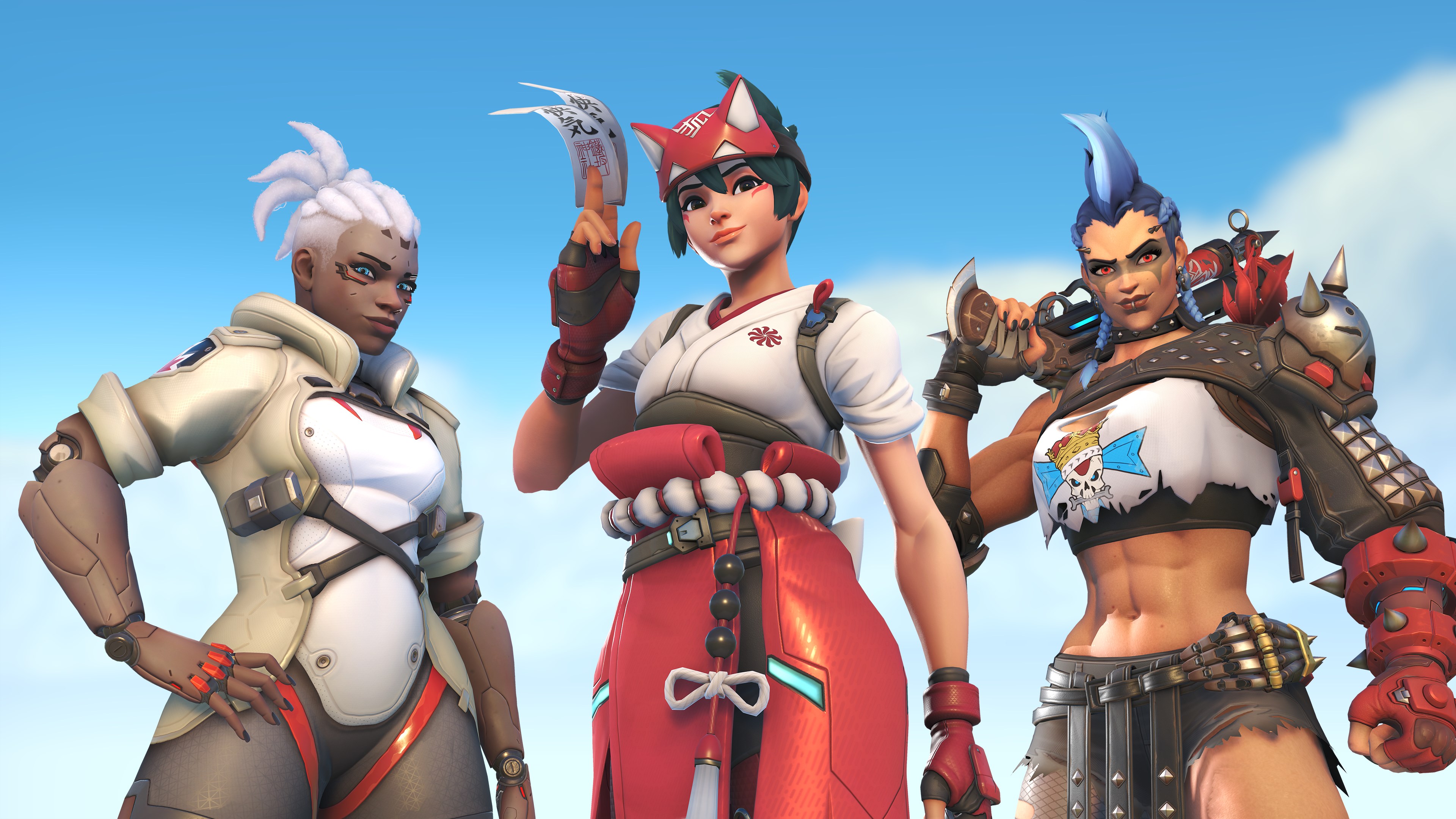
5. Overwatch 2
Blizzard somehow managed to make a sequel feel like a downgrade. Replacing the original, removing features, and then monetizing every cosmetic under the sun? The promised PvE content, which was the whole selling point, got scrapped. It felt like a cynical cash grab, stripping away the goodwill built over years for a battle pass grind.
6 / 10
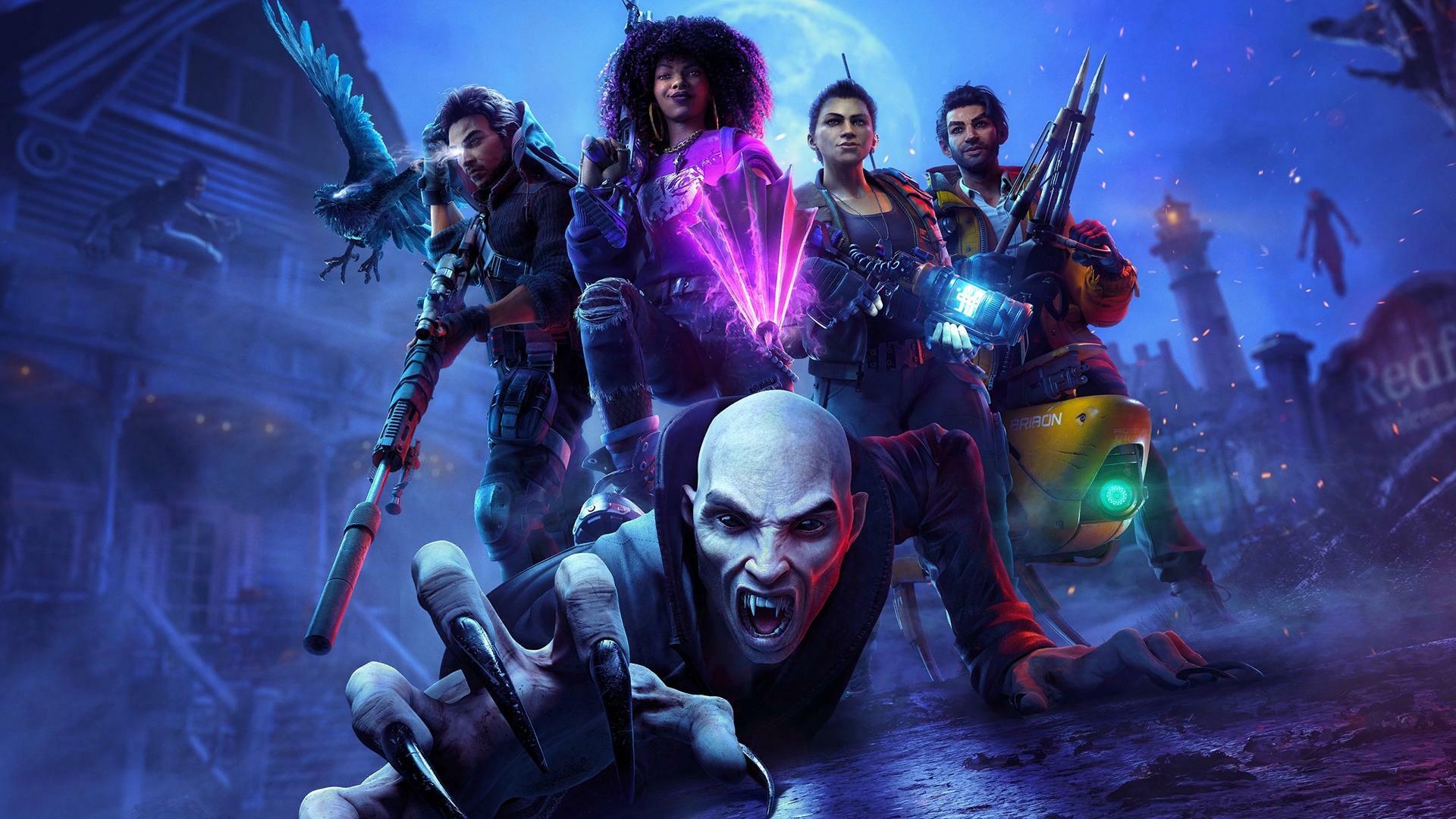
6. Redfall
Arkane Studios, known for immersive sims like Dishonored and Prey, delivered… this. A buggy, uninspired open-world shooter that felt generic and unfinished. It wasn't just disappointing; it was confusing. How could a studio with such pedigree release something so bland and technically broken? A stark reminder that even the best can stumble, hard.
7 / 10
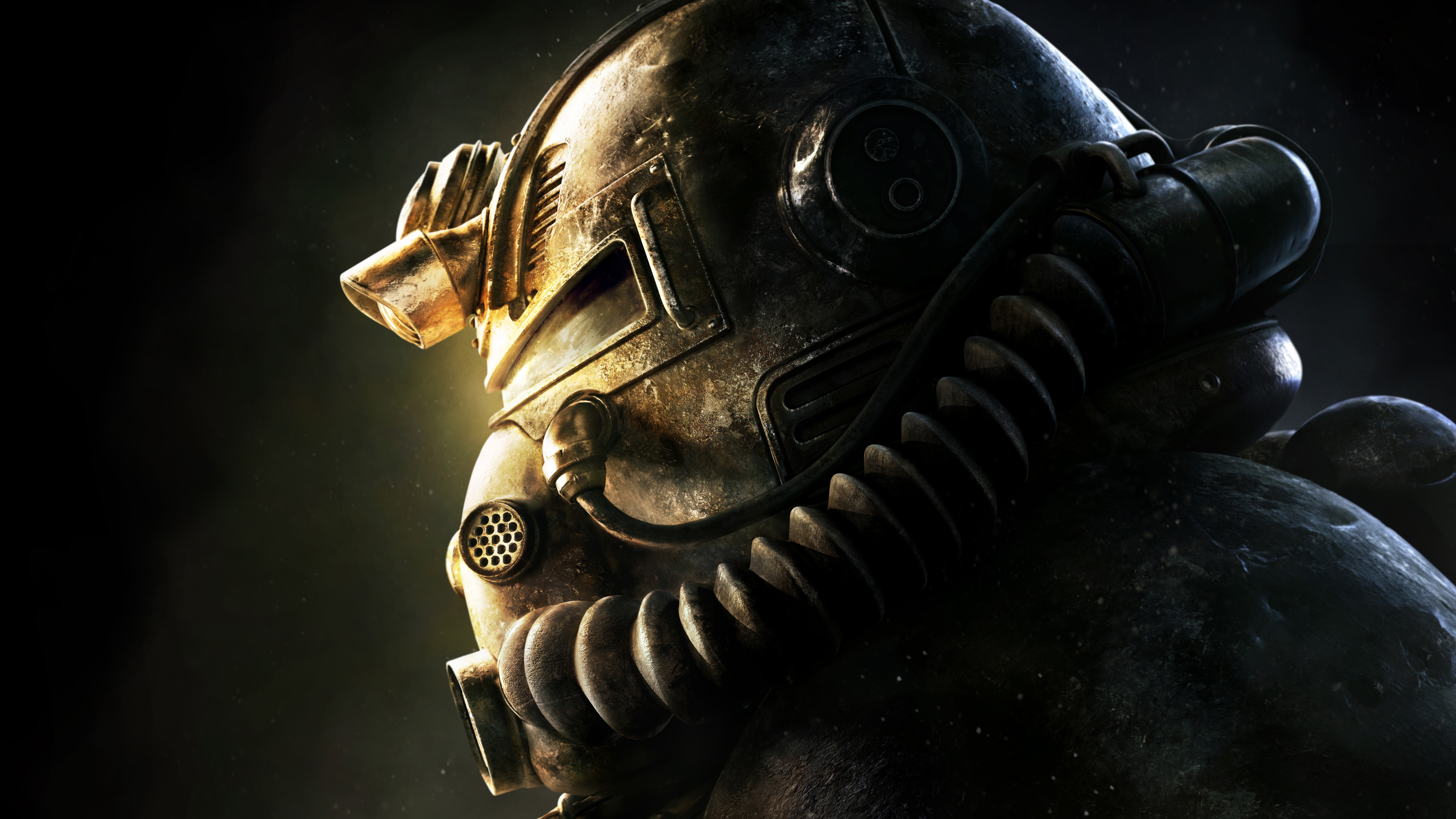
7. Fallout 76
The launch of this game was a masterclass in how to alienate a fanbase. A buggy, online-only mess that broke trust with its community, from the canvas bag debacle to widespread technical issues. While it's arguably better now, the initial impression of a beloved single-player series being twisted into a broken live-service experiment still stings.
8 / 10
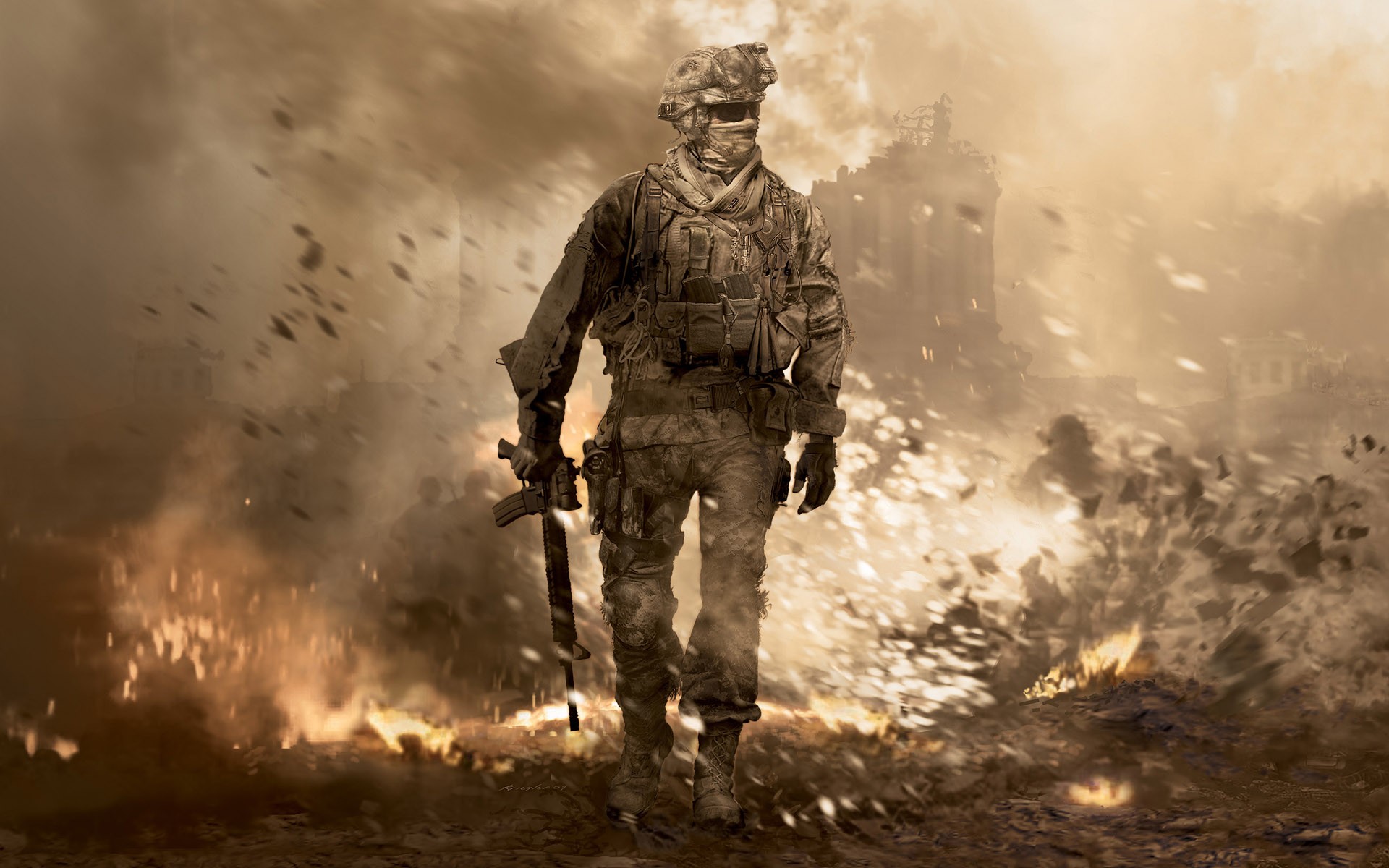
8. Call of Duty: Modern Warfare 2
Another year, another Call of Duty that largely felt like the last one, but with more aggressive monetization. The campaign was fine, but multiplayer felt like a rehash, plagued by questionable design choices and a battle pass that demanded constant engagement. It's the poster child for annual iterations offering diminishing returns.
9 / 10
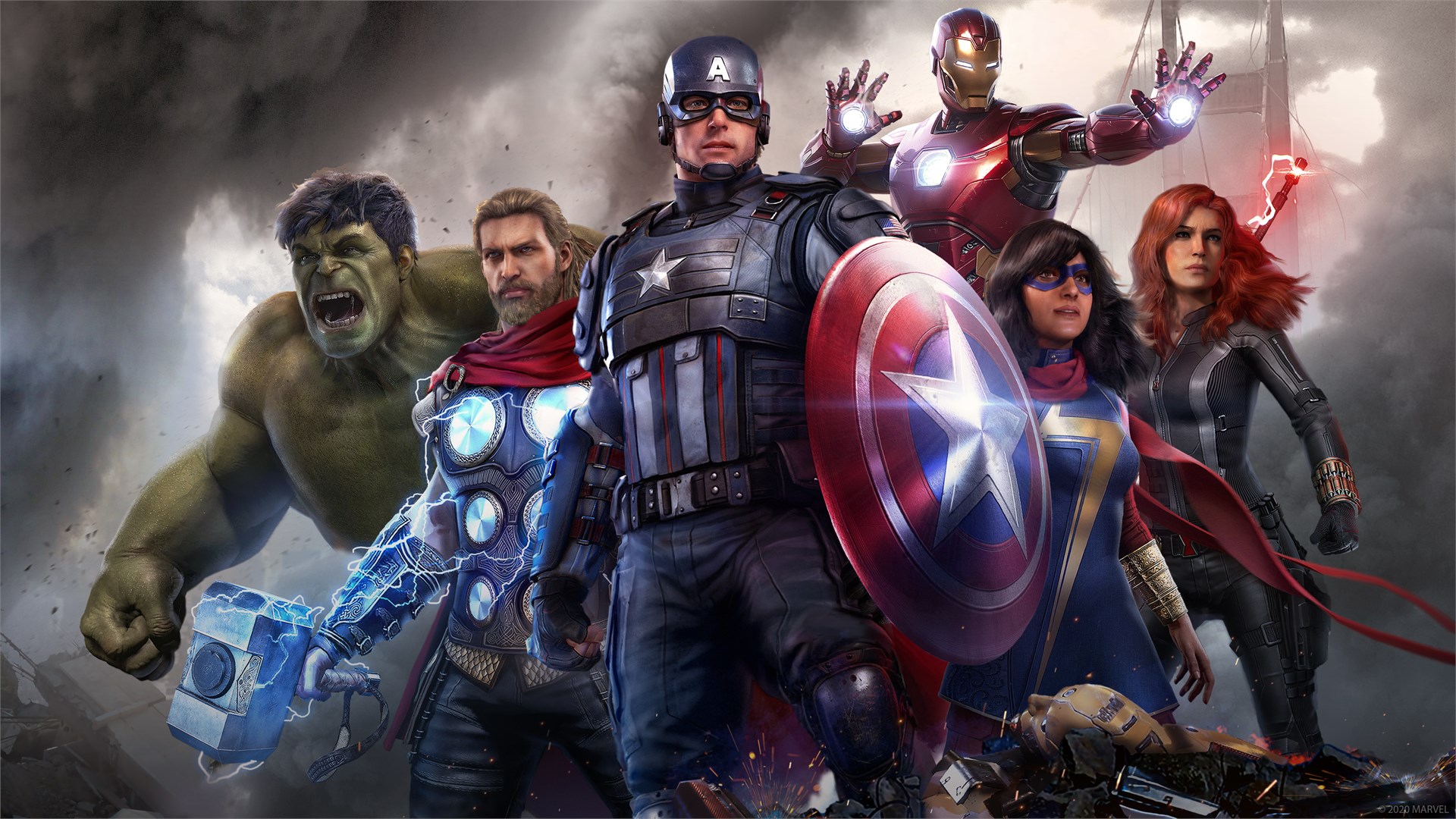
9. Marvel’s Avengers
This game had all the potential in the world, yet it became a textbook example of a live-service title failing to deliver. Repetitive missions, a grindy loot system, and a confusing monetization scheme overshadowed decent core combat. It felt like a missed opportunity to create a truly epic superhero experience, instead settling for mediocrity.
10 / 10
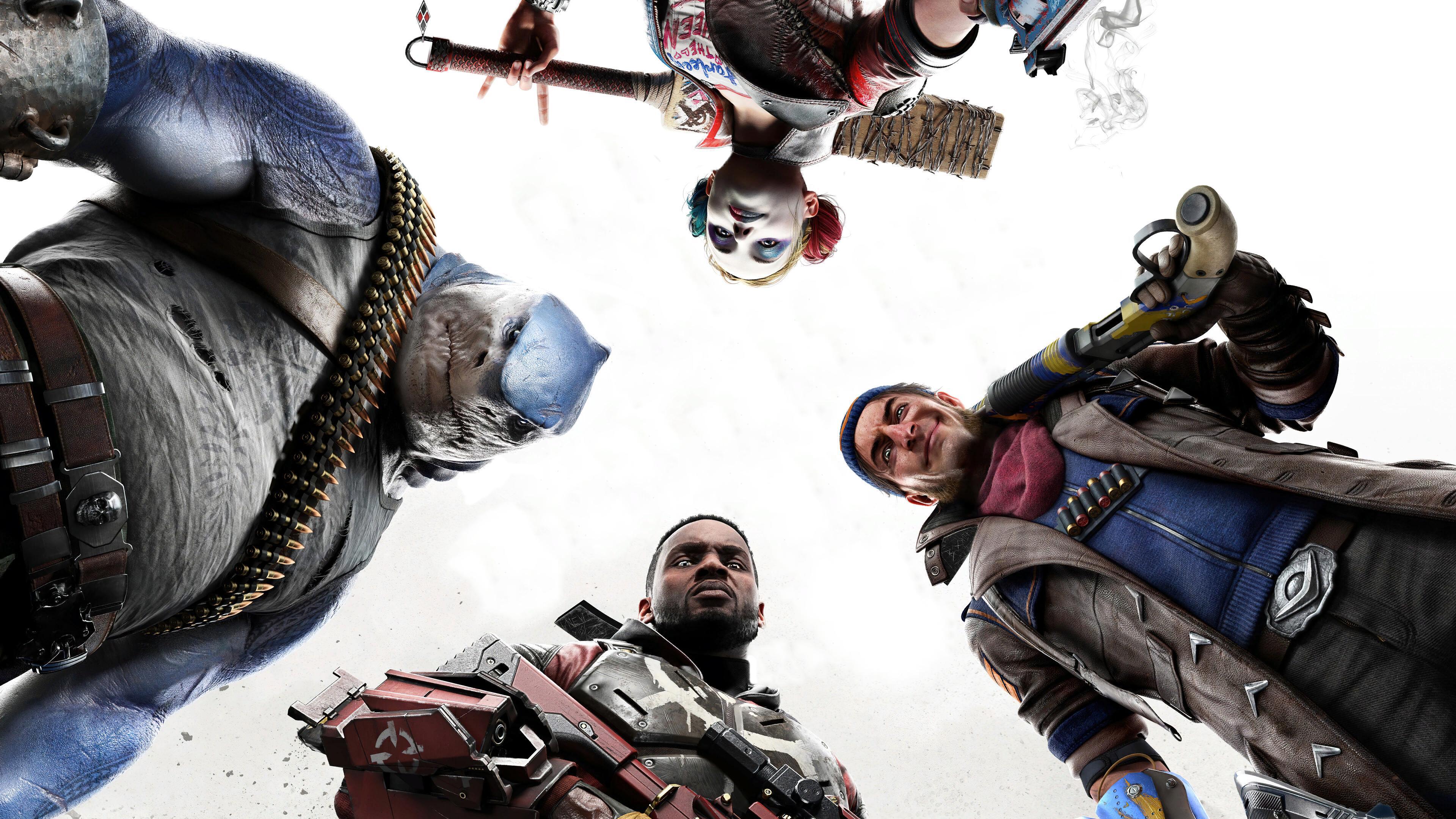
10. Suicide Squad: Kill The Justice League
Rocksteady, the Arkham creators, ending their legacy with this? An always-online, repetitive, live-service shooter that felt utterly out of place for the studio. The story was divisive, the gameplay loop quickly grew stale, and it left many wondering if creativity is being sacrificed at the altar of endless monetization.