

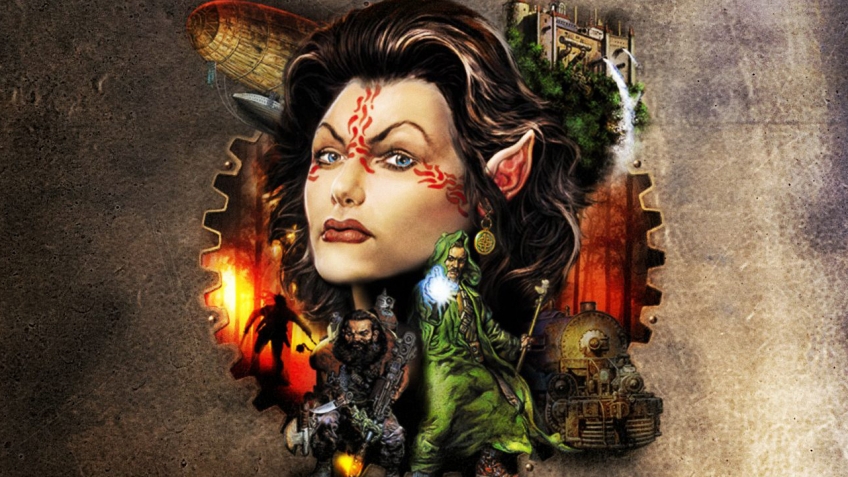
1. Arcanum: Of Steamworks and Magick Obscura
This RPG dared to blend high fantasy with steampunk, creating a world where magic and technology clashed. Your choices genuinely mattered, shaping not just your character but the very fabric of society around you. While often overshadowed by its contemporaries and plagued by technical quirks, Arcanum’s intricate lore, freedom of role-playing, and moral ambiguities laid groundwork for future open-ended adventures, proving that deep world-building could coexist with player agency, even if the execution was sometimes a little rough around the edges.
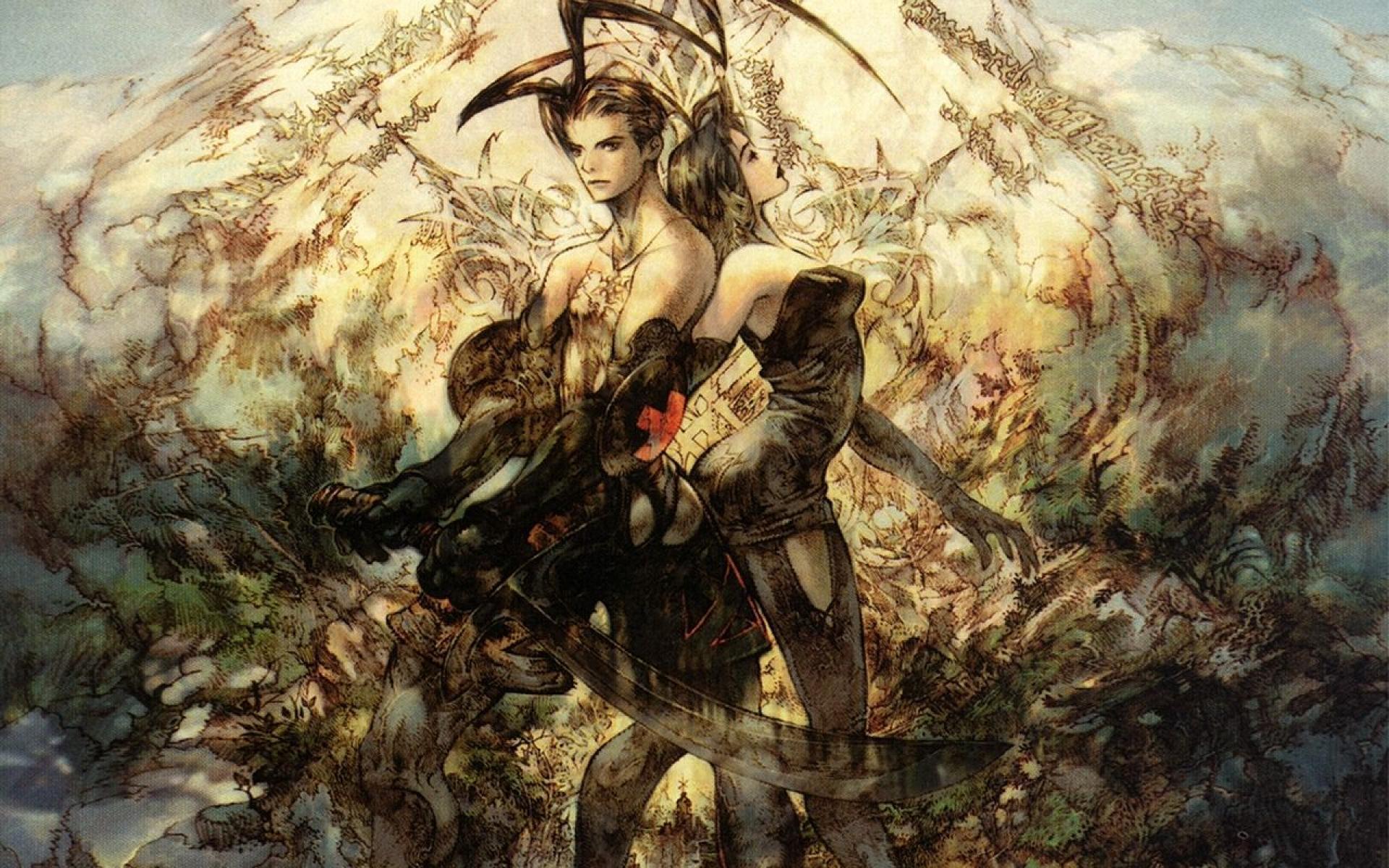
2. Vagrant Story (2000)
Squaresoft's PlayStation masterpiece was a dark, intricate action RPG that defied easy categorization. Its deep weapon customization, unique risk/reward combat system, and sprawling, interconnected dungeon design were revolutionary. The game's mature narrative, rendered in a stunning, gothic art style, delivered a story far more complex than its console peers. Vagrant Story pushed technical and narrative boundaries, yet it remains a cult classic, a testament to its singular vision that still feels remarkably fresh.
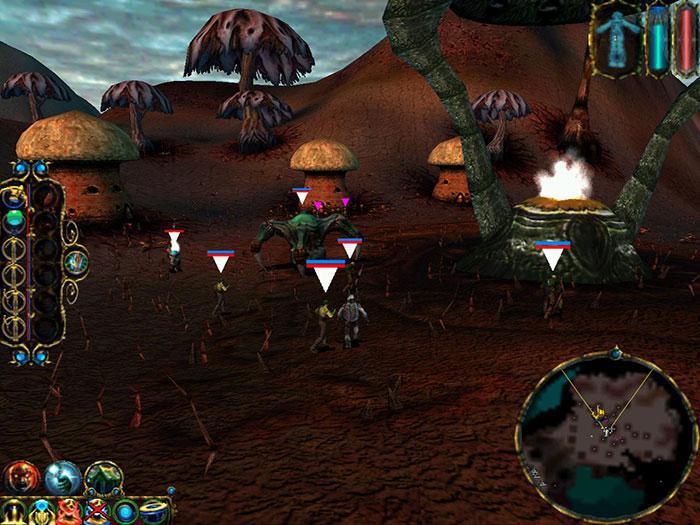
3. Sacrifice
A true original, Sacrifice fused real-time strategy with third-person action, letting players directly control a wizard on a chaotic battlefield. Commanding grotesque creatures while raining down devastating spells was unique. Its dark, surreal art style and irreverent humor, combined with genuine strategic depth, made it stand out. Though never a commercial giant, its innovative gameplay loop and distinct personality influenced later games that tried to blend genres, proving that audacious design could yield compelling results.

4. Condemned: Criminal Origins
This Xbox 360 launch title delivered a brutal, visceral first-person horror experience unlike anything before it. Focusing almost entirely on melee combat and forensic investigation, it created an oppressive atmosphere of urban decay and psychological dread. The lack of abundant firearms forced players into desperate, up-close encounters. Condemned’s gritty realism and unsettling narrative set a new standard for horror games, demonstrating that fear could be generated through desperation and vulnerability, not just jump scares.
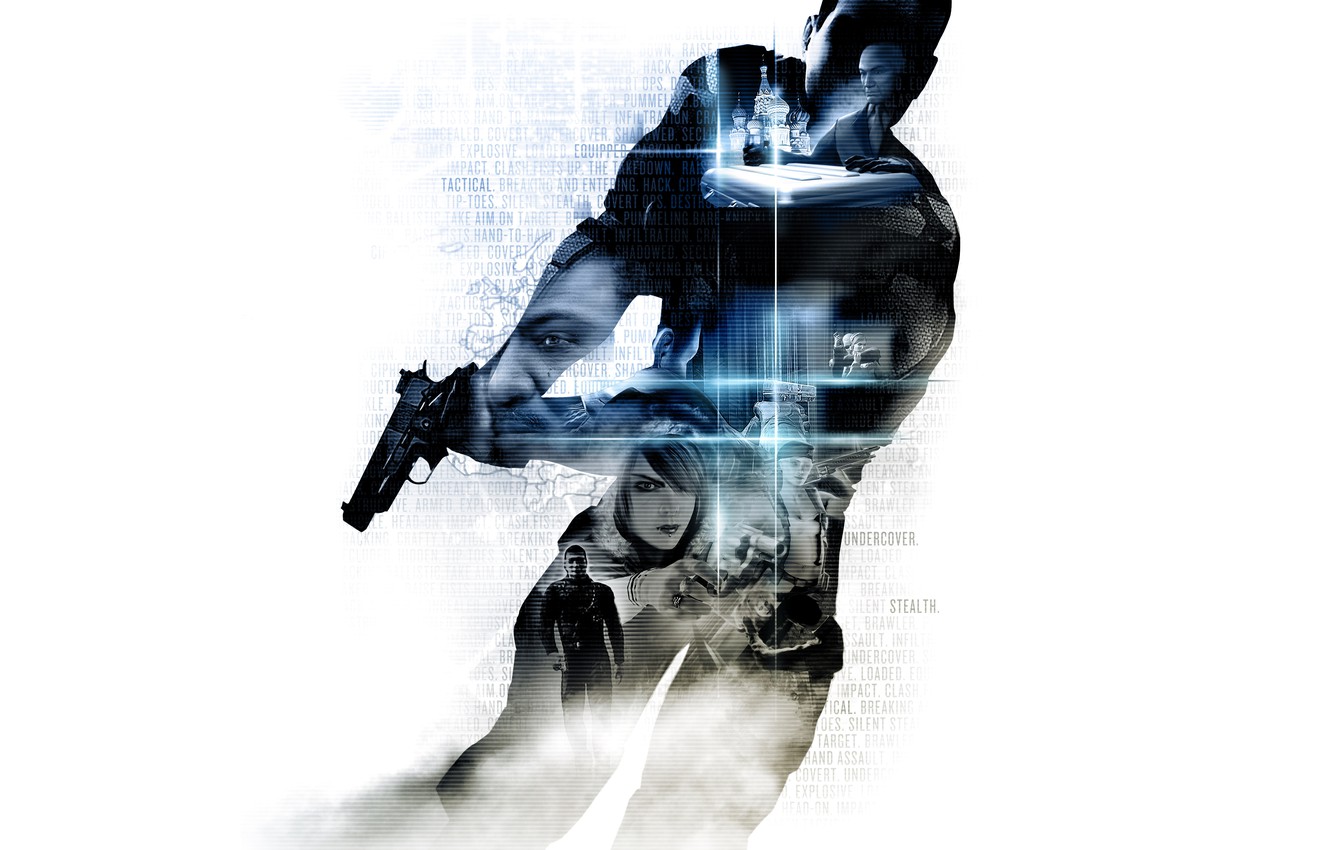
5. Alpha Protocol
Obsidian’s spy RPG was a rough gem, often dismissed for its clunky combat, yet its narrative ambition was unparalleled. Player choice didn't just affect outcomes; it fundamentally altered character relationships and mission structures in profound ways. The branching dialogue and reputation systems created a truly reactive world, a testament to genuine role-playing. Alpha Protocol championed narrative depth and player agency over polished mechanics, influencing many subsequent games that sought to empower player decisions.
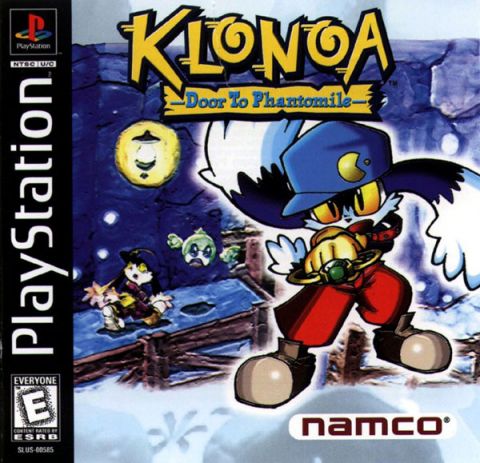
6. Klonoa: Door to Phantomile
This PlayStation platformer showcased an ingenious blend of 2D gameplay within a 3D world, creating a vibrant, unique aesthetic. Klonoa's "grab-and-throw" mechanic, allowing him to interact with enemies and the environment in innovative ways, was deceptively simple yet offered surprising depth. Beyond its charming visuals and clever level design, it told a surprisingly poignant story. Klonoa proved that innovation in platforming wasn't dead, offering a heartwarming, memorable experience often overlooked.
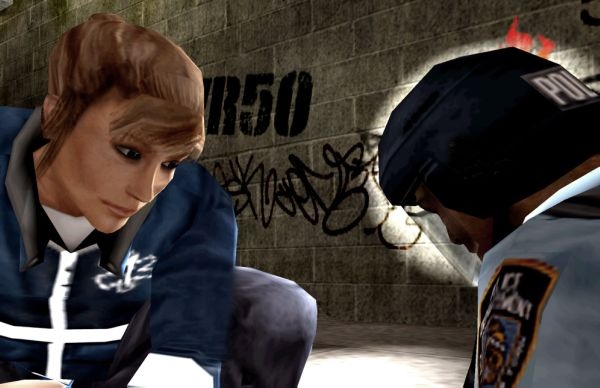
7. Urban Chaos: Riot Response
This first-person shooter threw players into the boots of a riot cop, tasked with quelling urban unrest. Its frantic, close-quarters combat, unique shield mechanics, and emphasis on environmental interaction made it stand out from the crowded FPS market. The game captured a raw, visceral intensity, forcing tactical decision-making amidst overwhelming odds. Urban Chaos delivered a distinct, aggressive experience, pushing the boundaries of what an FPS could be beyond military settings.