
1 / 8
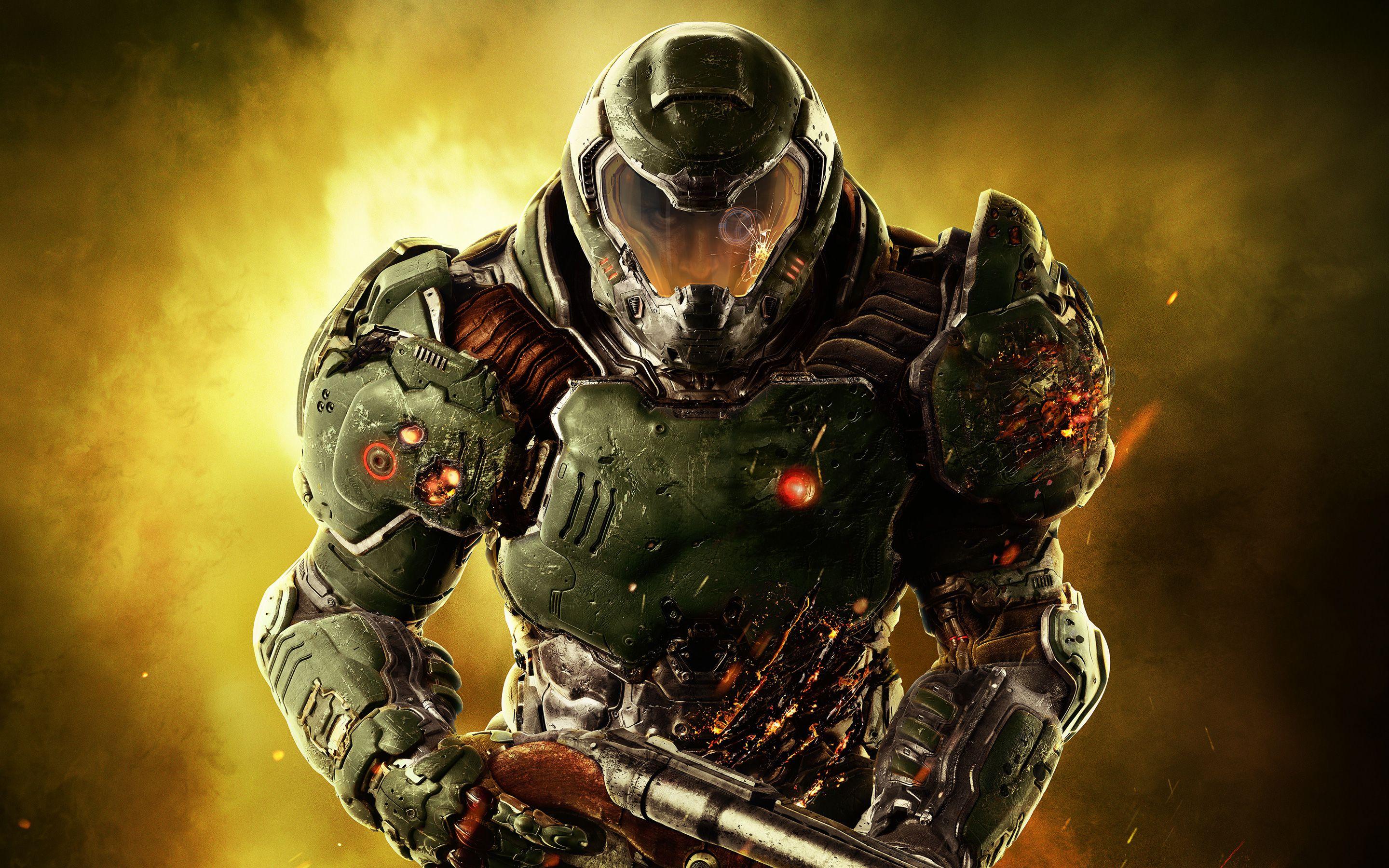
1. DOOM (2016)
This wasn't just a reboot; it was a defiant roar, proving that single-player, adrenaline-fueled FPS could still dominate. It stripped away unnecessary bloat, focusing on aggressive combat, mobility, and a visceral power fantasy. And it set a new bar for how to modernize a classic, influencing a wave of action-heavy titles that embraced player agency over cinematic spectacle. It quietly reminded developers what made shooters fun in the first place.
2 / 8

2. Tetris (1984)
Born from a Soviet computer, Tetris became a global phenomenon, transcending language and culture with its simple, addictive premise. It proved that a game didn't need complex narratives or cutting-edge graphics to captivate millions. And it laid foundational groundwork for puzzle games, even shaping the nascent mobile gaming landscape long before smartphones existed, a testament to its universal design.
3 / 8
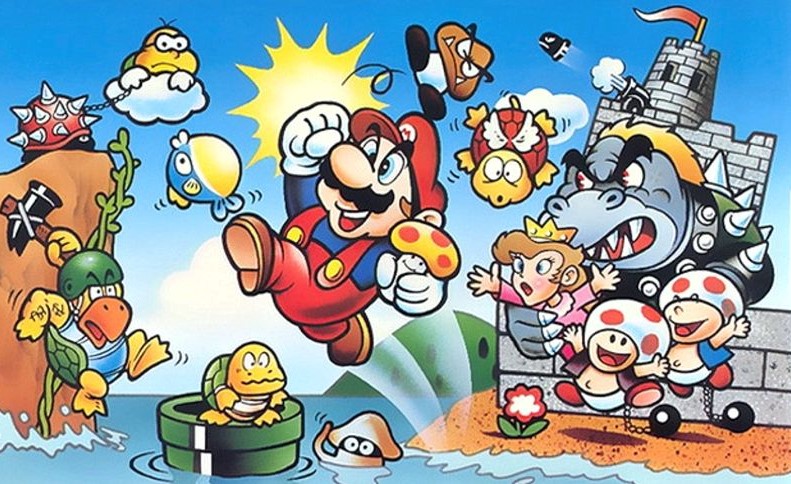
3. Super Mario Bros.
When Nintendo released Super Mario Bros., it didn't just create a game; it single-handedly revitalized a collapsing industry. Its precise platforming, imaginative level design, and iconic hero established the blueprint for countless games that followed. And it taught a generation about secrets, exploration, and the sheer joy of movement, cementing itself as an enduring symbol of gaming itself.
4 / 8
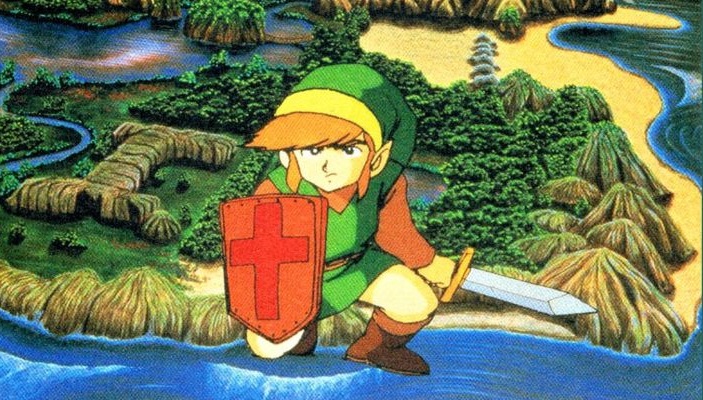
4. The Legend of Zelda
This game wasn't just about saving a princess; it was about the journey, the discovery, and the sense of genuine adventure. It pioneered open-world design long before the term was commonplace, encouraging players to explore, solve puzzles, and uncover secrets at their own pace. And it instilled a profound sense of wonder, shaping how many perceived epic fantasy narratives in interactive media.
5 / 8
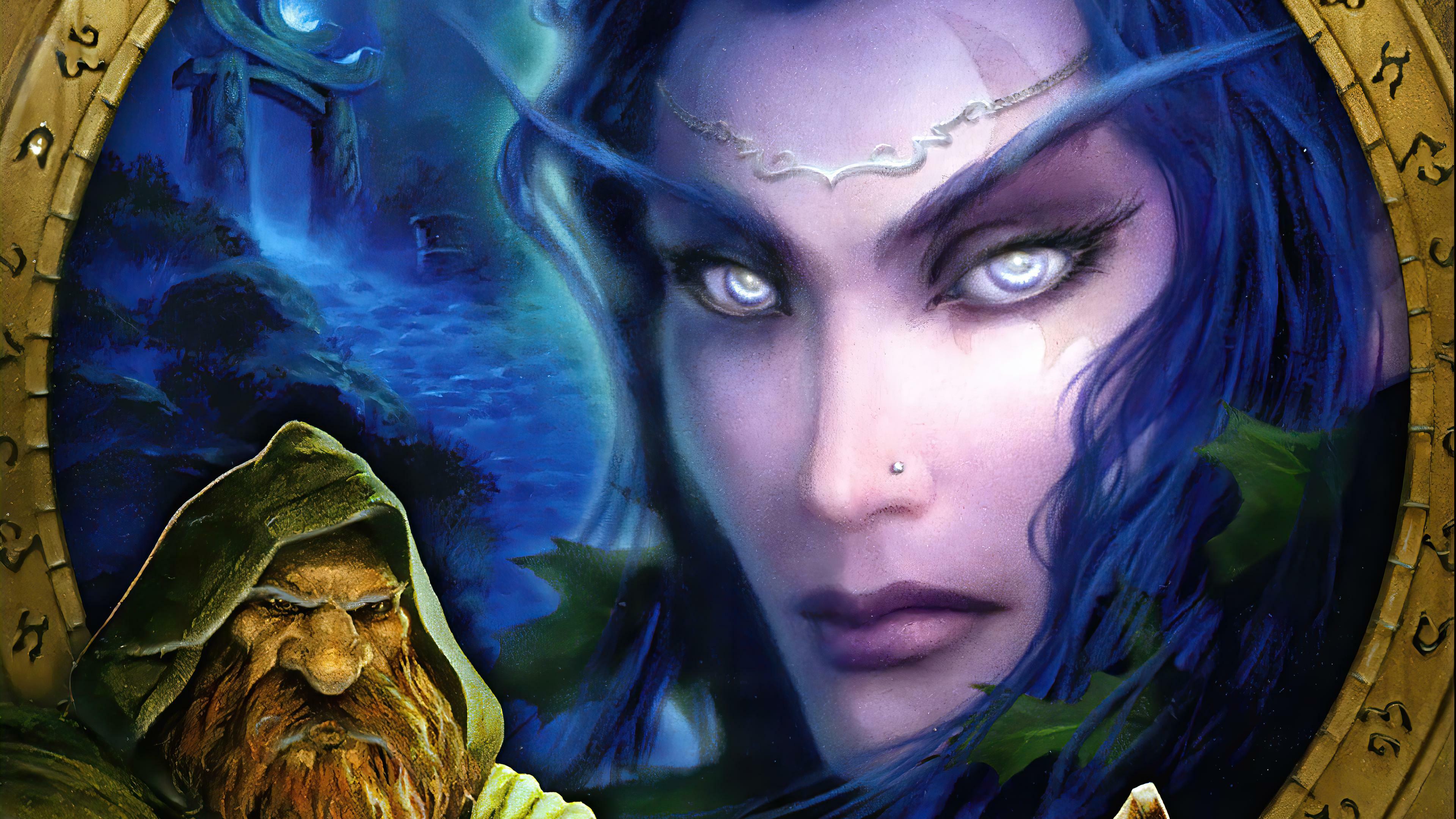
5. World of Warcraft
More than just an MMO, World of Warcraft constructed virtual societies, complete with economies, politics, and social hierarchies. It became a second home for millions, blurring lines between real and digital life, fostering friendships and rivalries on an unprecedented scale. And it solidified the subscription model, demonstrating the immense power of persistent online worlds to hold player attention for years.
6 / 8
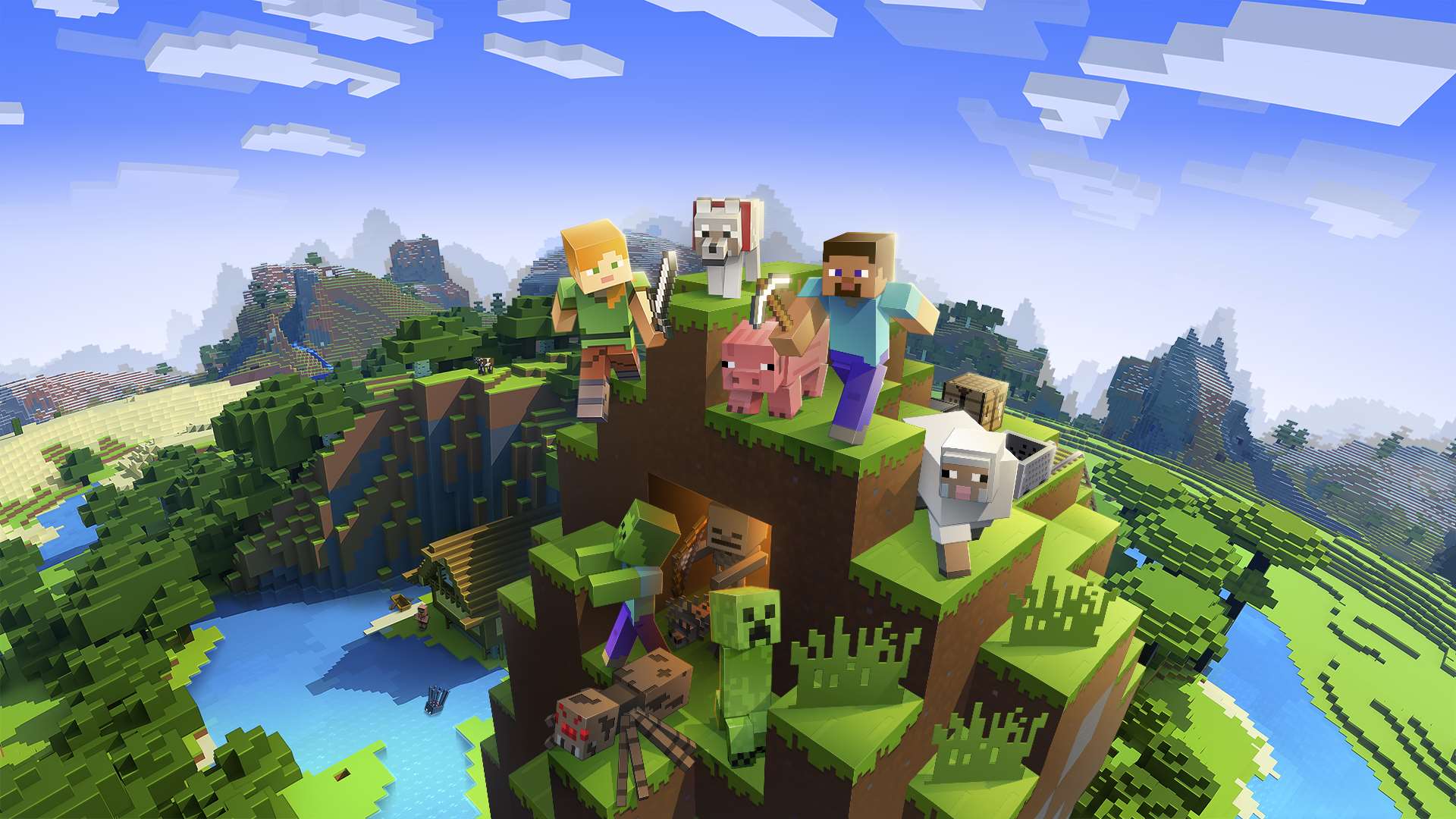
6. Minecraft
Starting as a simple block-building experiment, Minecraft evolved into a cultural behemoth. It democratized game design, empowering players to create anything imaginable, from simple homes to complex machines. And it became a global sandbox for creativity, education, and social interaction, proving that open-ended play and player-generated content could drive a phenomenon unlike any before it.
7 / 8
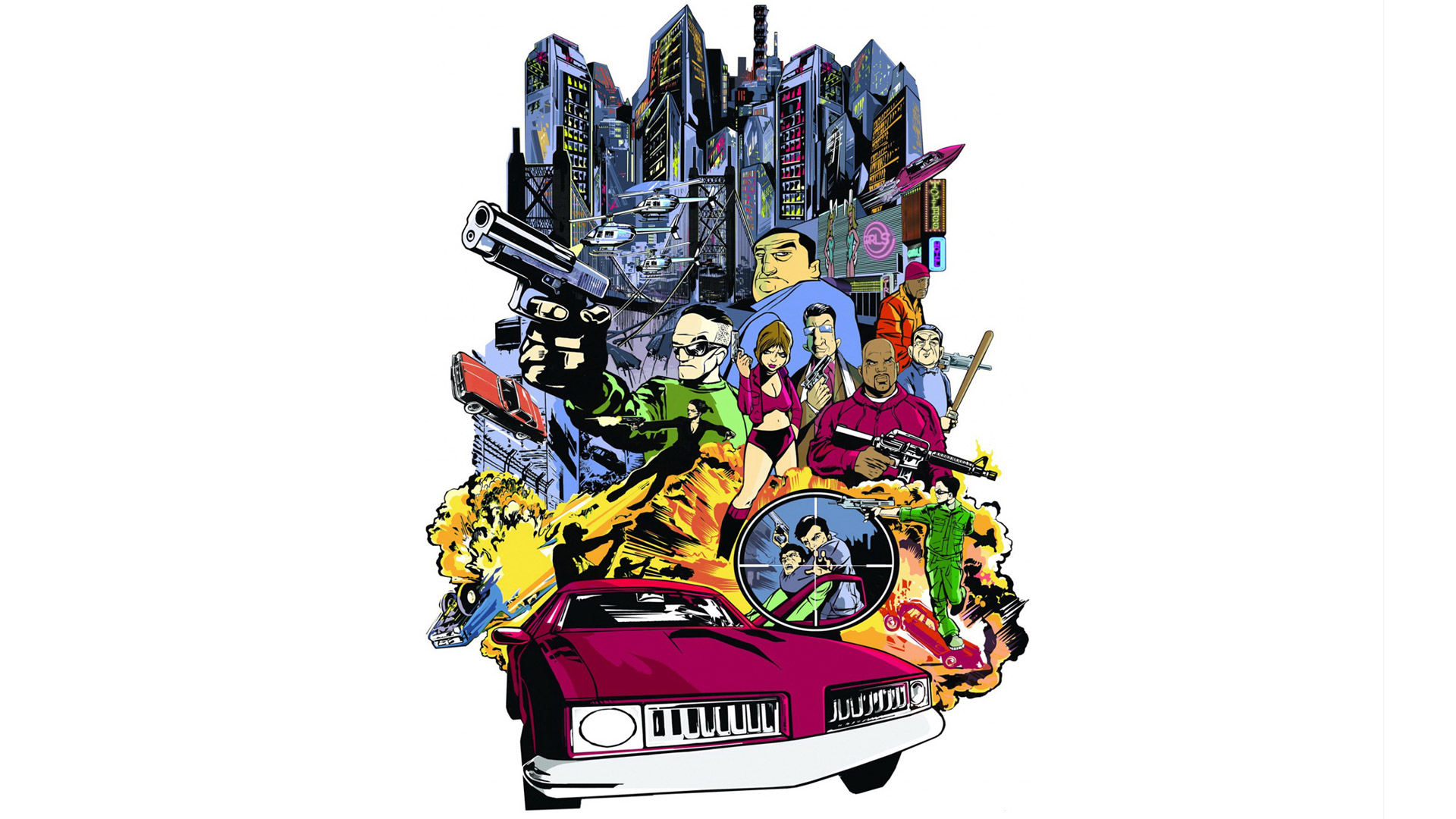
7. Grand Theft Auto III
This game threw open the doors to true 3D open-world freedom, letting players rampage through a living, breathing city. It was controversial, certainly, pushing boundaries with its mature themes and unchecked violence. But it also proved that vast, interactive urban environments could be compelling playgrounds, influencing an entire genre and redefining player agency in digital spaces.
8 / 8

8. Pong (1972)
Pong wasn't just a game; it was the spark. Its minimalist design, simulating table tennis, introduced interactive entertainment to the masses, both in arcades and homes. It proved that simple, competitive play could be universally engaging. And it laid the absolute groundwork for the entire video game industry, a foundational pillar from which all subsequent digital diversions sprang.