

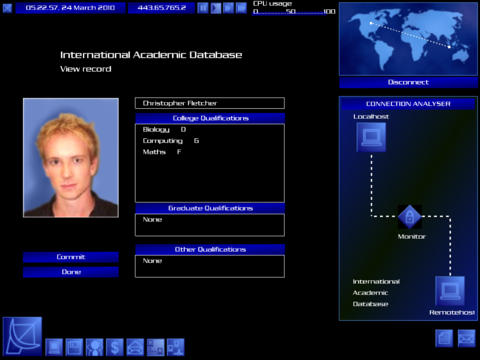
1. Uplink
Uplink, released in 2001, wasn't just a game; it was an invitation into a clandestine digital world. It let you live out the fantasy of being an elite hacker, performing illicit jobs, cracking systems, and navigating a shadowy network. The minimalist interface and intricate lore created a deeply immersive, almost unsettling sense of responsibility. For a generation fascinated by cyber-thrillers, it offered a surprisingly tangible and intellectual simulation of digital espionage, proving that complexity and atmosphere could thrive without photorealistic graphics.
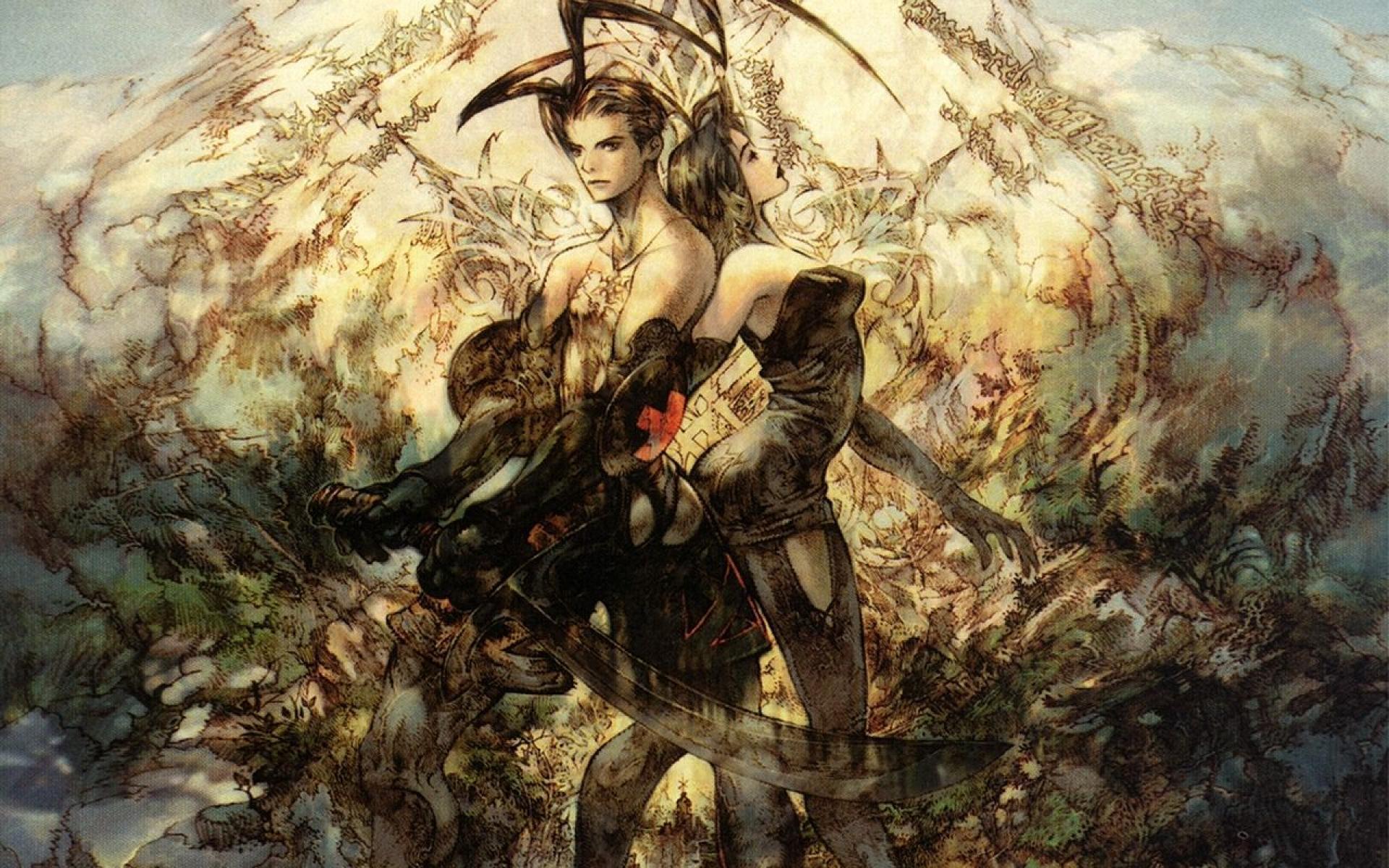
2. Vagrant Story (2000)
Vagrant Story, from the year 2000, stood as a monumental artistic achievement on the PlayStation. Its intricate, dark fantasy narrative, coupled with a revolutionary combat system that demanded precision and strategic limb-targeting, set it apart. The game's distinct visual style, a gritty blend of pre-rendered backgrounds and detailed character models, forged an unparalleled atmosphere. It challenged players with its complexity, refusing easy answers and solidifying its place as a cult classic for those who appreciated depth over broad appeal.
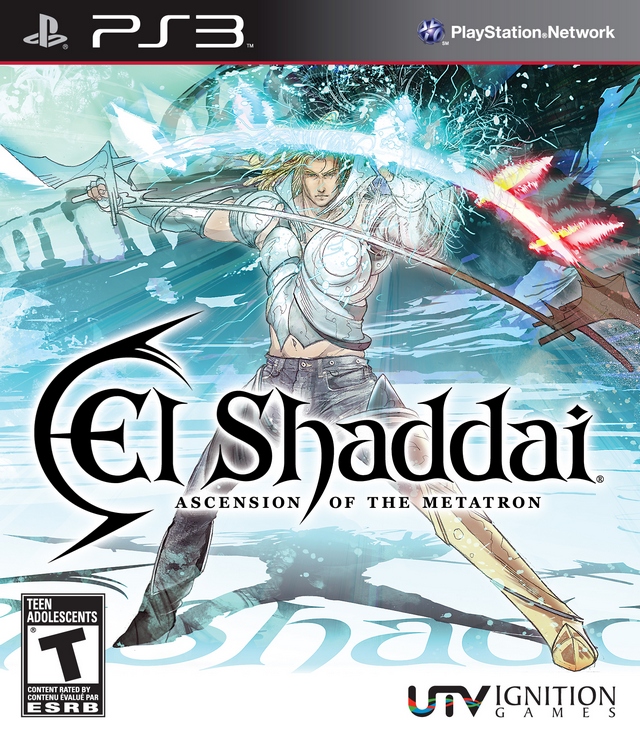
3. El Shaddai: Ascension of the Metatron
El Shaddai: Ascension of the Metatron, a 2011 release, was a visual feast, presenting a biblical epic through a constantly evolving, dreamlike art style. Its fluid action combat, while not groundbreaking, served as a compelling vehicle for the game's true star: its aesthetic. The vibrant, often abstract landscapes and character designs pushed visual boundaries, creating a surreal, almost hypnotic experience. It was a bold, artistic statement in an era often dominated by graphical realism, proving that distinct vision could elevate a game beyond its mechanics.

4. killer7
killer7, a 2005 title, epitomized Suda51's unique, often unsettling vision. This on-rails shooter, with its striking cel-shaded graphics and deeply fractured narrative, plunged players into a world of political intrigue, psychological horror, and multiple personalities. It was a disorienting, provocative experience that defied conventional genre norms, forcing players to confront difficult themes through its abstract presentation. For those seeking something genuinely different, killer7 was a mind-bending journey that left an indelible mark, challenging perceptions of what video games could be.
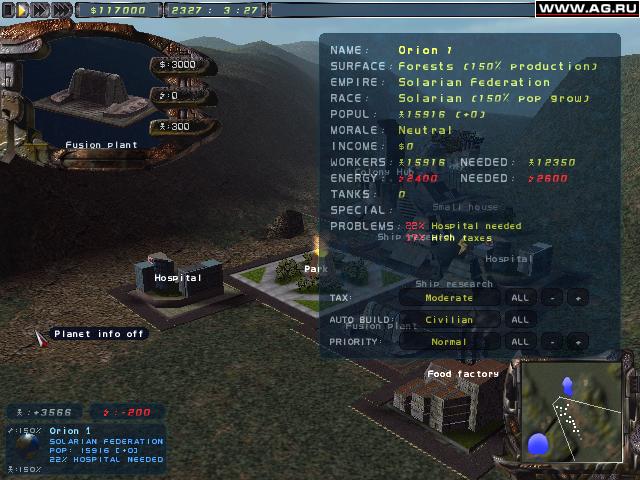
5. Imperium Galactica II: Alliances
Imperium Galactica II: Alliances, hitting PCs in 1999, was a sprawling space opera, a masterclass in blending real-time strategy with 4X grand strategy. Managing an interstellar empire involved intricate diplomacy, economic management, technological research, and tactical space battles. Its sheer depth and scope were captivating, offering a comprehensive simulation of galactic conquest. The game demanded patience and strategic foresight, rewarding players who delved into its complex systems with a truly immersive and ambitious sci-fi experience that shaped a generation's understanding of empire-building sims.
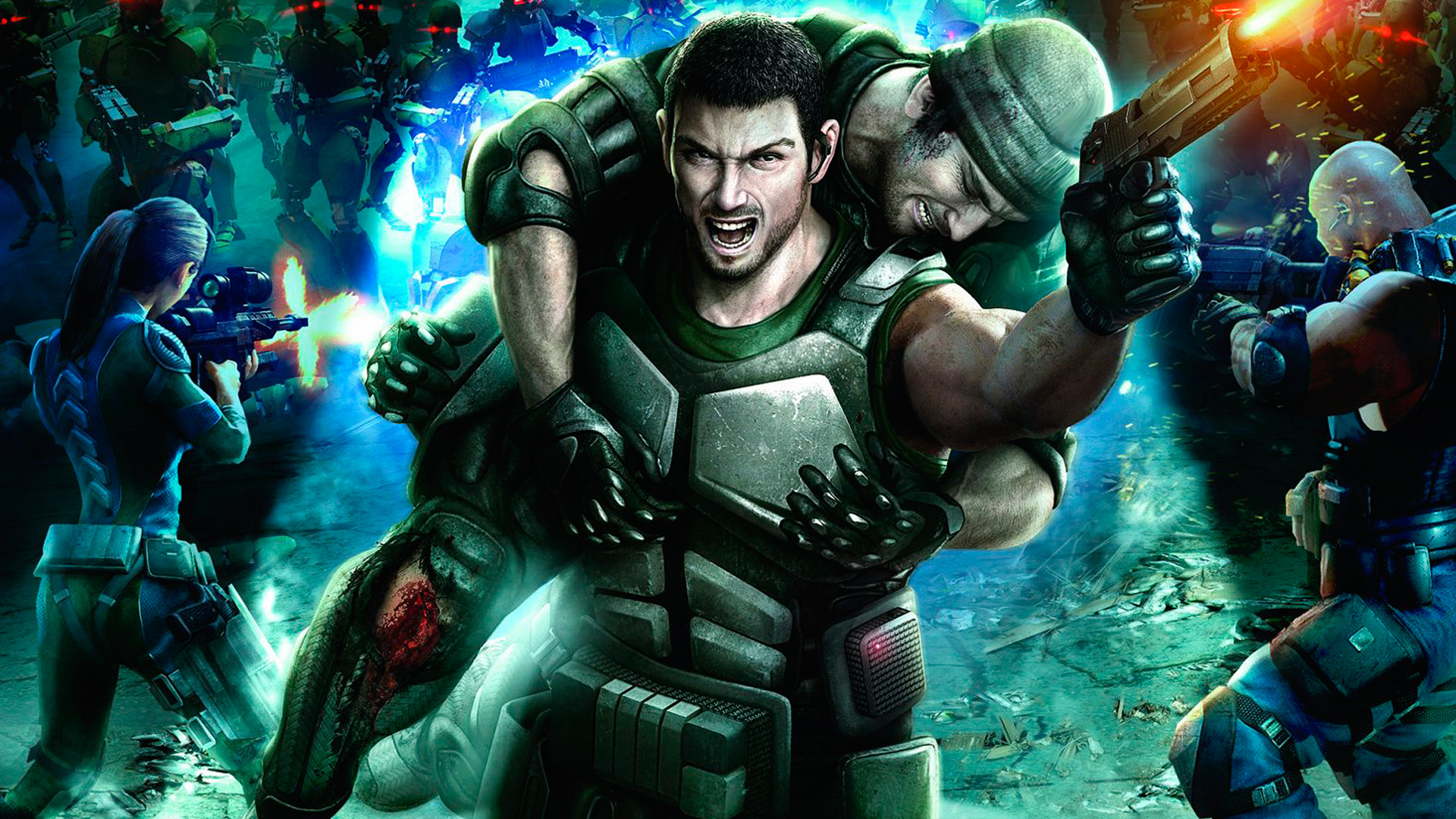
6. Binary Domain
Binary Domain, released in 2012, was a surprisingly thoughtful third-person shooter from the Yakuza studio. It distinguished itself with a unique "trust" system and voice-command mechanics, attempting to foster genuine squad camaraderie. While not perfect, its distinct setting—a near-future Tokyo overrun by rogue robots—and emphasis on dismembering metallic foes offered satisfying combat. It was an ambitious, if overlooked, title that explored themes of artificial intelligence and humanity with more depth than its action-packed exterior suggested, earning a quiet admiration from those who played it.

7. Baba Is You
Baba Is You, launched in 2019, redefined the puzzle genre through its simple yet profoundly ingenious mechanic: manipulating the rules of the game itself. By pushing around blocks representing words, players could change objectives, object properties, and even their own identity. It demanded a completely different way of thinking, breaking down conventional logic and fostering immense creativity. The minimalist presentation belied a game of astonishing depth, proving that true innovation in game design often comes from challenging the very foundations of interaction.