

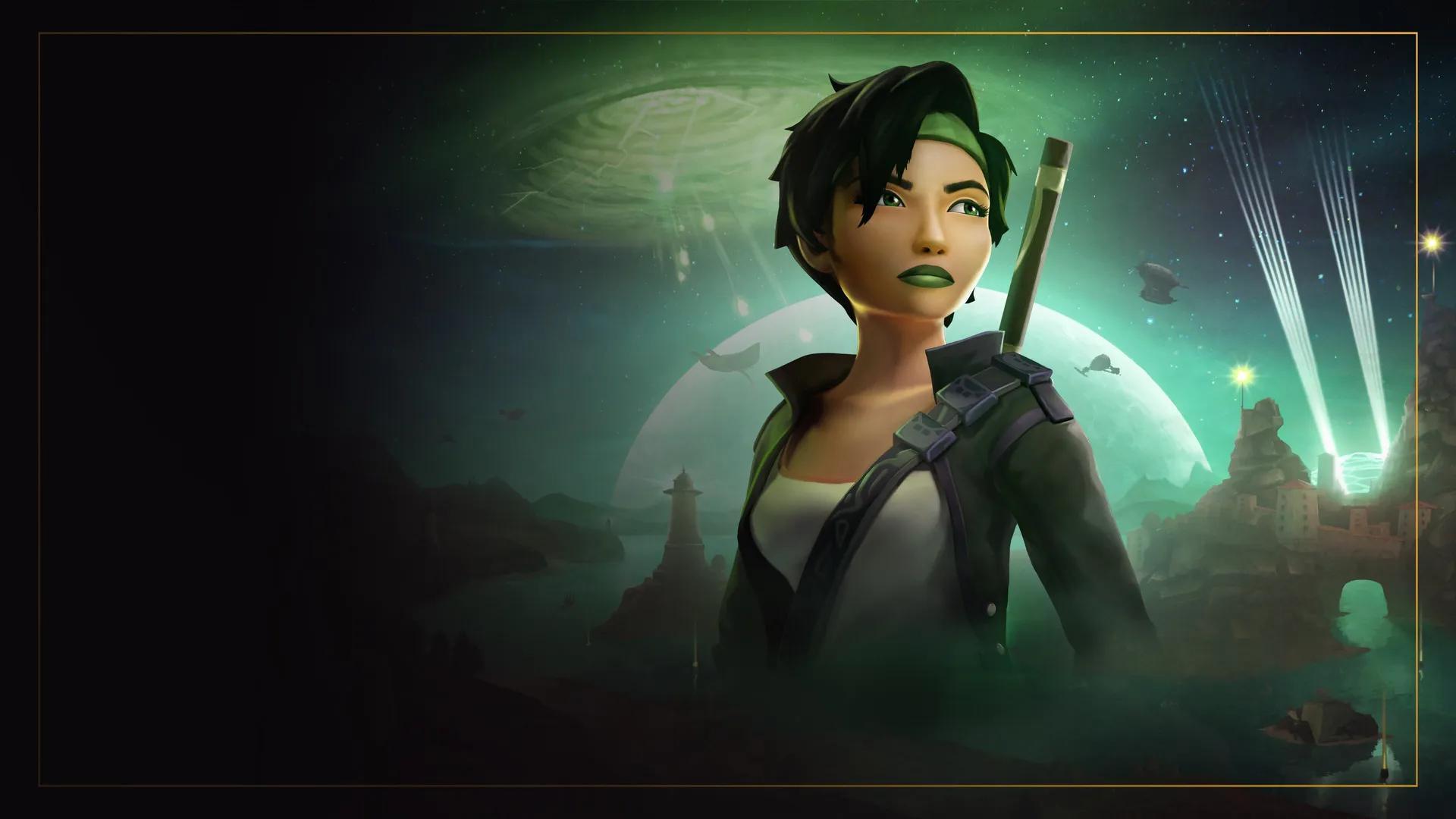
1. Beyond Good & Evil - 20th Anniversary Edition
Ubisoft's original adventure, now polished for a new generation, often gets lauded for its compelling characters and unique world-building. Its real impact, however, lies in how it seamlessly blended stealth, combat, and investigative photography long before others caught on. This remastered edition reminds us that deep narrative and varied gameplay loops aren't new innovations, but rather enduring design philosophies, shaping future action-adventure titles even today.
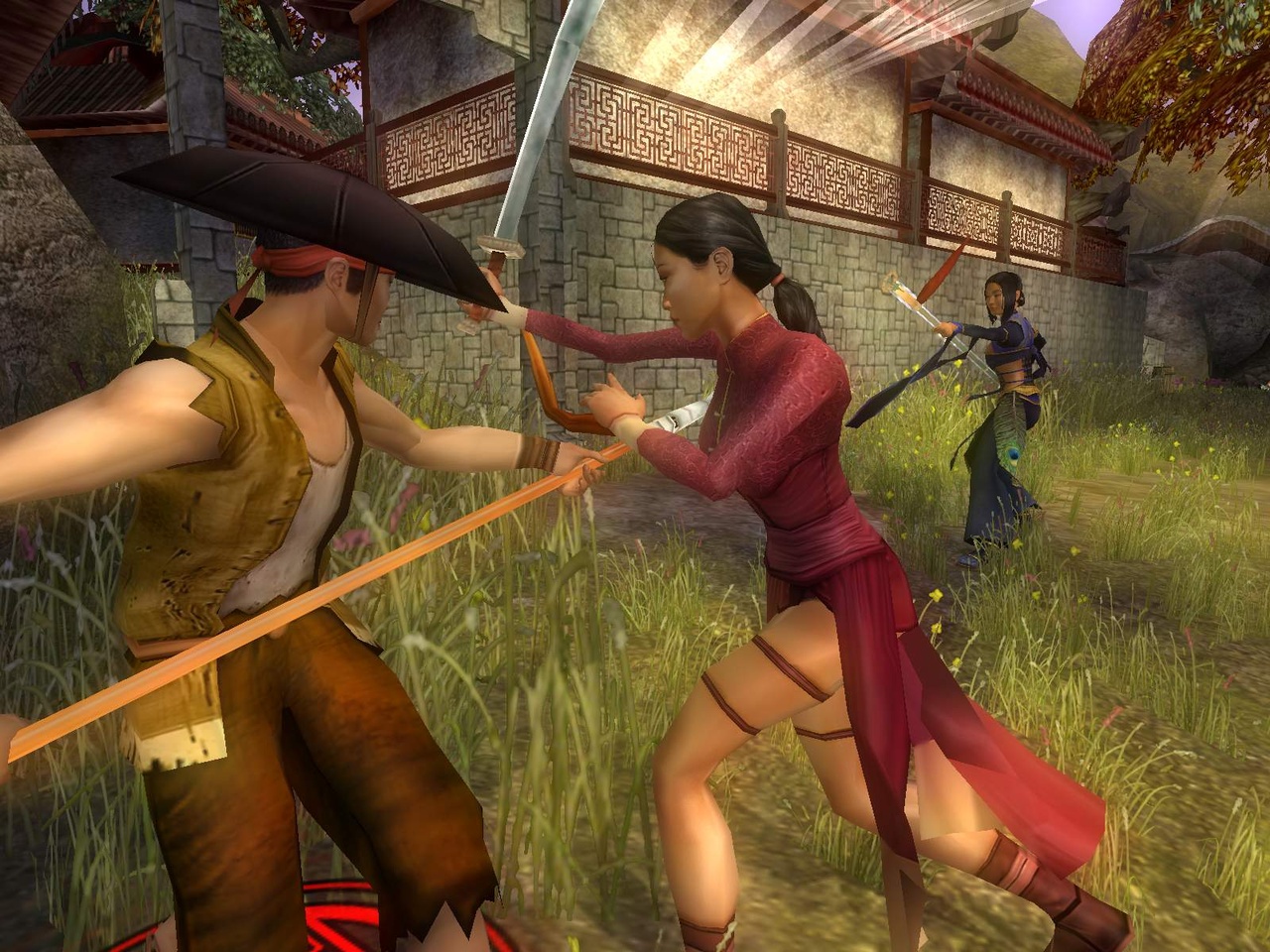
2. Jade Empire
BioWare’s venture into a mythical ancient China carved a distinct path in the RPG landscape. It innovated with its "open palm, closed fist" morality system, offering nuanced choices that truly felt consequential to your character’s philosophy, not just arbitrary good-evil points. The real-time combat, a departure from their usual fare, also influenced how future RPGs integrated action, proving that intricate storytelling could coexist with dynamic martial arts encounters.
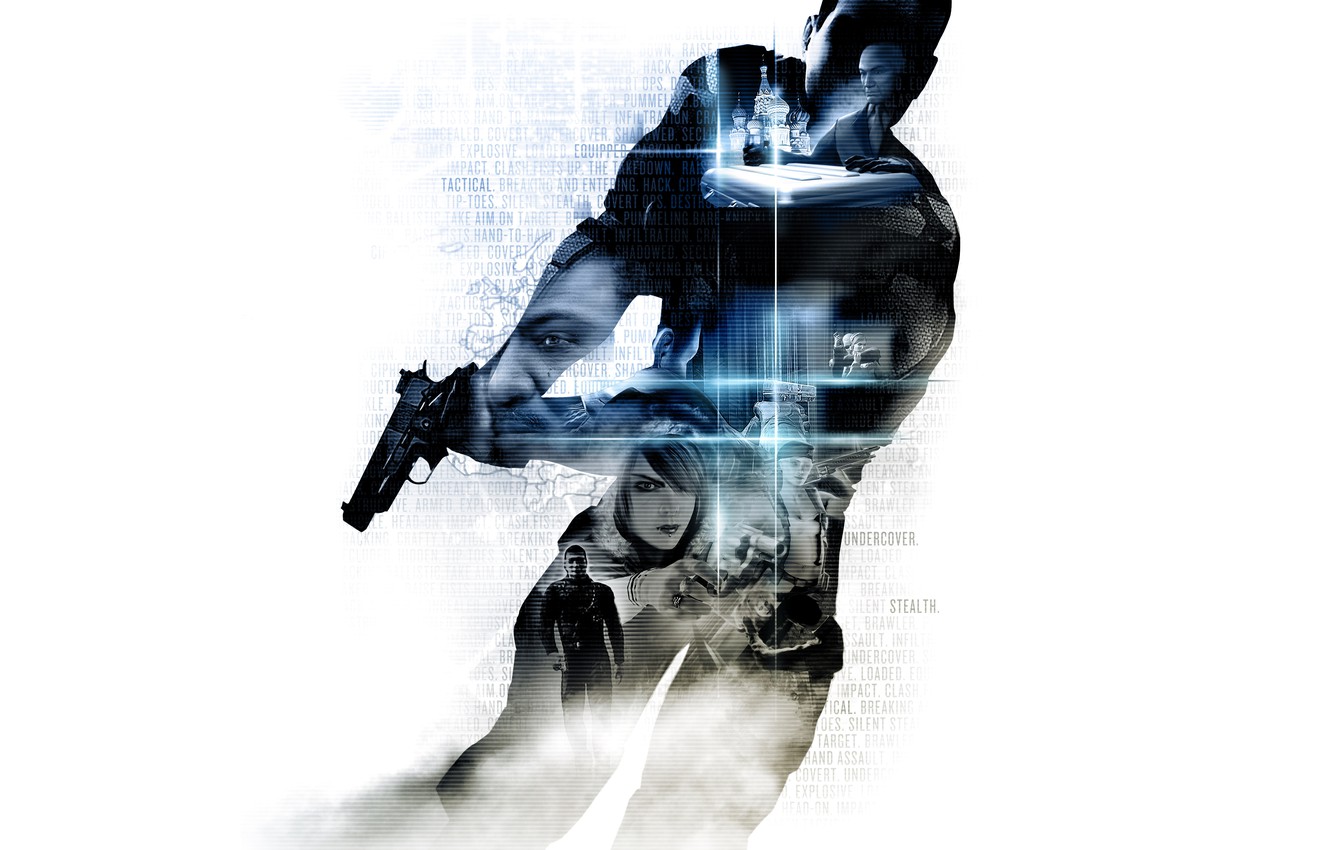
3. Alpha Protocol
Obsidian's spy RPG was a rough gem, yet its influence on choice-driven narratives is undeniable. It dared to present a world where player decisions, even minor dialogue options, genuinely branched the story, character relationships, and mission outcomes in unprecedented ways. Many systems we now take for granted in modern narrative games, from reputation mechanics to persistent consequences, found their grimy, often unforgiving, proving ground here. It was ahead of its time.

4. Condemned: Criminal Origins
This horror title redefined first-person melee combat, making every swing, every block, feel brutally impactful. Its true legacy, however, is its masterclass in environmental storytelling and psychological dread. The derelict urban decay, coupled with forensic investigation mechanics, immersed players in a uniquely disturbing atmosphere. It showed developers how to craft a truly 'gritty' experience, influencing later titles seeking visceral horror and a sense of desperate survival.
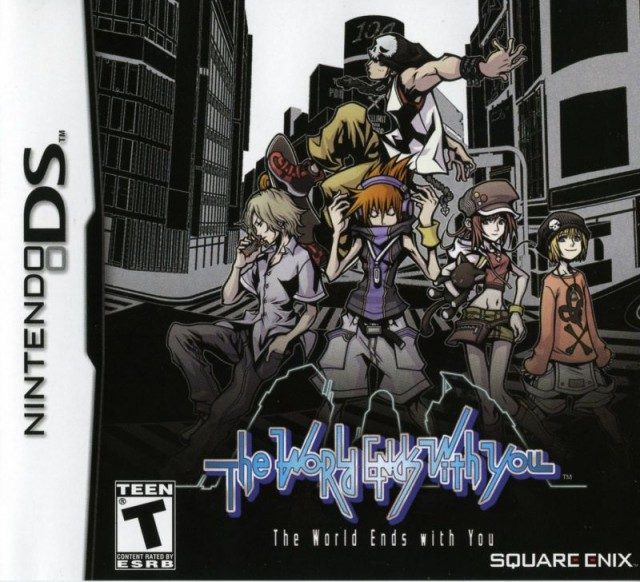
5. The World Ends With You DS
SQUARE ENIX’s DS title was a bold experiment, turning Shibuya's vibrant youth culture into a tactile, dual-screen RPG. Its innovative combat system, requiring simultaneous control across two screens, pushed hardware boundaries and player coordination. But its deeper influence lies in its unapologetic embrace of contemporary style, music, and urban themes, demonstrating that JRPGs didn't need medieval fantasy to tell a compelling, emotionally resonant story. It broadened the genre's horizons.

6. Pathologic 2
This game isn't merely difficult; it's an experience designed to make you suffer, and in doing so, it redefined the boundaries of narrative and survival. Its relentless resource management, moral ambiguities, and truly unsettling atmosphere influenced how developers approach player agency and consequence in bleak settings. It demonstrated that games could be intensely uncomfortable, yet profoundly thought-provoking, pushing against conventional notions of 'fun' to deliver something far deeper.
7. Singularity
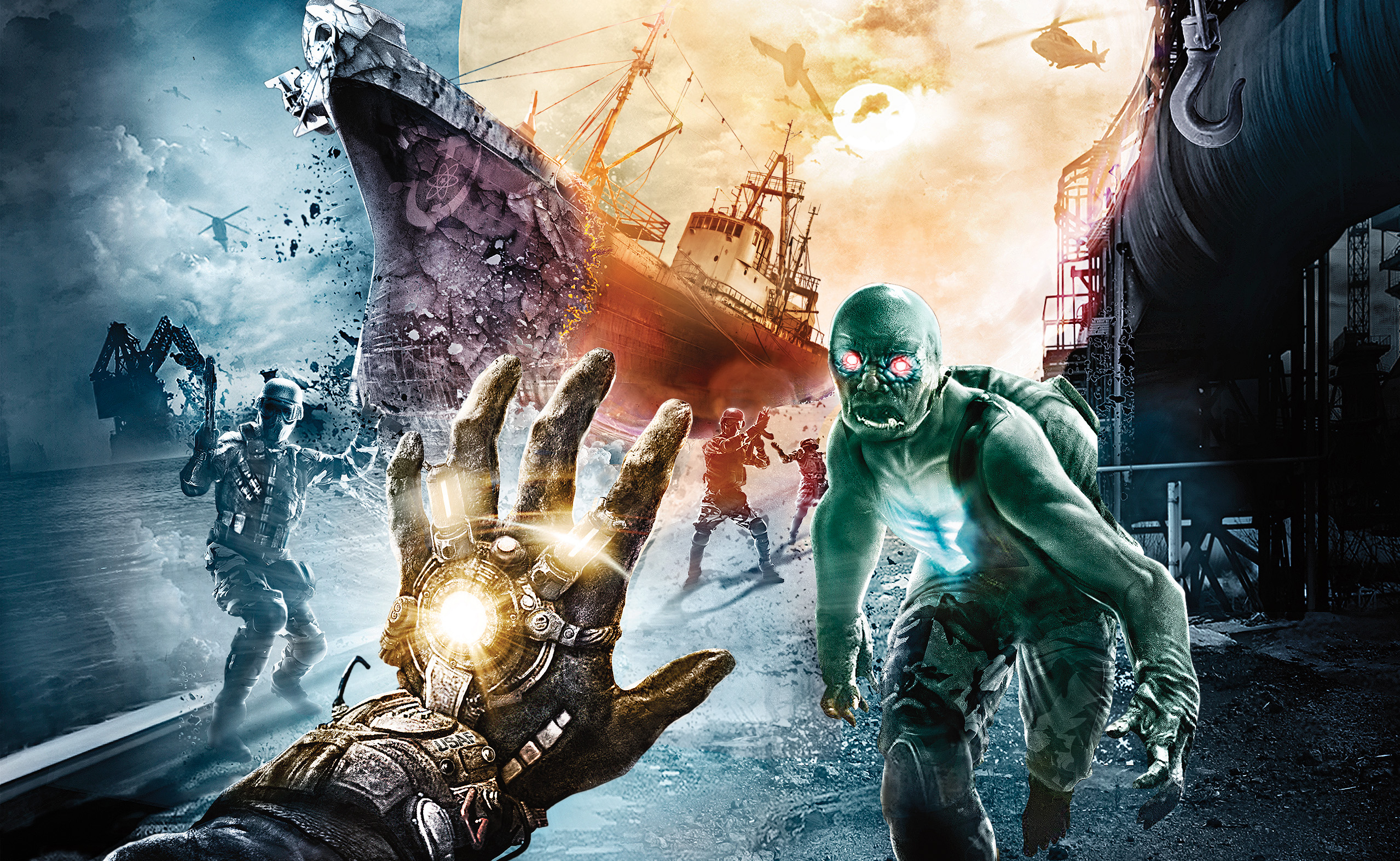
Raven Software's overlooked FPS masterfully wove time manipulation into its core mechanics, allowing players to age and de-age objects, solve puzzles, and even weaponize temporal effects. Its influence, though subtle, can be seen in later games that toy with environmental interaction and unique abilities beyond standard gunplay. It proved that a sci-fi shooter could be both a thrilling action experience and a clever puzzle game, without sacrificing either.

8. Split/Second
This arcade racer brought unprecedented spectacle to the genre, turning tracks into dynamic, destructible playgrounds. Its 'Power Play' mechanic, allowing players to trigger massive environmental changes mid-race, was a groundbreaking innovation. It influenced how future racing games considered environmental interaction and the sheer thrill of chaotic destruction. Split/Second proved that a race wasn't just about speed, but about strategically reshaping the entire course around your opponents.