1 / 10

1. Pong (1972)
Before pixels could paint worlds, there was Pong. This rudimentary table tennis simulation wasn't just a game; it was a revelation, showing millions that a screen could be interactive, social, and endlessly engaging. It etched the blueprint for an entire industry, proving that digital play was viable, even compelling. Pong didn't just start a trend; it sparked a cultural revolution, one simple bounce at a time.
2 / 10
2. Space Invaders (1978)
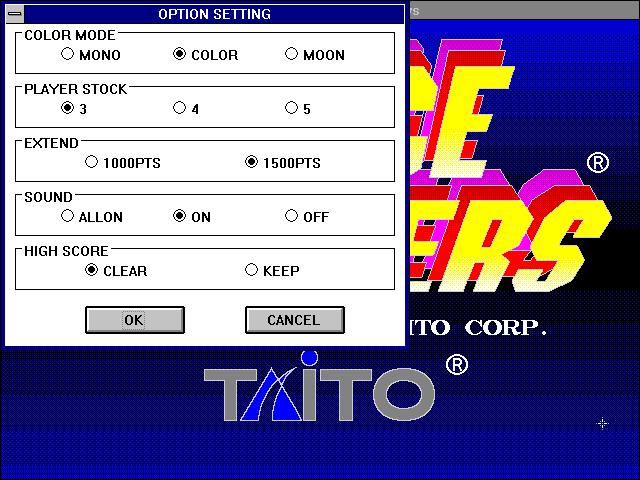
The arcade scene wasn't truly born until Space Invaders descended. Its relentless march of pixelated aliens, coupled with the rising tension of its soundtrack, created a global obsession. This wasn't just about shooting; it was about survival, about high scores, about quarters devoured. Space Invaders proved that digital threats could be universally thrilling, laying groundwork for competitive play and defining arcade appeal.
3 / 10
3. Pac-Man
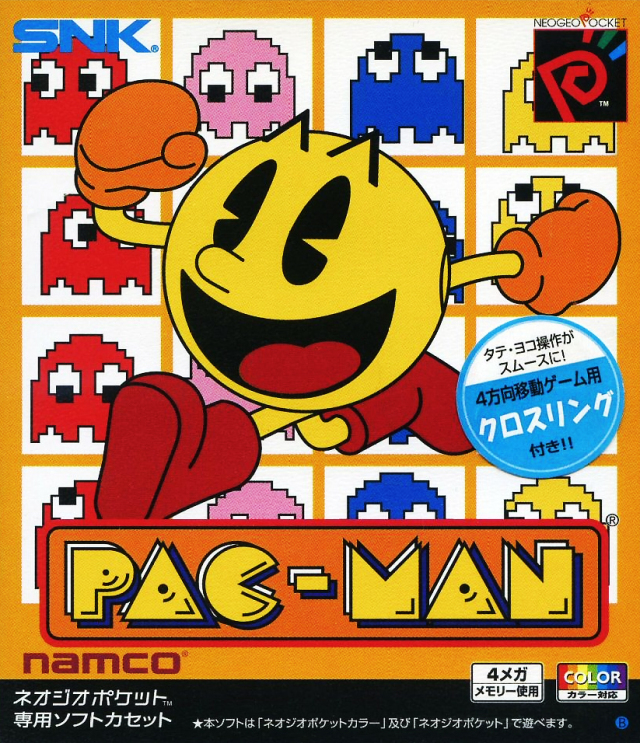
Pac-Man transcended gaming, becoming a pop culture icon. The simple act of gobbling dots and evading ghosts became a global phenomenon, appealing to a broader demographic than any game before it. Its vibrant character, intuitive mechanics, and addictive loop demonstrated the power of design to create universal appeal. Pac-Man showed that games could be more than just abstract challenges; they could be charismatic.
4 / 10
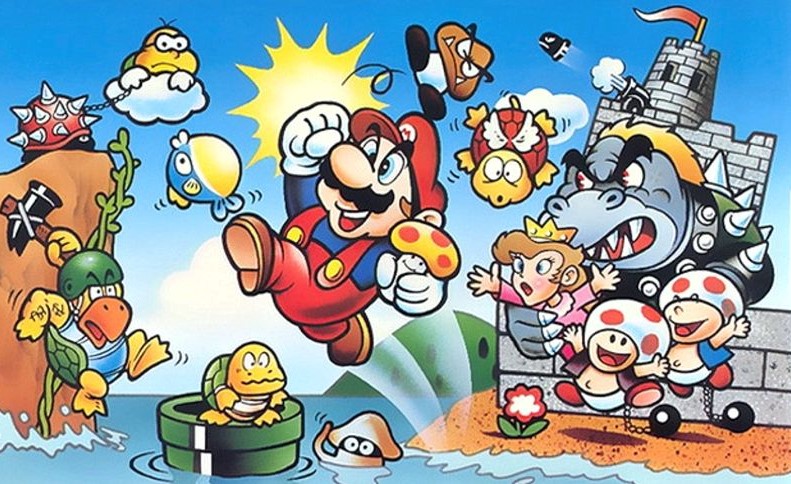
4. Super Mario Bros.
Super Mario Bros. didn't just save the video game industry; it redefined it. Shigeru Miyamoto's masterpiece established the modern platformer, introducing fluid controls, inventive level design, and a protagonist who would become the face of gaming. It taught us to jump, to explore, and to understand complex mechanics intuitively. This game was a masterclass in interactive world-building, truly setting a new standard.
5 / 10

5. Tetris (1984)
Tetris, a game born behind the Iron Curtain, proved that pure, abstract mechanics could conquer the world. Its endlessly falling blocks and perfect-fit challenge created an addiction so profound it spawned its own psychological phenomenon. No narrative, no characters, just geometry and spatial reasoning. Tetris became a universal language of play, demonstrating the timeless appeal of elegantly simple design.
6 / 10

6. DOOM (2016)
The 2016 iteration of DOOM wasn't just a revival; it was a masterclass in reinterpreting a classic. It distilled the essence of its lineage: relentless speed, brutal combat, and an unflinching power fantasy. This wasn't about cover or tactics; it was about aggression, about "push-forward combat" and a heavy metal soundtrack. DOOM proved that intelligent reboots could redefine a genre for a new generation.
7 / 10
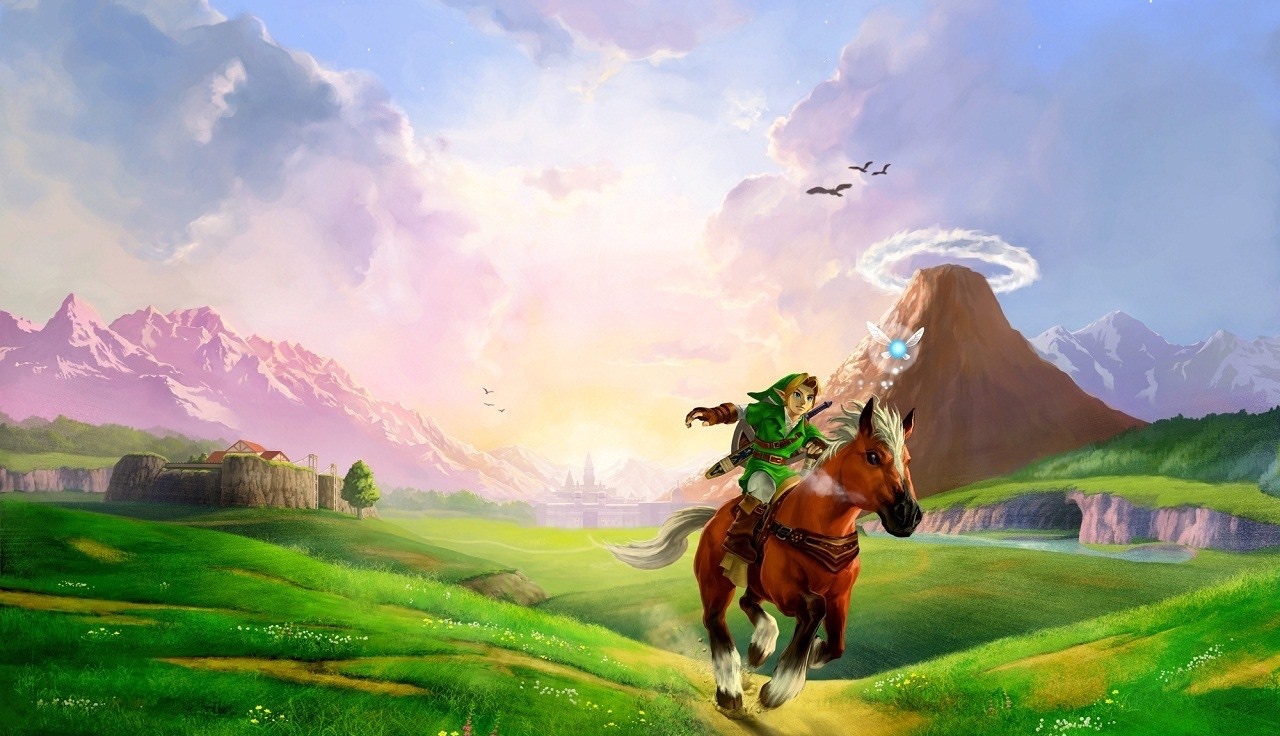
7. The Legend of Zelda: Ocarina of Time
Ocarina of Time didn't just transition Zelda into 3D; it wrote the book on 3D action-adventure. Its expansive world, intricate dungeons, and groundbreaking Z-targeting system became industry standards. The emotional depth of its narrative, coupled with timeless music and innovative mechanics like time travel, solidified its place as a masterpiece. It shaped how we perceived epic interactive storytelling.
8 / 10
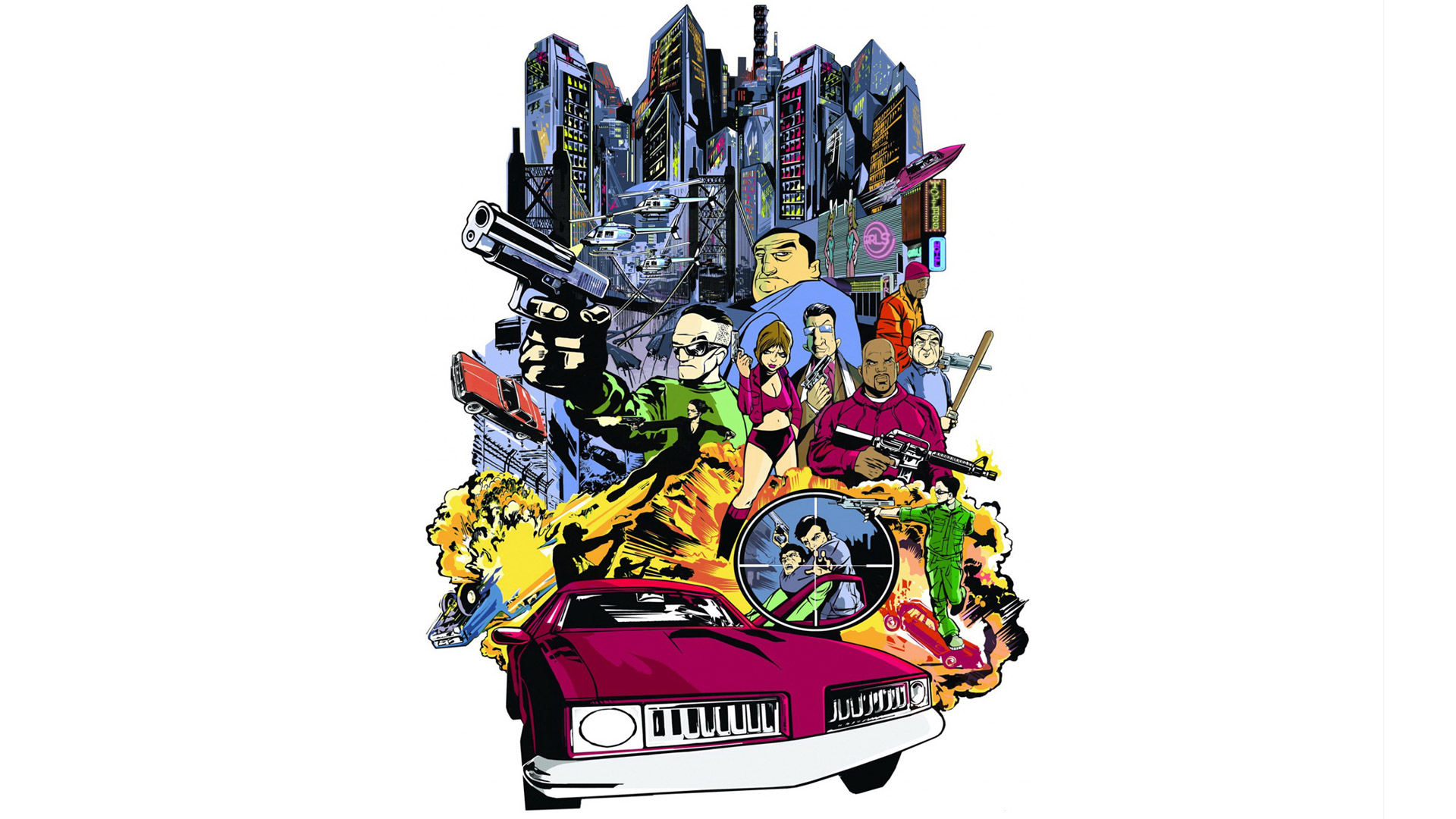
8. Grand Theft Auto III
Grand Theft Auto III blew the doors off what an open world could be. Its sprawling, crime-ridden Liberty City offered unprecedented freedom, letting players carve their own chaotic path through a living, breathing metropolis. The controversy it courted only amplified its cultural impact, proving that games could tackle mature themes, albeit provocatively, and still redefine player agency.
9 / 10
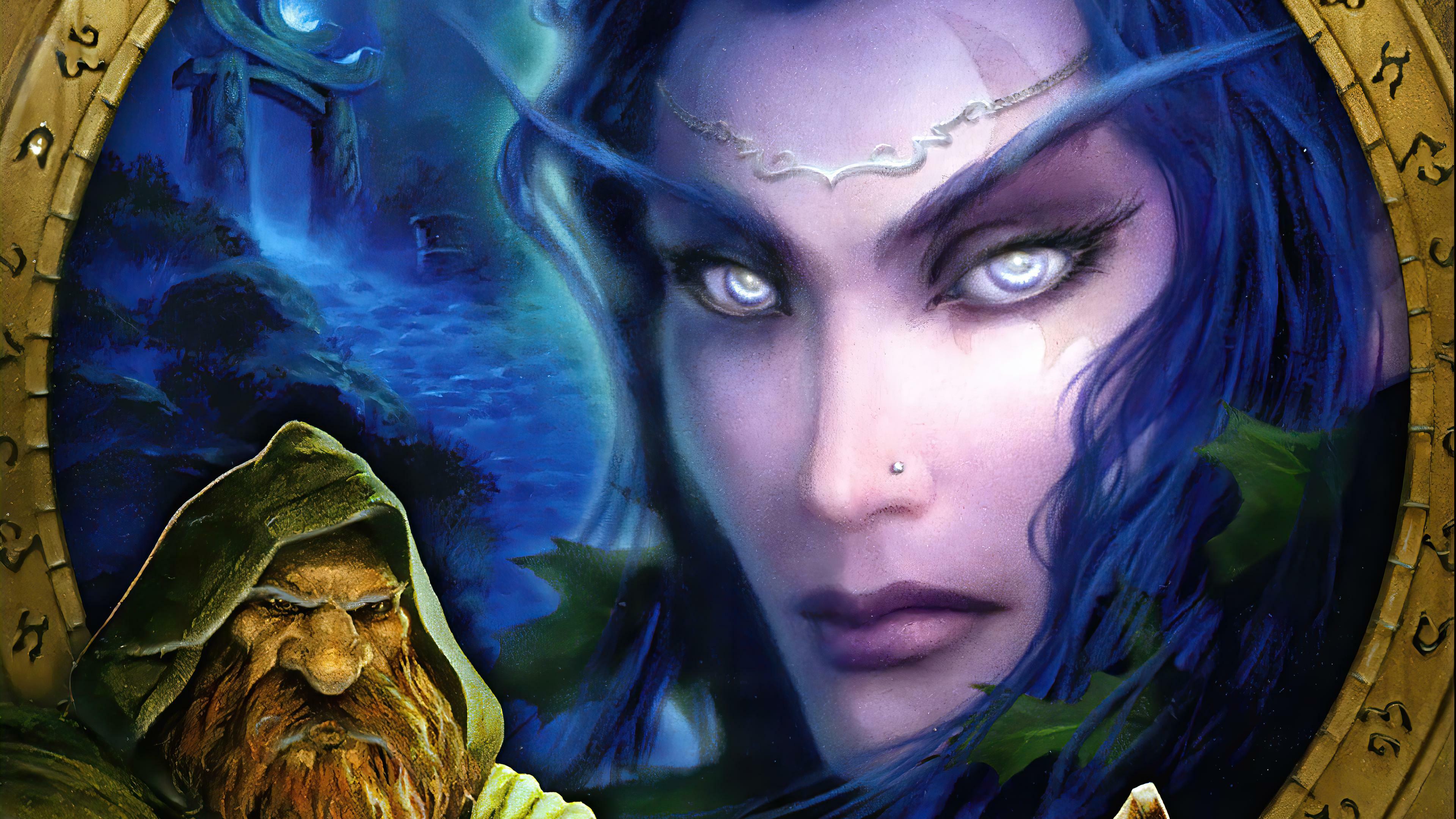
9. World of Warcraft
World of Warcraft wasn't merely a game; it became a second life for millions. Its vast, persistent world fostered unprecedented communities, driving social interaction and cooperation on a global scale. Raids, guilds, and lore created an ongoing narrative that transcended individual play sessions. WoW demonstrated the immense power of shared digital spaces to forge lasting bonds and cultural phenomena.
10 / 10
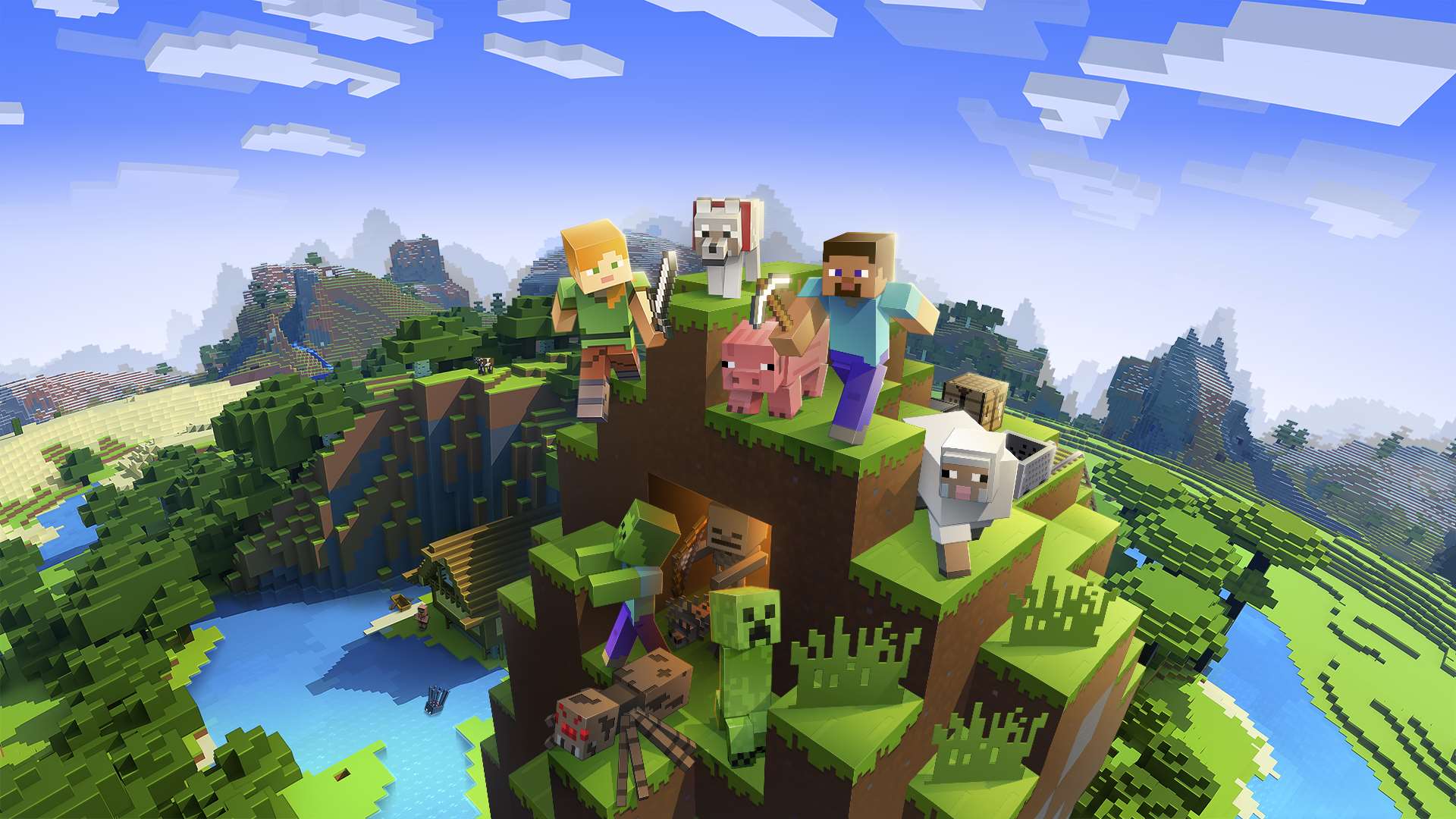
10. Minecraft
Minecraft stripped gaming down to its most fundamental elements: creation and exploration. Its blocky aesthetic belied an infinite canvas for imagination, allowing players to build anything they could conceive. It became a global sandbox, fostering creativity across generations and proving that emergent gameplay, driven by player freedom, could be the most powerful engine for enduring digital appeal.