
1 / 10
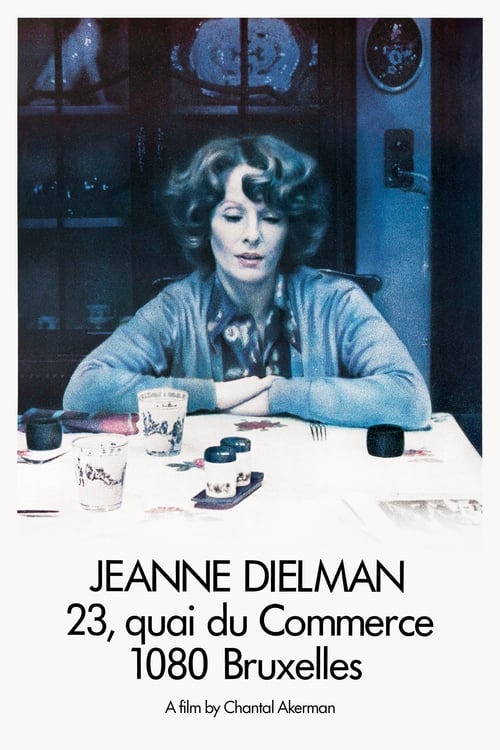
1. Jeanne Dielman, 23, quai du Commerce, 1080 Bruxelles
Chantal Akerman’s epic three-hour domestic drama redefined cinematic time and narrative focus. It meticulously documents the mundane existence of a widowed prostitute, pushing the boundaries of realism and feminist filmmaking. Each precisely framed shot, each lingering moment of routine, builds an almost unbearable tension, culminating in a sudden, shocking act of rebellion. It’s an immersive, radical study of quiet desperation and the unseen labor of women, profoundly influencing subsequent generations of filmmakers.
2 / 10
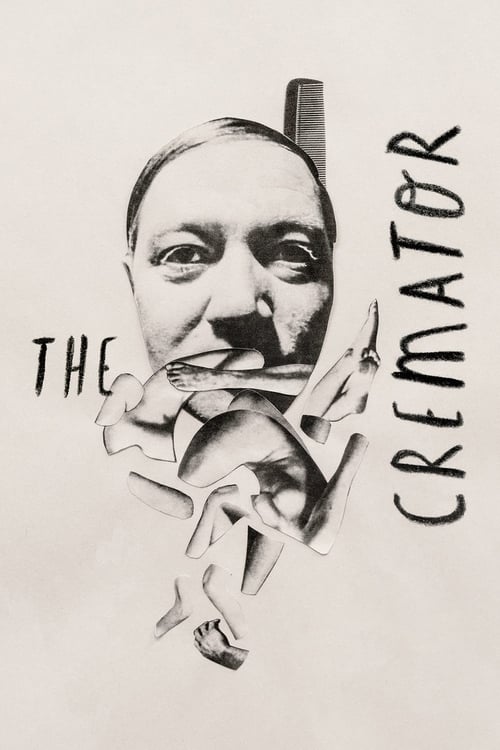
2. The Cremator
Juraj Herz's chilling masterpiece from the Czechoslovak New Wave is a grotesque, darkly comedic descent into madness. Karel Kopfrkingl, a cremator who believes his work frees souls, gradually embraces fascism and murder, all narrated with a disarmingly calm, almost poetic, voice-over. Its surreal visuals and unsettling humor expose the banality of evil, crafting a deeply disturbing psychological portrait against the backdrop of historical horror. A truly unique, unforgettable experience.
3 / 10
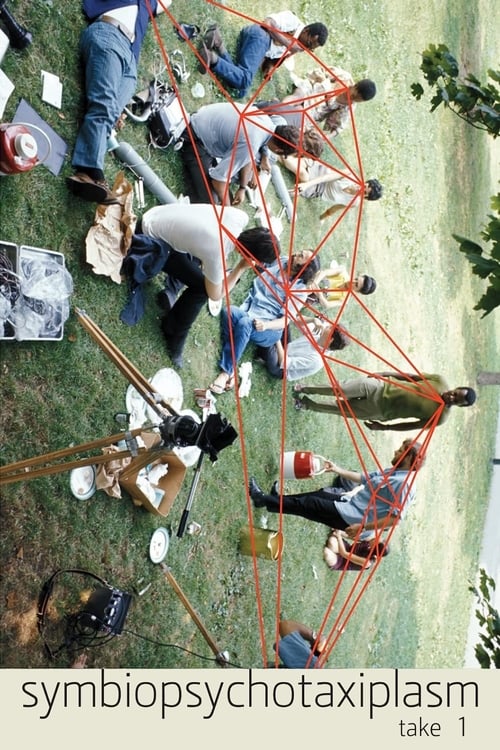
3. Symbiopsychotaxiplasm: Take One
William Greaves’ experimental marvel is a film about making a film, about making a film. It features multiple camera crews documenting each other, actors performing the same scene repeatedly, and the crew openly questioning the director's methods. This meta-cinematic puzzle blurs the lines between reality and fiction, performance and documentation, creating a profound, self-reflexive examination of artistic control, perception, and the very nature of truth in filmmaking. A groundbreaking, intellectually stimulating work.
4 / 10
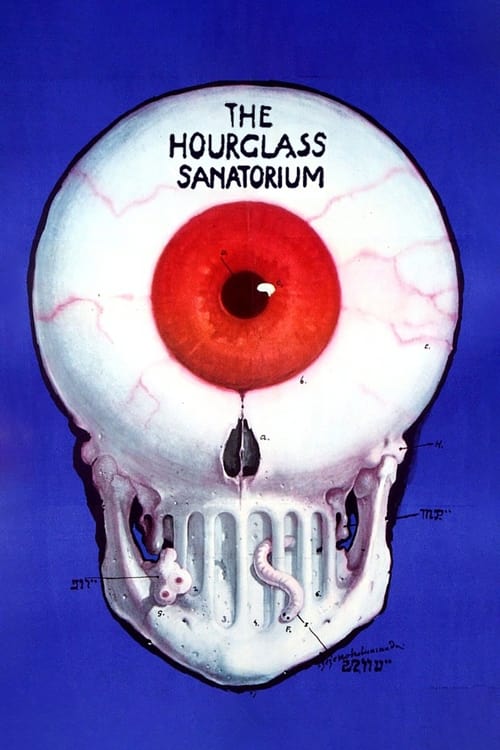
4. The Hourglass Sanatorium
Wojciech Has’ adaptation of Bruno Schulz is a dazzling, hallucinatory journey into a crumbling, dreamlike sanatorium where time itself is fractured. Josef, visiting his dying father, wanders through surreal, richly textured landscapes, encountering spectral figures and bizarre events that defy conventional logic. This Polish masterpiece is a visual feast, a labyrinthine exploration of memory, mortality, and the subconscious, presented with an unparalleled artistic vision that rejects linear storytelling.
5 / 10
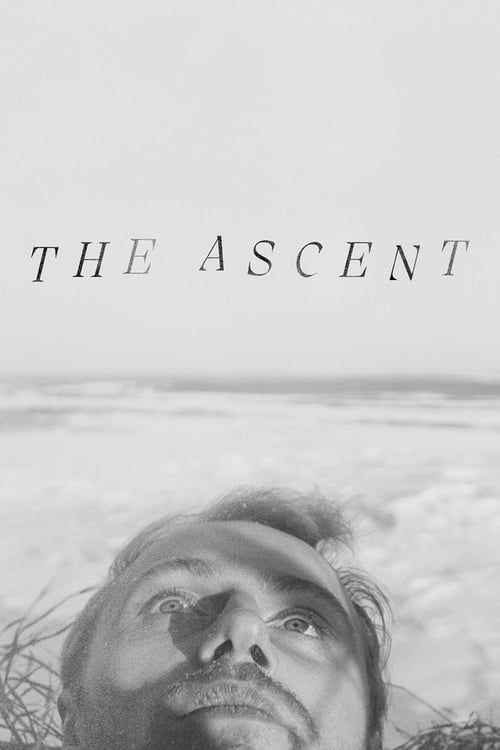
5. The Ascent
Larisa Shepitko’s final film is a stark, spiritual, and profoundly humanistic examination of wartime sacrifice. Two Soviet partisans, captured by the Nazis in a snow-covered landscape, face impossible moral choices and their own mortality. Shepitko imbues their struggle with allegorical depth, transforming a brutal survival story into a meditation on faith, betrayal, and redemption. Its unflinching realism and almost biblical scope make it an emotionally devastating and intellectually resonant work.
6 / 10
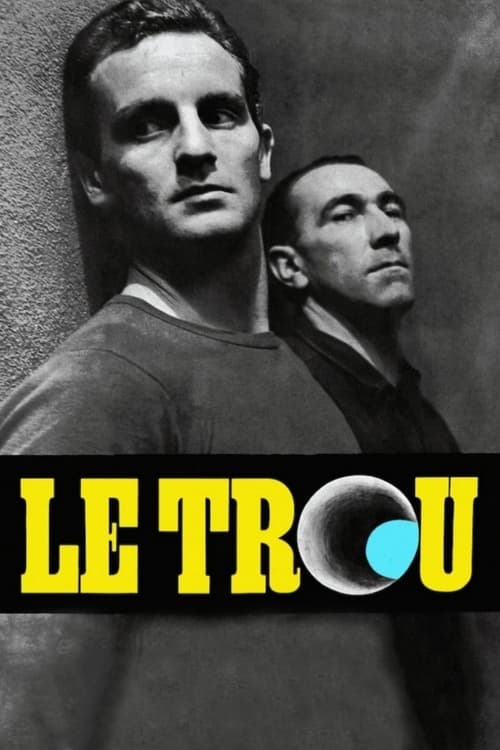
6. Le Trou
Jacques Becker’s "Le Trou" (The Hole) is a masterclass in procedural suspense. Based on a true story, it meticulously details the painstaking, weeks-long escape attempt of five prisoners from a French jail. With almost no musical score and an unwavering focus on the physical labor and ingenuity involved, the film builds unbearable tension through sheer realism. Its commitment to showing every step of the process, unembellished, was revolutionary, defining the prison break genre.
7 / 10
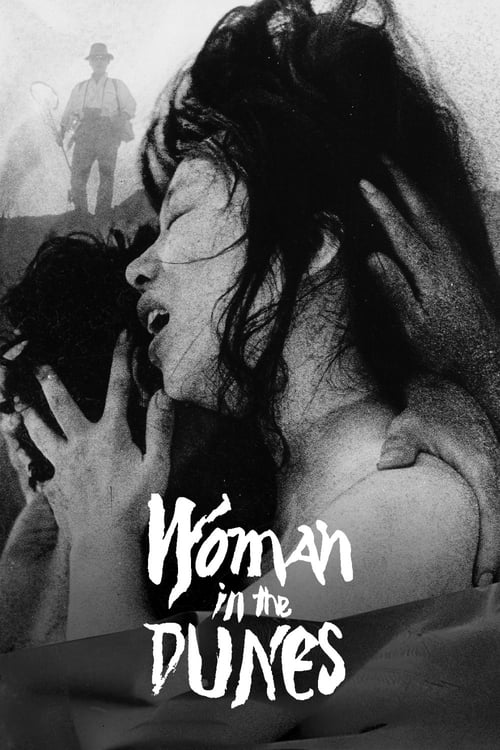
7. Woman in the Dunes
Hiroshi Teshigahara’s unsettling masterpiece traps an entomologist in a vast sand dune with a woman whose life revolves around endlessly shoveling sand. This Japanese New Wave film is a hypnotic, existential parable about freedom, conformity, and the human condition. Its stark, often claustrophobic cinematography, combined with a haunting soundscape, creates an oppressive atmosphere that questions societal norms and the very definition of existence. A truly singular, profound experience.
8 / 10
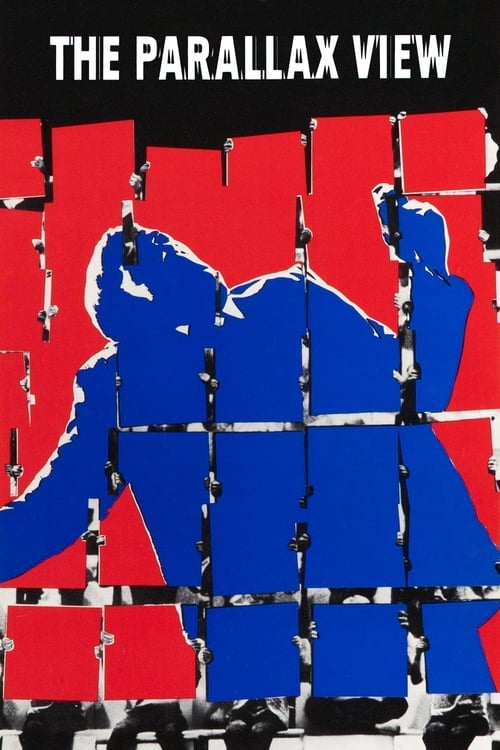
8. The Parallax View
Alan J. Pakula’s chilling conspiracy thriller perfectly captured the post-Watergate paranoia of its era. A cynical journalist investigates a series of suspicious deaths linked to a political assassination, uncovering a shadowy organization that recruits assassins. Its stark, minimalist aesthetic, long takes, and deliberate pacing amplify the sense of pervasive dread and helplessness. The film’s ambiguous ending leaves the viewer questioning the very fabric of truth and power, a bleak but brilliant statement.
9 / 10
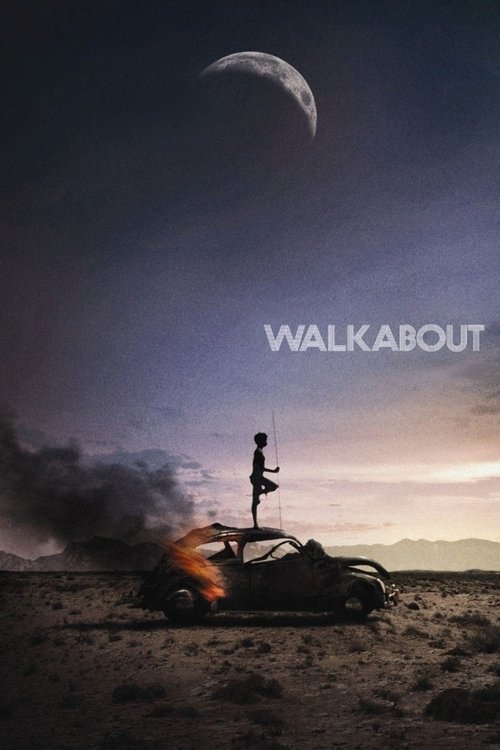
9. Walkabout
Nicolas Roeg’s visually stunning and profoundly resonant film follows two British schoolchildren stranded in the Australian outback who are saved by an Aboriginal boy on his "walkabout." It’s a lyrical, often dreamlike exploration of innocence, nature versus civilization, and the clash of cultures. Roeg’s non-linear editing, breathtaking cinematography, and thematic depth created a unique cinematic language, making it a pivotal work in Australian cinema and a powerful, enduring allegory.
10 / 10
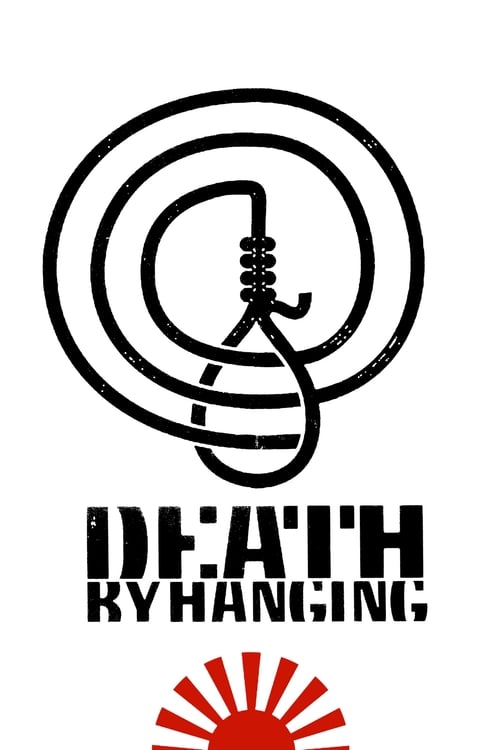
10. Death by Hanging
Nagisa Ôshima’s radical, satirical, and fiercely political film from the Japanese New Wave deconstructs the death penalty and national identity. After a Korean man survives his execution, the prison officials try to make him remember his crime by re-enacting it. This absurdist, Brechtian drama boldly questions justice, prejudice, and the nature of guilt through meta-commentary and provocative staging, shattering conventional narrative structure and challenging audience complicity. A truly revolutionary work.