
1 / 10
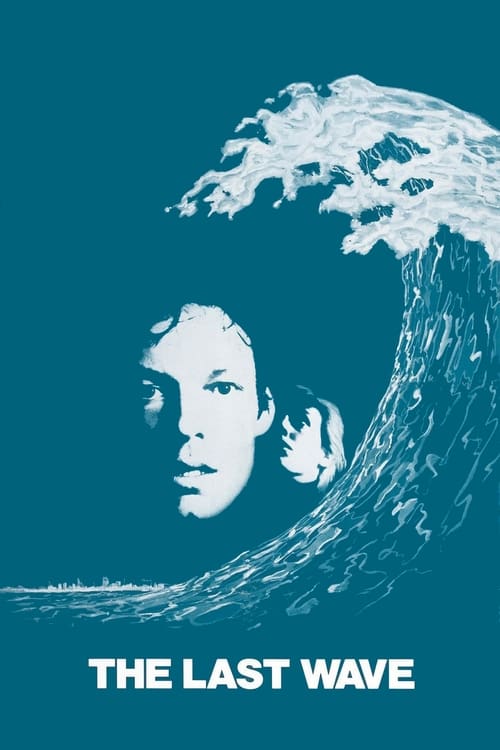
1. The Last Wave
Peter Weir's eerie vision from 1977 casts a palpable sense of impending doom over a Sydney barrister defending Indigenous men. It’s a profound exploration of cultural collision and ancient prophecies, where the rational world slowly succumbs to the inexplicable. Weir masterfully crafts an atmosphere of dread and mystery, hinting at environmental cataclysm and spiritual awakening without ever resorting to cheap scares. This film is a hypnotic, intellectual journey into the unknown.
2 / 10

2. Cure
Kiyoshi Kurosawa's 1997 masterpiece is a chilling, slow-burn psychological horror. It follows a detective investigating a series of bizarre murders where each perpetrator confesses but cannot recall the act. Kurosawa meticulously builds a pervasive sense of unease, blurring the lines between sanity and madness, memory and suggestion. The film's profound influence on subsequent Asian horror is undeniable, a truly unsettling examination of identity and the corruptibility of the human mind.
3 / 10
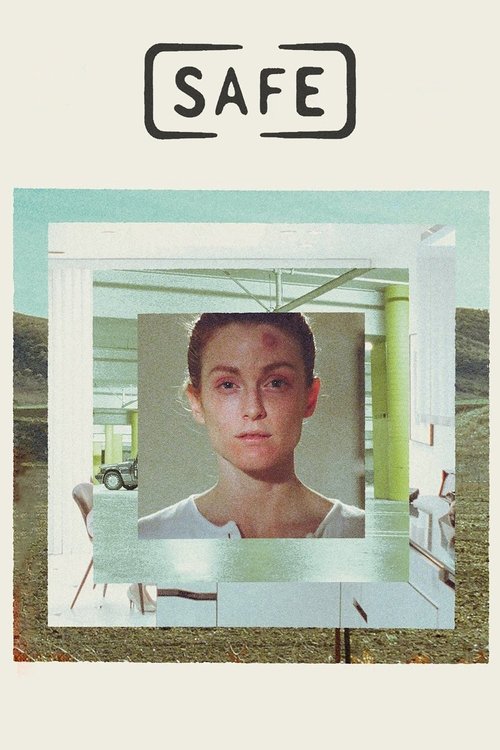
3. Safe
Todd Haynes’ 1995 film is a remarkable, devastating portrait of environmental illness and societal alienation. Julianne Moore delivers a career-defining performance as a suburban housewife whose seemingly idyllic life unravels as she develops an extreme sensitivity to chemicals. Haynes doesn't offer easy answers, instead observing with clinical detachment the terror of a body turning against itself and the ambiguous solace found in alternative communities. It's a deeply unsettling, thought-provoking experience.
4 / 10

4. Angst
Gerald Kargl’s 1983 horror film is a relentless, visceral descent into the mind of a deranged killer newly released from prison. Filmed with an almost voyeuristic, first-person perspective, it's a truly disturbing character study, devoid of conventional plot or redemption. The film's unflinching brutality and psychological intensity, paired with its unique cinematography, make it a singular, harrowing cinematic experience. It's not for the faint of heart, but undeniably powerful.
5 / 10
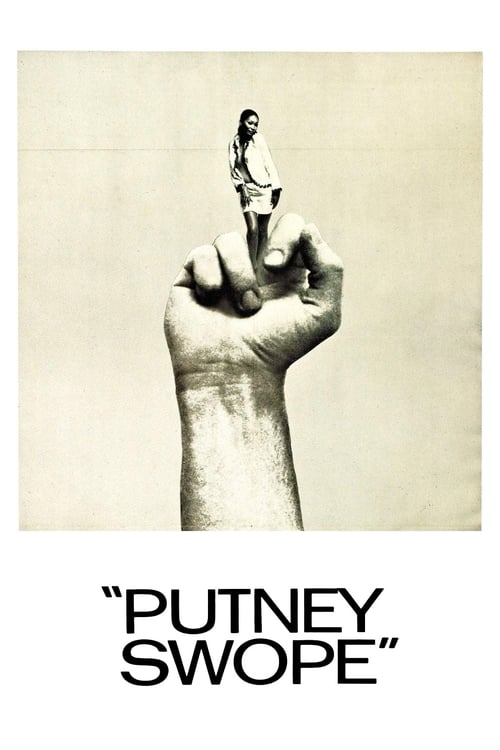
5. Putney Swope
Robert Downey Sr.’s 1969 satirical gem is an audacious, anarchic send-up of advertising, race, and corporate America. When a Black executive accidentally becomes chairman of an ad agency, he rebrands it and sparks a chaotic revolution. Shot partly in black and white, partly in color, its irreverent humor and razor-sharp social commentary feel remarkably prescient. It's a cult classic that gleefully dismantles establishment norms with a punk rock spirit.
6 / 10

6. My Dinner with Andre
Louis Malle's 1981 film is an extraordinary exercise in pure dialogue. Two old friends, a playwright and an actor, meet for dinner and engage in a wide-ranging, philosophical conversation about life, art, spiritualism, and societal disillusionment. The film's power lies in its unadorned authenticity and the profound, often humorous, insights shared. It's a captivating, intellectual experience that proves cinema doesn't need explosions to be utterly compelling.
7 / 10
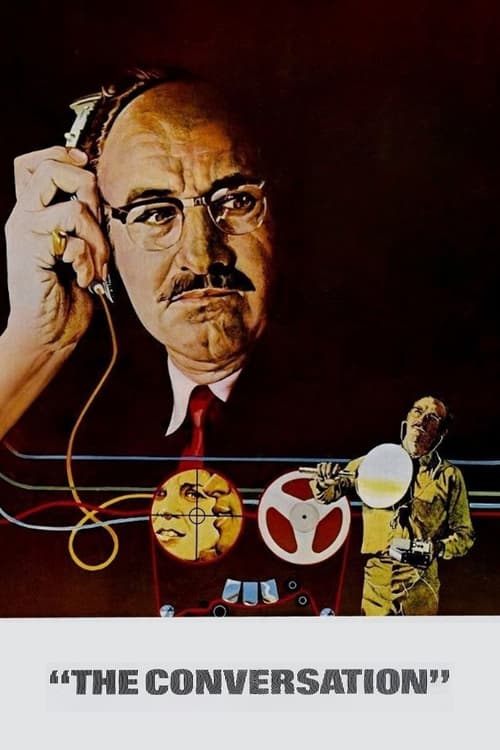
7. The Conversation
Francis Ford Coppola’s 1974 masterpiece, released the same year as The Godfather Part II, is a taut, paranoid thriller. Gene Hackman plays a surveillance expert who becomes obsessed with a recording he believes hints at murder. It’s a chilling examination of privacy, guilt, and technological intrusion, steeped in post-Watergate anxiety. Coppola’s meticulous craft builds unbearable tension, making it an essential, often overlooked, entry in his unparalleled filmography.
8 / 10
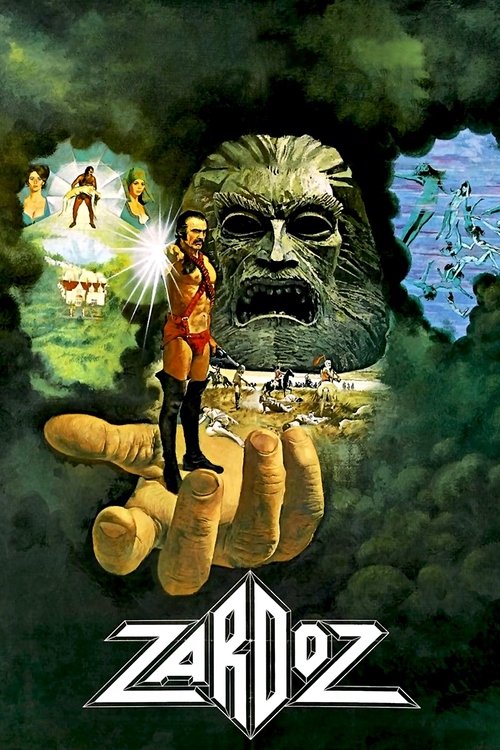
8. Zardoz
John Boorman’s 1974 sci-fi oddity is a truly bizarre, visually audacious spectacle. Sean Connery, in a red diaper, navigates a post-apocalyptic future where a giant stone head named Zardoz dictates life. It’s a heady, often baffling exploration of class, immortality, and environmental decay, presented with a unique, almost hallucinatory aesthetic. Zardoz is a cult film that demands to be seen for its sheer, bewildering originality.
9 / 10
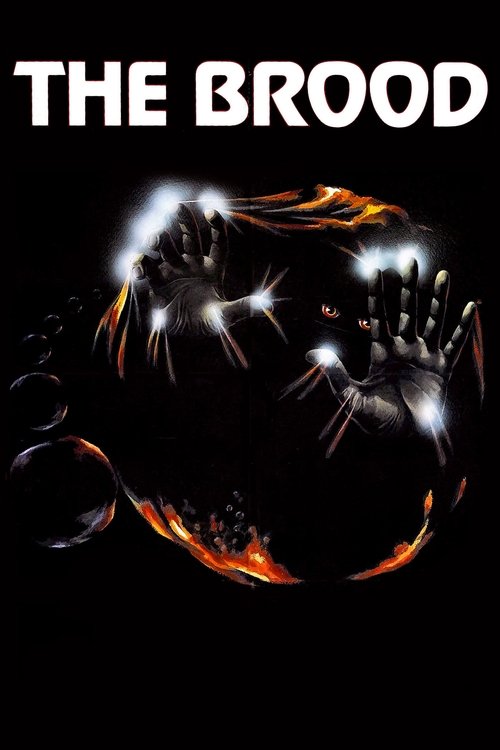
9. The Brood
David Cronenberg's 1979 body horror classic is a disturbing metaphor for the psychological and physical manifestations of repressed rage. A man discovers his estranged wife, undergoing a radical psychotherapy, is giving birth to monstrous, murderous children. Cronenberg masterfully blends visceral horror with profound emotional trauma, creating a truly unsettling and unforgettable experience. It's a raw, intense exploration of divorce and its terrifying consequences.
10 / 10

10. Le Samouraï
Jean-Pierre Melville’s 1967 neo-noir is a masterclass in minimalist cool and existential dread. Alain Delon stars as Jef Costello, a stoic, professional hitman caught in a web of police suspicion and betrayal. Melville’s meticulous direction, spare dialogue, and focus on ritual elevate the crime genre into high art. It's a profoundly influential film, a stark, stylish meditation on solitude, fate, and the professional code of honor.