

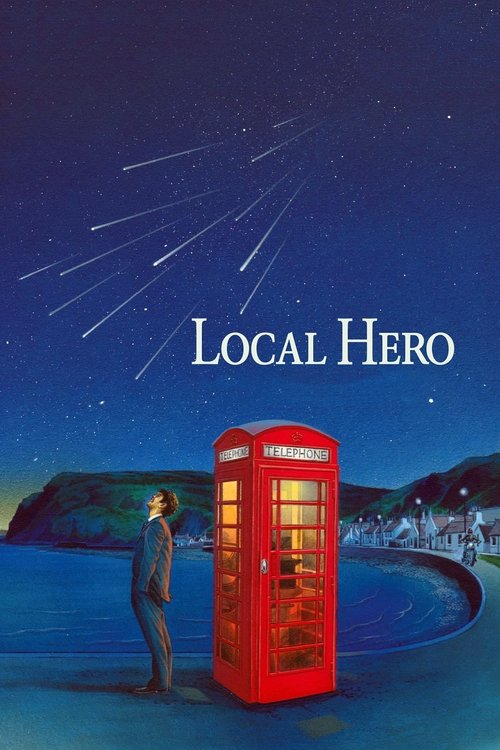
1. Local Hero
Bill Forsyth's gentle, observational wit shines in this film, as Peter Riegert's American oil executive is sent to buy a Scottish village. It's a quietly profound exploration of culture clash, corporate ambition versus community, and the allure of simplicity. The film finds unexpected joy and a different rhythm of life, marked by subtle humor and a memorable Mark Knopfler score that perfectly complements its tender spirit.
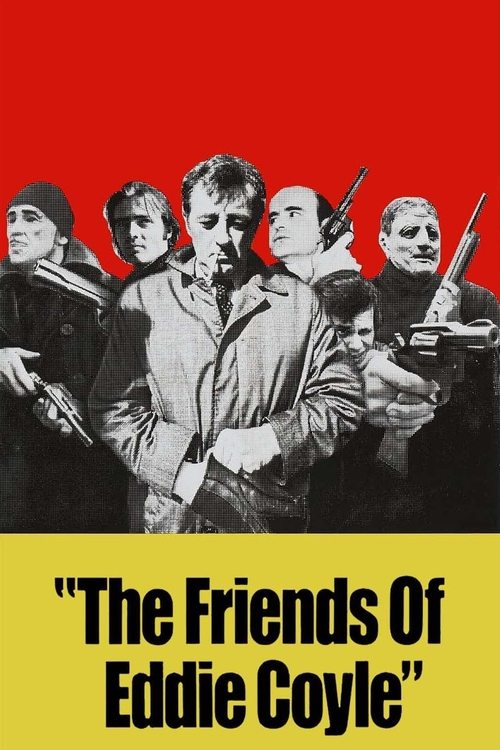
2. The Friends of Eddie Coyle
Peter Yates directs a grim, unsentimental portrait of a small-time Boston hood, played with weary resignation by Robert Mitchum. This isn't a glamorous gangster tale, but rather a bleak, procedural look at betrayal and survival on the fringes of the criminal underworld. Its authenticity resonates deeply, making it a cornerstone of 70s American realism and a masterclass in understated tension.
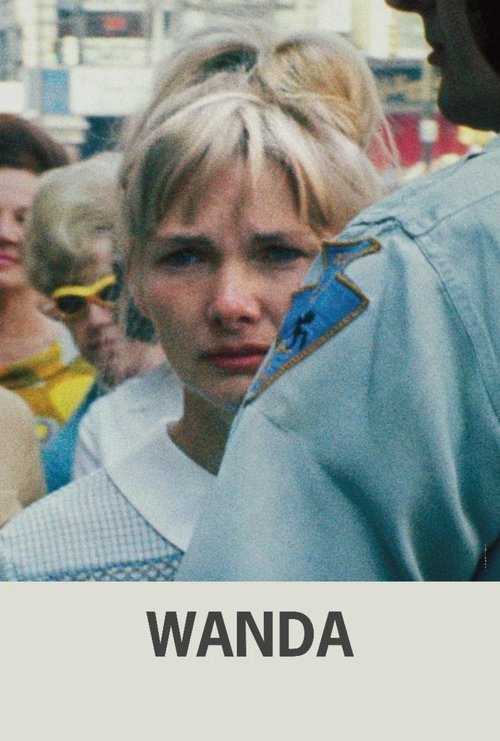
3. Wanda
Barbara Loden's singular, raw vision of a disenfranchised woman drifting through Pennsylvania coal country remains a landmark. Loden, who wrote, directed, and starred, delivers a performance of startling, unvarnished honesty. It's a challenging, almost documentary-like examination of alienation and the quiet desperation of a life without agency, a crucial, uncompromising work of independent cinema that demands attention.

4. Scarecrow
Jerry Schatzberg's elegiac road movie pairs Gene Hackman and Al Pacino as two drifters, Max and Lion, making their way across America to open a car wash. This is a deeply humanist film about unlikely friendship, shattered dreams, and the search for purpose in a vast, indifferent landscape. It’s a beautifully acted, melancholic journey through the soul of 70s America, both hopeful and heartbreaking.
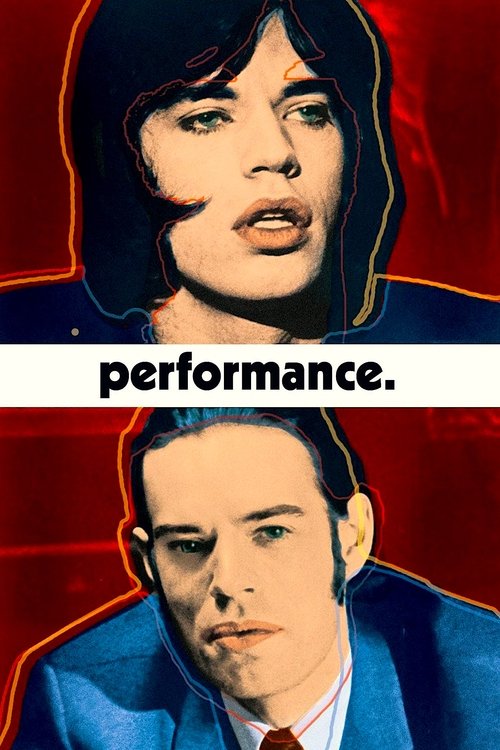
5. Performance
Donald Cammell and Nicolas Roeg's hallucinatory trip through Swinging London's dark underbelly is audacious and unsettling. Mick Jagger's Turner and James Fox's Chas embody a visceral clash of identities, blurring lines between gangster and rock star, reality and illusion. Its audacious editing and explicit themes made it scandalous then, and it remains a potent, psychedelic unraveling of self and societal norms.
6. The American Friend
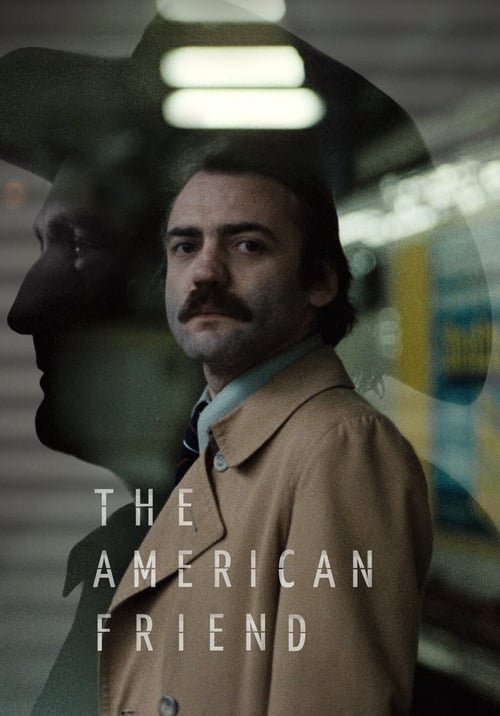
Wim Wenders's neo-noir masterpiece is a loose adaptation of Patricia Highsmith’s Ripley’s Game. Dennis Hopper plays Tom Ripley, manipulating a dying picture framer (Bruno Ganz) into murder. Shot with Wenders's signature contemplative style, it’s a stylish, existential thriller exploring moral ambiguity, identity, and the corrupting influence of violence against a stark European backdrop, a quiet, unsettling triumph.
7. Near Dark
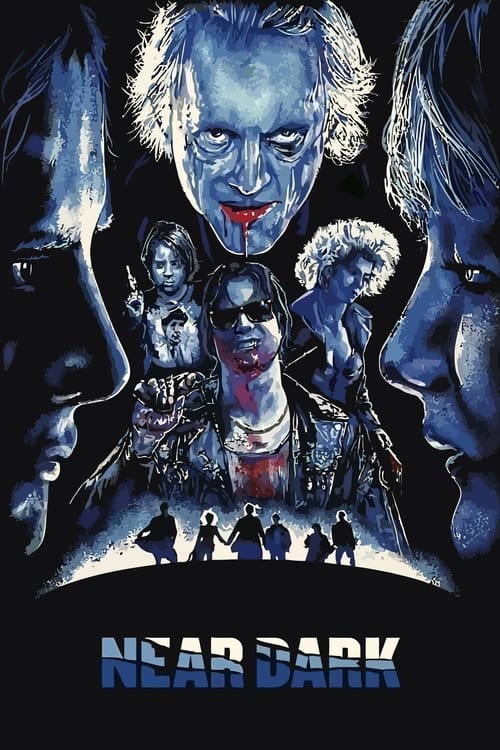
Kathryn Bigelow's audacious vampire-western hybrid redefined the genre. This isn't your traditional gothic horror; it's a gritty, violent, and surprisingly poetic road movie about a nomadic vampire gang terrorizing the American heartland. With its distinct visual style and Tangerine Dream score, Bigelow injected vampire cinema with palpable danger and a punk rock sensibility, making it truly unforgettable.
8. The King of Marvin Gardens
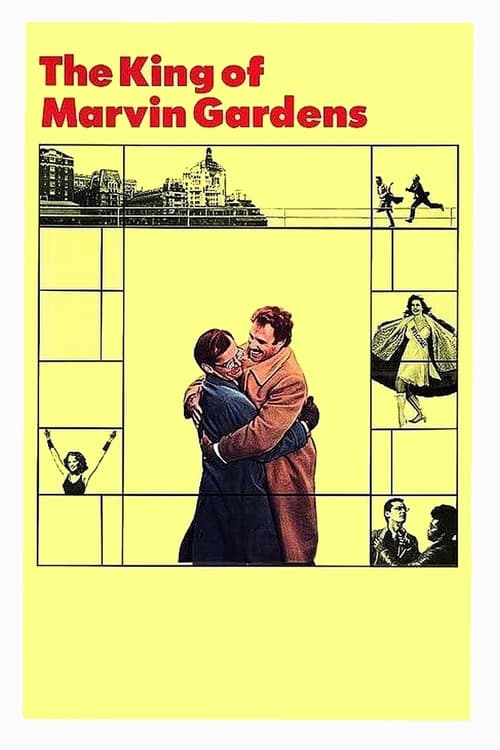
Bob Rafelson’s melancholic drama features Jack Nicholson and Bruce Dern as estranged brothers, one a Philadelphia radio personality, the other a dreamer in Atlantic City. A poignant, understated character study of fractured family bonds, unfulfilled ambitions, and the disillusionment of the American dream, it beautifully captures the bleakness of its setting, painting a vivid portrait of faded hopes.

9. Picnic at Hanging Rock
Peter Weir’s atmospheric, enigmatic masterpiece remains profoundly unsettling. A group of Australian schoolgirls vanish during an excursion in 1900, their disappearance unexplained. Weir crafts a haunting, dreamlike film about repressed sexuality, colonial unease, and the terrifying unknowability of nature. Its lingering mystery and ethereal beauty leave an indelible, almost hypnotic, impression on the viewer.
10. Repo Man
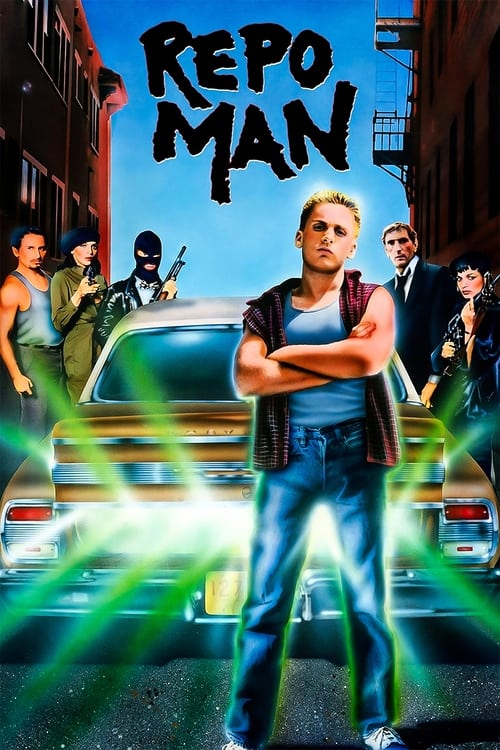
Alex Cox's cult classic is a bizarre, satirical punk rock odyssey. Emilio Estevez plays Otto, a disaffected youth who falls in with a crew of philosophical, eccentric repo men chasing a Chevy Malibu with extraterrestrial cargo. A wonderfully anarchic, anti-establishment film, it skewers consumerism, government conspiracy, and the American dream with gleeful abandon and a sharp, cynical wit.
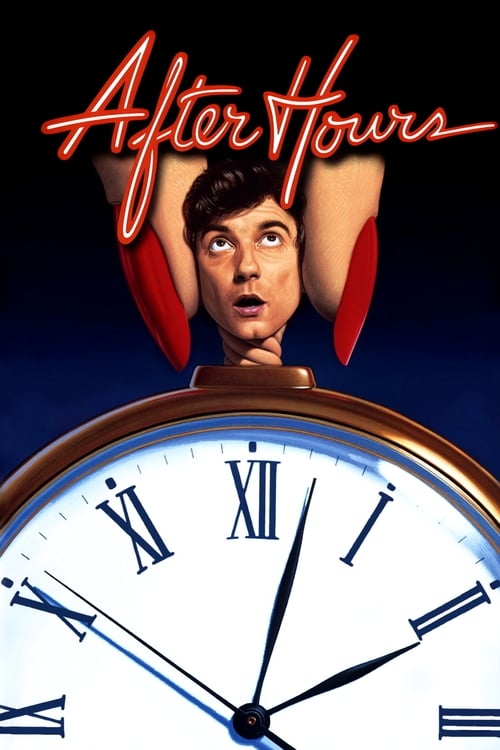
11. After Hours
Martin Scorsese's darkly comedic nightmare takes Griffin Dunne's Paul Hackett through an escalating series of absurd, dangerous encounters during one long night in SoHo. A frantic, paranoid urban odyssey, it masterfully taps into existential dread and the anxieties of navigating an unforgiving city. It showcases Scorsese’s versatility beyond his usual crime epics, proving his command of urban absurdism.
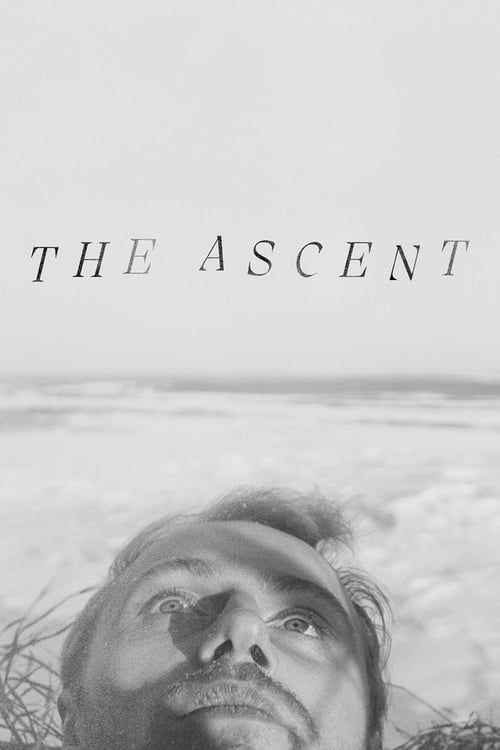
12. The Ascent
Larisa Shepitko's profound, harrowing Soviet war drama depicts two partisans, Rybak and Sotnikov, captured during a brutal winter. It's a deeply spiritual and philosophical examination of human endurance, sacrifice, and moral compromise under extreme duress. Shepitko’s final film is a visually stunning, emotionally devastating work, a testament to the power of cinema to explore the human condition with unflinching honesty.