
1 / 10
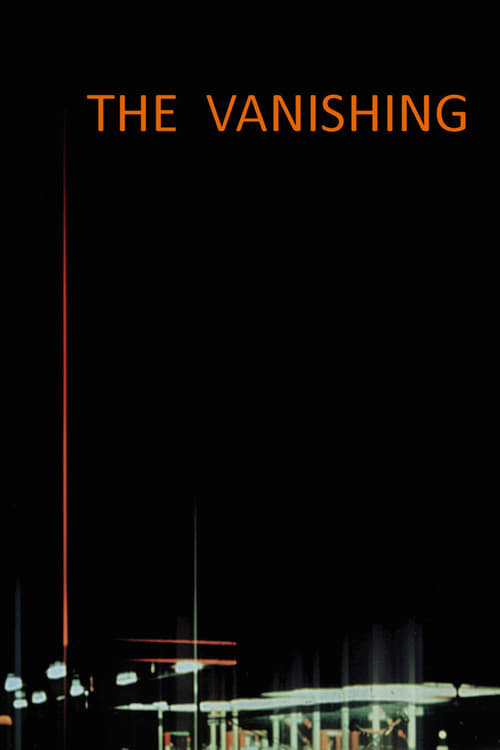
1. The Vanishing
George Sluizer's original "The Vanishing" (Spoorloos) is a masterclass in psychological suspense, far removed from its American remake. It charts a man's agonizing, years-long quest for his vanished girlfriend, not in pursuit of justice, but understanding. The film meticulously builds an unbearable tension, culminating in one of cinema's most chilling, profoundly disturbing conclusions. It's an exploration of obsession and evil's banality, leaving an indelible mark long after the credits roll.
2 / 10

2. La Jetée
Chris Marker's "La Jetée" is less a film and more a cinematic poem, a "photo-roman" composed almost entirely of still images. This 28-minute French masterpiece transcends its experimental form, weaving a haunting science fiction narrative about a post-apocalyptic survivor sent through time. It's a profound meditation on memory, fate, and the nature of images themselves, famously inspiring Terry Gilliam's "12 Monkeys" but retaining its singular, melancholic power.
3 / 10
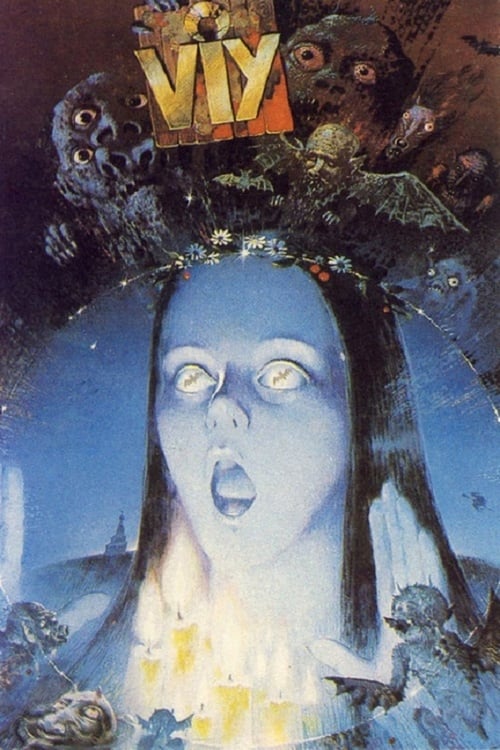
3. Viy
Viy stands as a singular achievement in Soviet horror, a vibrant, terrifying adaptation of Nikolai Gogol's classic folk tale. Directed by Konstantin Yershov and Georgi Kropachyov, it plunges a seminary student into a nightmarish world of witches, demons, and the titular, monstrous creature. Its inventive practical effects and stunning, often surreal, visual design create an atmosphere of genuine dread and macabre beauty, making it a foundational, yet often unsung, work of horror cinema.
4 / 10
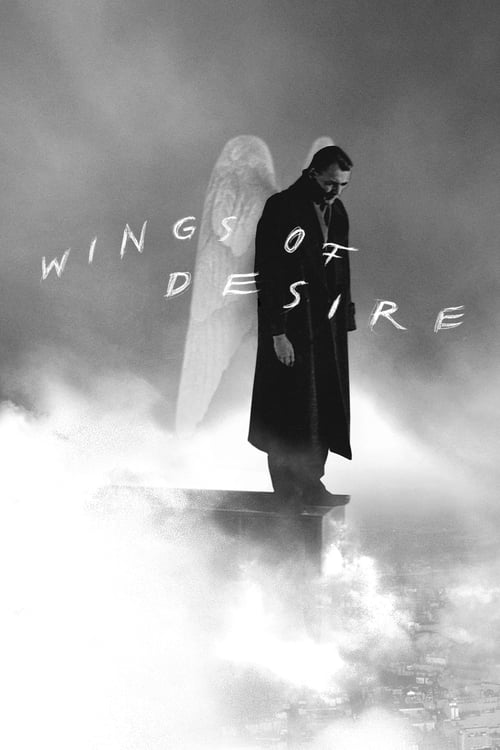
4. Wings of Desire
Wim Wenders' "Wings of Desire" is a poetic meditation on existence, set against the backdrop of a divided Berlin. It follows two angels, Damiel and Cassiel, who observe humanity's joys and sorrows, their monochrome perspective occasionally shifting to vibrant color as one yearns for mortal experience. The film is a tender, philosophical embrace of life's simple wonders, blending historical context with profound spiritual longing, making it a truly transcendent cinematic experience.
5 / 10

5. Woman in the Dunes
Hiroshi Teshigahara's "Woman in the Dunes" is a mesmerizing, existential nightmare. A man, stranded in a remote village, finds himself trapped with a woman in a vast sand pit, forced to ceaselessly shovel sand to prevent their home from being engulfed. This adaptation of Kōbō Abe's novel is a chilling allegory for the human condition, exploring themes of freedom, labor, and desire with stark, unsettling beauty and a relentless, hypnotic rhythm.
6 / 10

6. Chimes at Midnight
Orson Welles considered "Chimes at Midnight" his personal favorite and arguably his greatest film. Weaving together several Shakespearean plays to center on the tragicomic figure of Falstaff, Welles crafts a profoundly moving portrait of friendship, betrayal, and the loss of innocence. His masterful use of deep focus, expressionistic lighting, and innovative editing imbues the battle sequences with a brutal realism, creating a melancholic elegy for a bygone era and a towering figure.
7 / 10
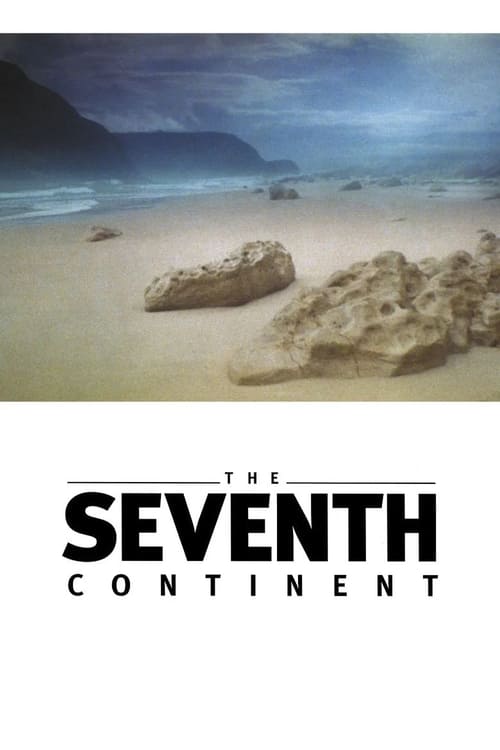
7. The Seventh Continent
Michael Haneke's debut feature, "The Seventh Continent," is a chillingly precise examination of bourgeois despair. Based on a true story, it meticulously documents the sterile, monotonous lives of an Austrian family who, without apparent cause, methodically plan their own destruction. Haneke employs a detached, observational style, forcing viewers to confront the quiet desperation beneath society's surface, making for an unsettling, unforgettable, and deeply provocative cinematic experience.
8 / 10
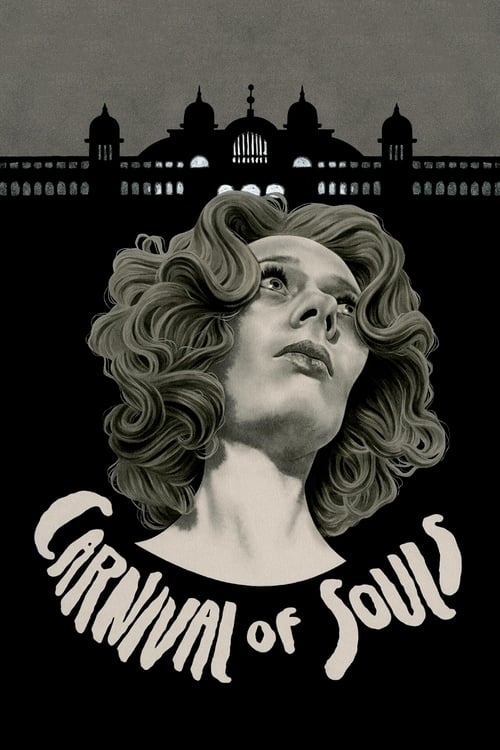
8. Carnival of Souls
Herk Harvey's "Carnival of Souls" is a landmark of independent horror, proving that ingenuity trumps budget. Following a woman who mysteriously survives a car crash, the film descends into a dreamlike, disorienting nightmare as she's drawn to an abandoned carnival. Its ethereal atmosphere, uncanny visuals, and pervasive sense of dread, achieved with minimal resources, profoundly influenced generations of filmmakers, cementing its status as a cult classic of psychological terror.
9 / 10
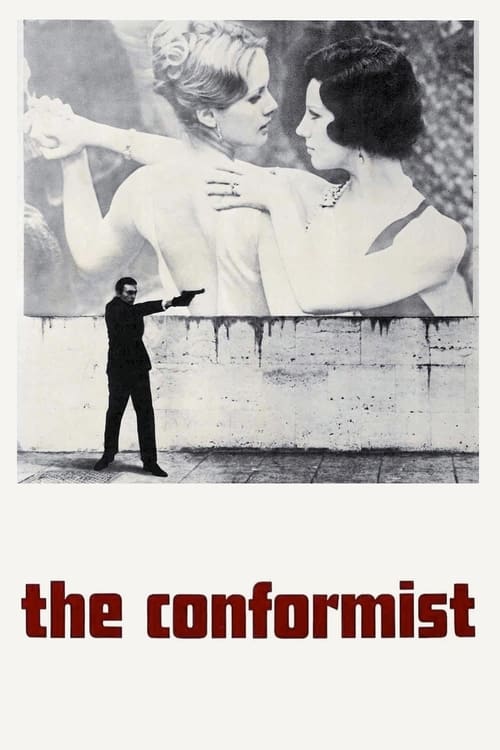
9. The Conformist
Bernardo Bertolucci's "The Conformist" is a visually stunning and psychologically complex exploration of fascism. Jean-Louis Trintignant plays Marcello Clerici, an intellectual driven by a desperate need for normalcy, leading him to betray his former professor for Mussolini's regime. Vittorio Storaro's breathtaking cinematography transforms Fascist Italy into a landscape of geometric precision and moral decay, making this film a mesmerizing, chilling study of complicity and the seductive power of conformity.
10 / 10
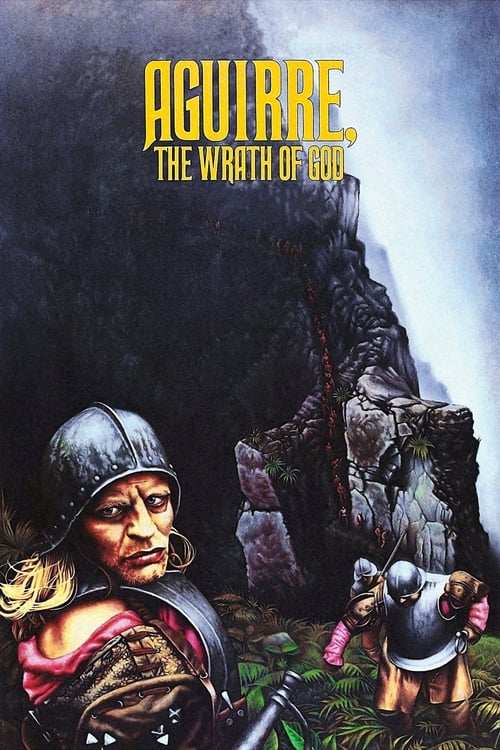
10. Aguirre, the Wrath of God
Werner Herzog's "Aguirre, the Wrath of God" is an epic, hallucinatory journey into the heart of human madness. Klaus Kinski delivers an unforgettable performance as Don Lope de Aguirre, a deranged conquistador leading his doomed expedition down the Amazon in search of El Dorado. Filmed under incredibly arduous conditions, the film is a visceral, unflinching portrayal of obsession and megalomania, a potent, feverish dream of colonial ambition gone terrifyingly awry.