

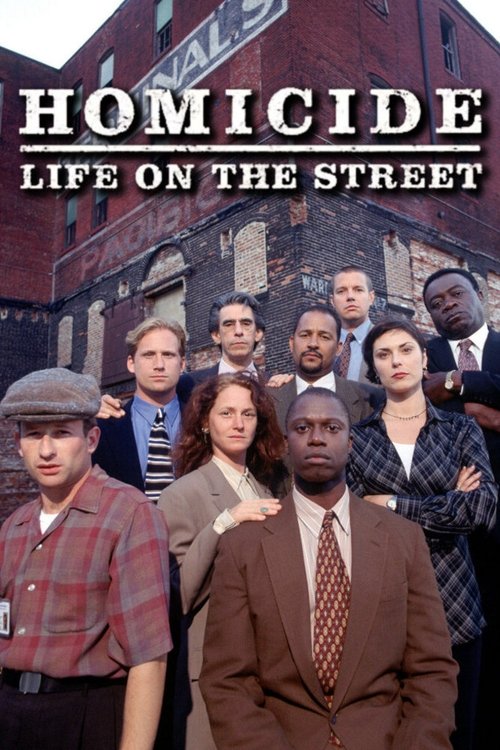
1. Homicide: Life on the Street
Before cable truly took hold, network television occasionally swung for the fences. *Homicide* was a masterclass in ensemble drama, ditching neat procedural wraps for sprawling, character-driven arcs. It felt real, messy, and brought a cinematic, almost documentary-style grit to the small screen that was utterly groundbreaking. This wasn't just a cop show; it was a deep dive into the soul of a city and its weary guardians, laying groundwork for the serialized prestige that followed.
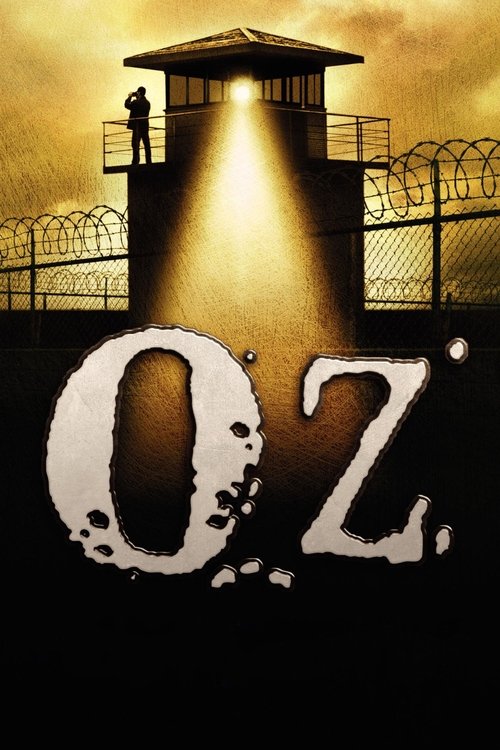
2. Oz
This was HBO drawing a line in the sand. *Oz* didn't just push boundaries; it bulldozed them. It was raw, unflinching, and utterly serialized, forcing viewers to confront uncomfortable truths about humanity and institutions. The ensemble cast navigated a morally ambiguous world where no one was safe, and the long-form storytelling felt like a novel playing out over hours, proving cable could go places network TV simply wouldn't dare.
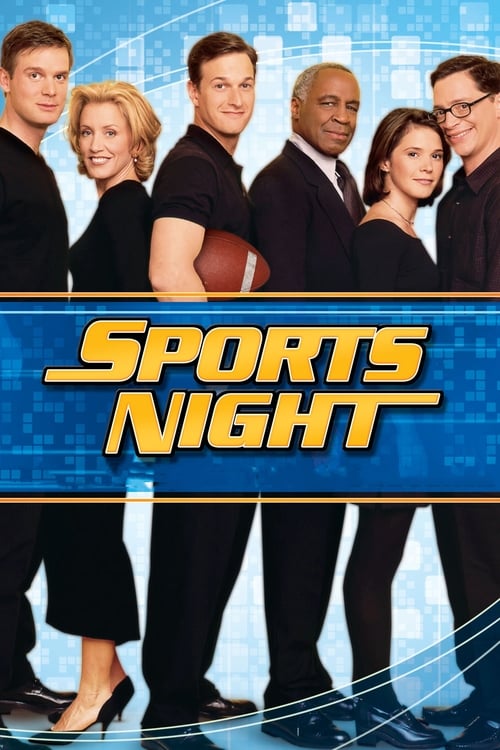
3. Sports Night
Aaron Sorkin's debut series on ABC was ahead of its time, blending sharp, rapid-fire dialogue with genuine emotional depth. While not a full mockumentary, its behind-the-scenes look at a sports news show felt intimate, almost voyeuristic, predating the explosion of workplace realism. It was an early taste of prestige ensemble writing in a half-hour format, showcasing how smart, serialized comedy-drama could tackle big themes without sacrificing wit.
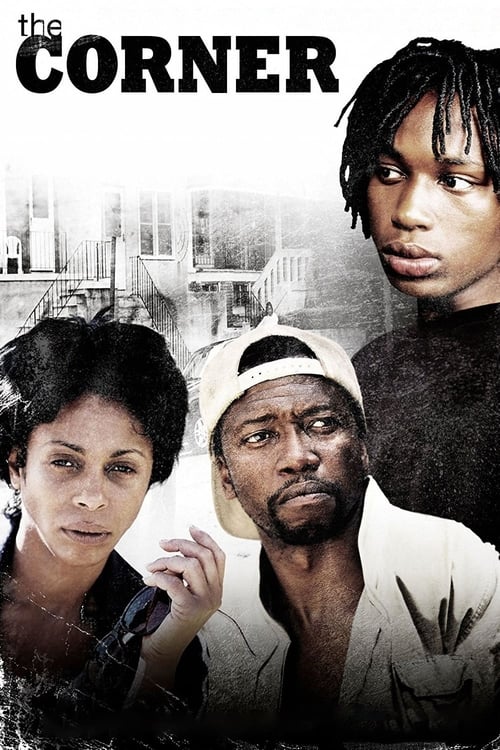
4. The Corner
Before *The Wire* changed everything, David Simon and Ed Burns delivered *The Corner*. This HBO miniseries was a stark, unflinching look at a West Baltimore drug corner, filmed with a raw, documentary-like intensity. It wasn't just telling a story; it was a deeply empathetic, serialized sociological study, proving that television could be both art and journalism. Its groundbreaking realism and character focus set a new standard for urban drama.
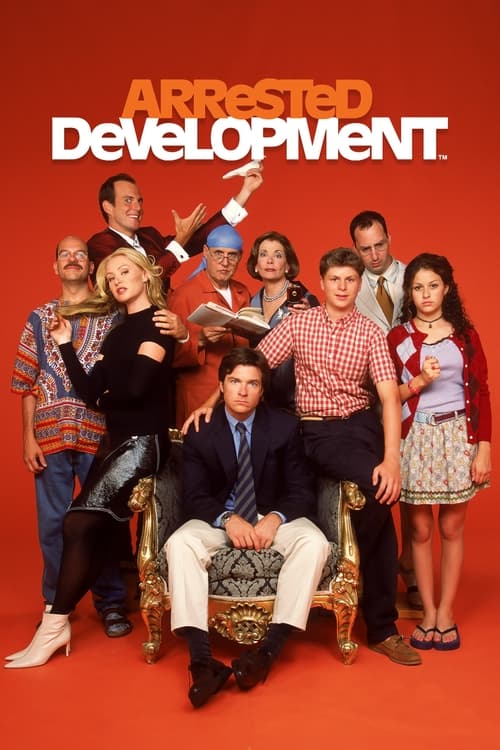
5. Arrested Development
*Arrested Development* was a comedy operating on another level. Its mockumentary style, dense recurring gags, and serialized callbacks demanded active viewing, rewarding those who paid attention. It wasn't just funny; it was structurally ambitious, influencing a generation of single-camera comedies and proving that audiences were ready for sophisticated, meta-narratives that defied traditional sitcom tropes. An early example of a show built for re-watching.
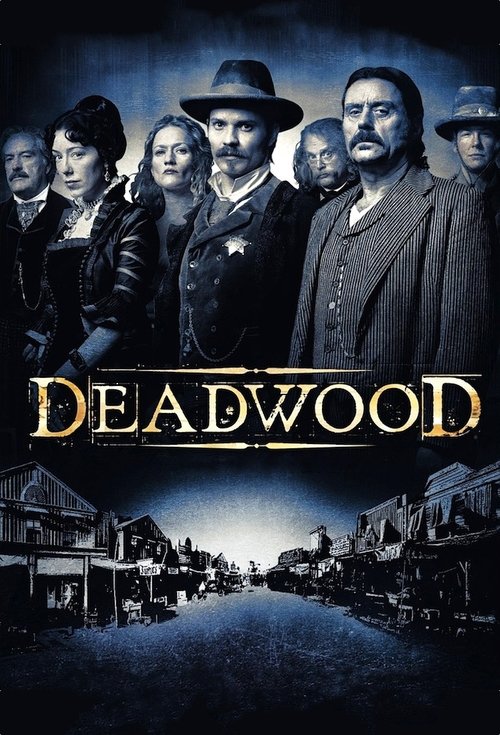
6. Deadwood
David Milch's *Deadwood* was a profane, poetic masterpiece. It wasn't just a western; it was a historical epic with a cinematic scope, boasting a sprawling ensemble and dialogue that felt both authentic and theatrical. The show’s serialized narrative unfolded slowly, exploring the brutal birth of civilization with an unflinching eye. Its commitment to character and atmosphere, unburdened by network constraints, solidified HBO’s reputation for prestige storytelling.
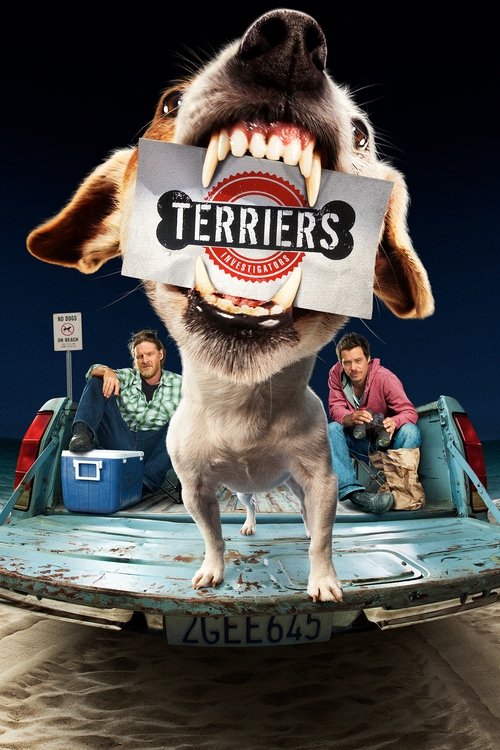
7. Terriers
*Terriers* was a gem that got cancelled too soon, a perfect storm of character-driven storytelling and sun-drenched noir. FX was still building its rep, and this show delivered a serialized, morally gray world with two deeply flawed, endearing leads. It’s the kind of show that found its true audience later, through streaming and word-of-mouth, a testament to the emerging on-demand culture that allowed great but overlooked series to find their footing.