

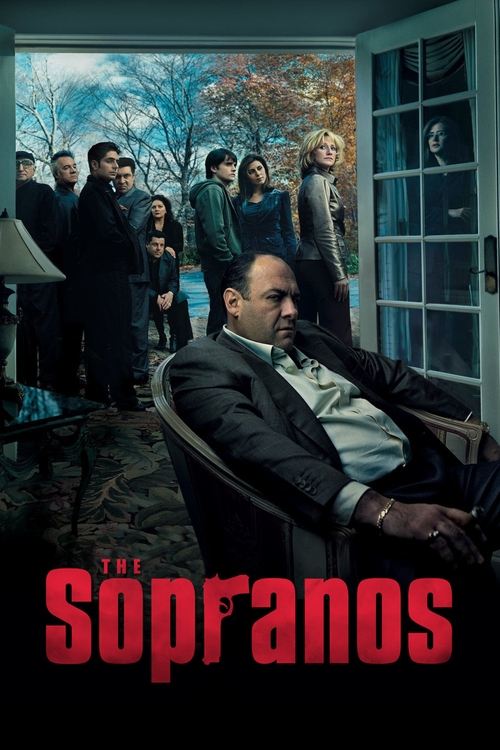
1. The Sopranos
This wasn't just a mob show; it was a character study disguised as one. HBO gave David Chase the leash to tell a deeply serialized story about a man unraveling, pushing the boundaries of what TV could explore psychologically. You couldn't just watch an episode here and there; the cumulative effect, the slow burn of Tony's existential dread, demanded your undivided attention, foreshadowing the binge model perfectly.
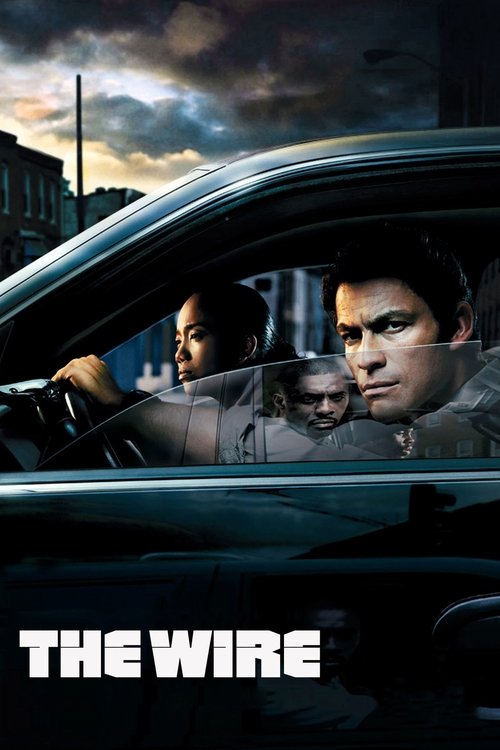
2. The Wire
Forget procedural; this was a novel for television. Each season peeled back another layer of Baltimore, showing how institutions fail, intertwining dozens of lives. Its dense, interconnected storytelling, where every seemingly minor detail paid off later, made it utterly compelling. You missed something, you felt it. It forced a deep engagement, setting the stage for viewers who craved layered narratives they could consume at their own pace.
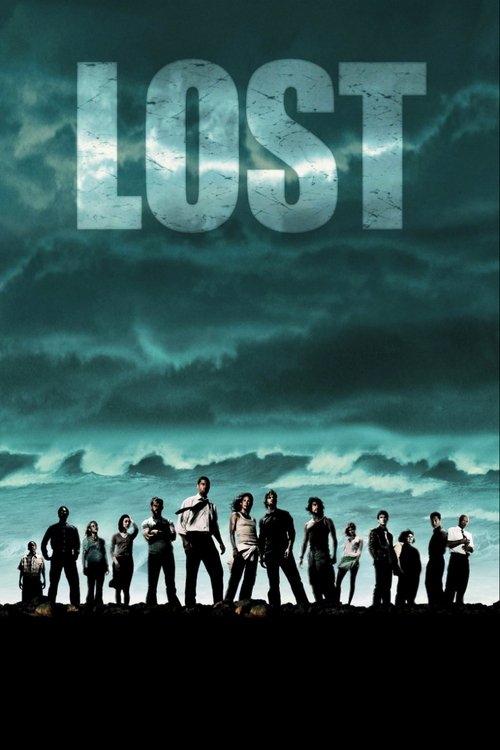
3. Lost
This show was a weekly appointment that quickly became an obsession. Its intricate mythology, twisty plot, and huge ensemble cast left you with more questions than answers every single week. The internet lit up with theories, but the real pull was that next episode. The cliffhangers were legendary, and if you missed one, you needed to catch up immediately, making early DVR and on-demand services indispensable.
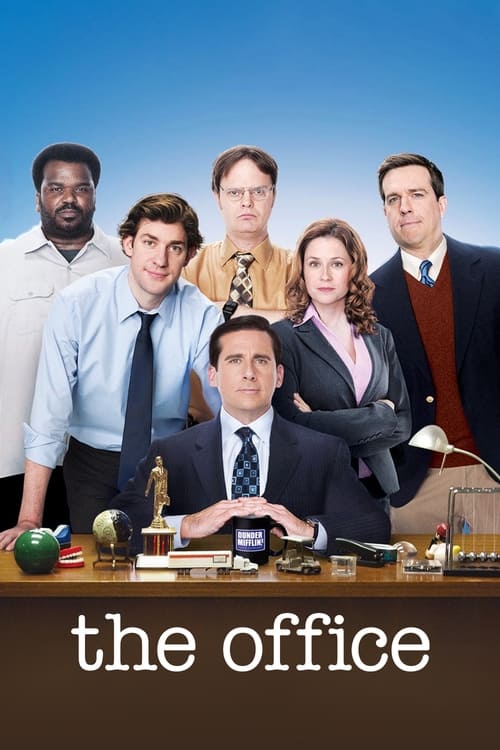
4. The Office
The American version solidified the mockumentary as a mainstream comedic force. Its subtle humor, character-driven awkwardness, and serialized relationships made it incredibly rewatchable. You got to know these people like colleagues. It wasn't just punchlines; it was about the journey of these quirky individuals, a comfort watch that invited repeat viewings and deeper dives into the mundane.
5. Mad Men
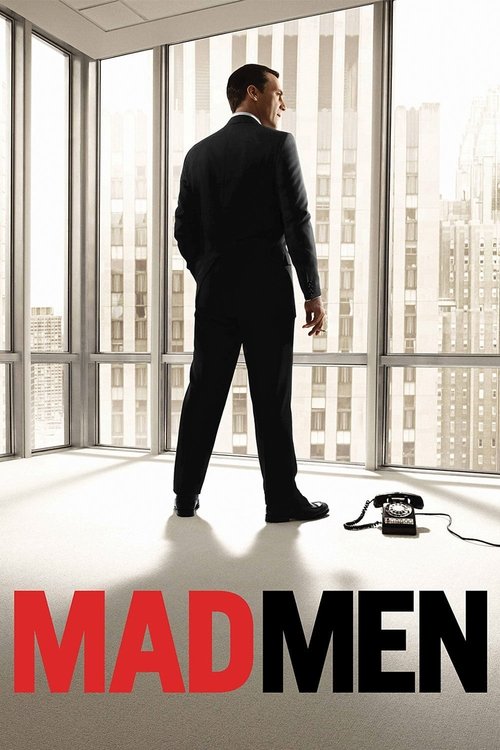
AMC staked its claim with this one. It was a masterclass in period detail and slow-burn character development, exploring identity and societal shifts through the lens of 1960s advertising. Don Draper's enigmatic nature and the show's deliberate pacing rewarded patient viewers. It wasn't about big events as much as the subtle shifts, making each episode a piece of a larger, beautifully crafted mosaic.

6. Six Feet Under
HBO delivered another gut punch with this family drama centered around a funeral home. It explored life, death, and messy human relationships with unflinching honesty and dark humor. The serialized nature of grief and healing, watching these characters evolve over years, made it deeply immersive. Each episode was a profound, self-contained story that also pushed the overarching narrative forward, begging for more.
7. Battlestar Galactica
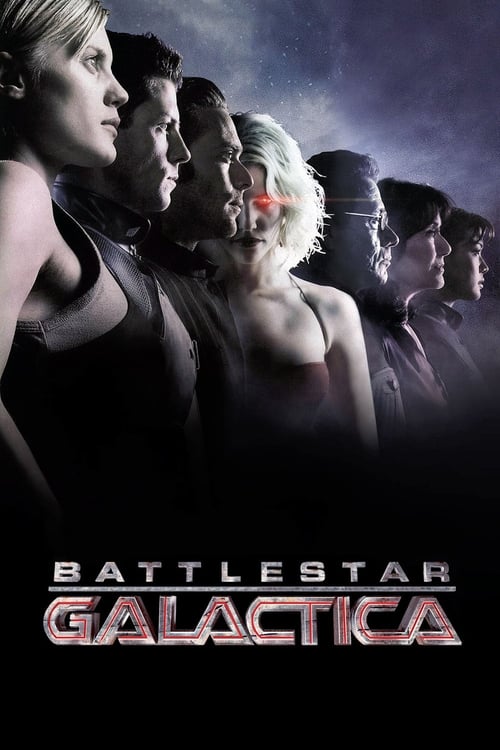
This wasn't just a sci-fi reboot; it was a gritty, serialized political thriller in space. It tackled complex moral dilemmas, existential threats, and the nature of humanity, all with a cinematic scope rarely seen on TV at the time. The overarching narrative of survival and revelation, coupled with intense character arcs, demanded continuous engagement, making it perfect for marathon sessions once available.
8. Arrested Development
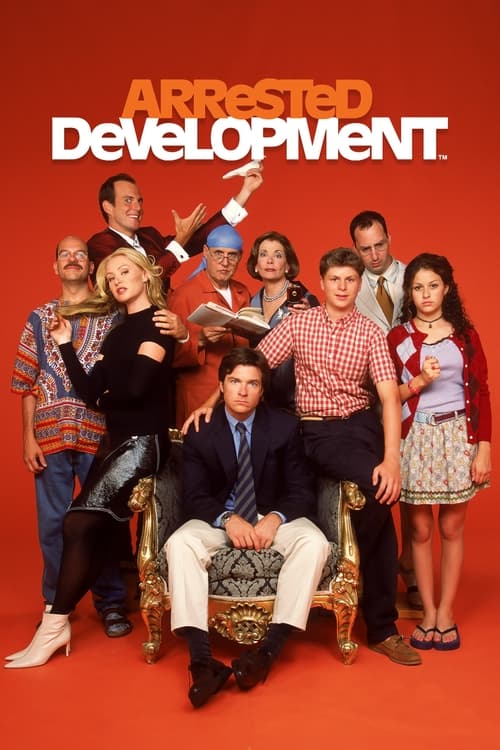
Ahead of its time, this show perfected the dense, referential comedy that rewarded repeat viewings and gave rise to the 'pause and rewind' culture. Every joke, every throwaway line, every background gag paid off later or referenced something earlier. Its unique mockumentary style and intricate narrative structure practically invented the concept of rewatching episodes to catch everything you missed.
9. The West Wing
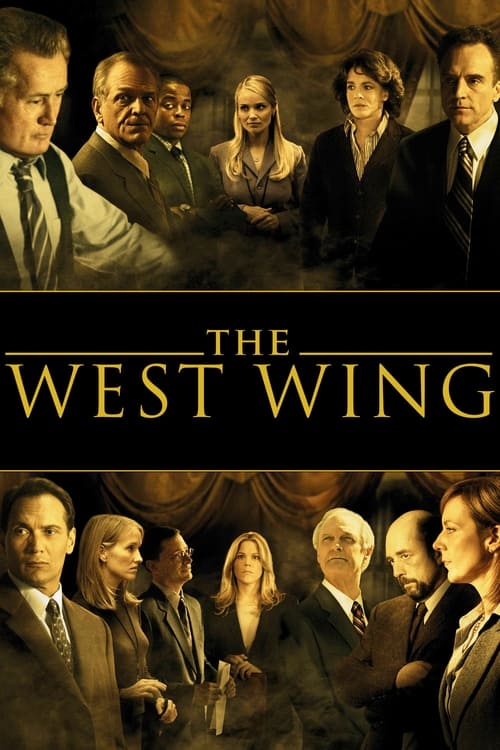
Aaron Sorkin's rapid-fire dialogue and idealistic portrayal of a White House staff captured lightning in a bottle. While often episodic, its serialized political narratives, ensemble cast dynamics, and character arcs built up considerable momentum. You became invested in these people and their mission, wanting to see how they navigated each crisis, making it incredibly easy to just keep hitting 'next episode'.