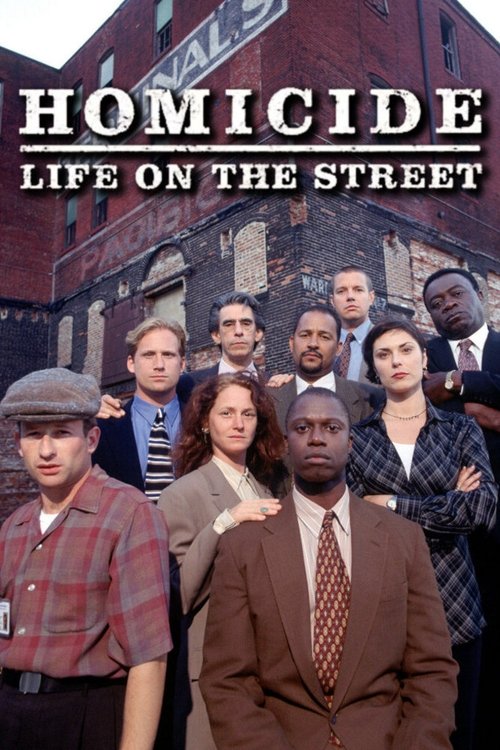
1. Homicide: Life on the Street
This one hit network TV like a gut punch, right out of the gate. Forget your usual tidy procedural; 'Homicide' brought a raw, ensemble grit with its overlapping dialogue and jump cuts that felt more like a movie than a weekly show. Barry Levinson and Tom Fontana weren't afraid to let cases go unsolved or characters flounder, pushing serialized storytelling that made you invest in the whole damn squad, not just the perp of the week.
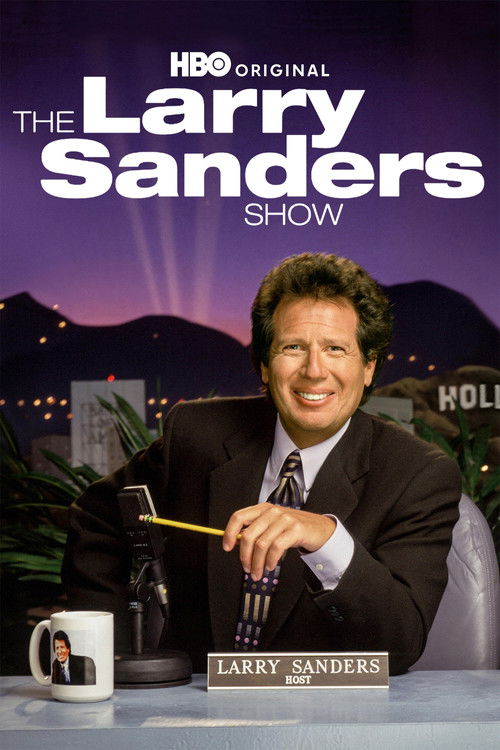
2. The Larry Sanders Show
Before everyone and their mother tried a single-camera comedy, 'Larry Sanders' perfected the mockumentary style, peeling back the veneer of late-night TV. Garry Shandling’s neurotic host and his toxic, hilarious entourage were fully realized, serialized characters navigating the soul-crushing absurdity of fame. It was smart, cringe-worthy, and so damn influential, showcasing that comedy could be as complex and character-driven as any drama.
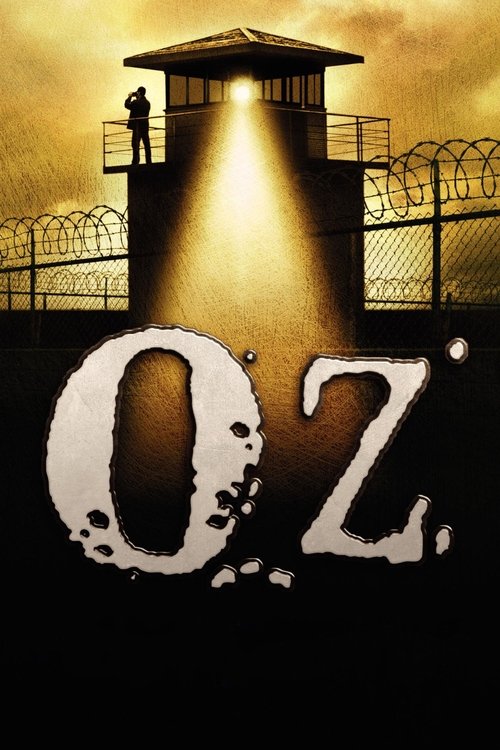
3. Oz
HBO really threw down the gauntlet with 'Oz.' This wasn't just a prison drama; it was a brutal, uncompromising exploration of humanity's darkest corners, complete with graphic violence and explicit themes that network TV wouldn't touch. Tom Fontana's vision was a serialized, character-dense pressure cooker, proving cable could deliver visceral, cinematic storytelling that didn't pull punches and demanded your attention week after week.
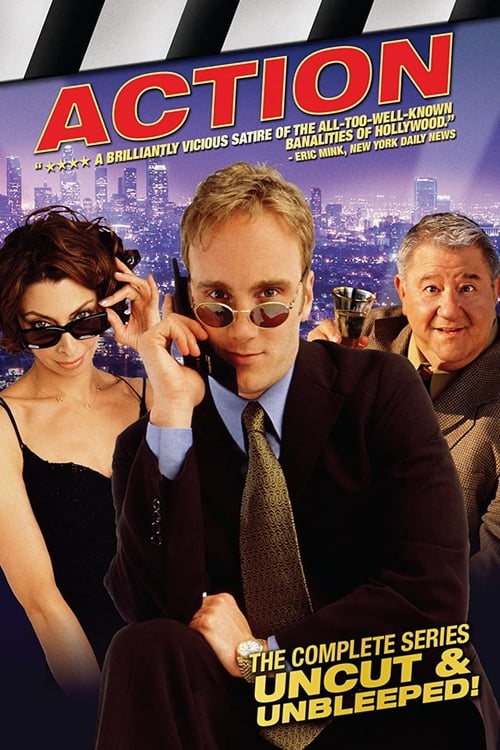
4. Action
Remember this one? 'Action' was a dark, cynical Hollywood satire that Fox just couldn't handle, and honestly, it was probably too smart and too nasty for mainstream audiences back then. Jay Mohr played a truly reprehensible studio executive, and the show reveled in its amorality. It was a vicious, short-lived experiment in pushing network comedy's boundaries, hinting at the kind of no-holds-barred storytelling that would later thrive elsewhere.
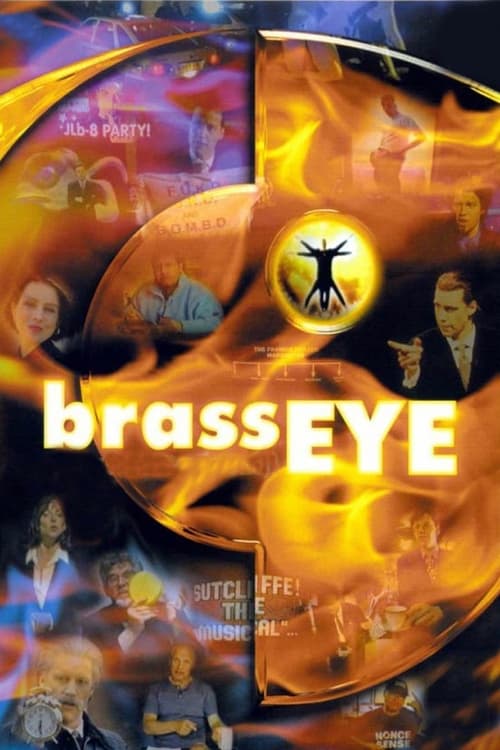
5. Brass Eye
Over in the UK, Chris Morris’ 'Brass Eye' was a masterclass in aggressive, subversive mockumentary, blurring the lines between reality and satire in ways that felt genuinely dangerous. It wasn't just funny; it was a biting commentary on media hysteria and public gullibility, staging elaborate hoaxes that exposed the absurdity of news cycles. This show was experimental, provocative, and absolutely fearless, a true precursor to 'fake news' commentary.
6. Carnivàle
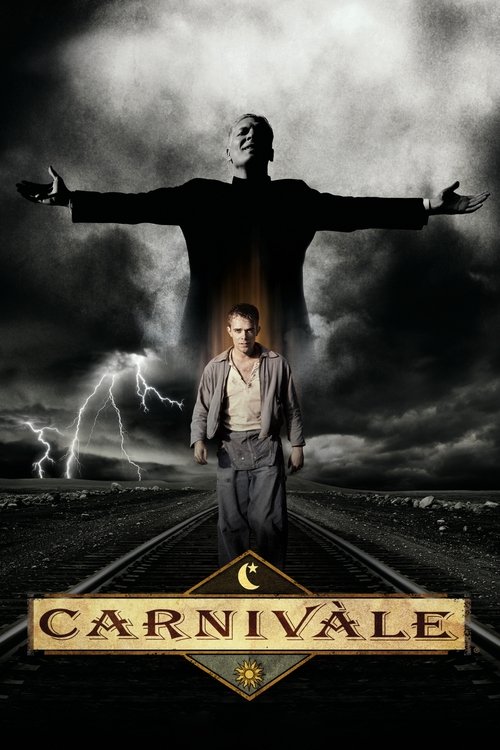
'Carnivàle' was a behemoth of ambition for HBO, a Depression-era epic steeped in surrealism and a sprawling, cryptic mythology. The cinematic scope, the meticulous period detail, and that slow-burn, deeply serialized narrative demanded patience but rewarded it with an unparalleled atmosphere. It was a high-concept gamble, a visual feast that proved premium cable wasn't just about profanity, but about creating dense, artistic worlds you could get lost in.
7. Arrested Development
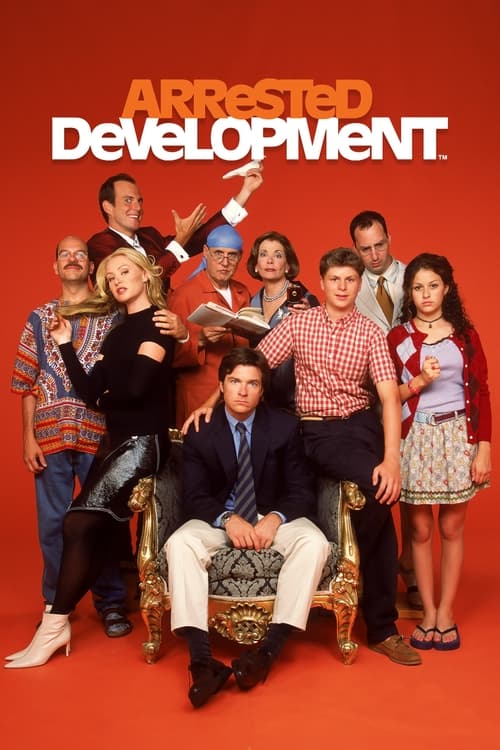
This show was so dense with jokes, callbacks, and blink-and-you-miss-it gags, it practically invented the concept of re-watching episodes to catch everything. 'Arrested Development' took the single-camera, mockumentary style to another level, building an intricate, serialized family comedy. It was brilliant, operating on a different wavelength than typical network sitcoms, almost demanding an on-demand viewing future where its rapid-fire genius could be fully appreciated.
8. Deadwood
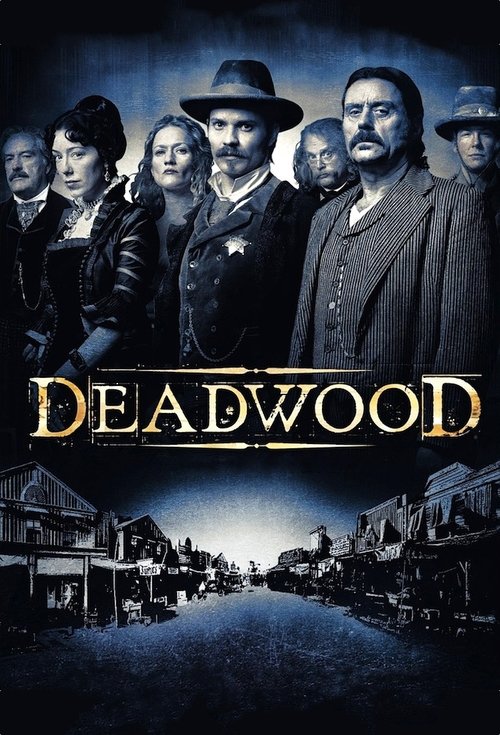
David Milch’s 'Deadwood' was like nothing else on TV, a foul-mouthed, poetic Western that felt more like a lost American novel than a television series. The dialogue was a character in itself, and the sprawling ensemble cast painted a brutal, complex portrait of a nascent society. HBO allowed it to be a serialized, cinematic masterpiece, demonstrating the kind of literary ambition and unapologetic grit cable could deliver when given free rein.
9. Wonderfalls
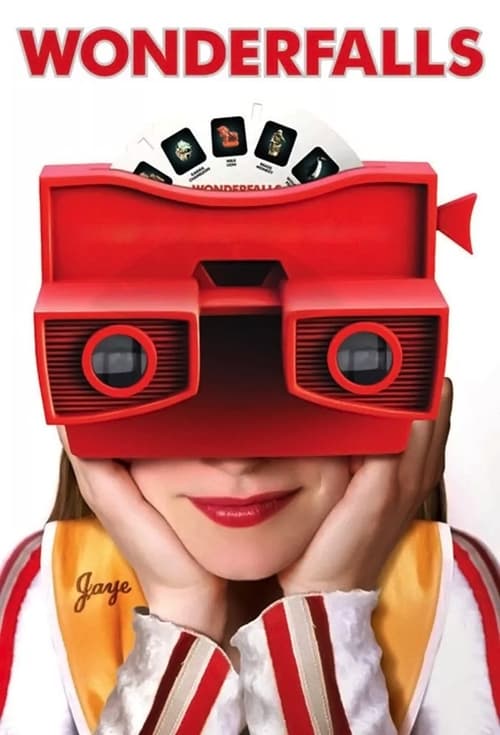
Before 'Pushing Daisies,' Bryan Fuller gave us 'Wonderfalls,' a quirky, charming gem about a disillusioned souvenir shop worker whose life gets upended by talking inanimate objects. It had that signature Fuller whimsicality mixed with genuine emotional depth and a serialized, unfolding mystery. Fox cancelled it way too soon, but its unique voice and blend of fantasy and character study hinted at the kind of niche, genre-bending storytelling that would later find homes on streaming platforms.