
1 / 9

1. Spacewar!
Born in the academic halls of MIT, Spacewar! wasn't about commercial success; it was about demonstrating what computing could be. Its source code, freely shared and tweaked by early hackers, established a collaborative, open-source ethos long before the internet. This seminal creation laid the groundwork for competitive gaming, proving that digital interaction could be a profound, engaging experience, not just a utilitarian one. It cultivated a nascent community around digital play, setting an unseen precedent for everything that followed.
2 / 9

2. Pong (1972)
Pong, more than just a game, was an industrial revolution. Its astonishing simplicity made digital interaction accessible to everyone, not just academics. Placing it in public spaces, Atari proved that gaming could be a viable, wildly profitable entertainment medium. It birthed the arcade industry, showing that basic digital physics could captivate millions and that a machine could generate a social buzz. Suddenly, video games weren't just for scientists; they were for everyone, paving the way for a cultural phenomenon.
3 / 9
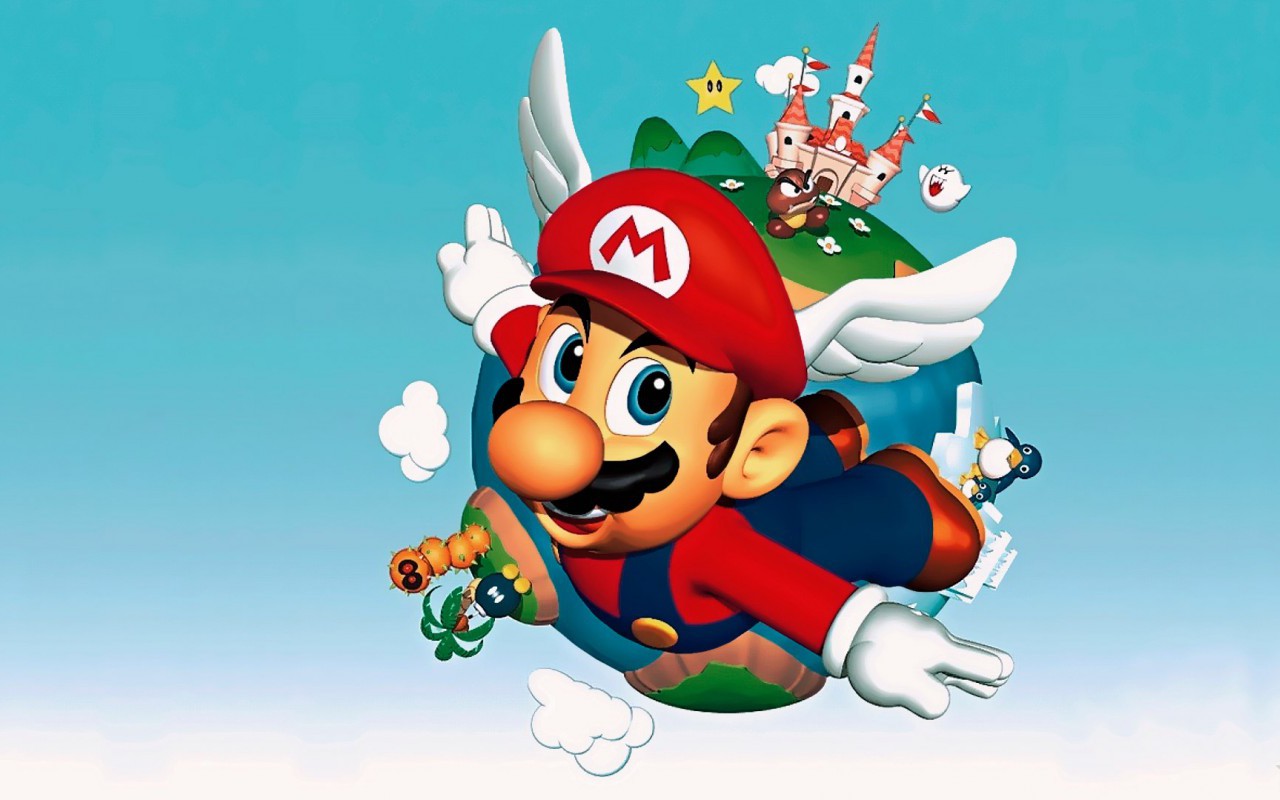
3. Super Mario 64
Stepping into Super Mario 64 was like discovering a new dimension. This wasn't just a platformer; it was a masterclass in 3D design, redefining how we interacted with virtual spaces. Its revolutionary camera control and nuanced character movement made exploration a joy, liberating players from linear paths. It set the blueprint for every 3D adventure game that followed, proving that sophisticated spatial puzzles and open-ended level design could create an unparalleled sense of wonder and freedom.
4 / 9

4. DOOM (2016)
DOOM (2016) didn't just reboot a franchise; it revitalized an entire genre. In an era dominated by cover-based shooters, it violently declared that aggressive, fast-paced combat was still king. It refined the concept of 'combat puzzle,' encouraging players to move, strategize, and execute with relentless urgency. This game reminded developers that a focused, expertly crafted single-player experience, driven by visceral satisfaction and an undeniable flow state, could stand proudly against any multiplayer behemoth.
5 / 9
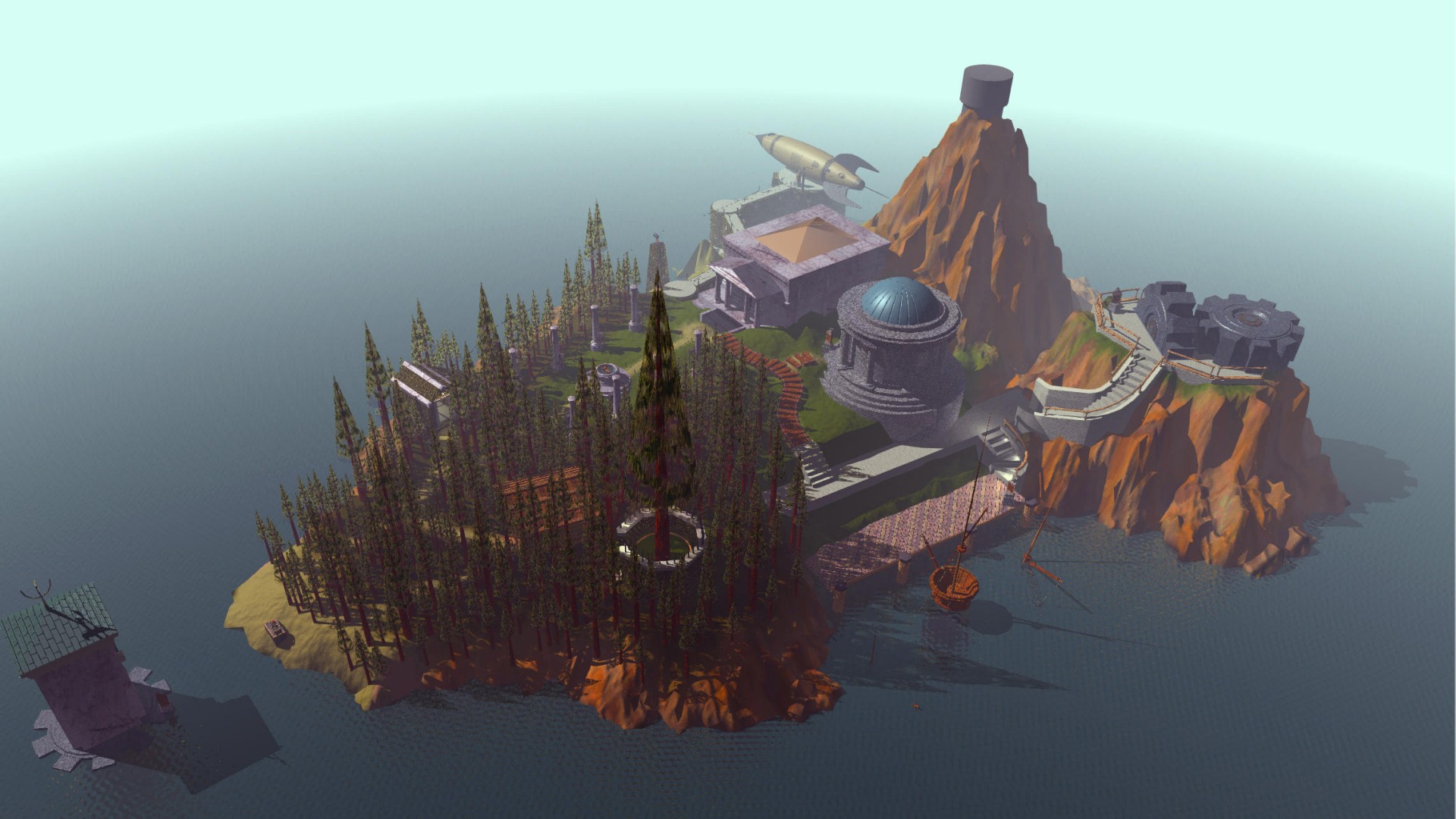
5. Myst
Myst wasn't just a game; it was an experience in quiet contemplation, a stark contrast to the burgeoning action titles of its era. Its pre-rendered graphics and intricate, non-linear puzzles demanded patience and intellectual rigor, proving that a gaming experience could be deeply immersive without relying on combat. It forged a path for narrative-driven adventure games, demonstrating that atmospheric storytelling and a sense of discovery could captivate a vast audience, often outside traditional gaming demographics.
6 / 9
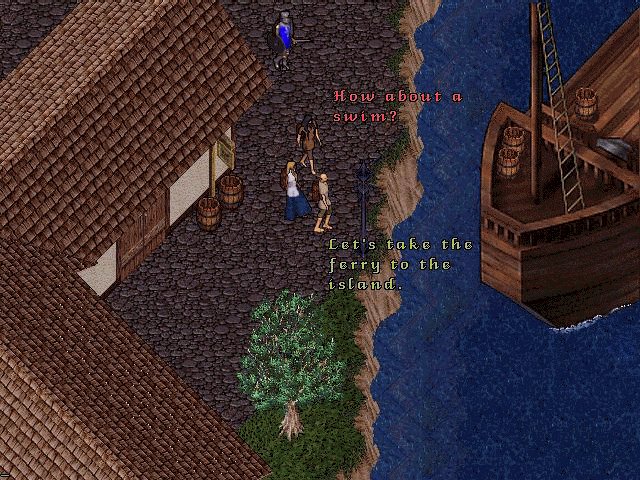
6. Ultima Online
Ultima Online didn't just offer a multiplayer experience; it built a living, breathing world. Its persistent online environment allowed players to shape their own narratives, fostering emergent gameplay in ways previously unimaginable. This was where digital communities truly began to coalesce, where player-driven economies and social structures formed organically. It laid the foundation for every massive multiplayer online game, demonstrating the profound power of shared virtual spaces and the enduring appeal of a digital second life.
7 / 9
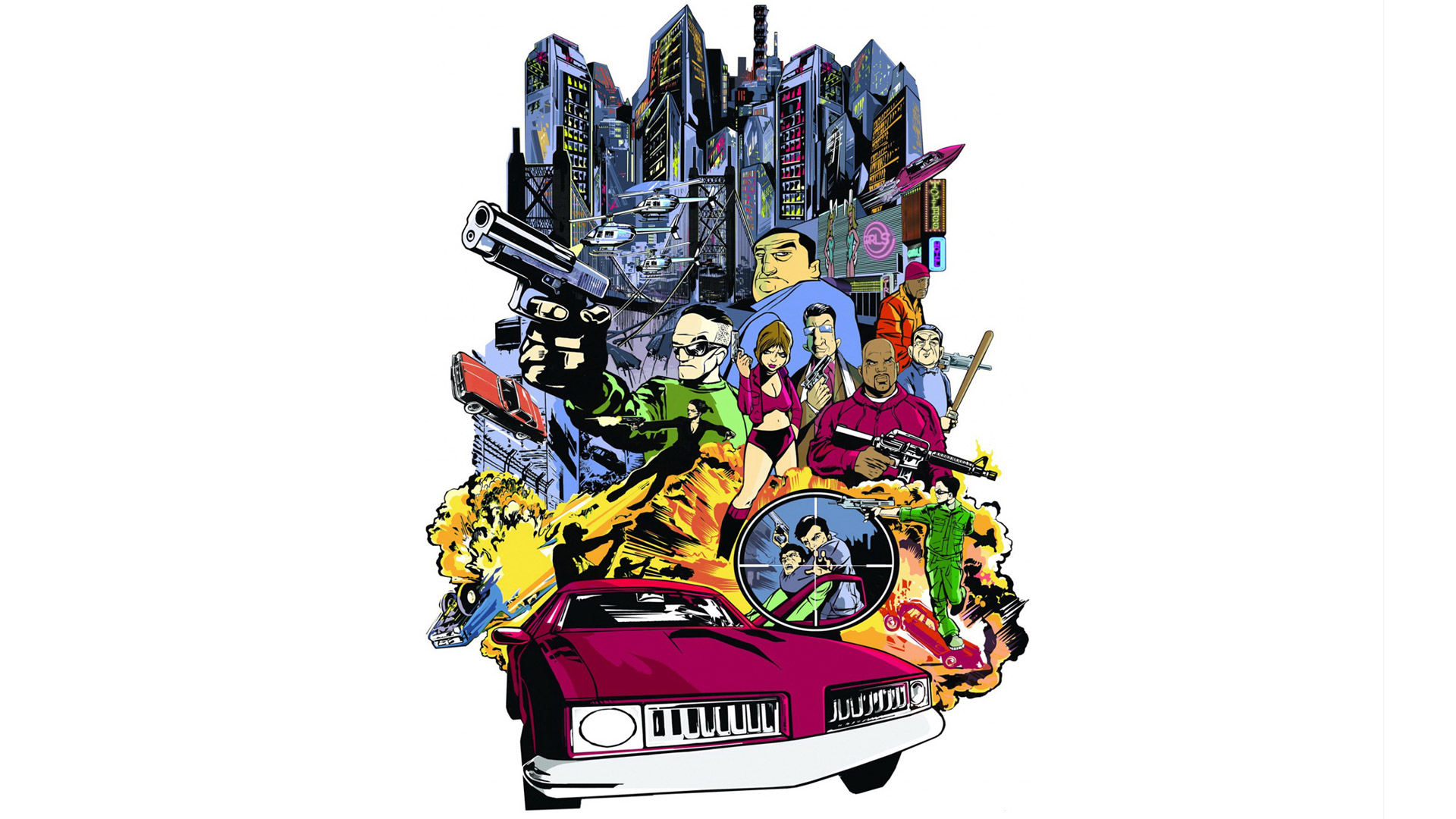
7. Grand Theft Auto III
Grand Theft Auto III blew the doors off what an open-world game could be. Its sprawling, living city, combined with unprecedented freedom to explore and cause mayhem, redefined player agency. It fused a compelling narrative with a sandbox playground, normalizing a level of player choice and consequence previously rare. While controversial, its success cemented the idea that mature themes and expansive, non-linear environments were not just viable, but profoundly desired by a growing audience.
8 / 9
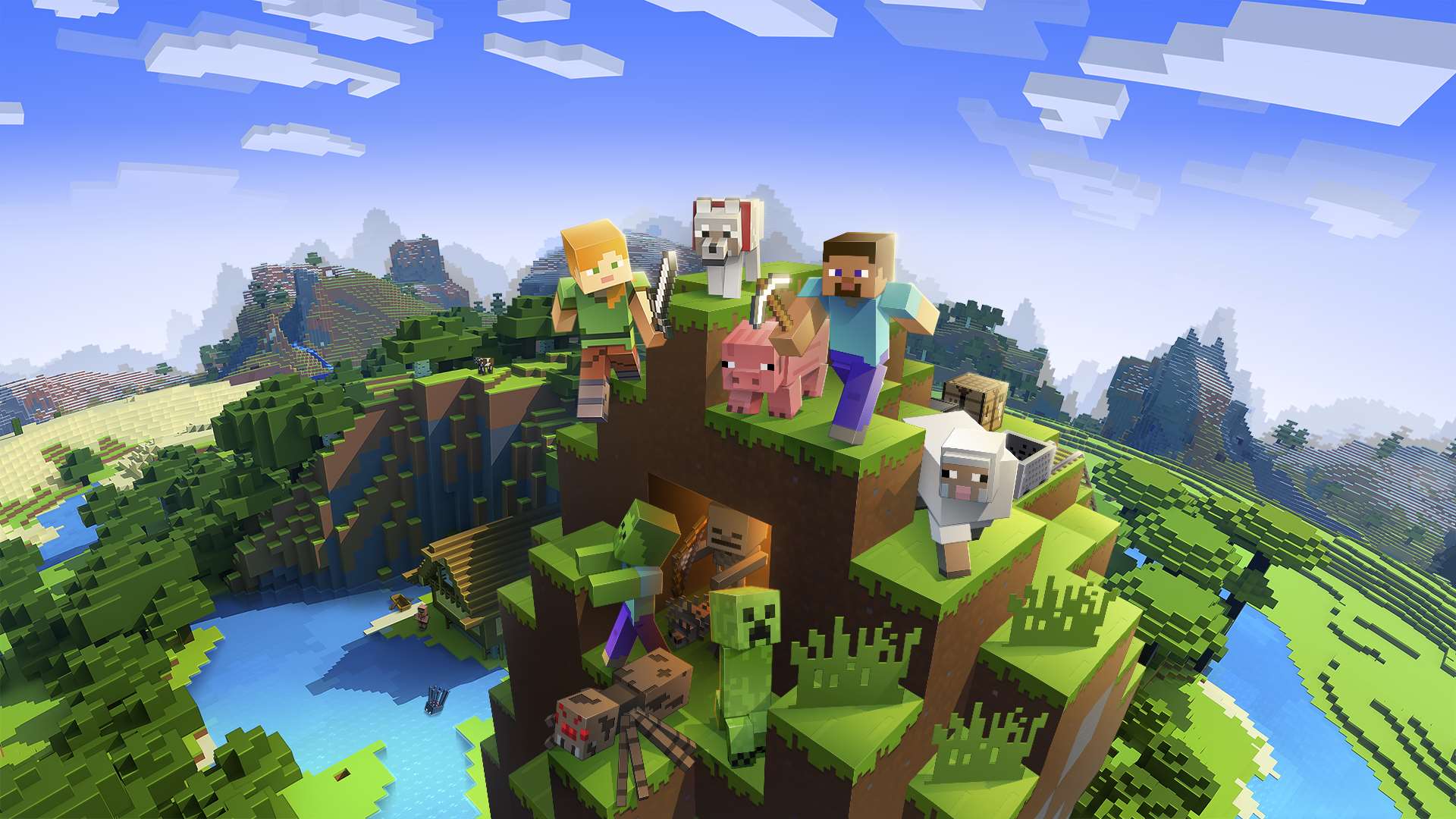
8. Minecraft
Minecraft wasn't just a game; it was a digital canvas, a universal language of creation. Its blocky aesthetic and infinite, procedurally generated worlds democratized game design, inviting players of all ages to build, explore, and share. It proved that complex systems could be hidden behind simple mechanics, fostering unparalleled creativity and community. This title reshaped our understanding of what a 'game' could be, emphasizing player-driven content and the joy of shared construction.
9 / 9

9. The Sims
The Sims transcended traditional gaming, offering a digital dollhouse where players could craft and control virtual lives. It democratized simulation, proving that detailed character management and emergent storytelling could appeal to an incredibly broad audience, often outside core gaming demographics. This wasn't about winning; it was about narrative experimentation, about observing and manipulating social dynamics. It redefined what a 'game' could represent, embedding itself into popular culture as a unique social sandbox.