1 / 8

1. Pong (1972)
This wasn't just a game; it was a societal inflection point. Before Pong, electronic entertainment was largely relegated to labs or novelty. Its stark, minimalist design, resembling table tennis, made it immediately accessible. Arcades and homes soon buzzed with its iconic "blip-blop." Pong didn't just introduce video games to the masses; it proved they could be a viable, wildly popular commercial product, laying the groundwork for an entire industry and fundamentally altering leisure time.
2 / 8
2. Space Invaders (1978)
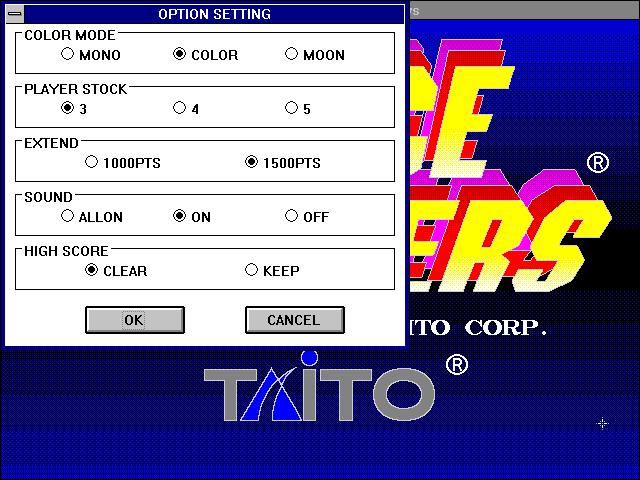
Taito's monochrome invasion was a phenomenon, defining the golden age of arcades. Its premise was simple: defend Earth from descending aliens. Yet, its escalating difficulty, hypnotic soundscape, and the thrill of chasing high scores created an addictive loop few could resist. It popularized the concept of a persistent threat and player progression within a single session, driving countless quarters into machines and solidifying electronic gaming as a global cultural force.
3 / 8
3. Super Mario Bros.
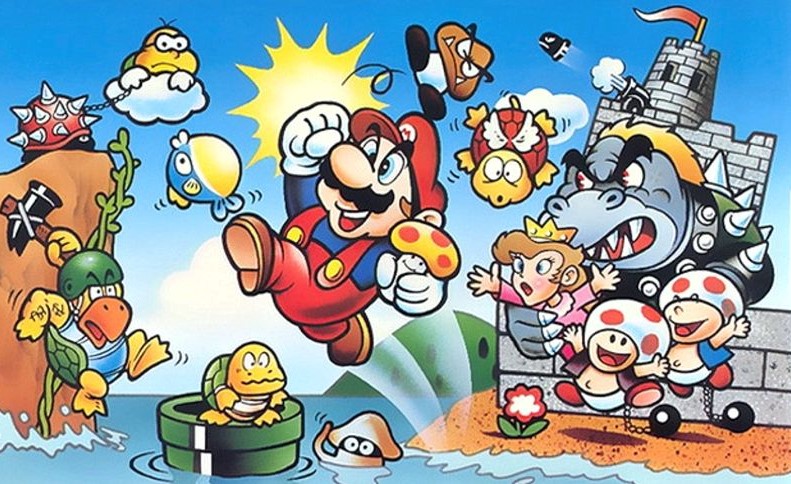
When the gaming industry faced collapse, Mario and his quest through the Mushroom Kingdom didn't just save it; they redefined it. This wasn't merely about jumping; it introduced precise platforming, secret passages, and a sense of progression rarely seen before. Shigeru Miyamoto's design masterpiece established a playful, vibrant blueprint for countless future titles, proving that video games could offer intricate worlds and engaging narratives beyond simple score attacks.
4 / 8

4. DOOM (2016)
In an era of cover-based shooters, DOOM roared back with an unapologetic, brutal ferocity. It stripped away pretense, offering a visceral ballet of demonic dismemberment. This reboot understood its legacy, delivering relentless, fast-paced action and a heavy metal soundtrack that amplified the chaos. It reminded a generation that first-person shooters could be about raw power fantasy and aggressive, in-your-face combat, not just tactical positioning, proving old formulas could be fresh.
5 / 8
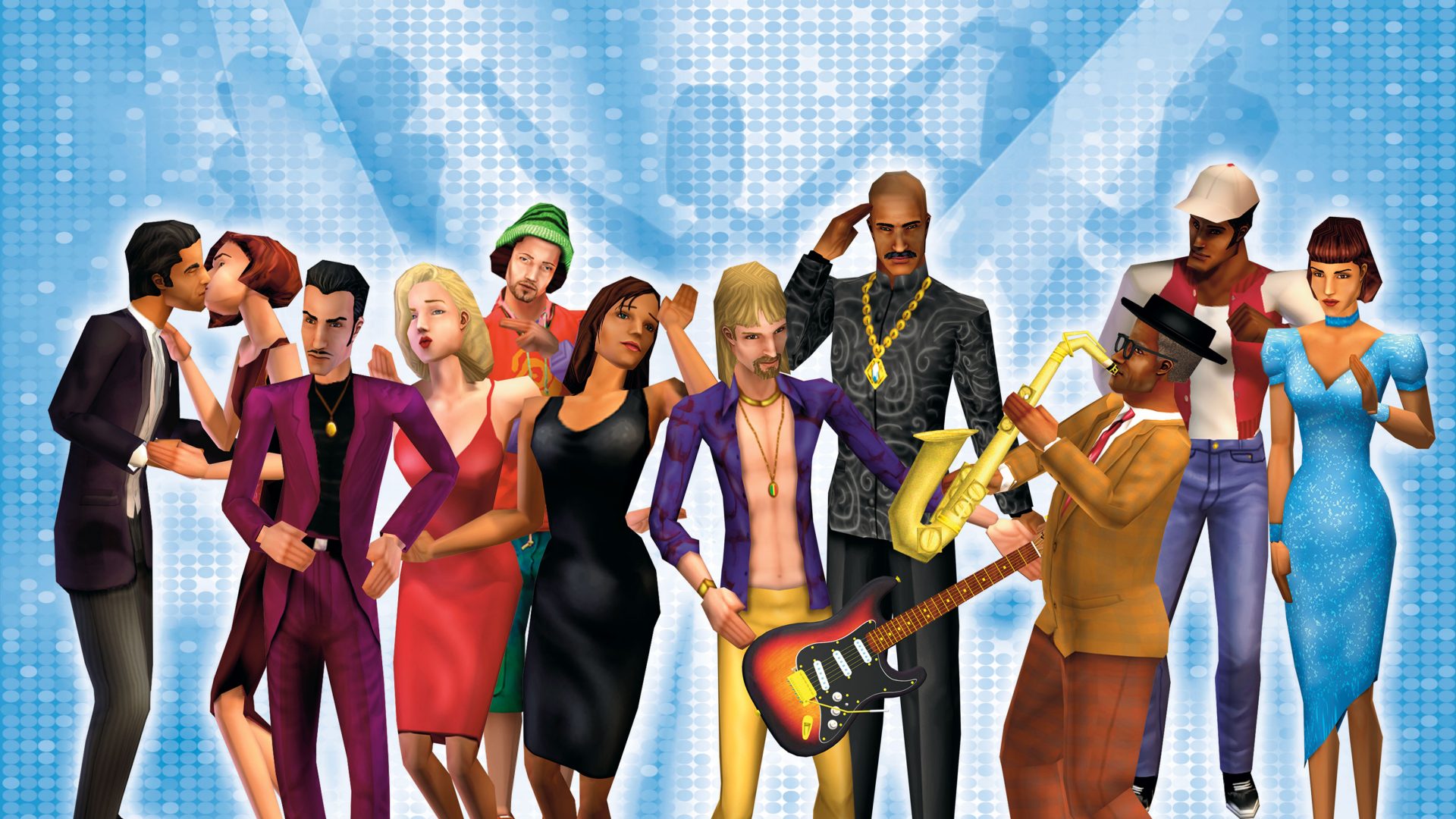
5. The Sims
Will Wright's digital dollhouse broke every conventional gaming rule. There were no explicit objectives, no final boss, just the open-ended simulation of everyday life. Players built homes, managed careers, fostered relationships, and even orchestrated tragic events. Its appeal lay in its sandbox freedom, allowing for boundless creativity and storytelling. The Sims proved that a game didn't need victory conditions to be profoundly engaging; it just needed to reflect the human condition.
6 / 8
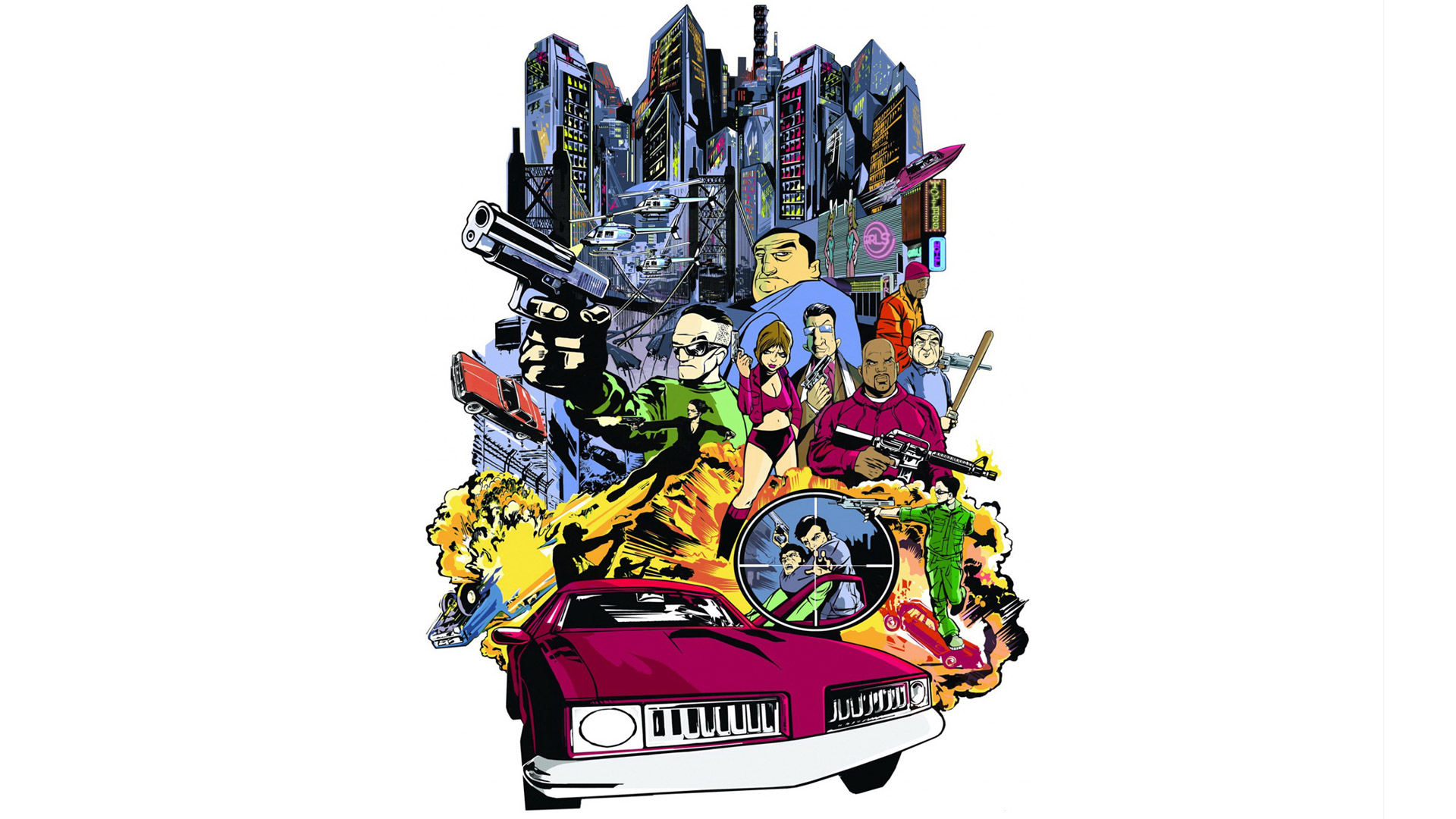
6. Grand Theft Auto III
This game didn't just push boundaries; it obliterated them. Grand Theft Auto III ushered in the true 3D open-world sandbox, offering an unparalleled sense of freedom and urban chaos. Its mature themes, satirical take on American culture, and controversial violence ignited debates, yet its influence was undeniable. It established a new paradigm for non-linear storytelling and player agency, forever changing expectations for what a video game world could be.
7 / 8

7. World of Warcraft
Blizzard's behemoth didn't invent the MMORPG, but it perfected its formula, drawing millions into Azeroth. More than a game, it became a persistent virtual society where players forged friendships, rivalries, and entire economies. Its compelling lore, constant updates, and accessible design created a cultural phenomenon that transcended gaming. WoW demonstrated the immense power of shared online experiences and the enduring appeal of collective digital adventure.
8 / 8
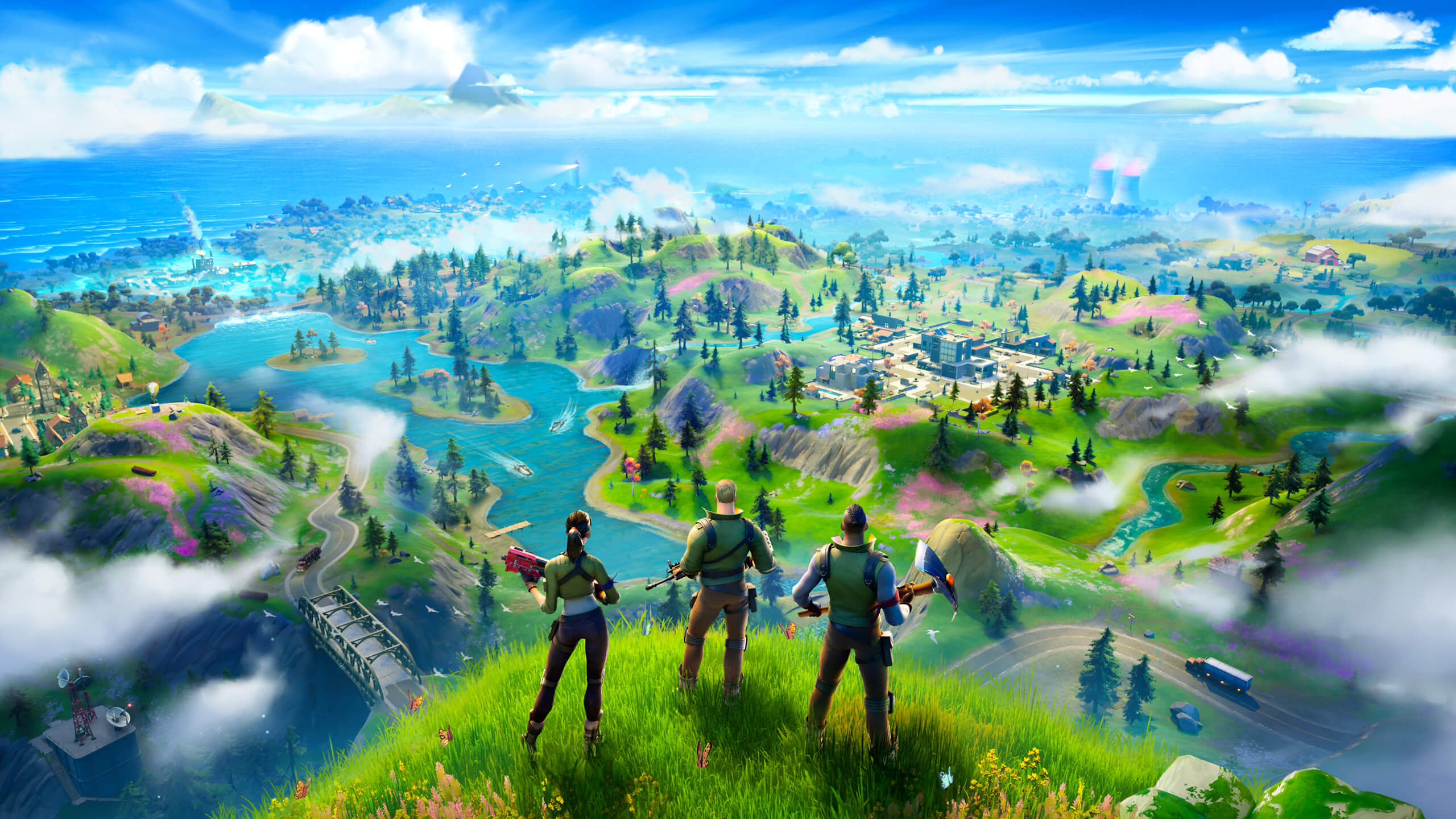
8. Fortnite Battle Royale
Epic Games didn't just jump on the Battle Royale trend; it made it a global phenomenon. Its free-to-play model, vibrant cartoon aesthetic, and innovative building mechanics attracted an unprecedented audience across nearly every platform. Fortnite seamlessly blended competitive play with social interaction, becoming a virtual hangout spot. It proved that games could be more than just entertainment; they could be dynamic, ever-evolving cultural touchstones, reshaping how we perceive digital social spaces.