
1 / 7
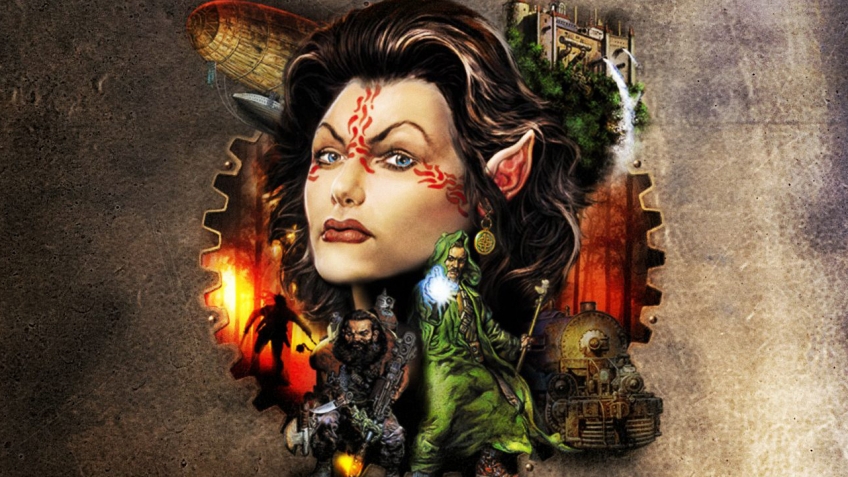
1. Arcanum: Of Steamworks and Magick Obscura
Man, *Arcanum* was Troika going all-in on a wildly ambitious RPG. It mashed industrial steampunk with classic fantasy, letting you play a tech genius or a powerful mage, and the world reacted. Sure, it was a buggy mess at launch, but the sheer depth of choice, the reactivity, and the intricate lore were something else. Modern games often shy away from this level of player agency, preferring a streamlined path. We lost something vital when games stopped being this fearlessly complex.
2 / 7
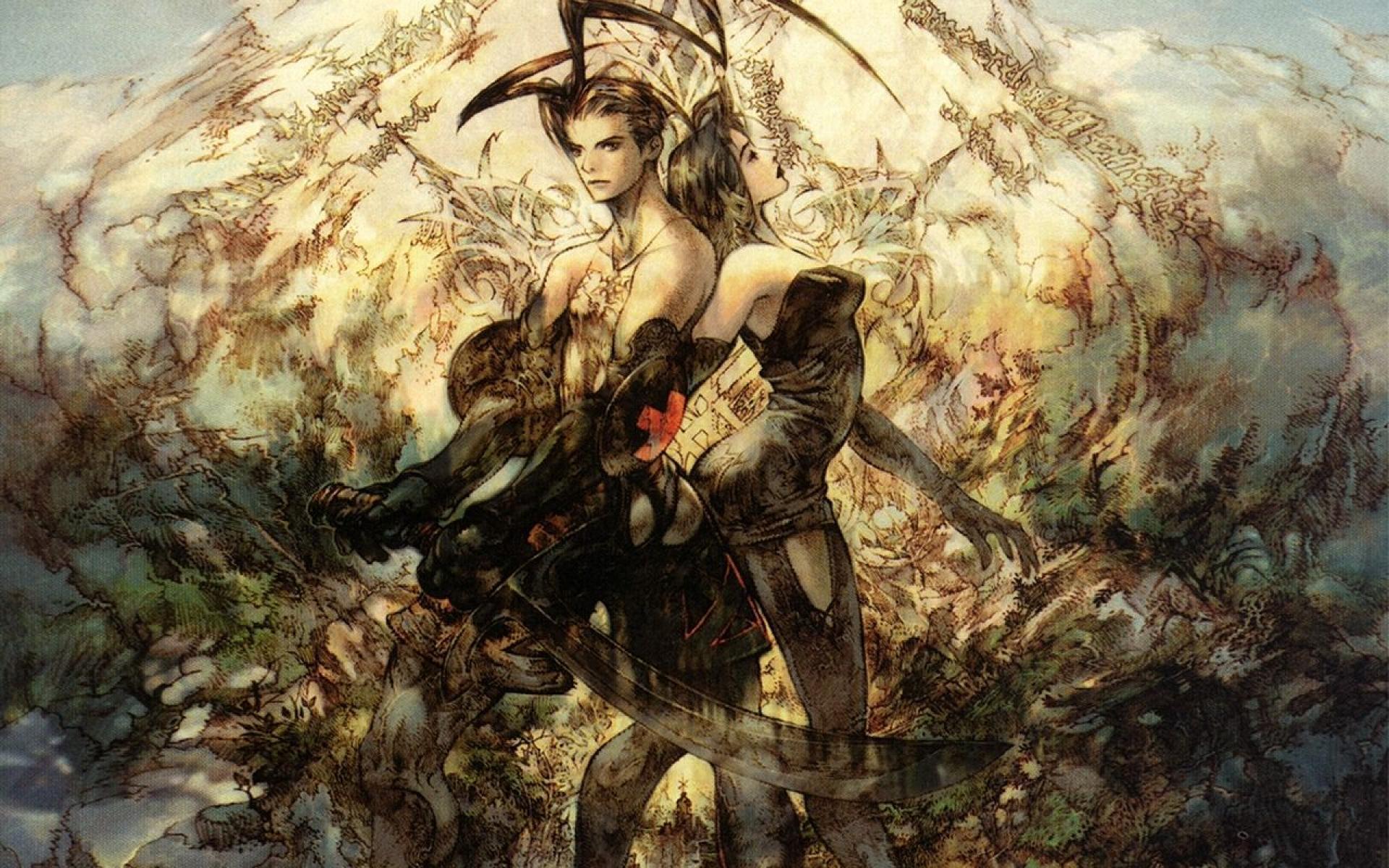
2. Vagrant Story (2000)
Square's *Vagrant Story* on PS1 was pure, undiluted artistic ambition. It’s this dark, esoteric JRPG where combat was a puzzle, not a button mash, with chaining attacks and weapon affinities against specific enemy types. Ashley Riot's journey through Leá Monde felt incredibly isolating and mature, a stark contrast to the often-optimistic fantasy of its era. This game dared to be different, delivering a truly unique, almost oppressive atmosphere that few titles even attempt today.
3 / 7
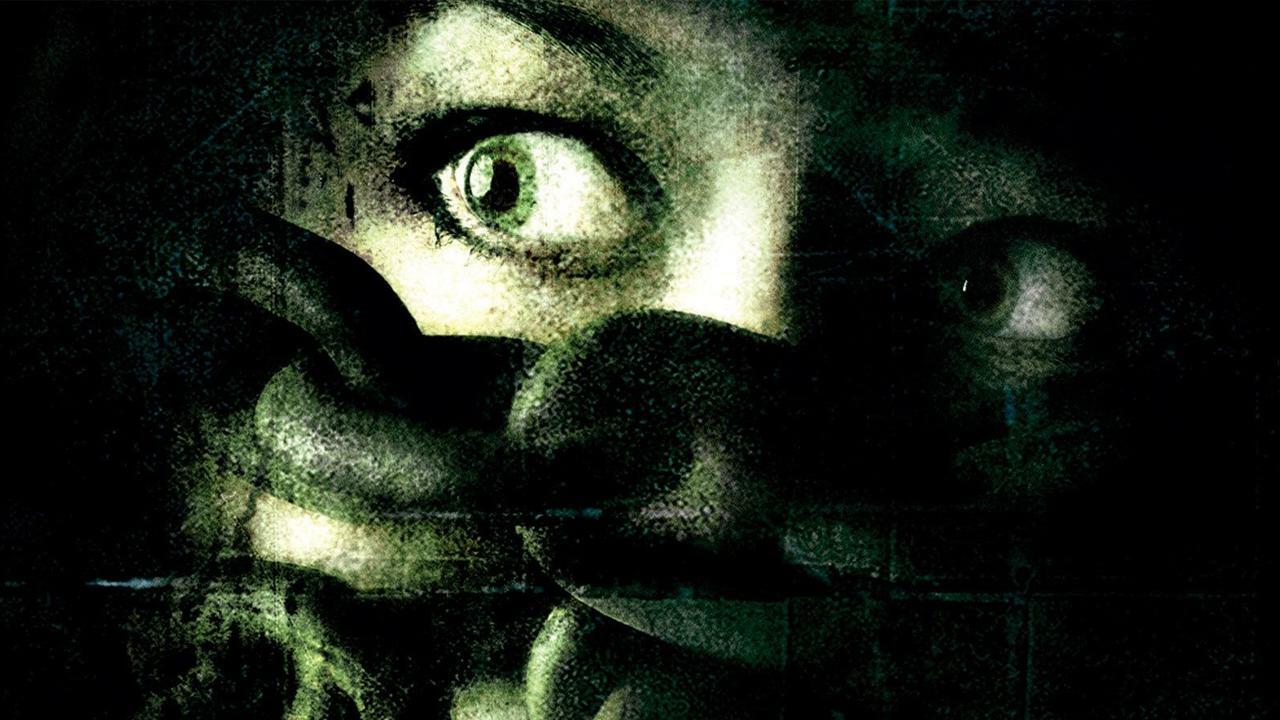
3. Condemned: Criminal Origins
*Condemned* was a launch title for the Xbox 360 that genuinely messed with your head. It wasn't just another shooter; it was a first-person horror experience where every melee swing felt visceral, every dark corner held genuine dread. Playing as an FBI agent tracking a serial killer, the game dove deep into urban decay and psychological terror. Modern horror often relies on jump scares, but *Condemned* built its horror from the ground up with atmosphere and brutal, up-close combat, and we need more of that.
4 / 7
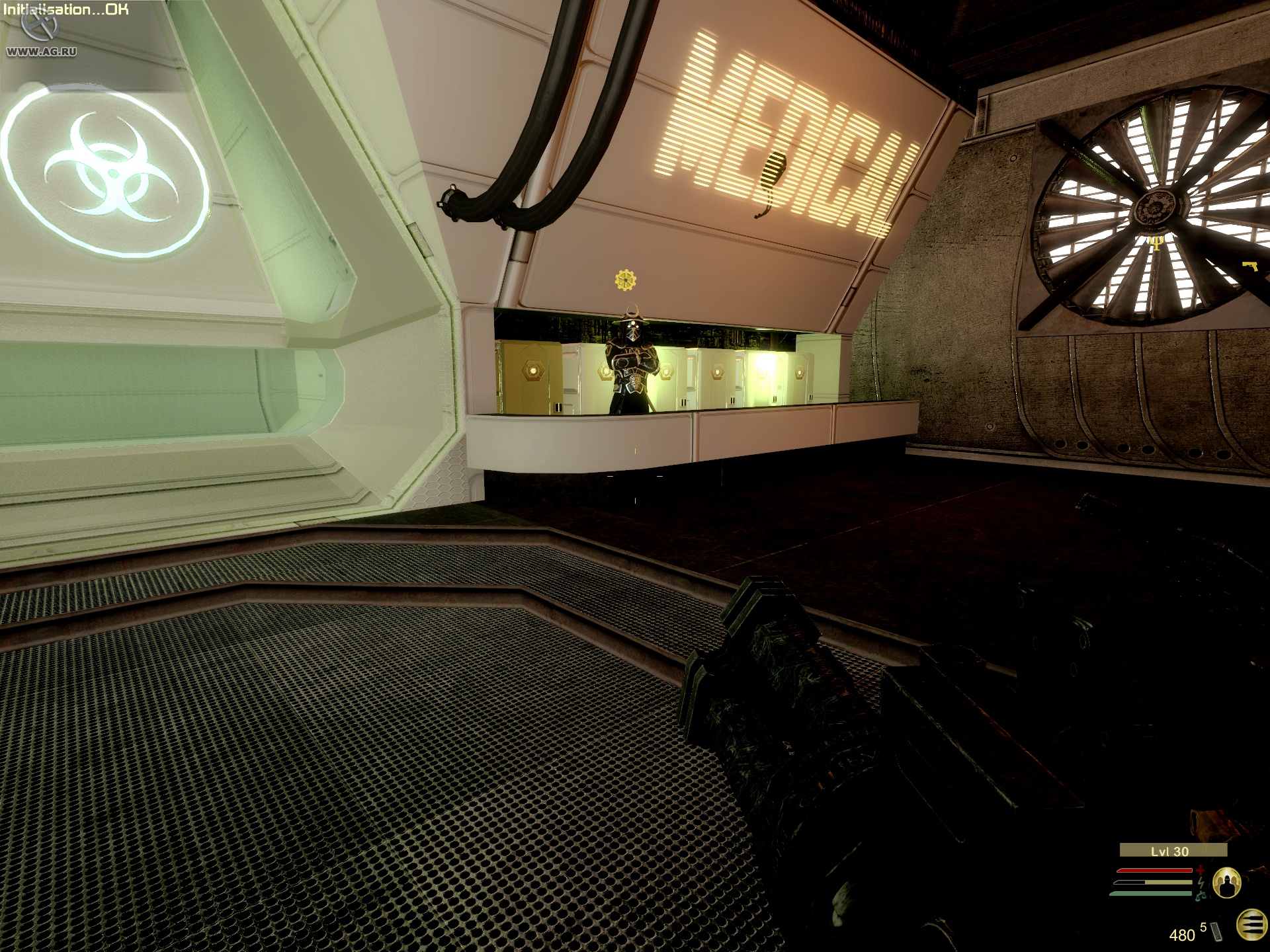
4. E.Y.E: Divine Cybermancy
Oh, *E.Y.E: Divine Cybermancy*. This French indie FPS was a glorious, janky fever dream. Its cyberpunk world, incomprehensible lore, and insane blend of gunplay, hacking, and psionic powers made it utterly unique. It felt like a game made by mad scientists, not a focus-tested committee. Modern gaming often polishes away the weird edges, but *E.Y.E.* embraced them, offering an experience so bizarrely compelling it still stands out in a sea of corporate sameness. A true cult classic.
5 / 7
5. Freedom Fighters
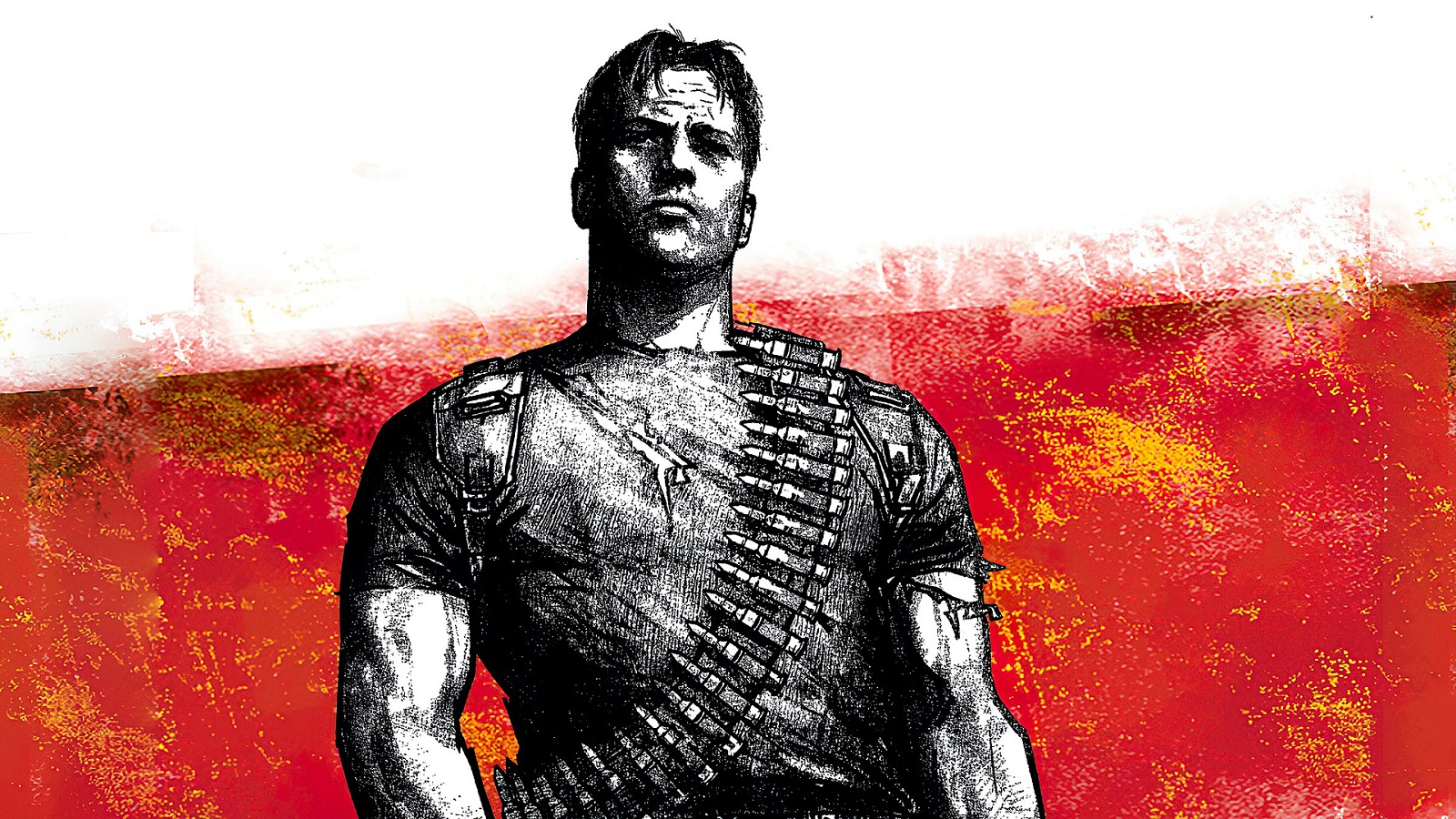
*Freedom Fighters* from IO Interactive was a brilliant, under-the-radar third-person shooter. Imagine an alternate history where the Soviets invaded NYC, and you're leading a small resistance cell. The squad command system was intuitive, the level design was fantastic, and the sense of escalating rebellion was palpable. It had heart and smart gameplay, but never got the sequel or recognition it deserved. Today, it feels like a lost art, that perfect blend of action and tactical depth without the bloat.
6 / 7
6. Dragon's Dogma
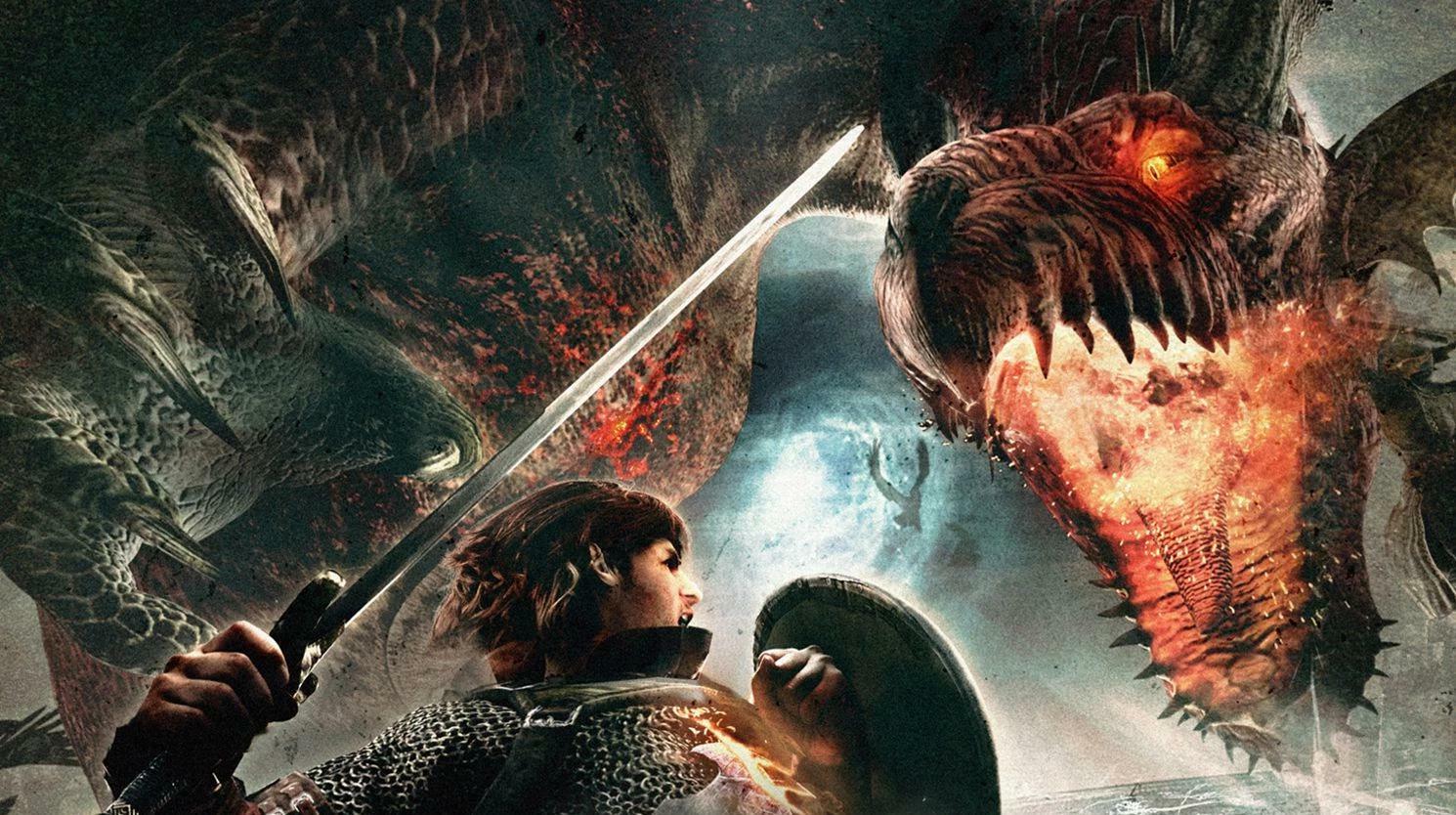
*Dragon's Dogma* is one of those Capcom games that just defies easy categorization. Its pawn system, where AI companions learn from your actions and other players, was pure genius. Climbing colossal monsters for weak-point attacks felt incredible. Yeah, the story was a bit messy, and fast travel was limited, but the sheer ambition and unique combat mechanics made it unforgettable. It was a proper action RPG that wasn't afraid to be a bit weird, a spirit we could use more of today.
7 / 7
7. Pathologic 2
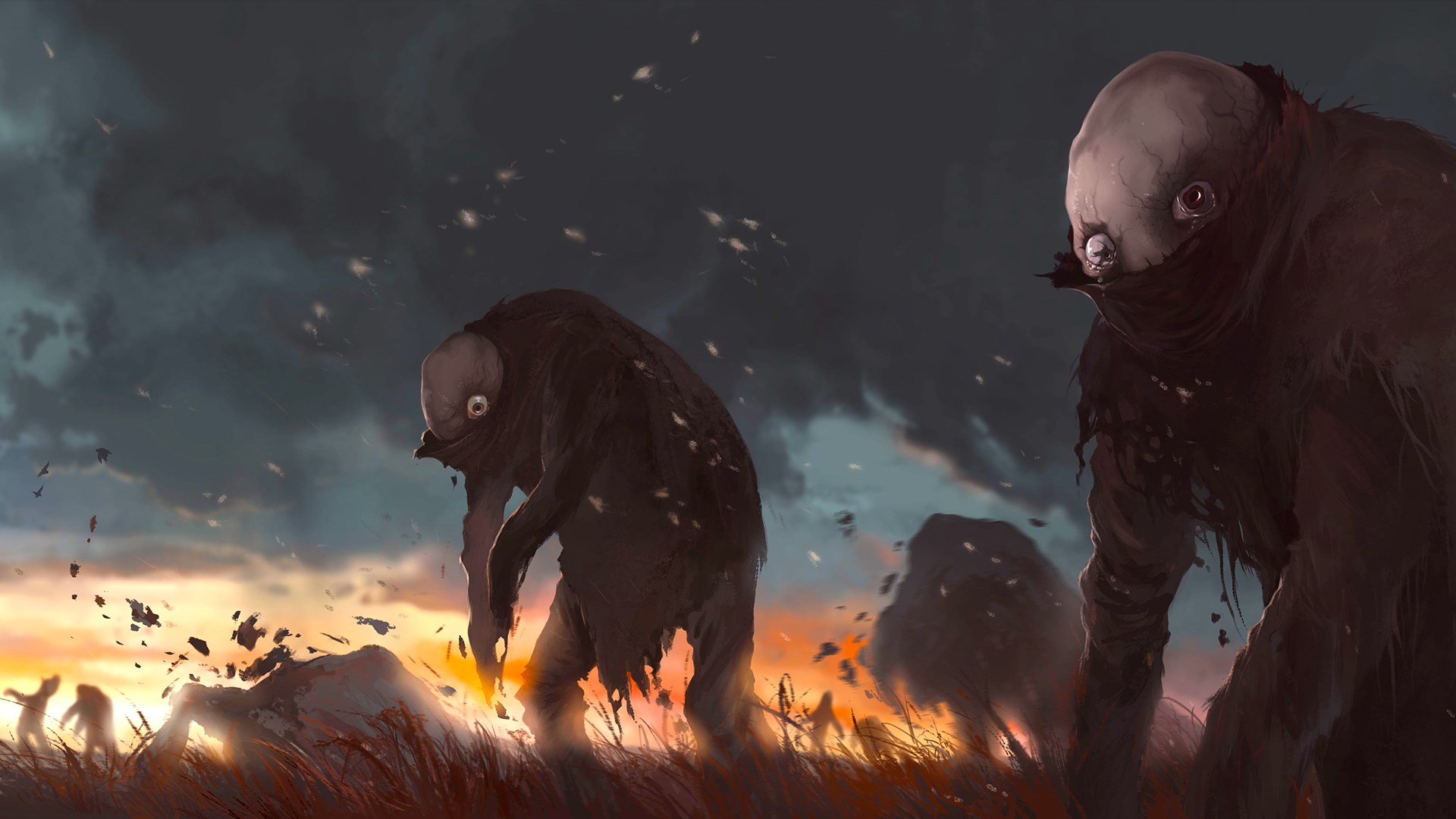
*Pathologic 2* is less a game and more an existential dread simulator. It's brutally difficult, intensely atmospheric, and demands your full attention as you fight disease, starvation, and a rapidly unraveling sanity in a plague-ridden town. It’s a masterpiece of environmental storytelling and player consequence, rejecting easy answers or power fantasies. Modern gaming often caters to comfort; *Pathologic 2* actively makes you uncomfortable, forcing you to truly *earn* any progress. Unforgettable.