

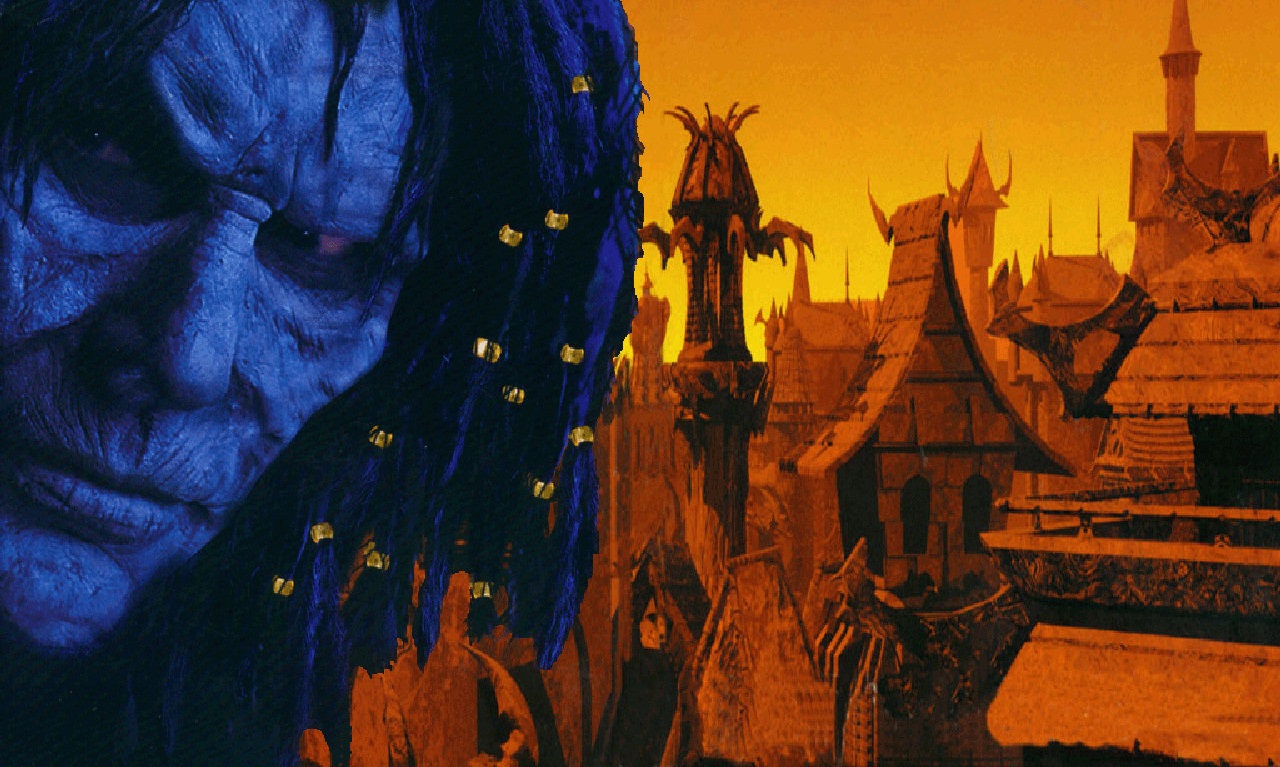
1. Planescape: Torment
This 1999 RPG redefined narrative depth in games. It dared to ask "What can change the nature of a man?" through philosophical dialogues and a protagonist cursed with immortality and amnesia. Combat was often secondary to its rich, text-heavy world and morally ambiguous choices, proving that a game could be profoundly impactful without relying on action. Its legacy is a testament to storytelling.
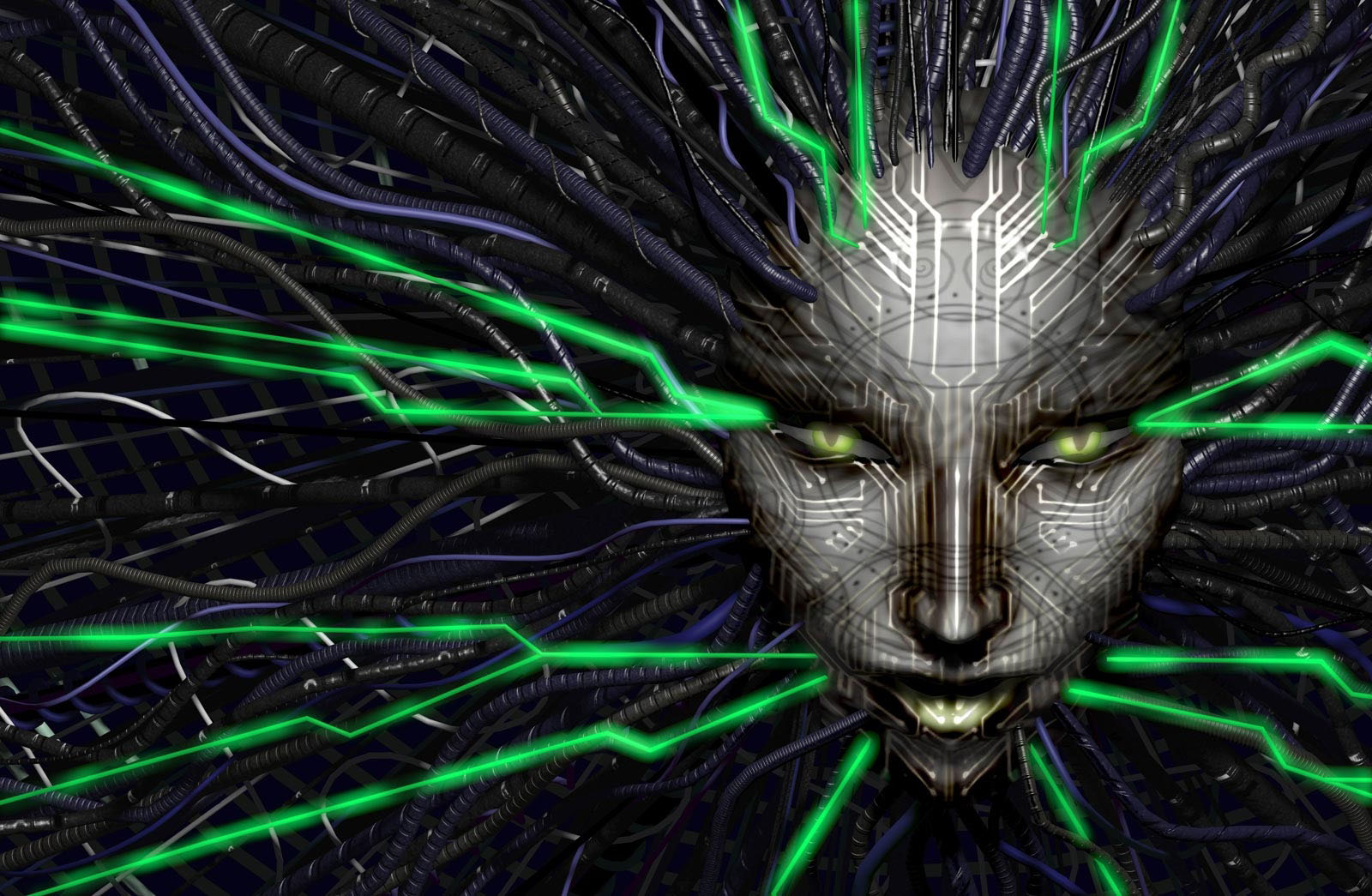
2. System Shock 2
Released in 1999, this game masterfully fused first-person shooter action with deep role-playing and terrifying psychological horror. Its atmospheric, desolate starship, riddled with audio logs and emergent gameplay, created a sense of isolation and dread few games have matched. It pioneered environmental storytelling and dynamic difficulty, becoming an uncredited blueprint for countless immersive sims and survival horror titles.
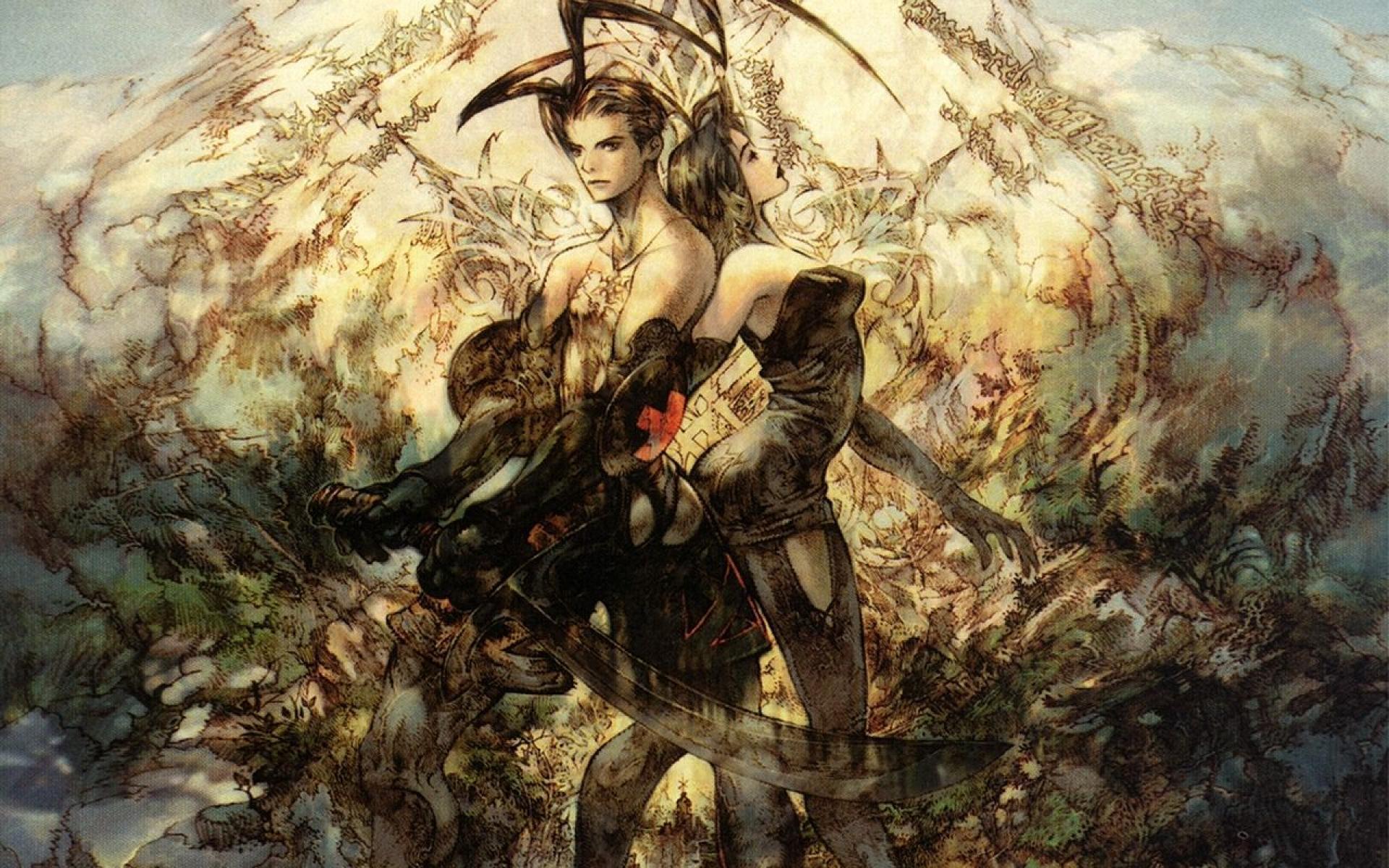
3. Vagrant Story (2000)
Squaresoft's 2000 PlayStation title was a meticulously crafted action RPG. It eschewed traditional JRPG tropes for a darker, more intricate narrative and a combat system centered on weapon customization and chaining attacks for specific body parts. Its unique blend of medieval fantasy, tactical depth, and unparalleled artistic direction on the PS1 pushed boundaries, influencing game design with its elegant complexity.

4. Eternal Darkness: Sanity's Requiem
This 2002 GameCube exclusive innovated psychological horror by directly messing with the player. Its sanity effects, from corrupting save files to feigning controller disconnections, transcended in-game scares, creating a meta-narrative of unreliable reality. It explored themes of ancient evils and human fragility with an ambitious multi-century story, proving horror could be more than jump scares.
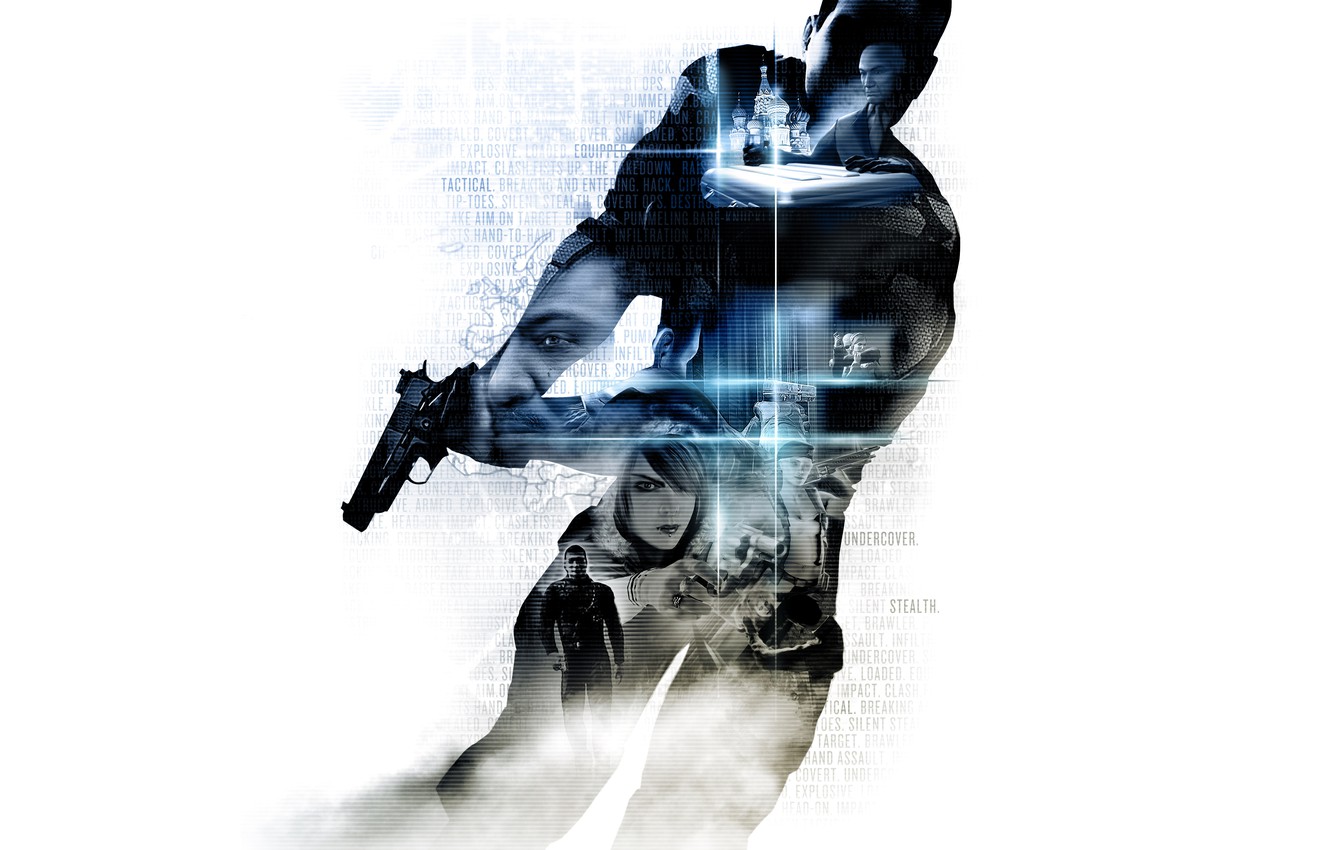
5. Alpha Protocol
Obsidian’s 2010 espionage RPG, despite its rough edges, dared to put player choice and consequence at its core. Dialogue options and mission outcomes genuinely shaped the narrative and character relationships, a level of reactivity rarely seen. It was an ambitious, if flawed, attempt at a modern spy thriller, showcasing the potential for deeply branching narratives long before many others caught on.
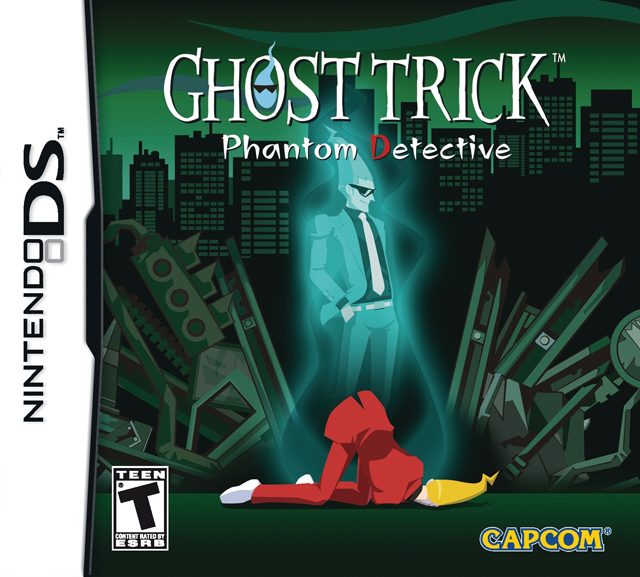
6. GHOST TRICK: Phantom Detective
Capcom’s 2010 Nintendo DS title was a narrative and mechanical marvel. Players possessed objects, manipulating time to solve intricate environmental puzzles and alter fates. Its stylish animation, witty dialogue, and genuinely surprising mystery plot demonstrated how a unique gameplay hook could serve a compelling story. It redefined what a point-and-click adventure could be on a handheld.

7. Mother 3
This 2006 GBA JRPG, tragically never officially released outside Japan, is a masterclass in emotional storytelling. Its quirky art style and rhythmic combat masked a deeply melancholic and often heartbreaking narrative about family, loss, and consumerism. It influenced a generation of indie developers with its unconventional approach to RPG tropes and its ability to evoke profound human emotion.