

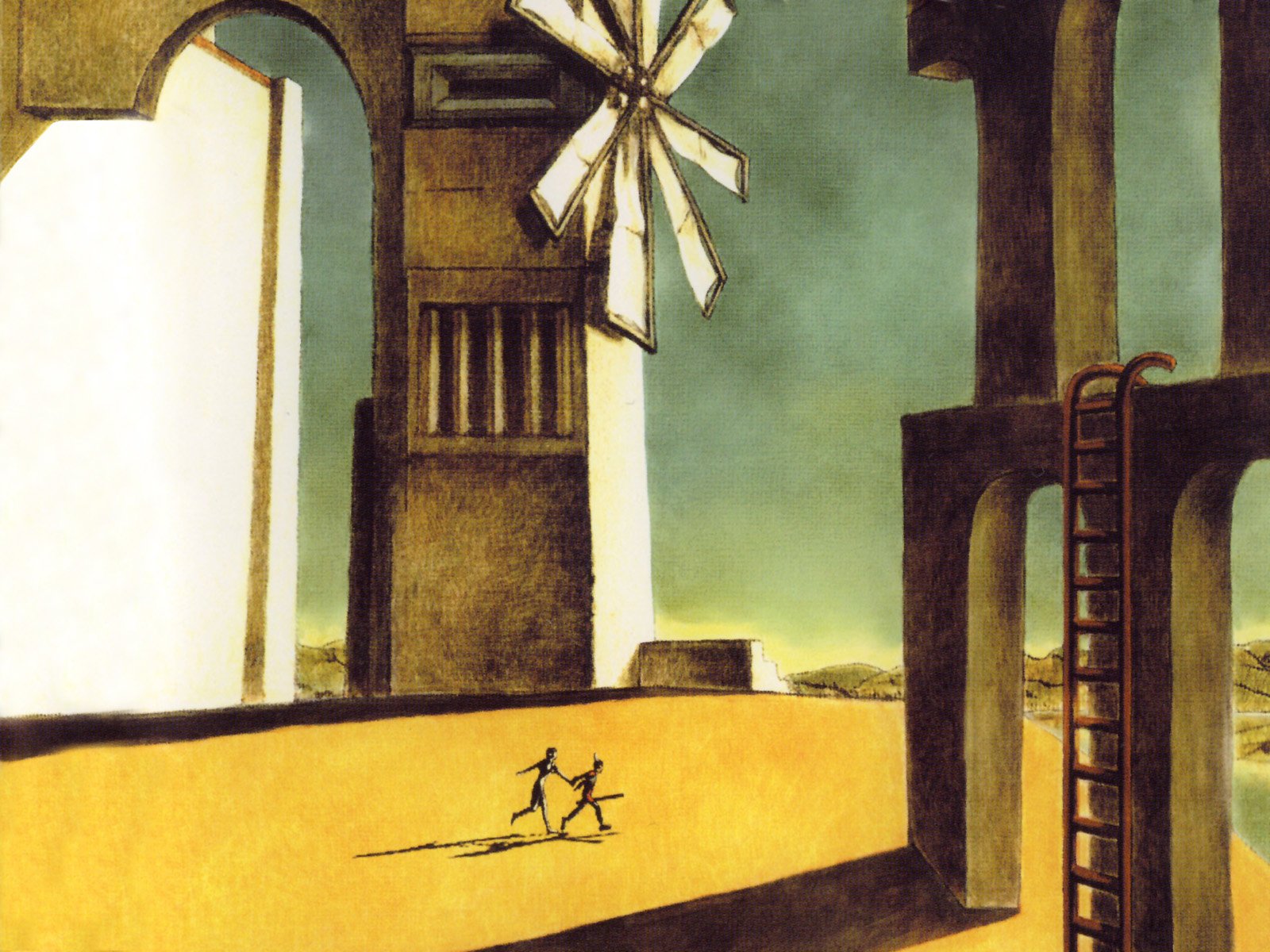
1. ICO
ICO, even decades on, remains a masterclass in minimalist storytelling and environmental design. Its quiet narrative, built around the vulnerable bond between two characters, transcends language barriers. The game championed atmospheric puzzle-platforming and proved that emotional resonance didn't require extensive dialogue or complex lore. It carved out a unique space, profoundly influencing subsequent titles that prioritized mood and connection over bombast, setting a lasting standard for artful game design.

2. Eternal Darkness: Sanity's Requiem
Eternal Darkness didn't just tell a horror story; it played with the player's mind. Its innovative Sanity Effects mechanic, where the game itself would 'malfunction,' was groundbreaking, blurring the lines between reality and simulation. The title explored psychological dread through a multi-era narrative, delivering a uniquely unsettling experience. It forced a re-evaluation of how games could induce fear, moving beyond jump scares to craft a truly memorable and disorienting psychological thriller.
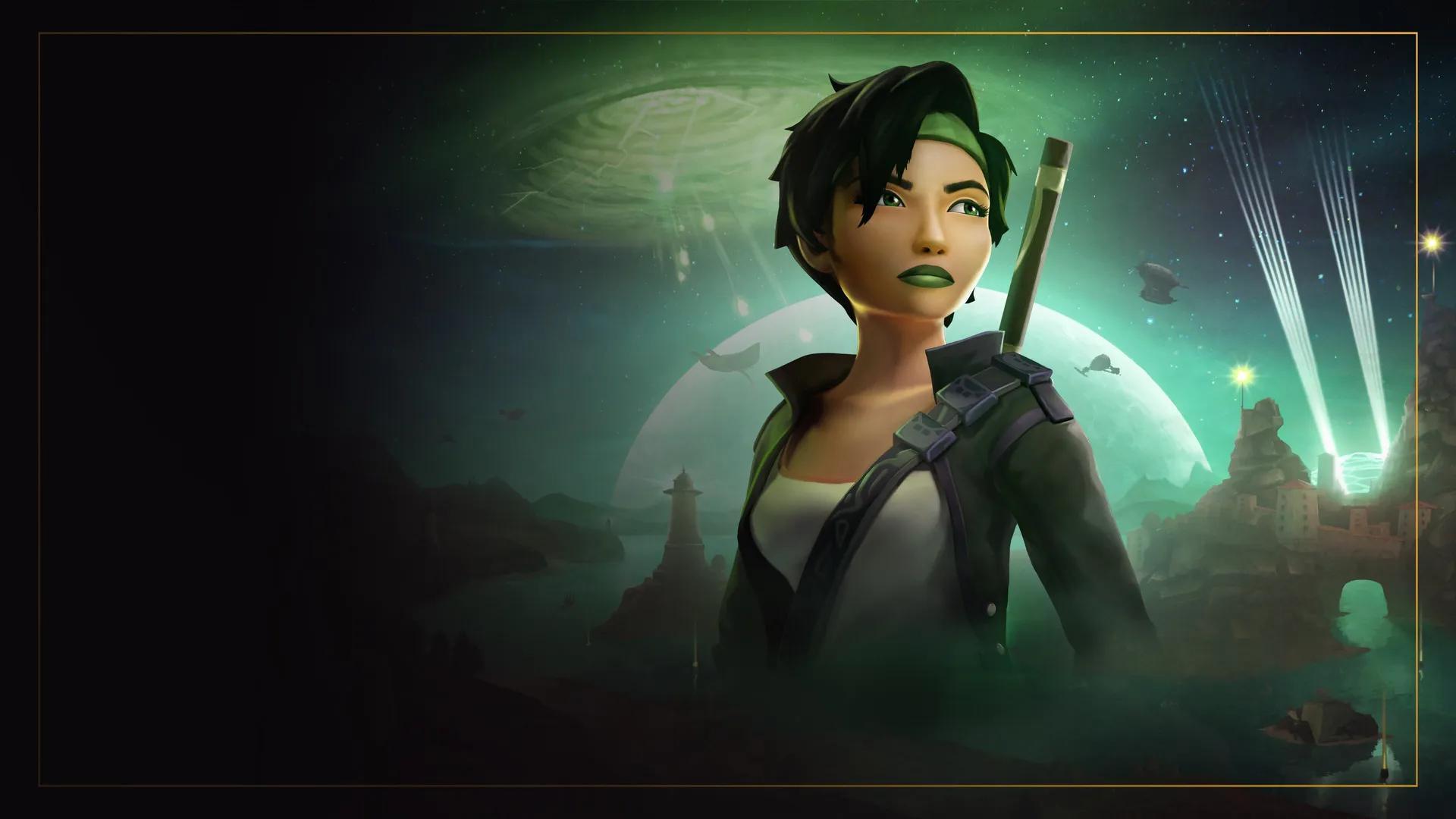
3. Beyond Good & Evil - 20th Anniversary Edition
The 20th Anniversary Edition of Beyond Good & Evil reminds us why the original was so revered. This updated take on Jade’s adventure still delivers its compelling blend of stealth, combat, photography, and aerial exploration with remarkable grace. It’s a timeless narrative of journalistic integrity against oppressive forces, brought to life by memorable characters and a vibrant world. The new edition ensures its potent message and genre-bending design continue to resonate with contemporary audiences.
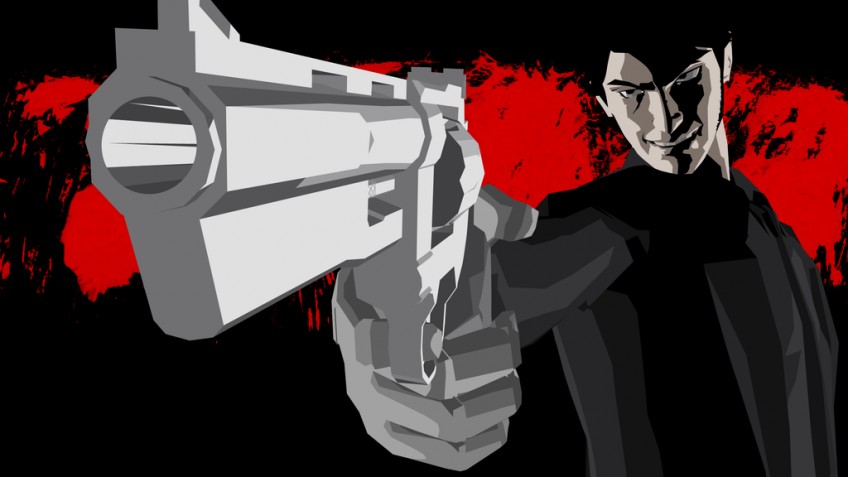
4. killer7
Suda51’s killer7 was, and still is, a fiercely unconventional experience. Its cel-shaded, hyper-stylized visuals and on-rails shooting mechanics served an utterly bizarre, politically charged narrative that defied easy categorization. It challenged players with its cryptic storytelling and fragmented perspectives, creating a visceral, almost hallucinatory journey. While divisive, its unapologetic artistic vision and willingness to break traditional molds cemented its status as a cult classic and an enduring example of experimental game design.
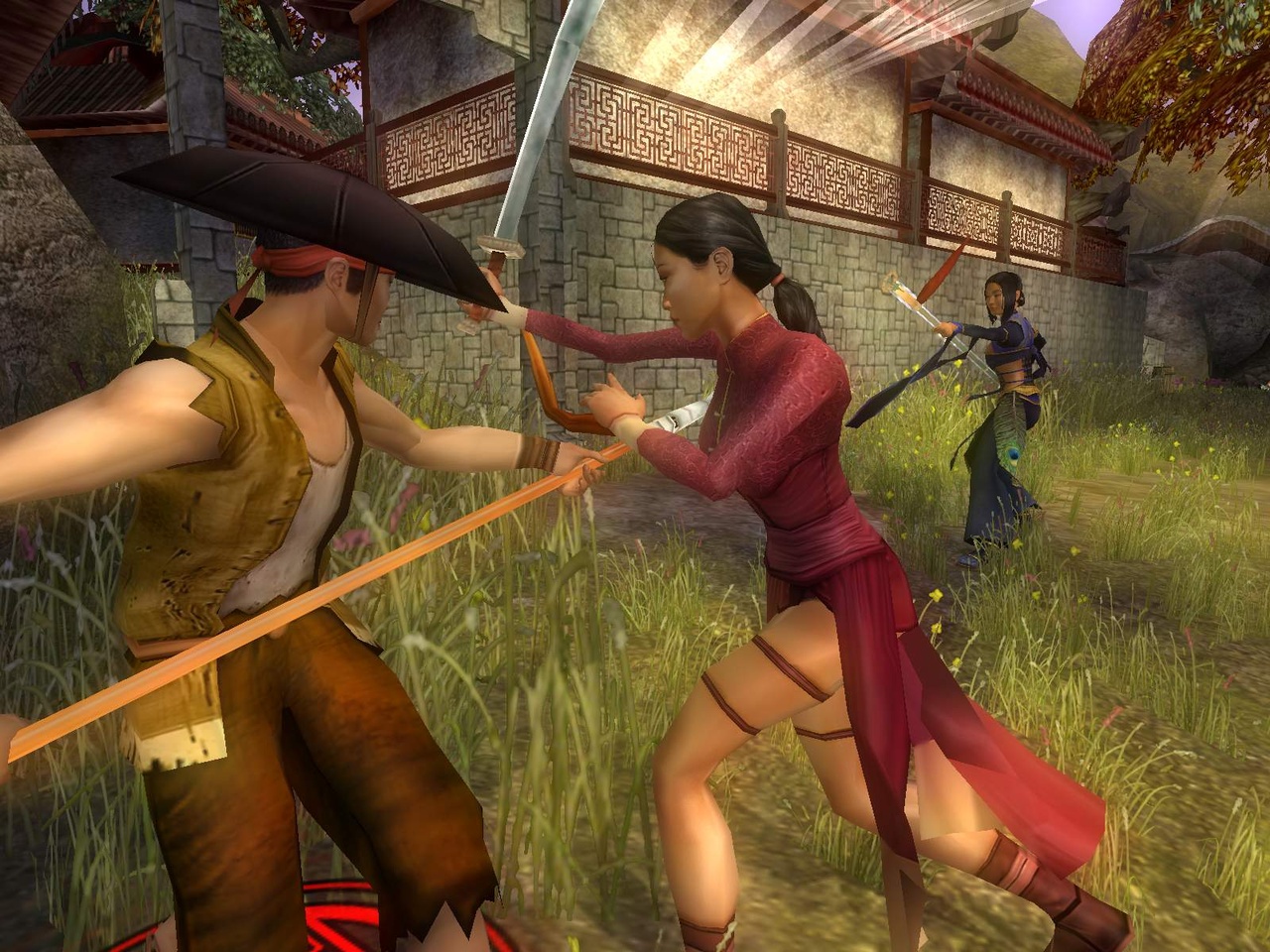
5. Jade Empire
BioWare ventured into new territory with Jade Empire, crafting a captivating action RPG set in a rich, wuxia-inspired fantasy world. It masterfully wove together martial arts combat, moral choices, and intricate character development, offering distinct narrative paths based on the player’s philosophy. The game stood out for its unique aesthetic and compelling lore, proving BioWare's knack for world-building extended beyond traditional Western fantasy, and remains a touchstone for culturally distinct RPG experiences.
6. Braid
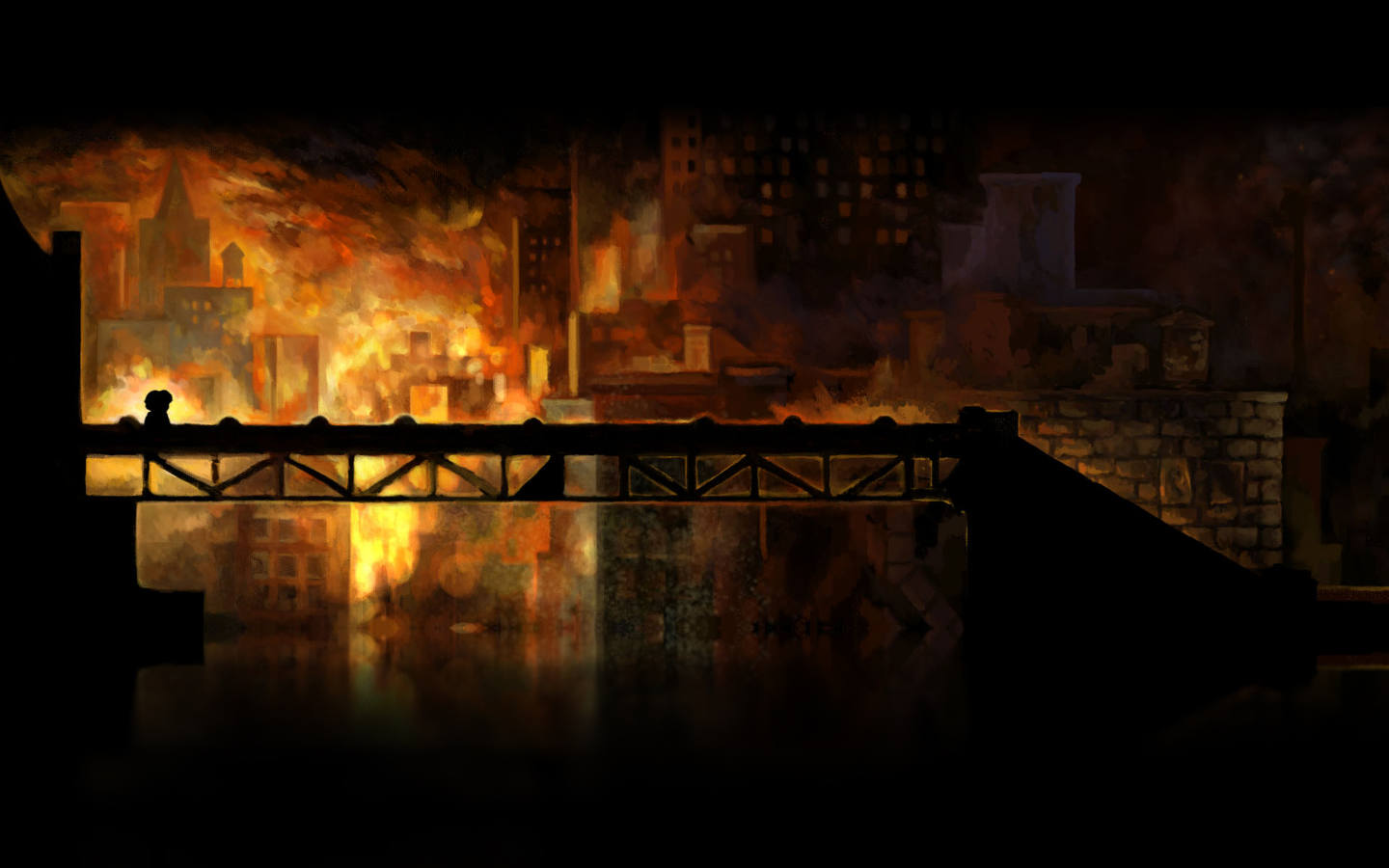
Braid arrived during a burgeoning indie scene, showcasing the incredible potential of smaller, focused projects. Its revolutionary time-manipulation mechanics weren’t just a gimmick; they were intrinsically tied to its thought-provoking puzzles and poignant narrative. The game's painterly art style and philosophical undertones elevated it beyond a mere platformer. Braid redefined what an indie game could achieve, inspiring countless developers and solidifying its place as a pivotal moment in gaming’s creative evolution.
7. Giants: Citizen Kabuto
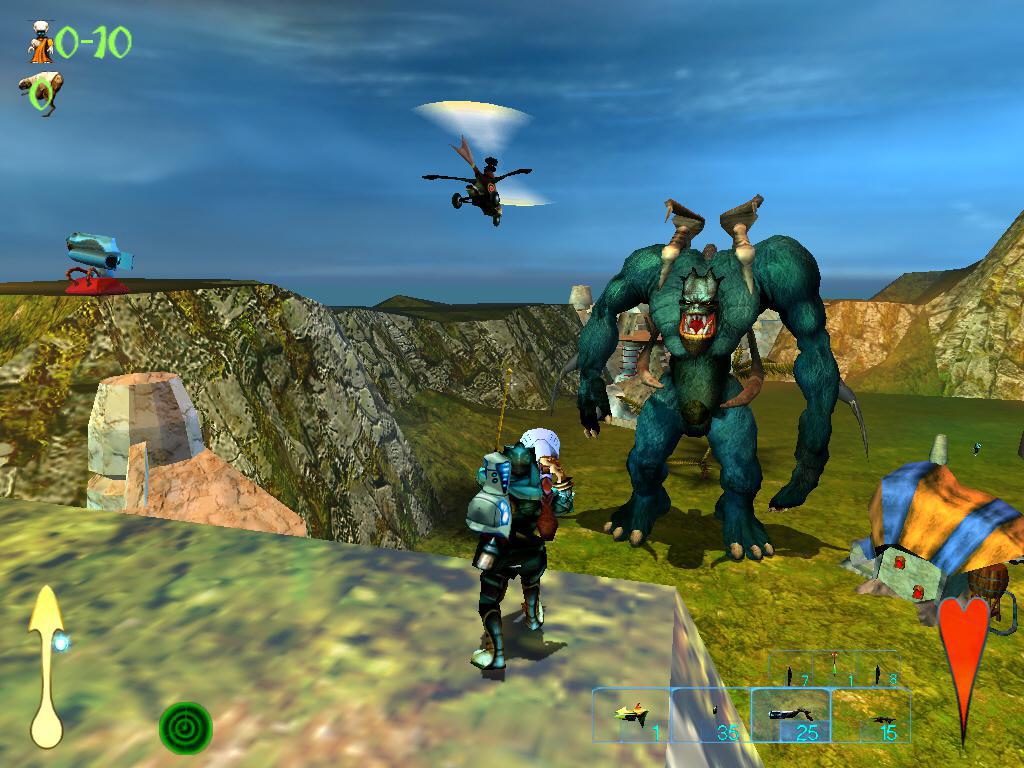
Giants: Citizen Kabuto was a wonderfully chaotic and ambitious title, blending third-person action with real-time strategy elements. Players could control giant monsters, jetpack-wearing commandos, or even an entire race of imps, each with unique gameplay. Its irreverent humor, vibrant world, and daring genre mash-up made it truly distinctive. The game proved that audacious design, even with its quirks, could deliver an unforgettable experience, pushing boundaries for what a single game could encompass.