

1 / 7
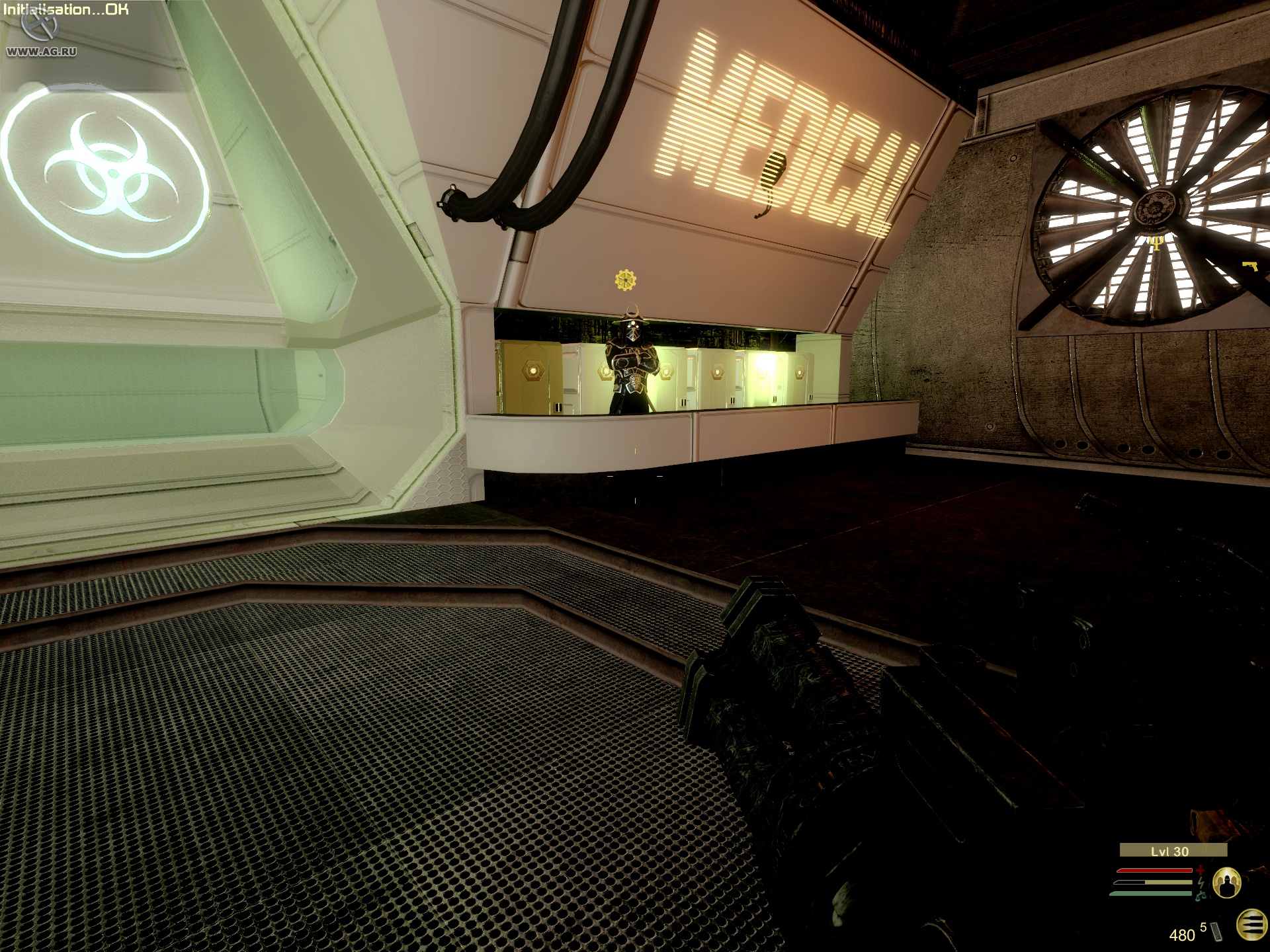
1. E.Y.E: Divine Cybermancy
E.Y.E: Divine Cybermancy arrived in 2011 as a baffling, beautiful mess. Its blend of Source engine FPS combat, deep RPG mechanics, and dense, philosophical cyberpunk lore created an experience unlike anything before or since. The game's obtuse narrative and challenging systems weren't for everyone, but those who connected with its surreal, often maddening vision found a truly singular, influential work. It carved out a niche, proving that ambition, even when rough, can resonate profoundly.
2 / 7
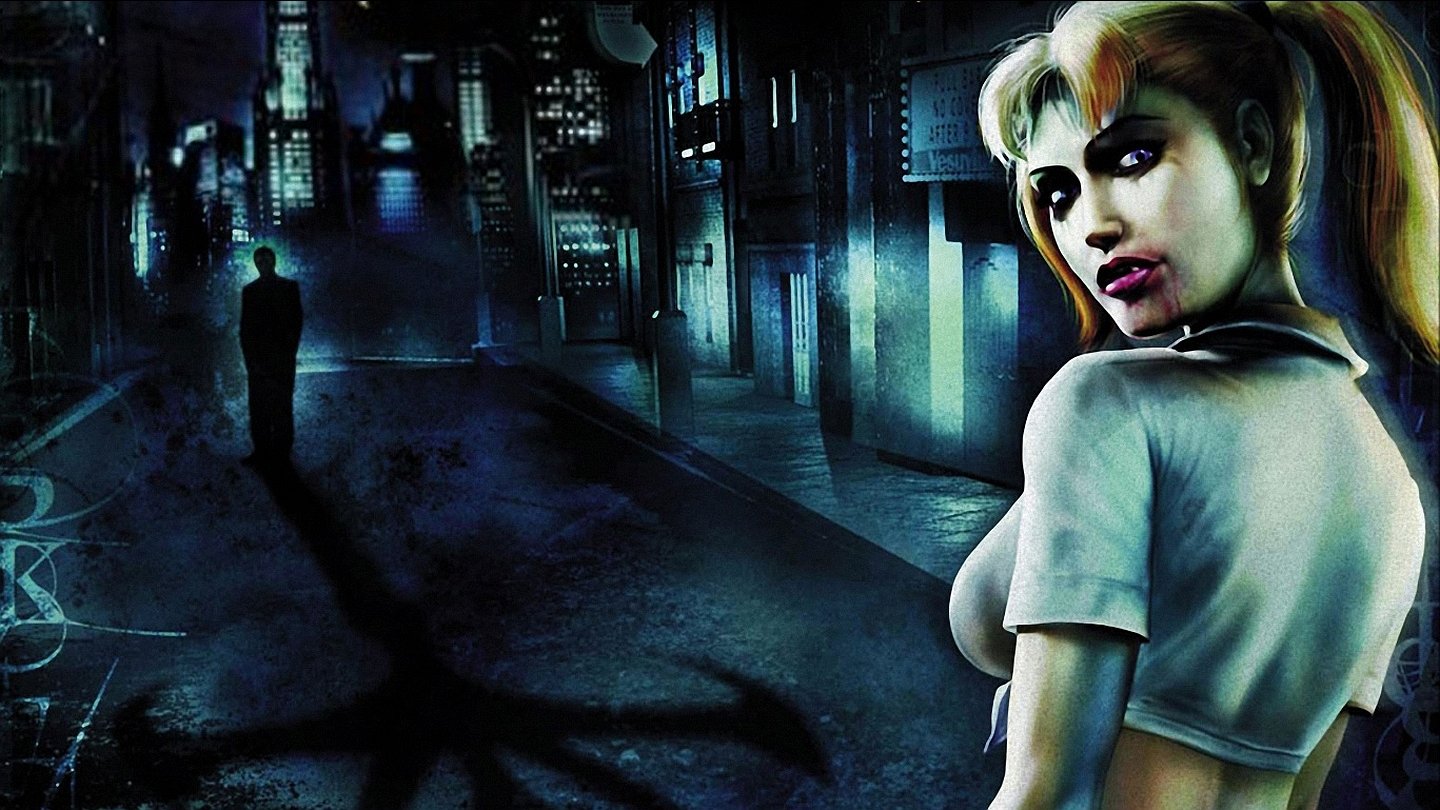
2. Vampire: The Masquerade - Bloodlines
Released in 2004, Vampire: The Masquerade - Bloodlines was a technical disaster at launch, yet its narrative ambition and world-building were undeniable. Players navigated a dark, urban fantasy Los Angeles, with character choices truly shaping their experience. Despite its flaws, the game's rich dialogue, memorable characters, and deep lore fostered a passionate community that patched and celebrated it for years, cementing its status as an RPG masterpiece, a testament to potential over polish.
3 / 7

3. Okami
Okami, from 2006, proved that a distinctive art style could be a fundamental gameplay mechanic. Its cel-shaded aesthetic, inspired by traditional Japanese ink wash painting, wasn't just visual flair; the Celestial Brush allowed players to manipulate the environment and attack foes. While commercially underrated upon release, its artistic integrity, unique combat, and heartwarming narrative ensured its legacy. It demonstrated that games could be interactive art, deeply rooted in cultural mythology.
4 / 7
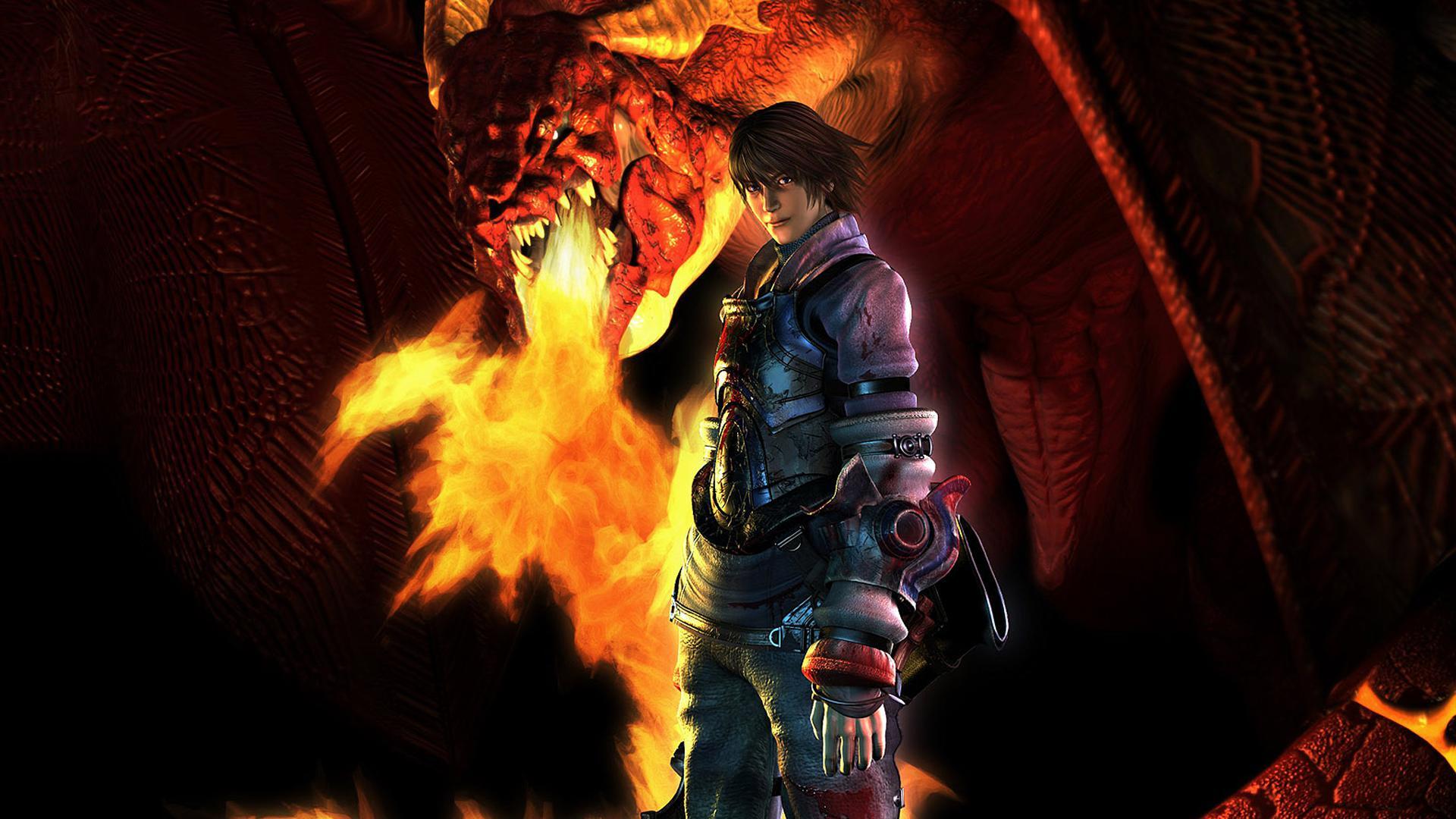
4. Drakengard
Drakengard, hitting shelves in 2003, was a dark, unsettling experience that defied easy categorization. It blended hack-and-slash ground combat with exhilarating aerial dragon battles, but its true revolution lay in its uncompromisingly bleak narrative. This game pulled no punches, exploring themes of child abuse, cannibalism, and existential despair. Its multiple, often disturbing endings and the sheer audacity of its storytelling laid the groundwork for the critically acclaimed Nier series, proving narrative darkness could be compelling.
5 / 7
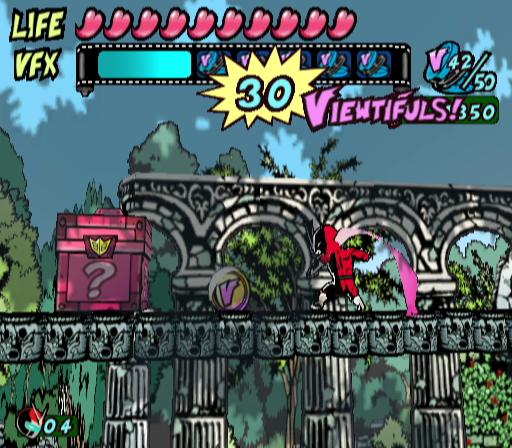
5. Viewtiful Joe (2003)
Viewtiful Joe, launching in 2003, was a stylish beat 'em up that oozed personality. Its unique cel-shaded, comic book aesthetic was revolutionary, but the gameplay truly shone. Players manipulated time with "VFX Powers," slowing down enemies or speeding up combat for dazzling combos and puzzle-solving. This design choice elevated it beyond a simple brawler. It was a masterclass in visual flair meeting innovative mechanics, reminding players that challenging, creative arcade action still had a vital place.
6 / 7
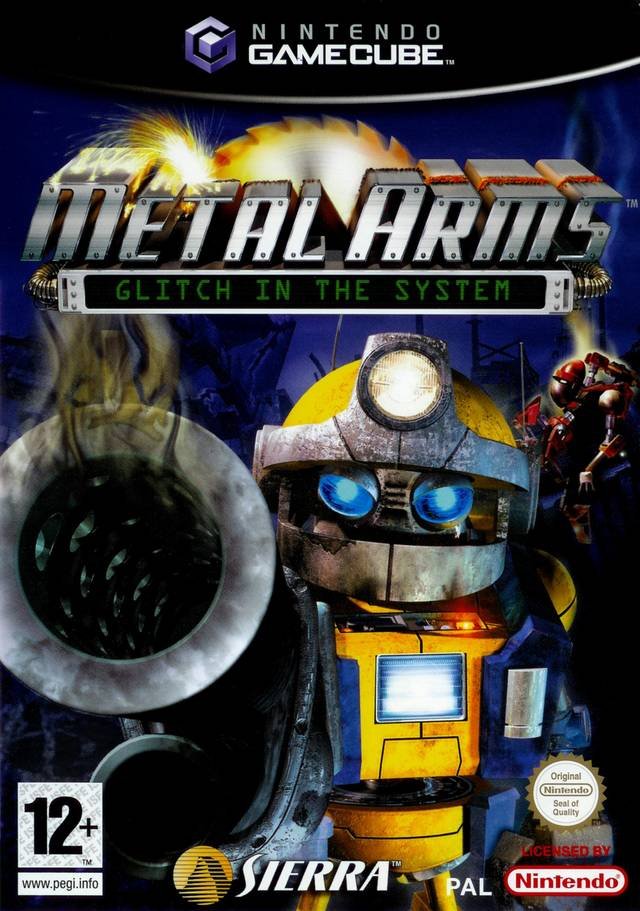
6. Metal Arms: Glitch in the System
Metal Arms: Glitch in the System, released in 2003, was a sleeper hit that carved its own path. This third-person shooter combined tight controls, creative weaponry, and genuinely clever level design with a surprising amount of dark humor and a charming, if gritty, robot world. It never quite reached the commercial heights of its contemporaries, yet its polished mechanics and engaging campaign garnered a dedicated following, showcasing how a well-crafted, unpretentious action game could quietly excel.
7 / 7
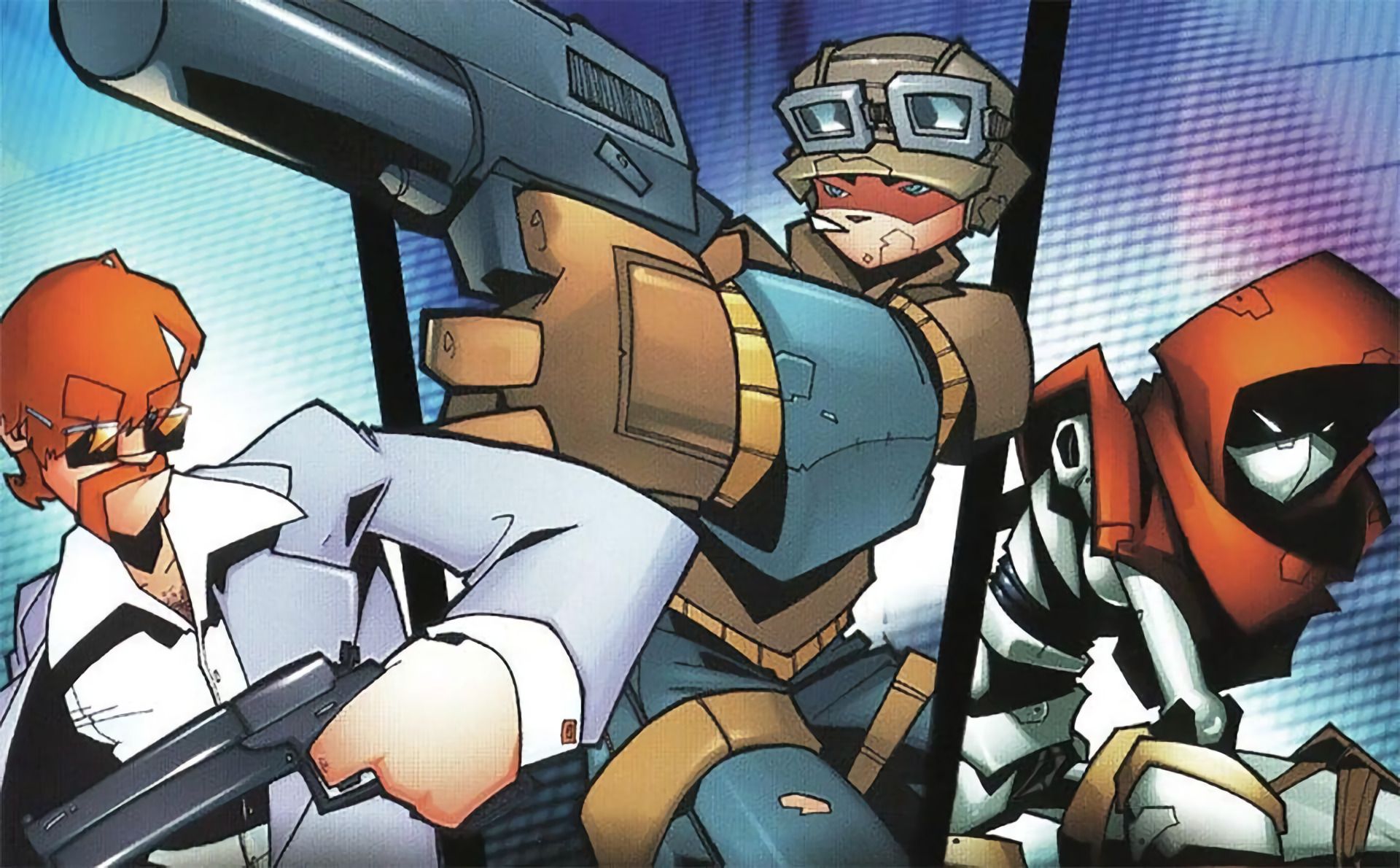
7. TimeSplitters 2
TimeSplitters 2, arriving in 2002, wasn't just a great shooter; it was a masterclass in local multiplayer design. Building on its spiritual predecessors, it offered an unparalleled array of modes, maps, and customizable options, alongside a surprisingly robust, time-traveling single-player campaign. Its vibrant character roster and arcade-style fun solidified its reputation as a benchmark for console FPS. It proved that pure, unadulterated fun, coupled with endless replayability, was a potent formula.