
1 / 7
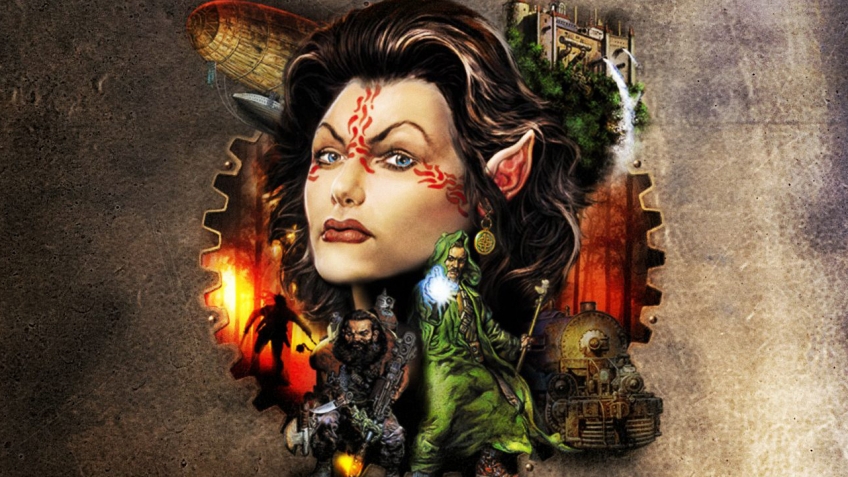
1. Arcanum: Of Steamworks and Magick Obscura
Arcanum arrived as a sprawling, ambitious RPG, daring to meld high fantasy with steampunk machinery. It was a world brimming with complex lore, moral ambiguities, and player choices that genuinely mattered, from character creation to faction allegiances. Despite its technical rough edges and unconventional isometric perspective, its depth of design, innovative magic-vs-technology system, and sheer narrative scope set it apart. It was a testament to what a passionate team could achieve, even if commercial success eluded it.
2 / 7
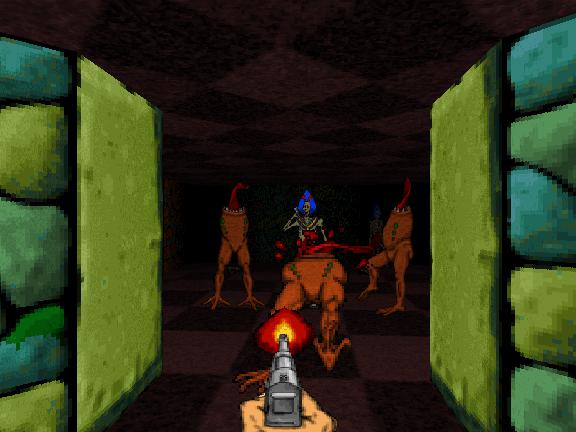
2. Pathways into Darkness
Before Master Chief, Bungie crafted *Pathways into Darkness*, an atmospheric first-person adventure that pushed the boundaries of early Mac gaming. Trapping players in an ancient pyramid to prevent an awakening god, it blended real-time combat with thoughtful puzzle-solving and a pervasive sense of dread. Its innovative use of a clock, limited saves, and cryptic notes built a unique, challenging experience. It was a foundational piece, hinting at the narrative ambition and environmental storytelling Bungie would later master.
3 / 7

3. The Journeyman Project 3: Legacy of Time
*The Journeyman Project 3* represented the zenith of pre-rendered adventure gaming, a visual feast of time-traveling intrigue. As Agent 5, players navigated meticulously crafted historical and alien environments, assuming disguises to solve paradoxes. Its full-motion video sequences and intricate puzzles were state-of-the-art, drawing you into a rich, sprawling narrative. While the genre eventually faded, this title stood as a benchmark for immersive storytelling and challenging, well-integrated brain-teasers that demanded patience and keen observation.
4 / 7
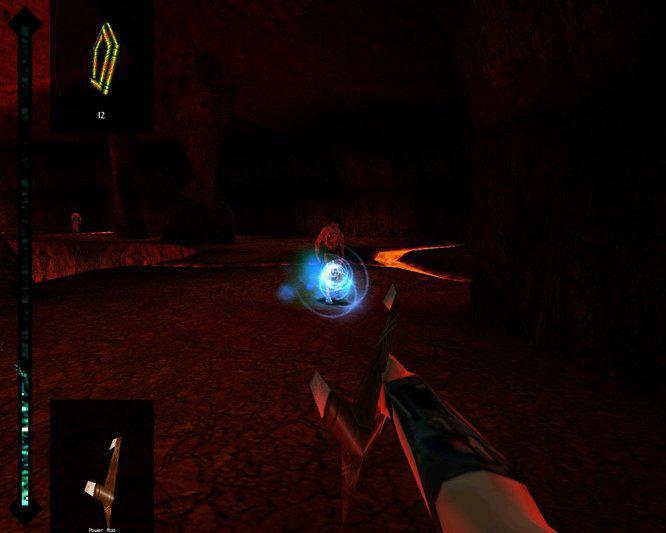
4. Omikron: The Nomad Soul
*Omikron: The Nomad Soul* was a bewildering, brilliant genre-bender, a bold experiment from Quantic Dream with a significant David Bowie involvement. Set in a dystopian cyberpunk metropolis, it shifted seamlessly between third-person adventure, first-person shooter, and even fighting game mechanics. Its innovative "soul-transfer" mechanic, compelling narrative, and truly unique atmosphere created a memorable, if often clunky, experience. It wasn't perfect, but its ambition and sheer uniqueness left an indelible mark on those who dared to step into its digital world.
5 / 7
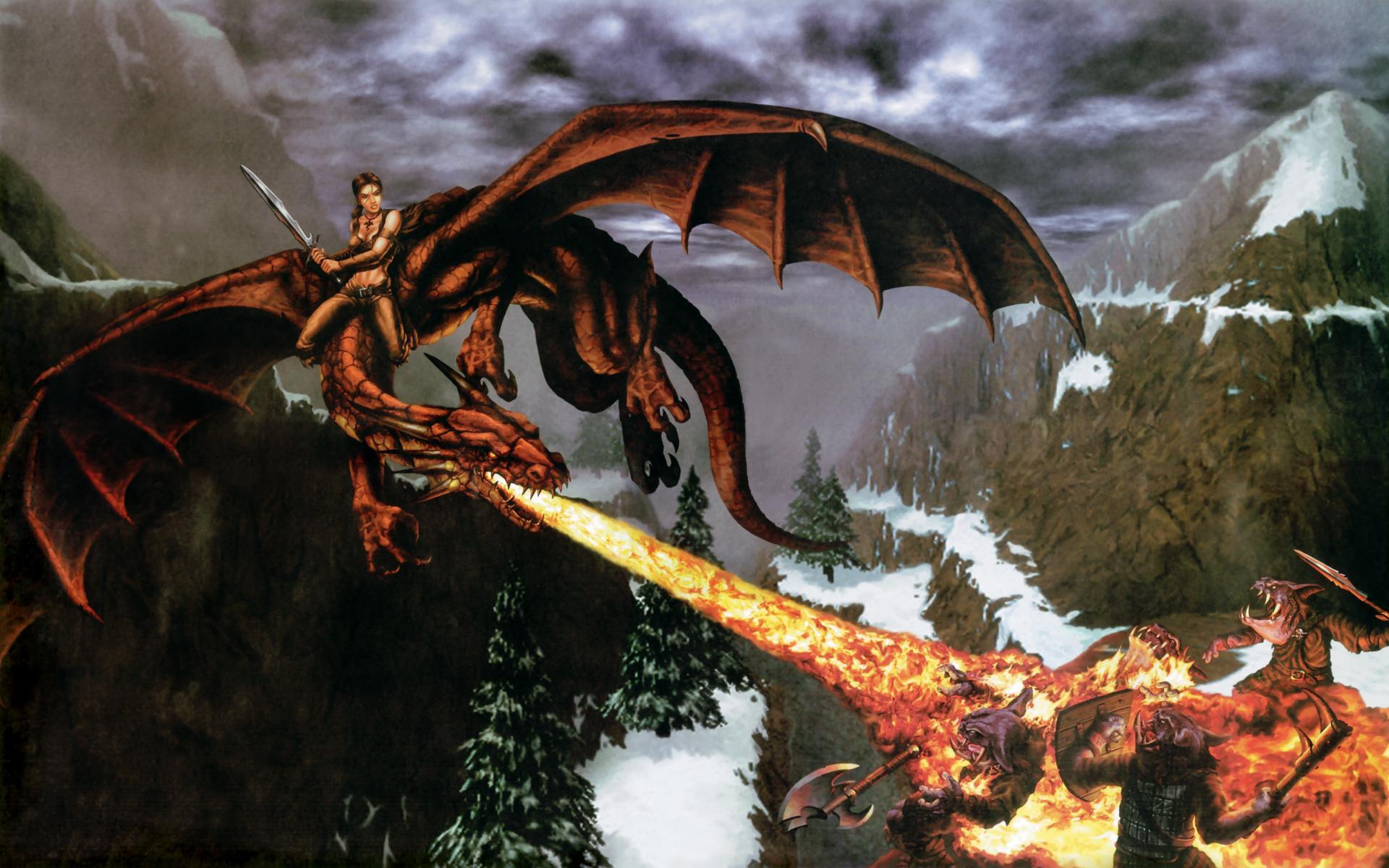
5. Drakan: Order of the Flame
*Drakan: Order of the Flame* offered something genuinely fresh: the thrill of riding and fighting atop a dragon. Players alternated between grounded third-person action as Rynn and exhilarating aerial combat with Arokh, her draconic companion. The scale of its world, the fluid movement of the dragon, and the satisfying combat mechanics—both sword-and-sorcery and fire-breathing—created an unforgettable experience. It was a pioneering title in blending diverse gameplay elements, making dragon riding more than a mere travel mechanic, but a core part of its identity.
6 / 7
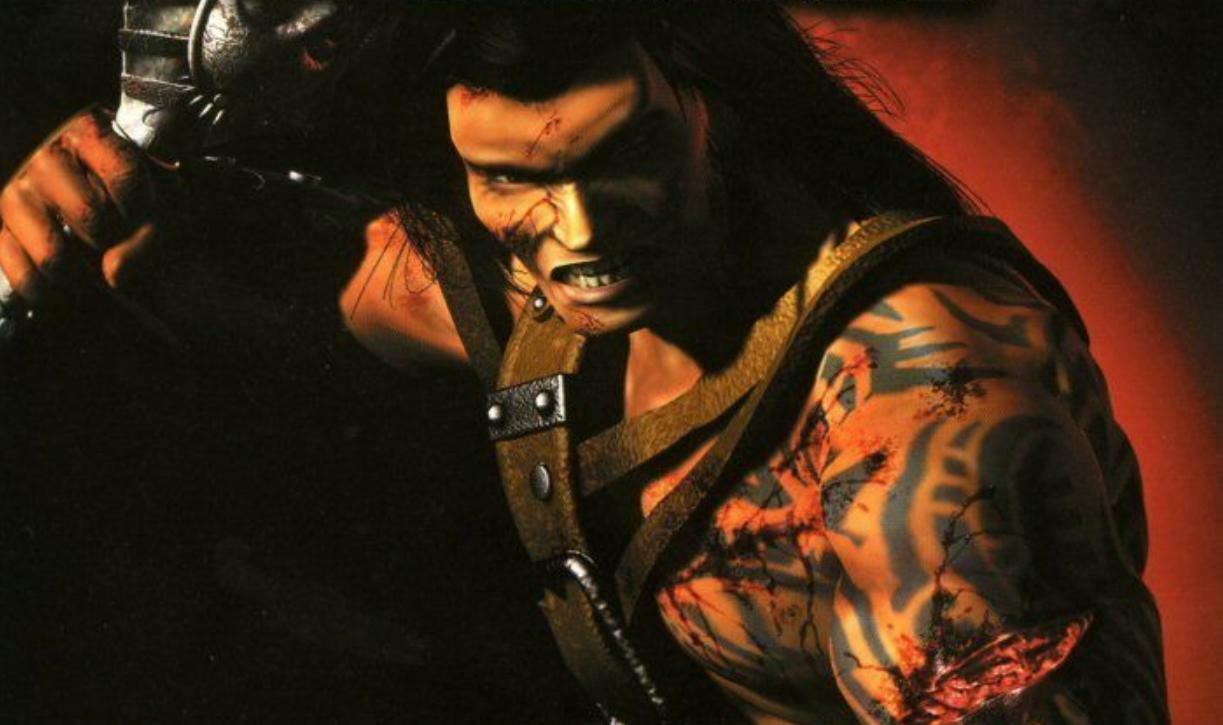
6. Severance: Blade of Darkness
*Severance: Blade of Darkness* was a brutal, uncompromising action game, a true precursor to the 'Souls-like' difficulty. Its combat was visceral, demanding precise timing, strategic blocking, and an understanding of weapon physics that allowed for limb dismemberment and environmental interaction. Players chose from distinct warrior archetypes, each with unique abilities, navigating a dark fantasy world filled with unforgiving enemies. It was a cult classic, celebrated for its challenging gameplay and groundbreaking graphical fidelity, which pushed the boundaries of early 3D rendering.
7 / 7
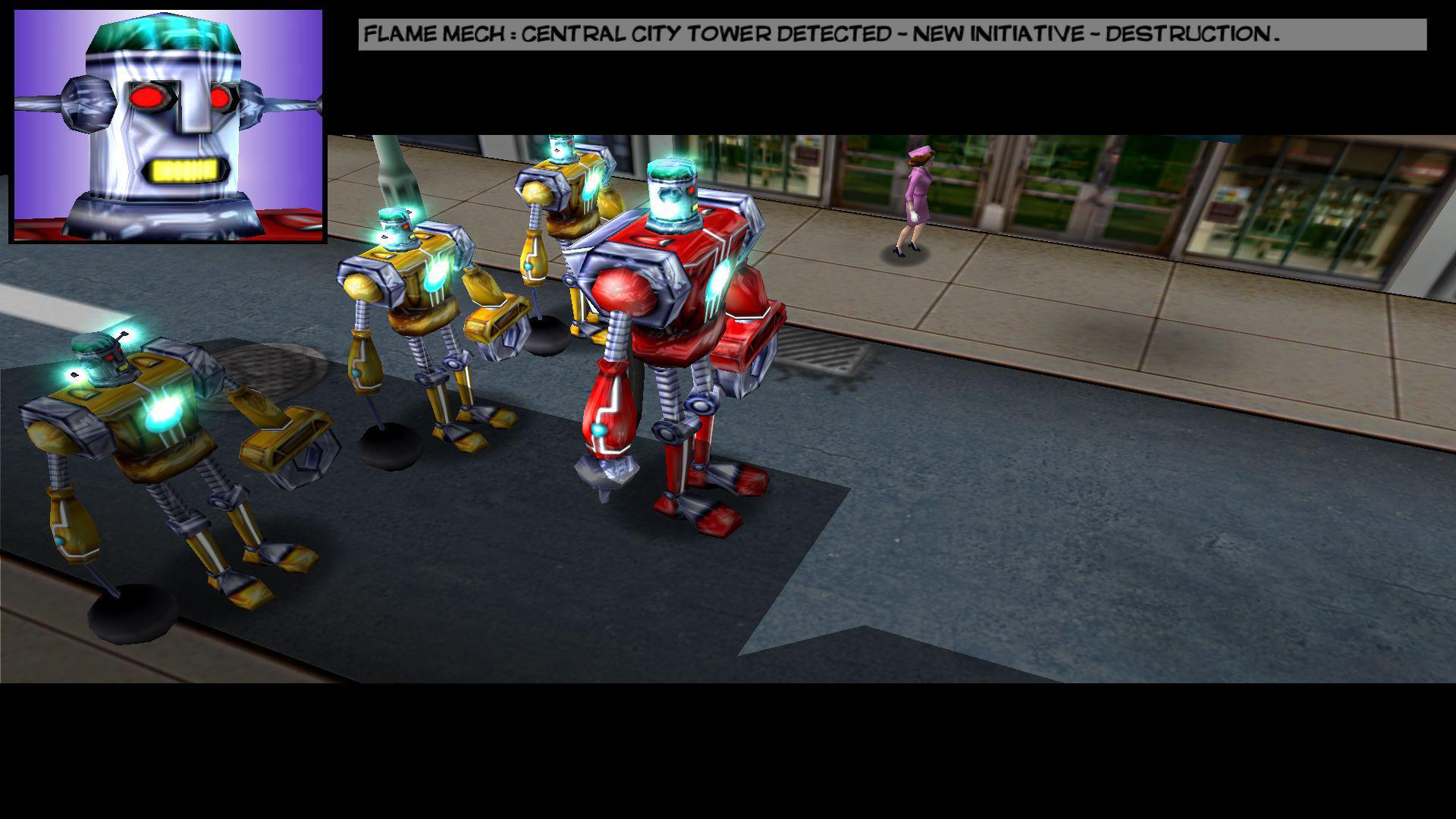
7. Freedom Force
*Freedom Force* brilliantly captured the essence of Silver Age comic books in an isometric tactical RPG. Leading a ragtag team of original superheroes, players commanded their bizarre powers through destructible environments, thwarting supervillain plots. Its distinctive cel-shaded art style, witty dialogue, and deep character customization made it a standout. It wasn't just a game; it was a love letter to a golden era of comics, offering strategic depth and genuine charm in equal measure, proving that superhero games could be both smart and incredibly fun.