

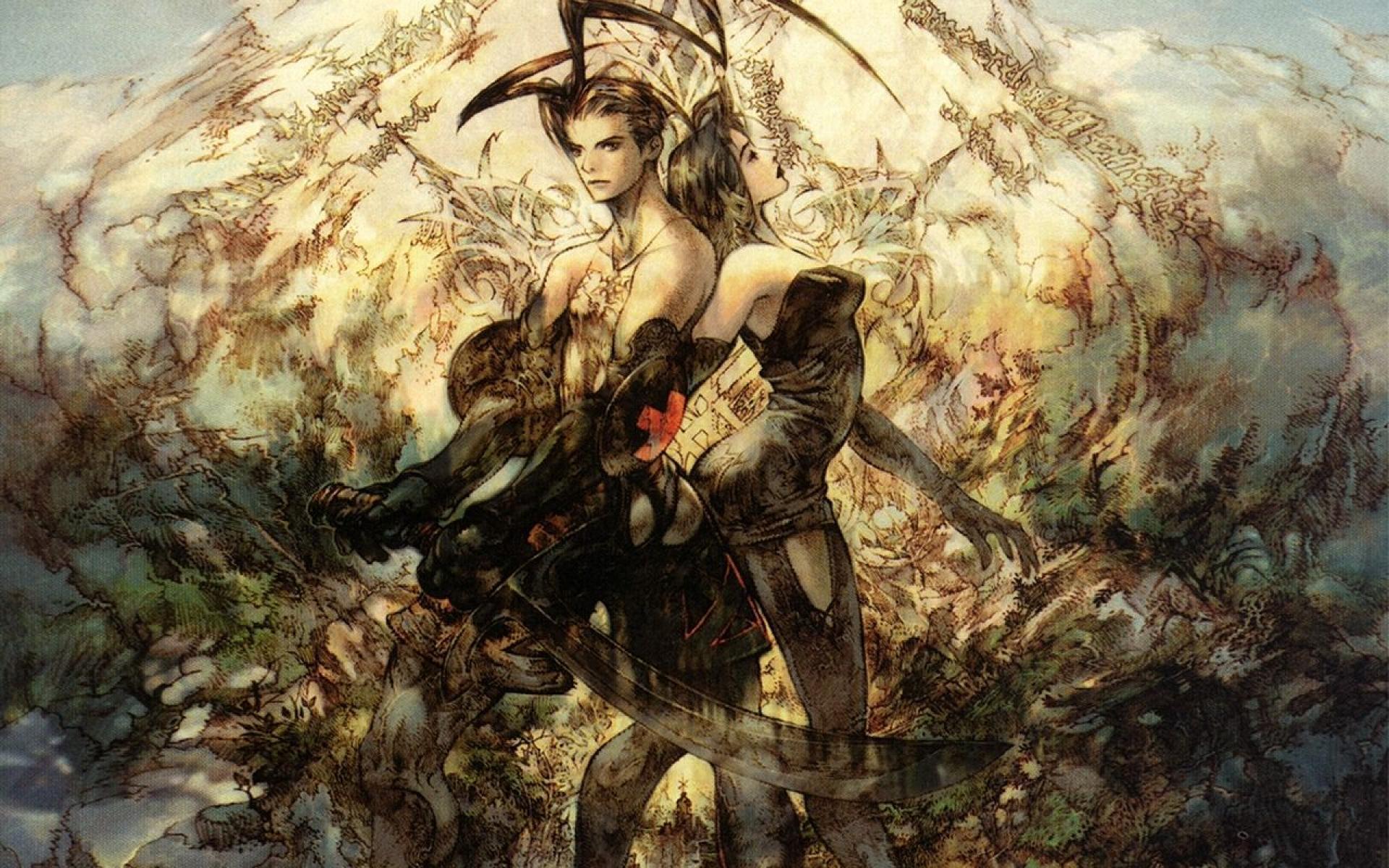
1. Vagrant Story (2000)
Vagrant Story (2000) stands as a testament to Square's experimental golden age. It wasn't just a JRPG; it was a gothic, technical marvel on the PlayStation, eschewing traditional towns for a sprawling dungeon crawl. Its intricate weapon crafting, risk-reward combat, and mature, political narrative, presented with a unique cel-shaded-like aesthetic, created an unparalleled atmosphere. This game is a deep cut, a stylish, complex beast that still whispers of its ambition and singular vision, a true artifact of its era.
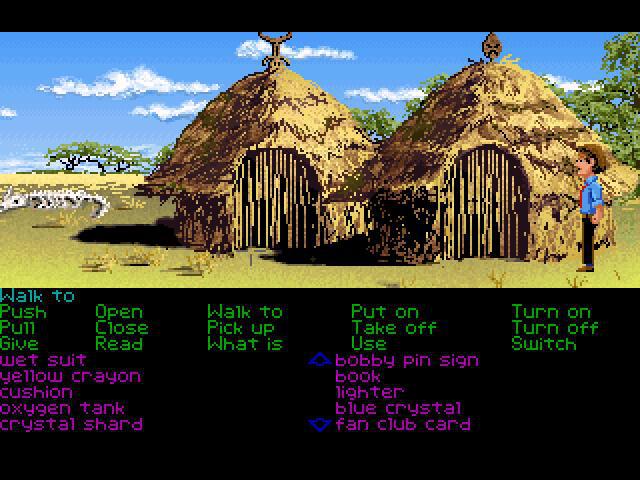
2. Zak McKracken and the Alien Mindbenders
Zak McKracken and the Alien Mindbenders, a 1988 Lucasfilm Games adventure, represents the genre's quirky, early brilliance. You play as a tabloid reporter uncovering an alien plot to dumb down humanity, globetrotting through absurd scenarios. Its intuitive SCUMM engine, distinct from Sierra's text parsers, allowed for accessible, character-driven storytelling. The game's bizarre premise, coupled with genuinely clever, sometimes infuriating, puzzles, makes it a fascinating historical piece, showcasing the nascent creativity that would define LucasArts' golden era. It's wonderfully weird.

3. Space Station 13
Space Station 13 isn't merely a game; it's a social experiment, a digital petri dish of chaos. Born from the BYOND engine, this multiplayer simulation throws players into the roles of a space station crew, each with intricate duties, in a constantly failing environment. Its emergent narratives, fueled by player interaction, sabotage, and sheer incompetence, are legendary. There's no win condition, just survival, improvisation, and the inevitable, often hilarious, breakdown of order. It’s a messy, beautiful, and utterly unique piece of gaming history, still thriving in its niche.
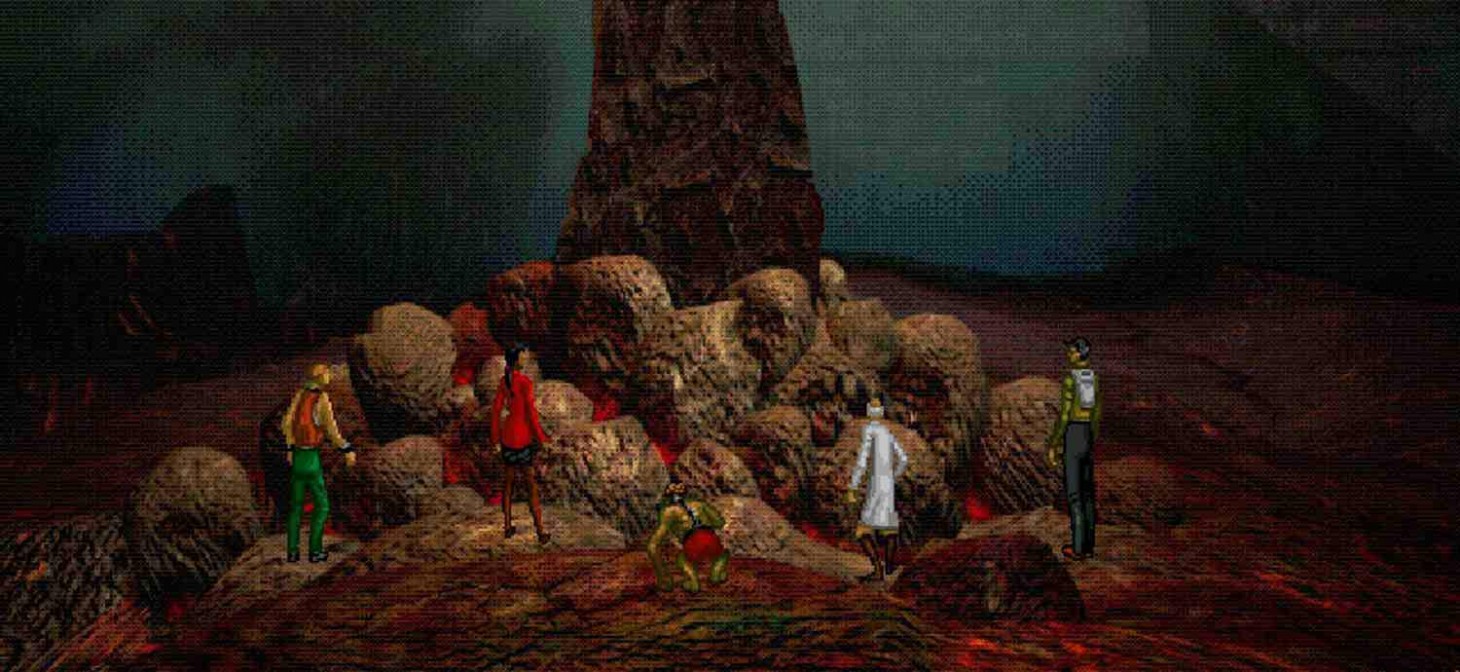
4. I Have No Mouth, and I Must Scream
I Have No Mouth, and I Must Scream (1995) is a harrowing psychological horror adventure. Based on Harlan Ellison's chilling short story, it traps players in a post-apocalyptic world ruled by a malevolent AI, AM, who torments the last five humans. The game forces truly uncomfortable moral choices, reflecting humanity's darkest impulses and fears. Its pixelated brutality and philosophical depth are unsettling, pushing the boundaries of interactive narrative. This isn't just a game; it's a grim, intellectual journey into despair, a stark reminder of gaming's capacity for profound, disturbing storytelling.

5. E.Y.E: Divine Cybermancy
E.Y.E: Divine Cybermancy (2011) is a glorious mess, a cyberpunk fever dream that defies easy categorization. This French-developed FPS-RPG is renowned for its labyrinthine level design, incredibly dense, often nonsensical lore, and a combat system that blends gunplay, hacking, and psionic powers. Its obtuse narrative, peppered with philosophical musings and impenetrable jargon, creates a uniquely disorienting atmosphere. It demands patience and rewards curiosity, offering a deeply idiosyncratic experience that’s equal parts frustrating and brilliant. E.Y.E is a cult classic for those who appreciate games with uncompromising vision.
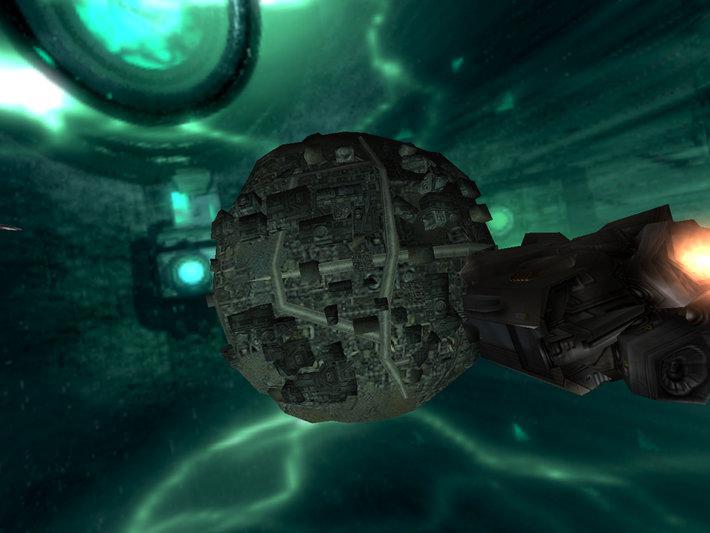
6. Anachronox
Anachronox (2001) from Ion Storm is a cosmic anomaly, a JRPG-inspired Western RPG with a distinctly quirky charm. You lead Sly Boots, a down-on-his-luck detective, through a collapsing galaxy, recruiting a diverse, often hilarious, cast of characters. Its innovative 'Moxie' combat system, cinematic flair, and genuinely funny writing set it apart. Despite its technical quirks and an ultimately unfinished narrative, it remains a beloved cult classic. Anachronox offers a fascinating glimpse into a vision of what a truly global RPG could be, blending cultures and genres with audacious style.
7. Alpha Protocol
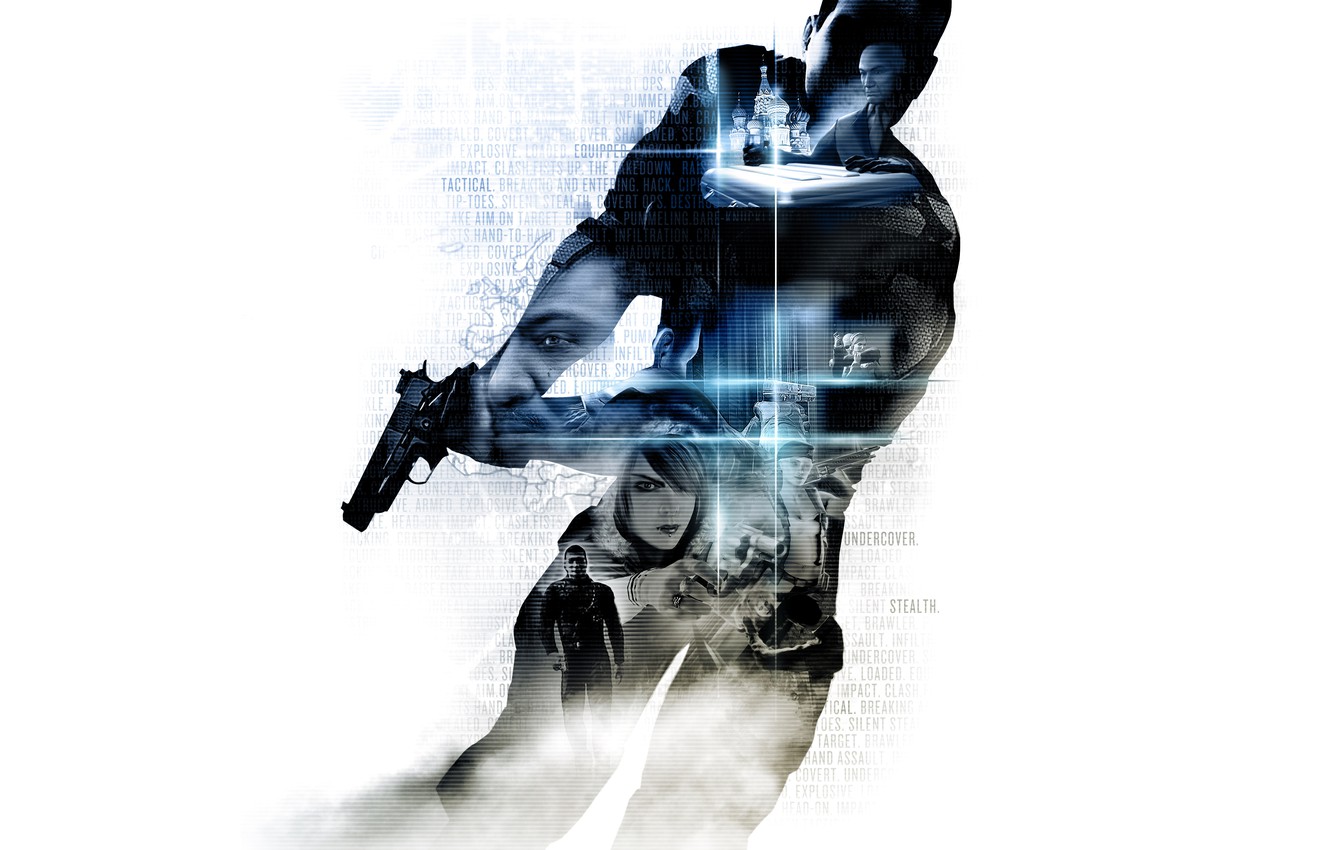
Alpha Protocol (2010) was Obsidian's ambitious foray into espionage RPGs, and despite its rough edges, it remains a fascinating study in player agency. As Michael Thorton, your choices – dialogue, mission approach, even relationship decisions – dramatically impact the narrative and character arcs, leading to vastly different outcomes. The game’s clunky combat and stealth often overshadowed its brilliant writing and unparalleled reactivity. It’s a testament to Obsidian’s storytelling prowess, a flawed diamond that proved how compelling a truly player-driven spy thriller could be, leaving a significant, if imperfect, legacy.