

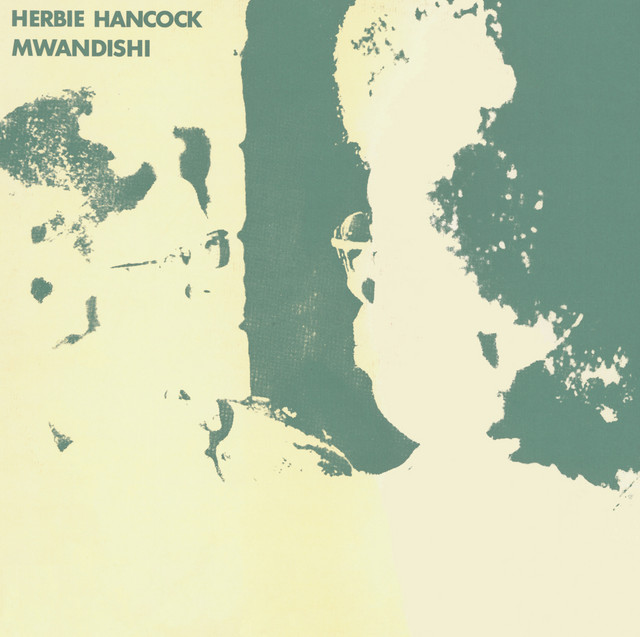
1. Mwandishi
Herbie Hancock's "Mwandishi" from 1971 wasn't just a record; it was a manifesto. The titular track, sprawling and improvisational, showcased a radical departure from traditional jazz forms, embracing electric piano textures, bass clarinet wails, and intricate, often unsettling, rhythmic interplay. It felt like space travel rendered in sound, a pre-digital studio marvel where the tape machines captured raw, unadulterated psychic exploration. And, it laid down a blueprint for the more adventurous corners of jazz-fusion, a true sonic subversion.

2. The Power and the Glory
Gentle Giant’s 1973 epic, "The Power and the Glory," wasn't merely progressive; it was a labyrinthine exercise in musical architecture. The title track, a dizzying array of instrumental acrobatics, showcased their mastery of counterpoint and complex rhythmic shifts. They wove together rock grit with Renaissance flair, all captured with a remarkable clarity that belied the era's technical constraints. And, this was art-rock as a high intellectual pursuit, demanding engagement, refusing passive consumption, and pushing studio boundaries.
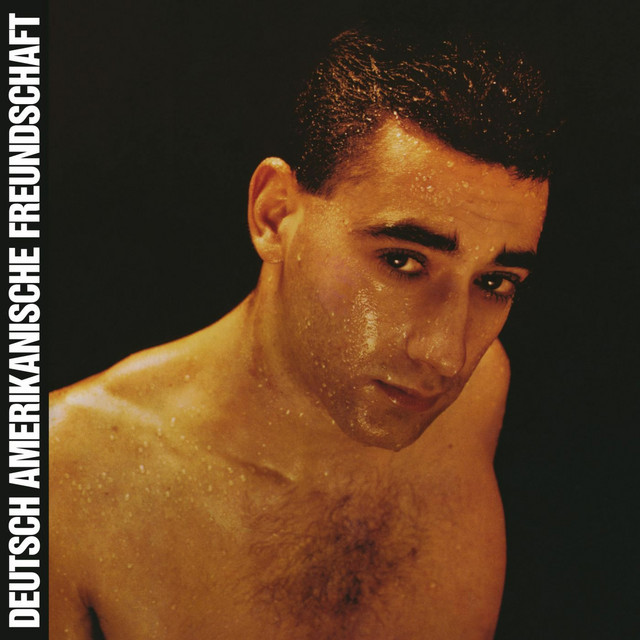
3. Alles Ist Gut
D.A.F.’s 1981 track "Alles Ist Gut" was a stark, almost brutalist statement, a primal electronic throb that felt utterly devoid of sentiment. Its relentless, machine-like rhythm, coupled with Gabi Delgado-López’s commanding, almost ceremonial vocal delivery, defined a new industrial aesthetic. They stripped away rock’s romanticism, offering a cold, exhilarating vision forged in the early days of affordable synthesizers and drum machines. And, it was a dance track for the defiant, a precursor to techno's starker forms.
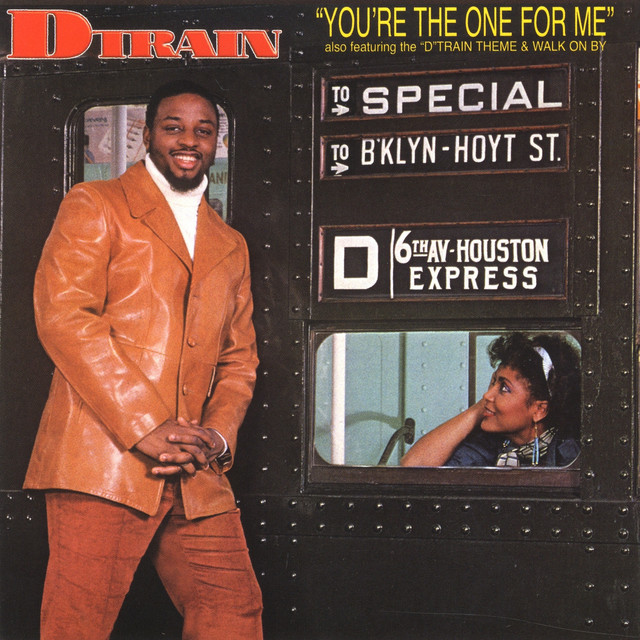
4. You're the One for Me
D-Train's 1981 smash, "You're the One for Me," redefined post-disco’s trajectory, infusing it with a sophisticated synth-funk swagger. James Williams' production, notably that iconic Oberheim bassline and lush pads, created an expansive, yet undeniably funky, soundscape. It wasn't just a groove; it was an entire atmosphere, built on a foundation of meticulously arranged analog synthesis and a powerhouse vocal performance. And, it became an instant club classic, a testament to the era's innovative blend of soul and nascent electronic textures.

5. Possibility
Severed Heads’ 1986 piece "Possibility" was a masterclass in controlled chaos, a jarring collision of found sounds, distorted vocals, and propulsive, yet fractured, rhythms. It showcased their pioneering use of sampling and tape manipulation, twisting the familiar into something unsettling and new. This wasn't merely electronic music; it was industrial art, an exploration of urban decay and psychological dissonance, all meticulously crafted within the limitations of pre-digital studio gear. And, it felt genuinely alien, yet undeniably compelling.
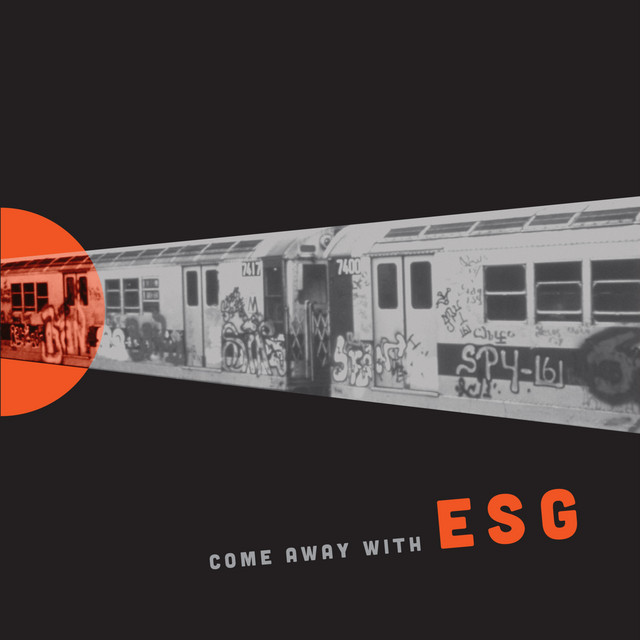
6. Come Away with ESG
ESG's 1983 track, "Come Away with ESG," was a lesson in elegant economy. Their sound was a raw, almost skeletal funk, built on the taut interplay of drums, bass, and percussion, with Renee Scroggins’ cool, understated vocals gliding above. There was no excess, no studio trickery; just pure, unadulterated groove. And, it was a pivotal record for the burgeoning hip-hop scene, demonstrating how much power could be found in restraint and infectious rhythm, a true post-punk revelation.