1 / 6
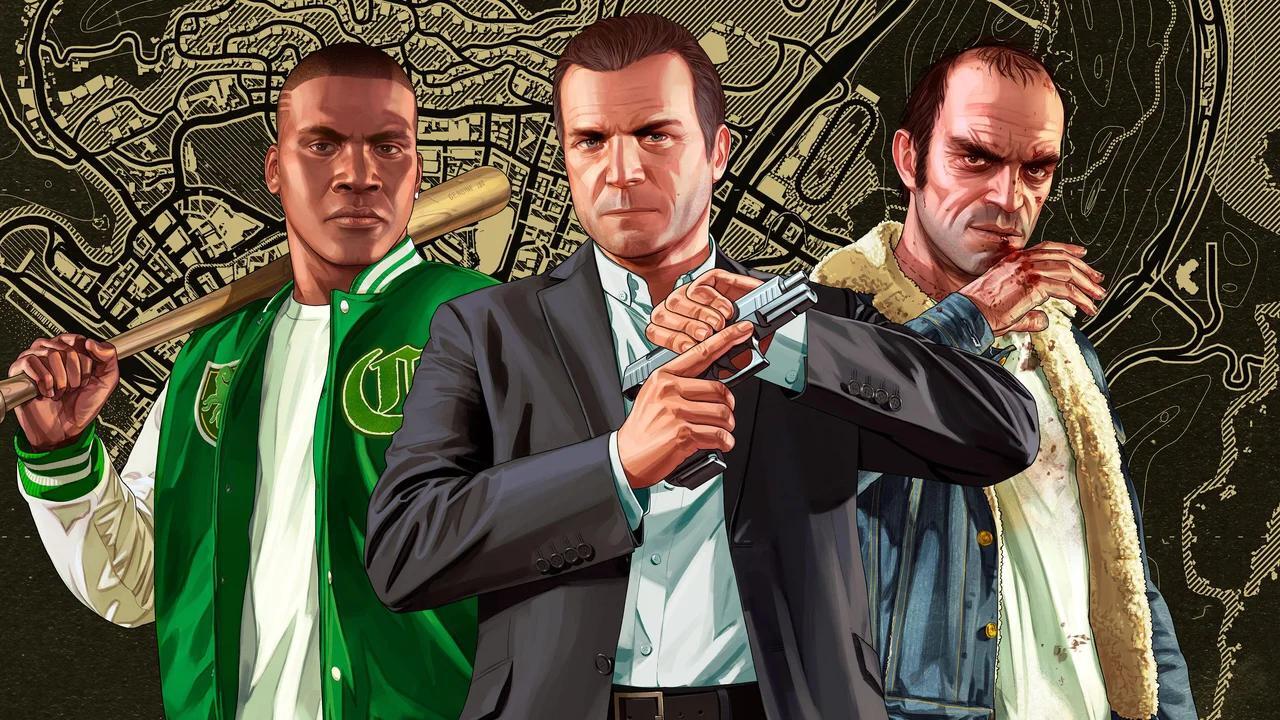
1. Grand Theft Auto V
Grand Theft Auto V wasn't just a game; it was a cultural phenomenon and a financial behemoth. It refined the open-world sandbox to an unprecedented degree, offering a sprawling, satirical take on modern America that resonated far beyond gaming circles. Its online component, GTA Online, proved an enduring model for live service games, continually generating revenue and keeping millions engaged for over a decade. This title solidified Rockstar's reputation for audacious ambition and controversy, shaping expectations for interactive entertainment.
2 / 6
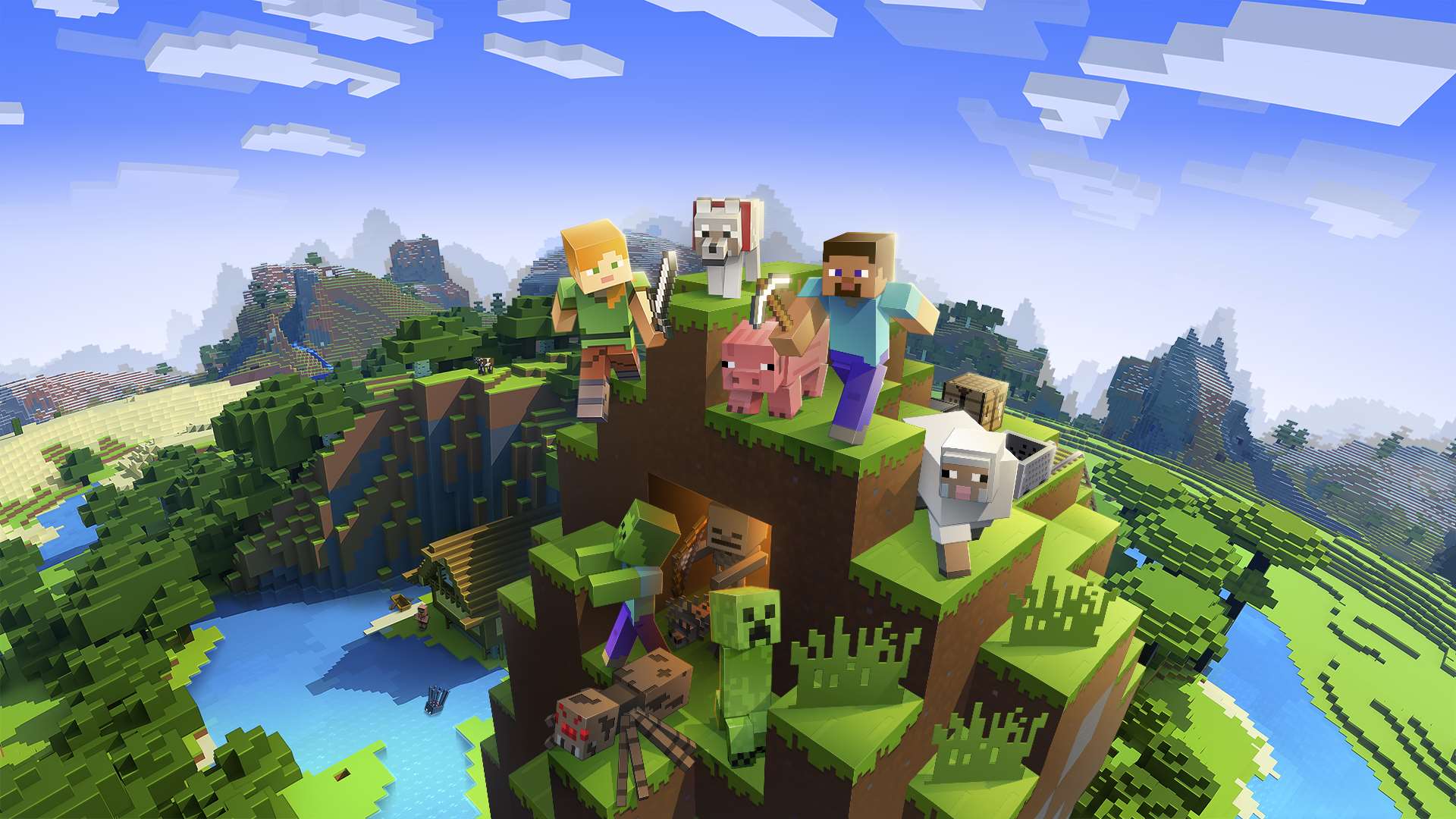
2. Minecraft
Minecraft emerged as a deceptively simple voxel sandbox, yet its impact on creative play and digital communities is immeasurable. It democratized game design, allowing millions to build, explore, and share their worlds without complex tools. Its influence stretched into education and became a bedrock for early YouTube gaming content, fostering a generation of creators. The game's enduring appeal lies in its infinite possibilities, transcending age and platform, proving that fundamental creative freedom can define an era.
3 / 6
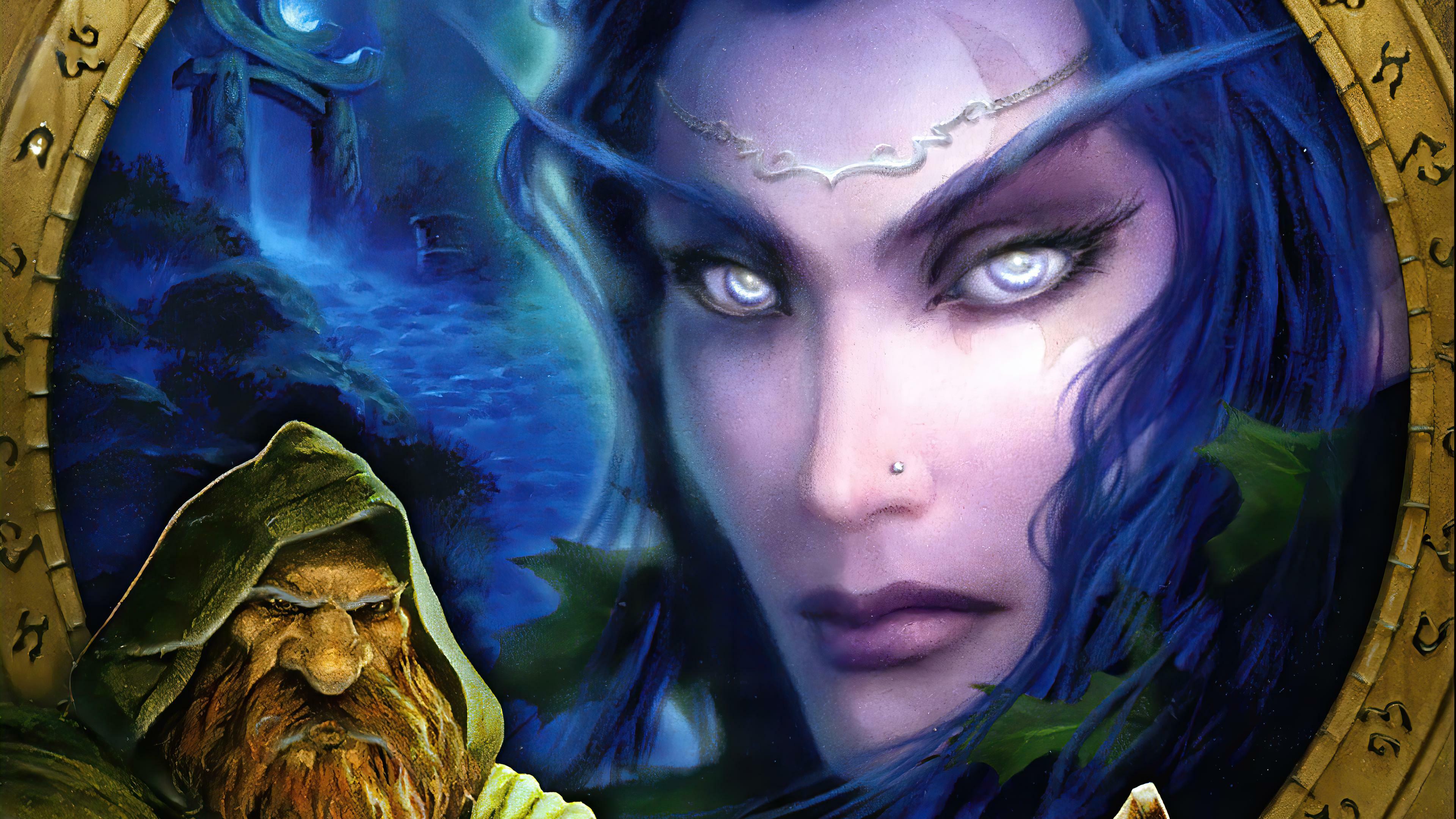
3. World of Warcraft
World of Warcraft didn't invent the MMORPG, but it perfected and popularized the genre to an extent few could have imagined. It fostered complex social structures, virtual economies, and communities that often mirrored real-world societies. For many, it was more than a game; it was a second life, defining social interaction and digital identity for a generation. Its mechanics and narrative set benchmarks for persistent online worlds, demonstrating the profound social power of interconnected digital spaces.
4 / 6
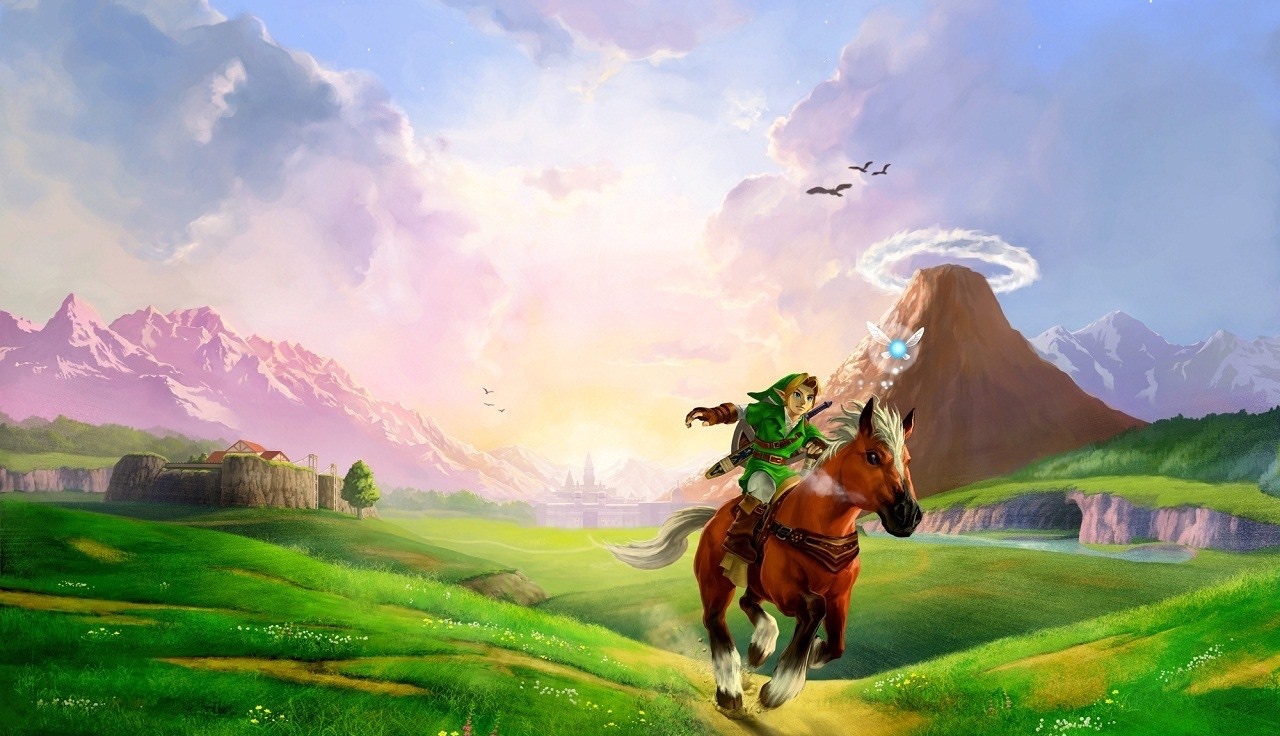
4. The Legend of Zelda: Ocarina of Time
Ocarina of Time didn't just transition the Zelda series into 3D; it established the fundamental grammar for 3D action-adventure games. Its Z-targeting system, contextual controls, and cinematic storytelling became industry standards, influencing countless titles that followed. This was a pivotal moment for console gaming, showcasing how rich narratives and complex worlds could thrive in three dimensions. The game’s intricate dungeons and memorable characters etched it into the collective gaming consciousness as a masterpiece.
5 / 6
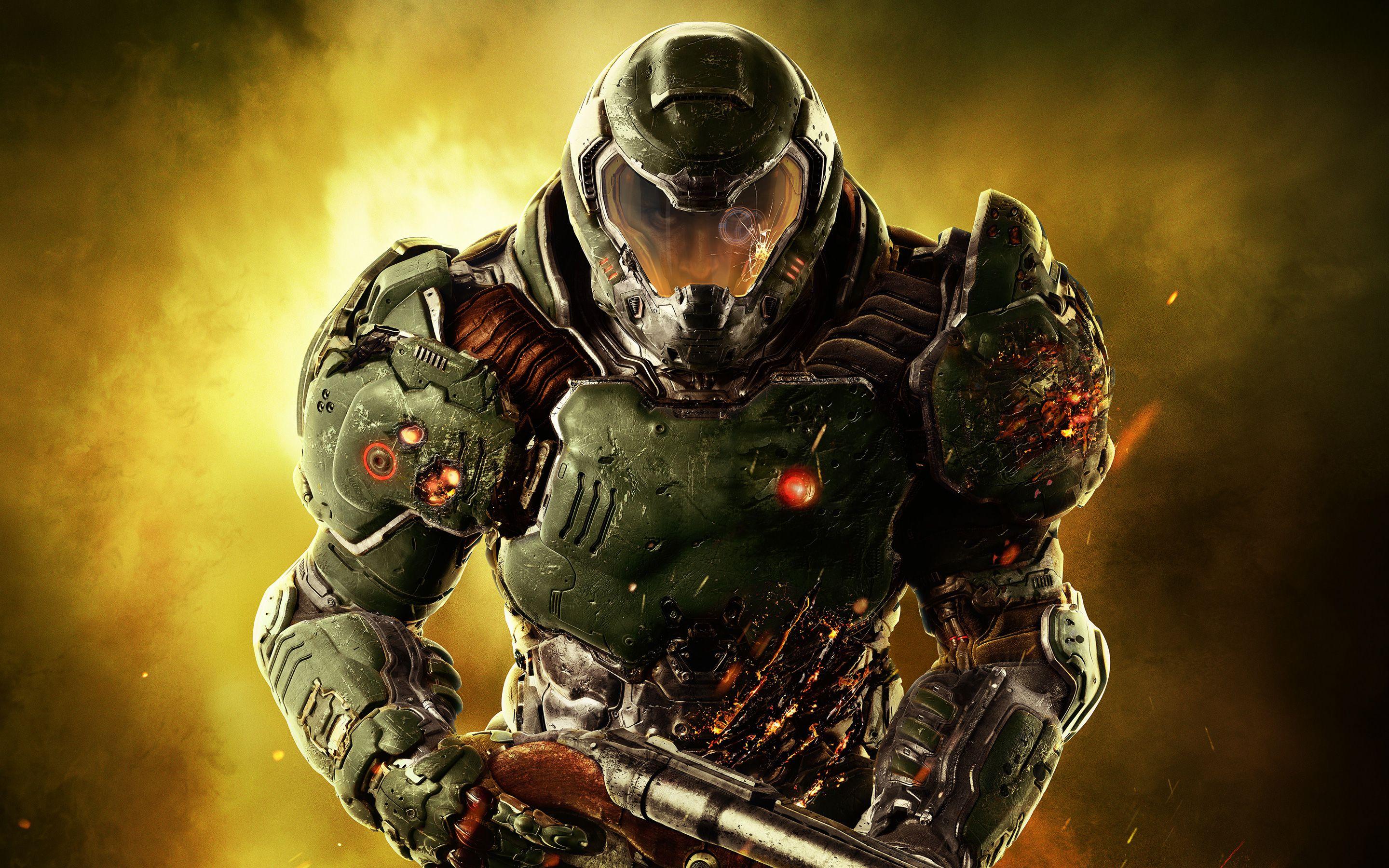
5. DOOM (2016)
DOOM (2016) wasn't just a reboot; it was a defiant roar that proved single-player FPS campaigns could still be visceral, engaging, and relevant. Eschewing cover mechanics and regenerating health, it forced aggressive, movement-based combat, rewarding players for engaging enemies head-on. This game reminded the industry that focused, expertly crafted gameplay loops could stand tall amidst multiplayer trends and open-world bloat. It was a masterclass in modernizing a classic without sacrificing its core identity.
6 / 6
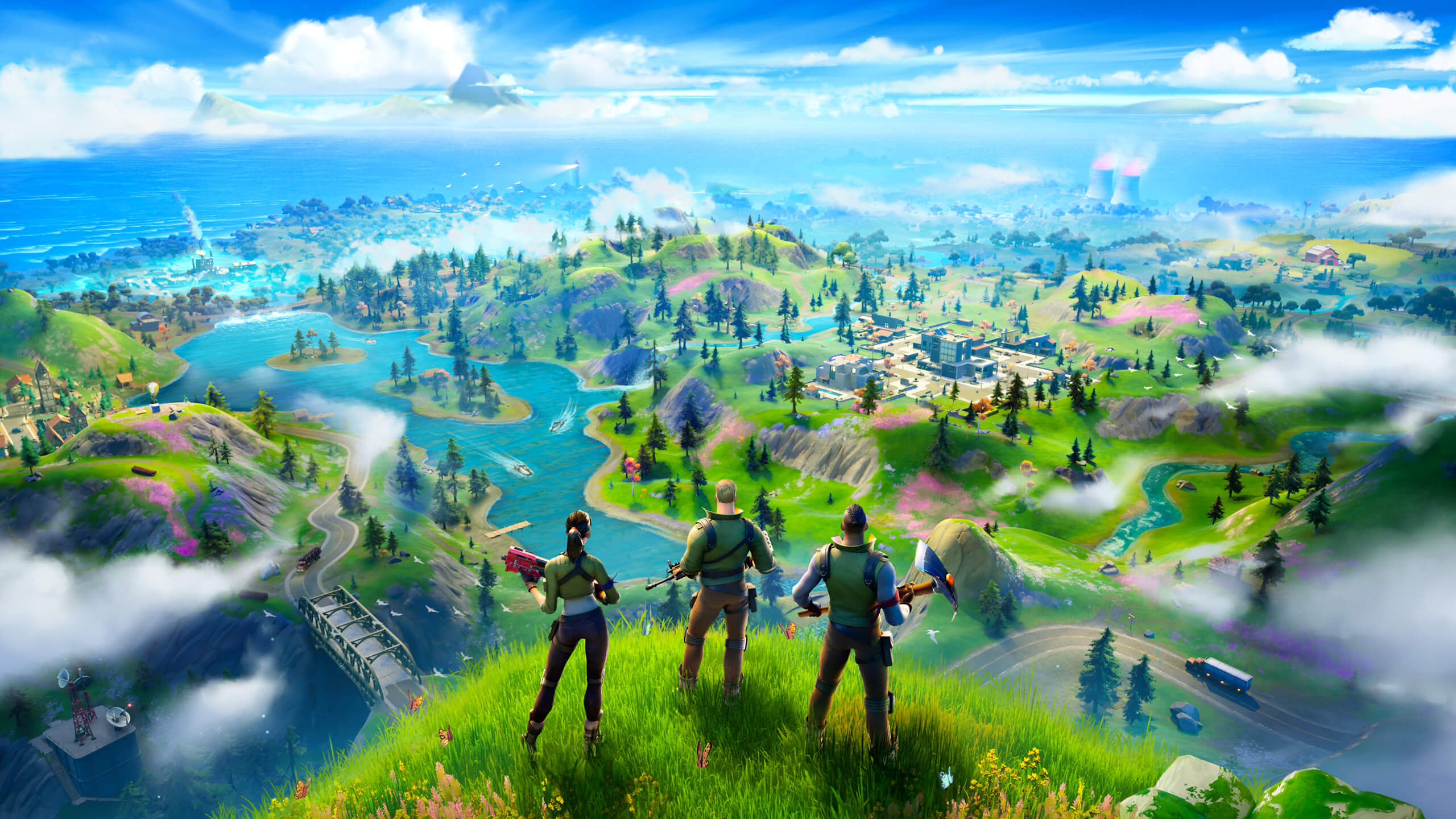
6. Fortnite Battle Royale
Fortnite Battle Royale rapidly transcended its battle royale origins to become a global cultural touchstone. Its free-to-play model, accessible gameplay, and ubiquitous cross-platform support made it a social hub for millions. Crucially, its innovative use of live, in-game events and brand collaborations transformed it into a virtual concert venue and advertising platform. It demonstrated the power of a game as a continually evolving, social space, hinting at the future of virtual interaction and the metaverse.