
1. System Shock 2
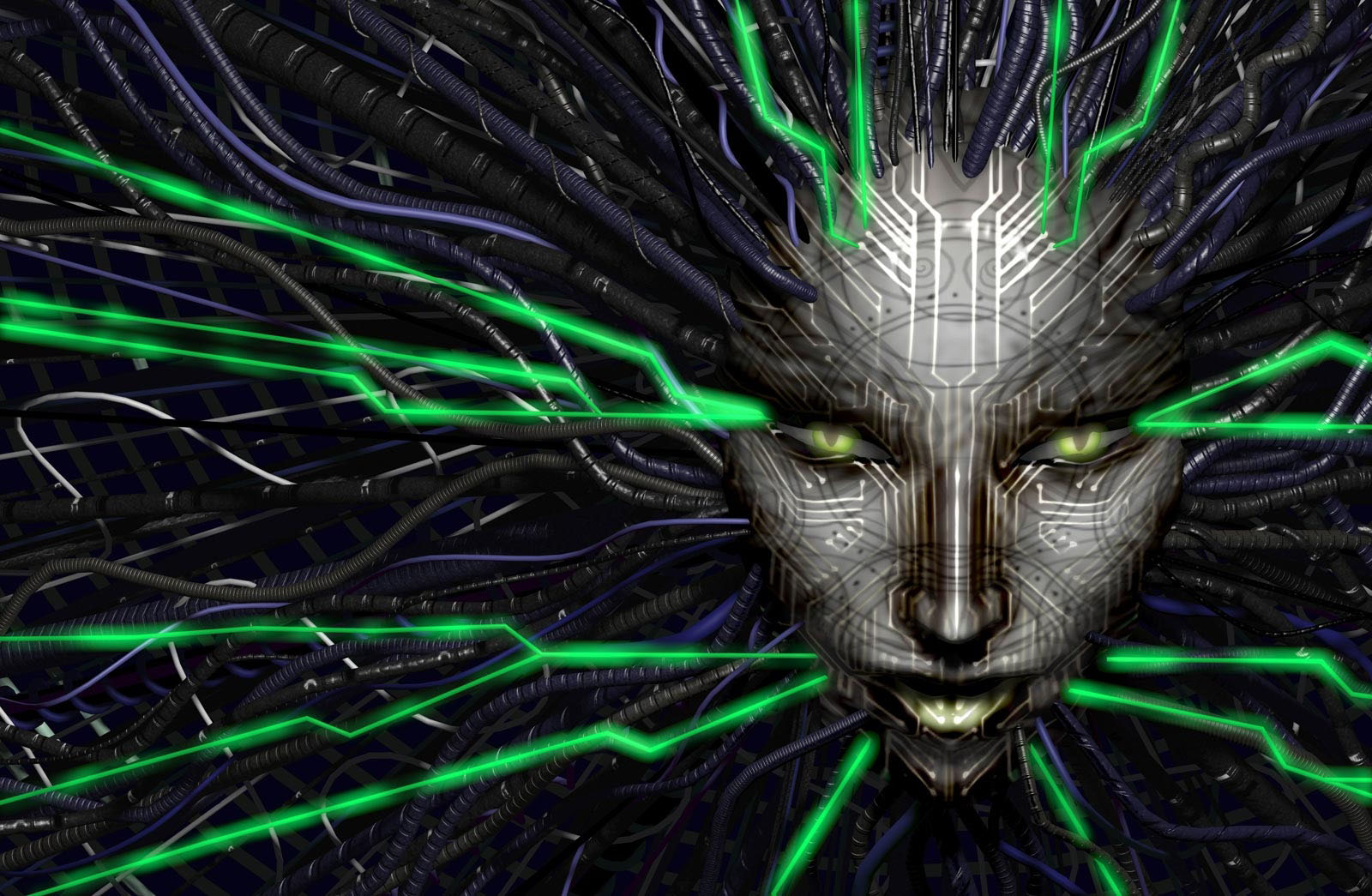
System Shock 2, launched in 1999, pioneered a new blend of FPS, RPG, and horror elements. Its emergent gameplay, environmental storytelling, and the chilling presence of SHODAN crafted an experience far ahead of its time. The game fostered a sense of dread through resource scarcity and psychological manipulation, defining elements later seen in titles like BioShock. It demonstrated how deep narrative and character progression could elevate a shooter beyond mere action, leaving an indelible mark on interactive design.
2. Planescape: Torment
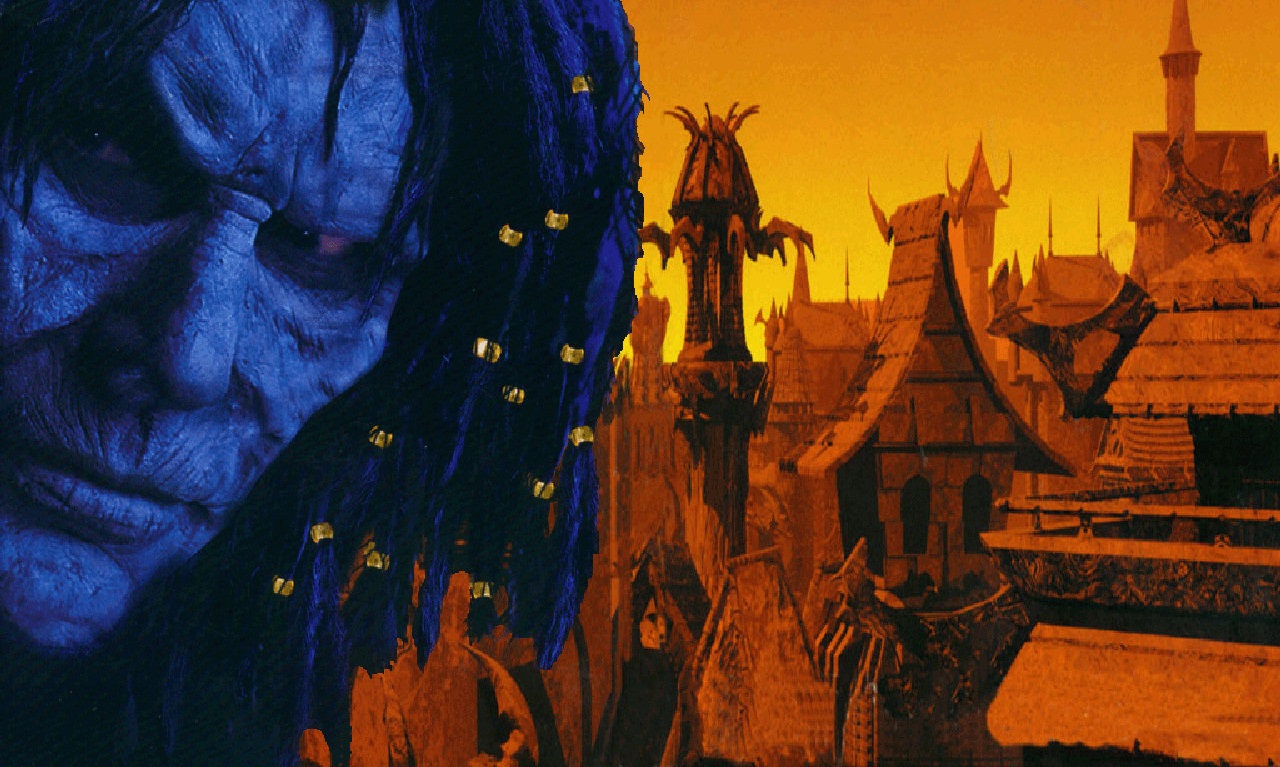
Planescape: Torment, from 1999, shattered conventional RPG tropes, prioritizing existential philosophy and narrative depth over combat. Players navigated a bizarre, compelling multiverse, where dialogue and choices held more weight than weapon stats. The game’s unique approach to identity, death, and morality, coupled with its richly drawn characters, proved that video games could tackle profound themes with literary grace. It pushed the boundaries of storytelling in the medium, influencing countless narrative-focused titles.
3. Vagrant Story (2000)
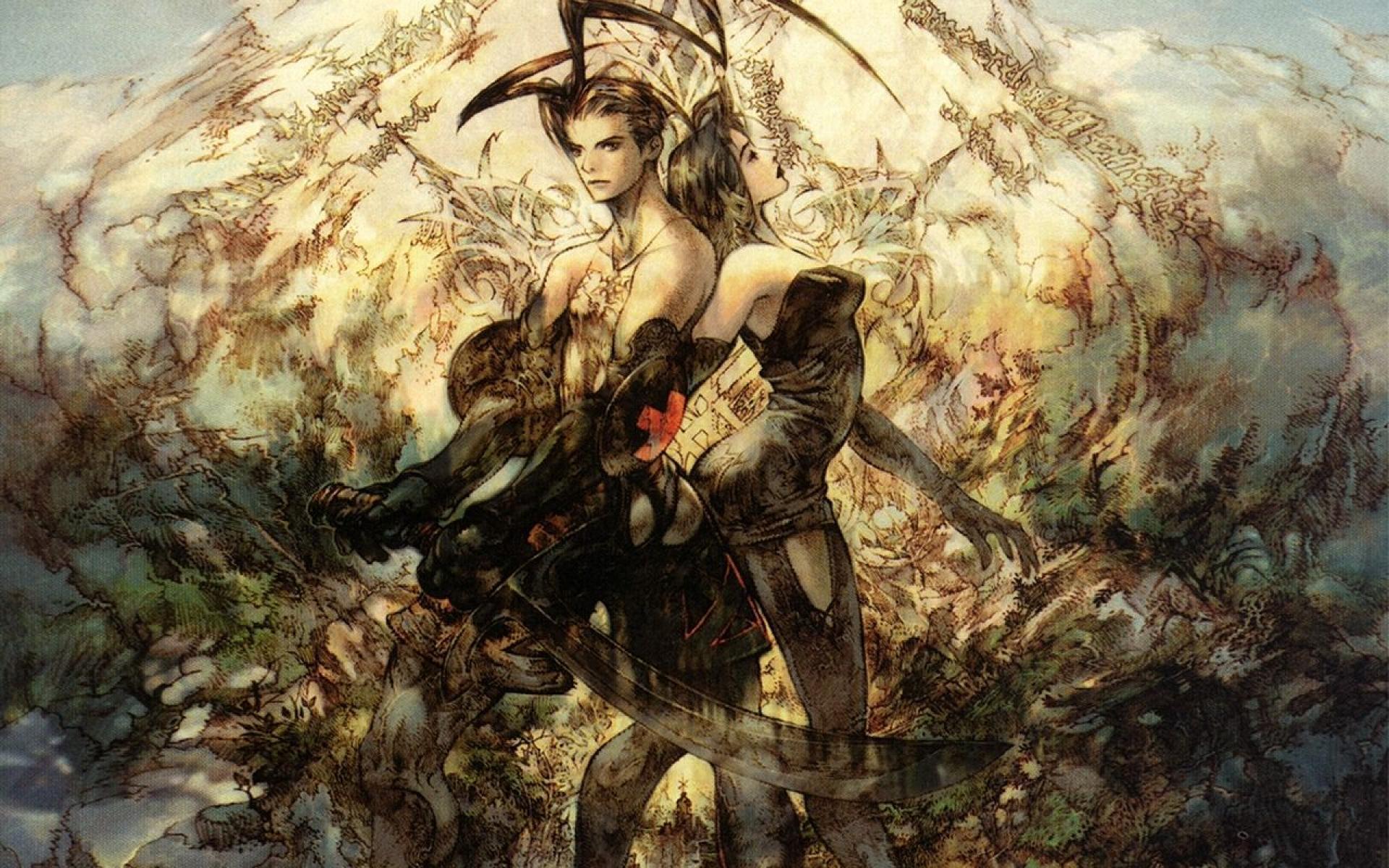
Vagrant Story, released in 2000, was a masterclass in intricate mechanics and atmospheric presentation. Its highly customizable weapon crafting, unique combat system based on chaining attacks and targeting specific body parts, demanded strategic thinking. The game’s moody, almost monochromatic visual style and complex, mature narrative set it apart. While perhaps too demanding for mainstream appeal, it quietly showcased a meticulous level of design and world-building that many developers would later emulate.
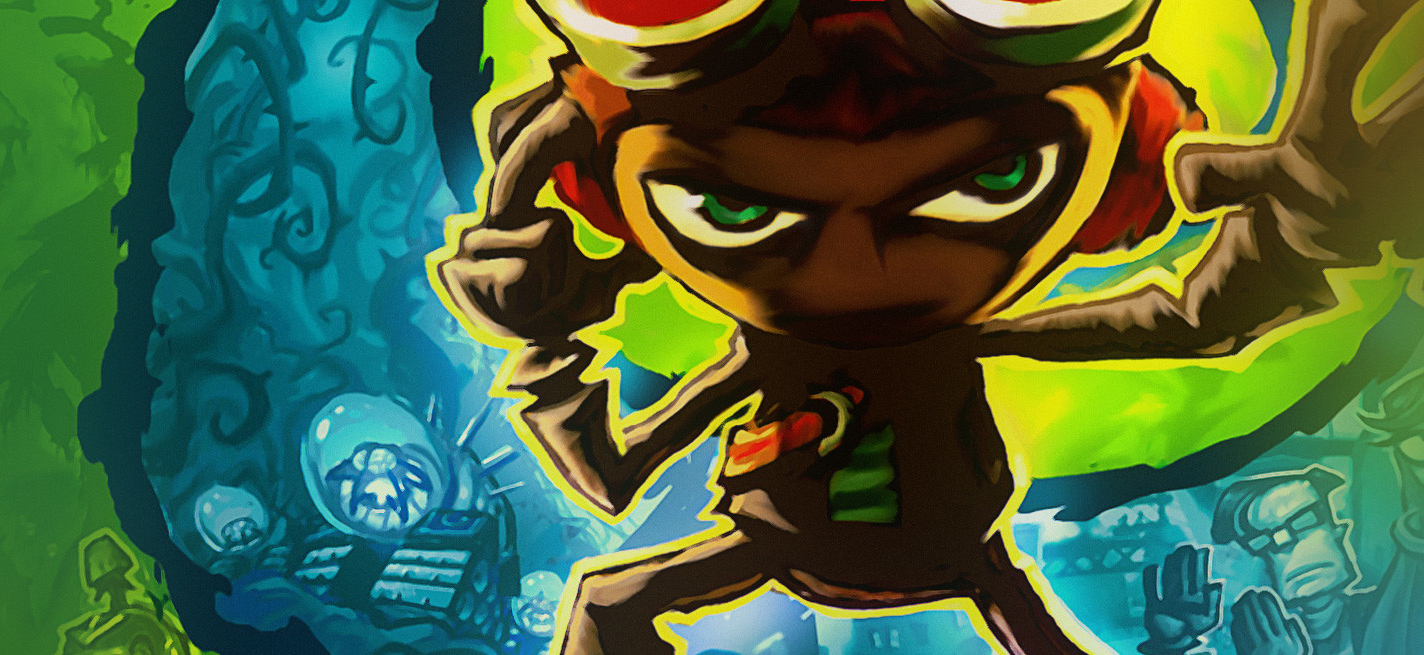
4. Psychonauts
In 2005, Psychonauts presented a vibrant, imaginative platformer that delved into the human psyche. Its levels, each representing a character's mind, were brilliant exercises in creative design and thematic storytelling. The game’s sharp wit, endearing characters, and exploration of mental health concepts were groundbreaking. Despite initial commercial struggles, its innovative approach to narrative and gameplay cemented its cult status, influencing games that dared to be both playful and profound.

5. Okami
Okami, arriving in 2006, reimagined the action-adventure genre with its breathtaking cel-shaded art, inspired by traditional Japanese ink wash painting. The Celestial Brush mechanic, allowing players to directly manipulate the environment and combat, was a stroke of genius. It demonstrated how artistic vision and innovative gameplay could merge seamlessly. Okami’s unique aesthetic and mythological narrative showcased an ambitious artistic direction, influencing subsequent titles to embrace distinctive visual styles and cultural narratives.

6. Draugen
Draugen, from 2019, offered a poignant narrative experience set against the stunning backdrop of 1920s Norway. This walking simulator focused intently on atmosphere, character interaction, and unraveling a psychological mystery. Its strength lay in the dynamic relationship between its two protagonists and the unfolding environmental storytelling, eschewing combat for emotional resonance. Draugen proved that interactive storytelling, when executed with such thoughtful pacing and depth, could be profoundly impactful.