1. Alfred Hitchcock Presents
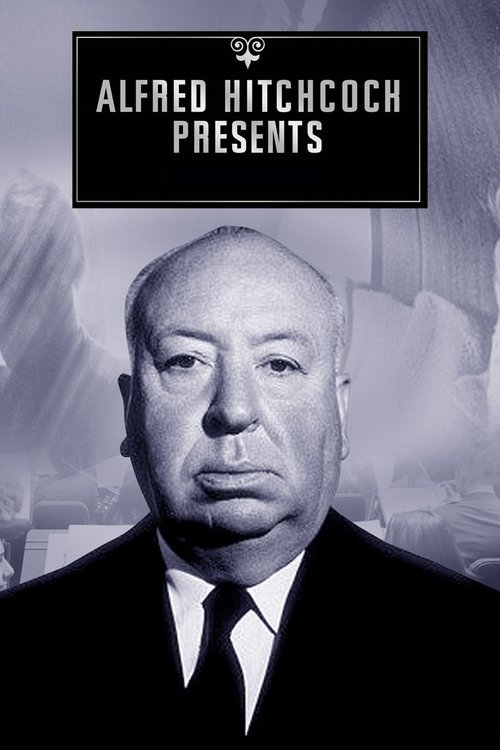
Ah, the master himself. Before the feature films, Hitch was right there in your living room, opening each chilling tale. This wasn't just a show; it was a weekly lesson in tension, often culminating in that signature twist. Filmed in stark black and white, these half-hour dramas utilized every trick the small screen offered, proving that clever writing and a well-placed shadow could be far more terrifying than any gory spectacle. And the commercials felt like a welcome relief.

2. The Fugitive
This one was a real groundbreaking program, charting Dr. Richard Kimble's desperate flight week after week. Each episode was a self-contained drama, sure, but the overarching hunt for the one-armed man kept you glued. It really showed what television could do with a continuing narrative, building suspense over seasons. The black-and-white cinematography added to the grim, relentless pursuit, making every close call feel utterly immediate. You truly felt Kimble's isolation, right through your console television.
3. Car 54, Where Are You?
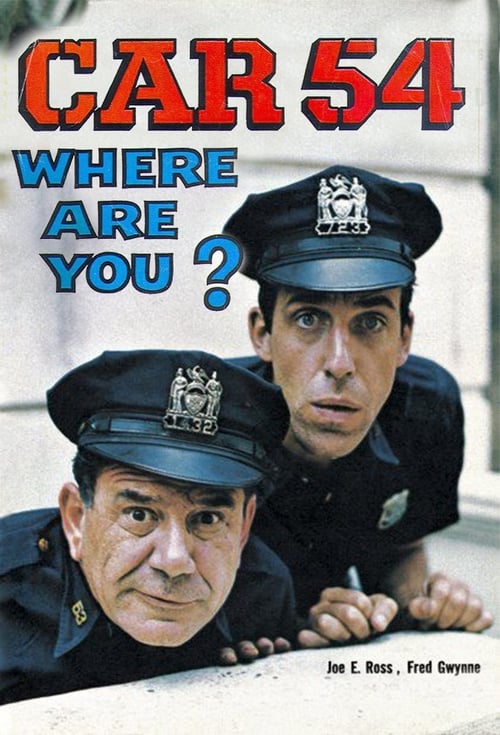
Now, for some lighter fare. This sitcom was a pure delight, set in the Bronx with two very different police officers. Toody and Muldoon's antics in that patrol car were classic, a masterclass in character-driven comedy. It perfectly captured the everyday absurdities, filmed mostly on a stage, but with enough location shots to give it flavor. It’s the kind of charming, unpretentious humor that feels like a warm, familiar presence. You just don't get that easygoing spirit anymore, do you?

4. Naked City
Here's a gritty, early procedural that felt remarkably real for its era. 'There are eight million stories in the Naked City. This has been one of them.' That closing line still resonates. Shot on location in New York City, it used that urban backdrop as another character, giving the crimes and human dramas an authenticity that was rare for its time. The black and white cinematography emphasized the raw, unvarnished look at police work and the lives intertwined with it. A true precursor to modern drama.
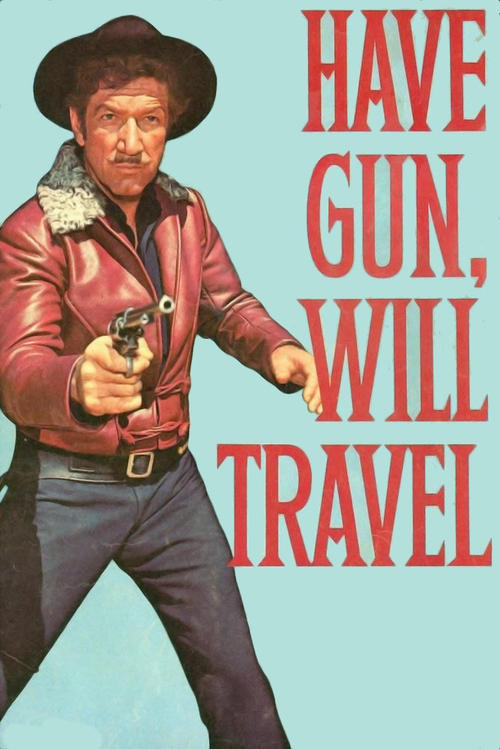
5. Have Gun, Will Travel
Paladin, the gentleman gunfighter, was a different kind of Western hero. This show stood out with its literate scripts and the unique premise: a man offering his services for hire, often using his intellect as much as his Colt. Though a Western, many episodes felt like tight little morality plays, each a self-contained adventure. Richard Boone’s portrayal was iconic, bringing a nuanced performance to the black-and-white screen, making Paladin both dangerous and surprisingly honorable. Classic television, truly, and not just another shoot-em-up.
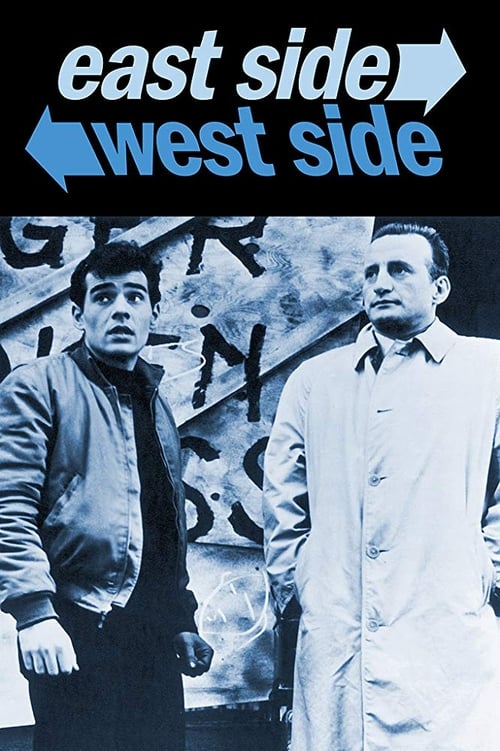
6. East Side/West Side
This was a bold, intelligent drama, starring George C. Scott as a social worker in New York. It tackled tough, uncomfortable subjects like poverty, racial prejudice, and urban blight head-on, which was rare for 1963. Perhaps too ahead of its time, it didn't last long, but its impact on serious television drama was undeniable. Filmed with a certain raw realism, it felt less like entertainment and more like a weekly examination of society's issues. A powerful, albeit brief, statement, and still relevant.