1. Planescape: Torment
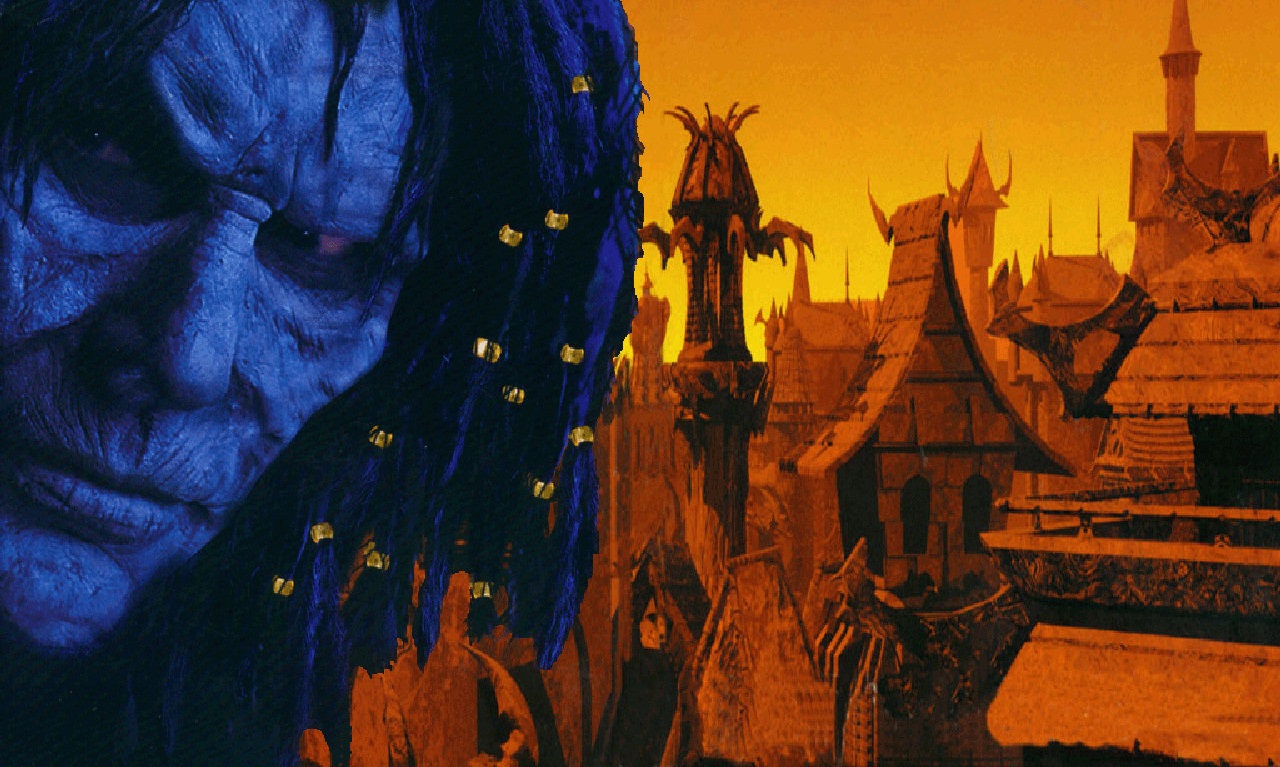
Planescape: Torment truly redefined what an RPG narrative could achieve. It wasn't about saving a world, but understanding oneself and the nature of existence. The Nameless One grappled with immortality and amnesia, exploring profound philosophical questions rather than typical fantasy tropes. Dialogue carried more weight than combat, letting players talk their way out of most situations. This game proved profound storytelling and complex characters could elevate the medium beyond simple dungeon crawling, challenging conventional RPG design.
2. System Shock 2
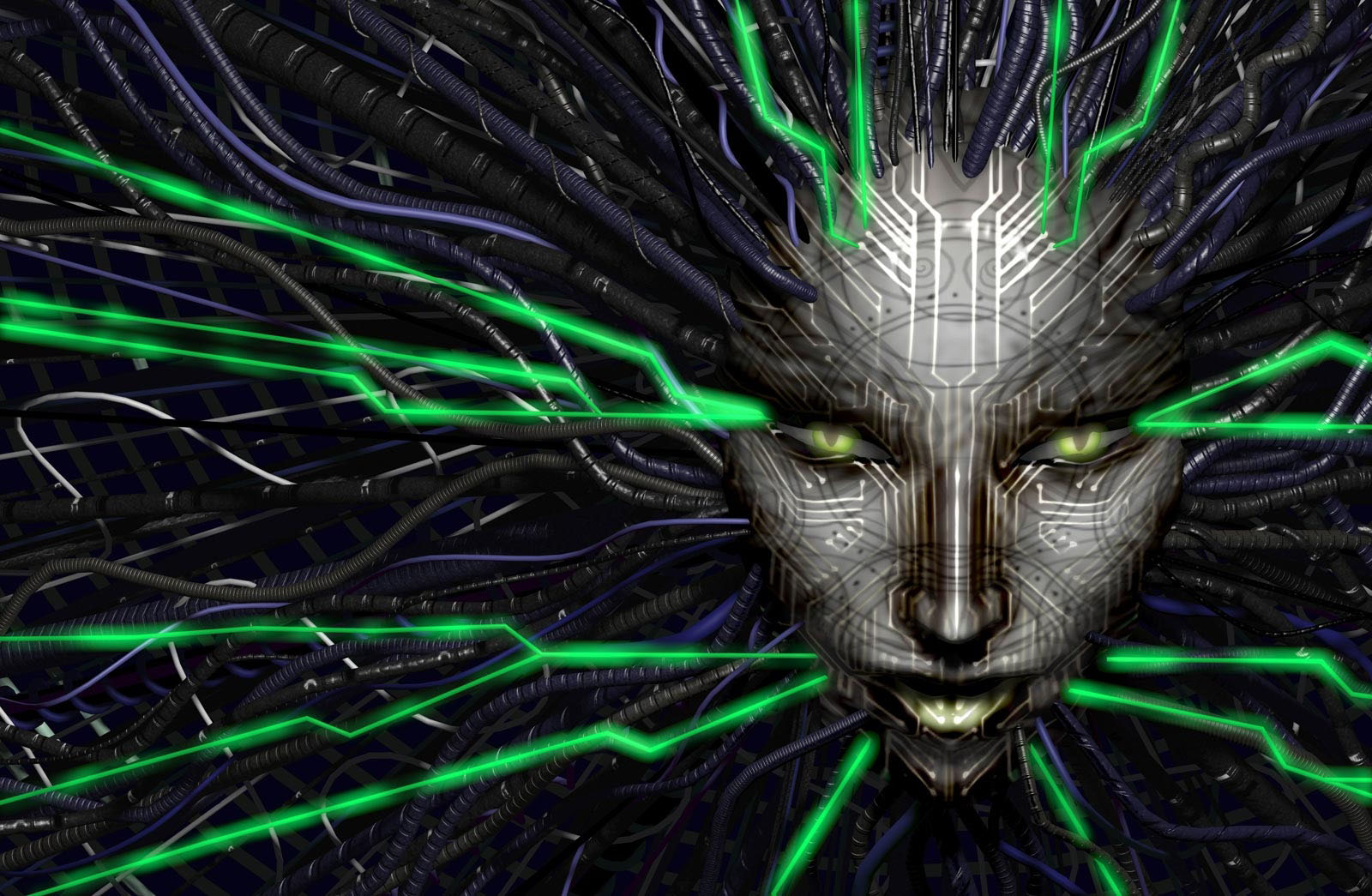
System Shock 2 masterfully blurred genre lines, delivering a potent blend of RPG, FPS, and survival horror. Its derelict starship, the Von Braun, was a masterclass in environmental storytelling, with logs and ghostly echoes revealing its crew's horrific fate. Emergent gameplay forced players to adapt their skills against SHODAN's relentless assaults, creating unparalleled dread and resourcefulness. This immersive simulation was years ahead, influencing countless games with its unique narrative and mechanical blend.
3. Arcanum: Of Steamworks and Magick Obscura
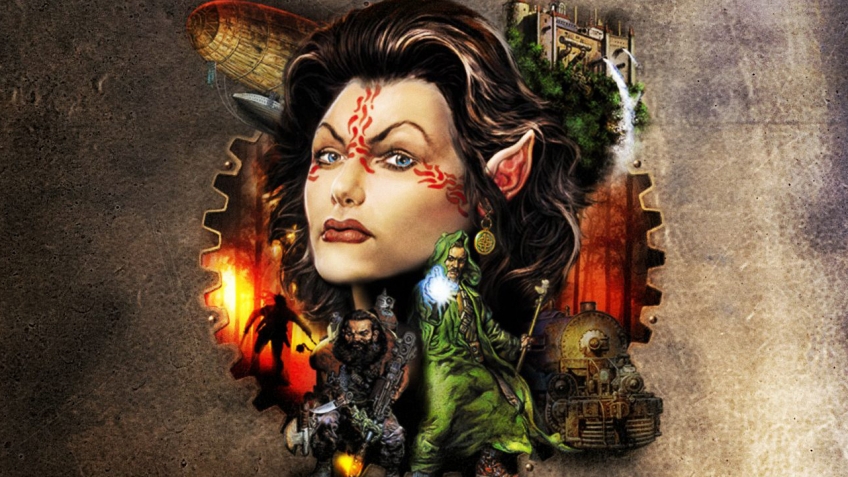
Arcanum presented a fascinating, almost contradictory world where high fantasy magic collided with emerging steampunk technology. Its detailed world-building and branching narrative offered players incredible freedom in character development and moral choices, impacting the game's factions and overall story. Though technically ambitious, its sheer depth and reactive world – where technology and magic had tangible, often opposing effects on gameplay and society – showcased a remarkable vision for player agency within a truly unique setting.
4. Suikoden II
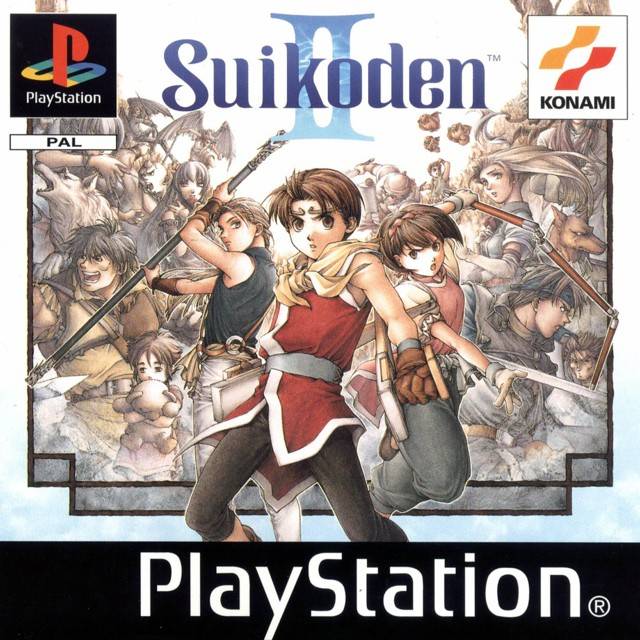
Suikoden II stands as a masterclass in JRPG storytelling, renowned for its epic scope and deeply emotional narrative. Recruiting 108 unique characters, each with their own story and place in your burgeoning army and castle headquarters, forged an unparalleled sense of community and investment. Its political intrigue, personal betrayals, and fight for freedom resonated powerfully. This game proved a large cast could be intimately woven into a grand, personal war story, setting a high bar for emotional depth.
5. Giants: Citizen Kabuto
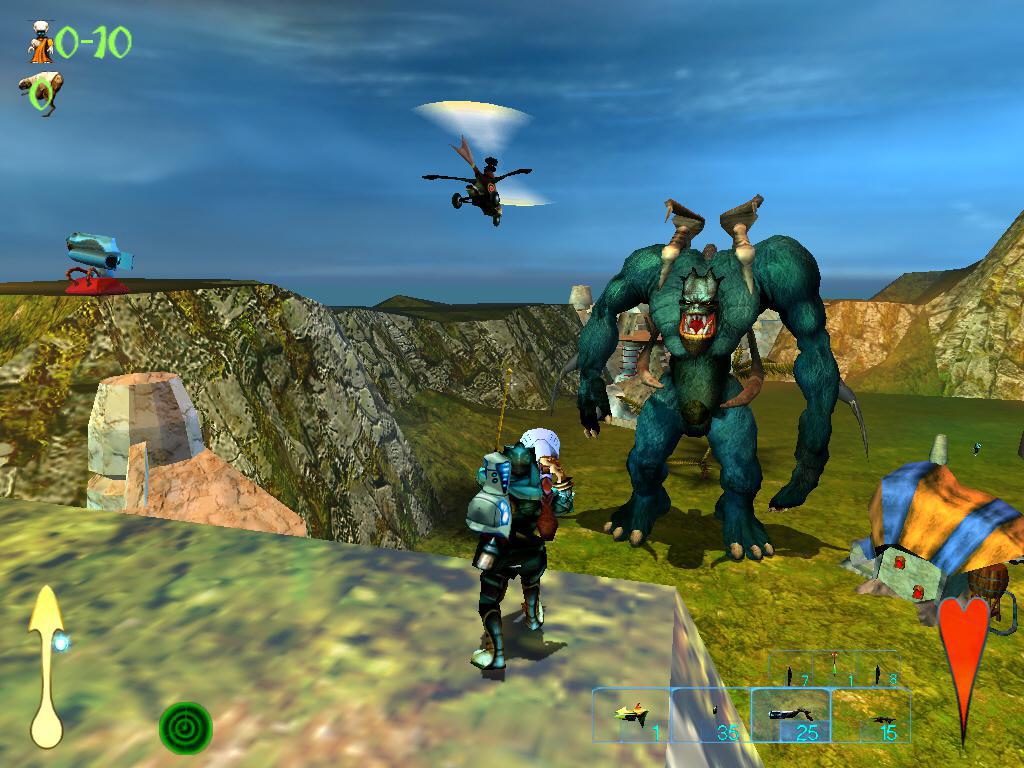
Giants: Citizen Kabuto offered a truly novel take on action strategy. Its asymmetrical gameplay, letting players control either the small, nimble Meccaryns, the magic-wielding Sea Reapers, or the colossal monster Kabuto, provided three distinct experiences. The game blended third-person shooting, RTS base-building, and a monster rampage simulator with a uniquely British, often absurd, sense of humor. It was an ambitious, quirky title, showcasing innovative ideas about player roles and genre blending that few have replicated since.
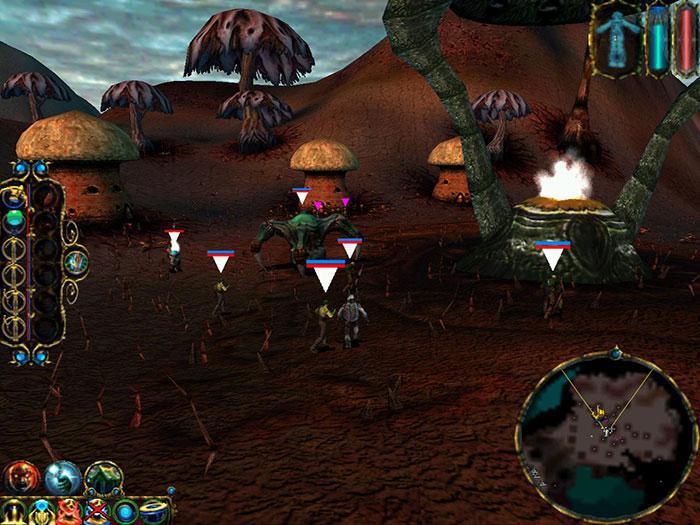
6. Sacrifice
Sacrifice boldly reimagined real-time strategy, merging it with third-person action in a way few games had attempted. Instead of managing faceless armies, players controlled a powerful wizard directly, summoning and commanding fantastical creatures in visceral, tactical battles. Its innovative "mana-from-corpses" economy and dynamic spellcasting demanded constant engagement. The game's distinctive, surreal art style and focus on direct combat over traditional base-building made it a unique entry, proving RTS could be both strategic and intensely personal.
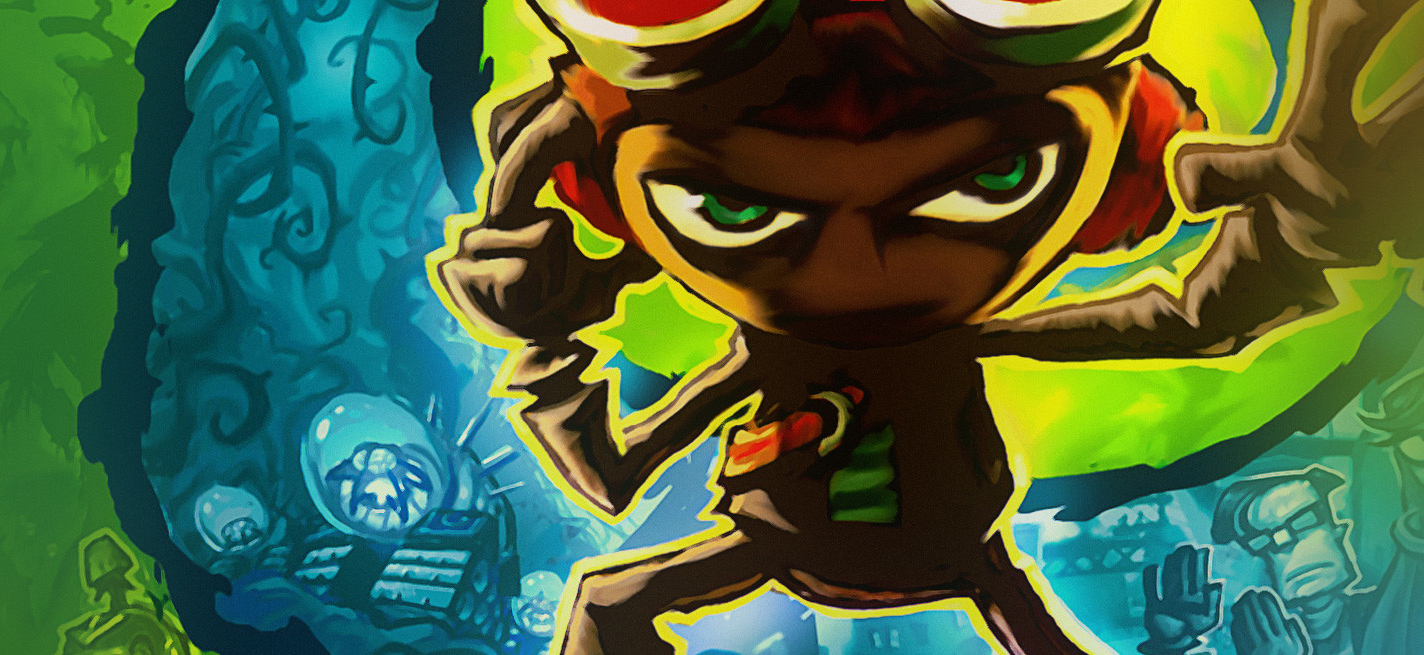
7. Psychonauts
Psychonauts delivered a platforming adventure unlike any other, exploring the bizarre, often beautiful, landscapes of characters' minds. Tim Schafer's signature wit and heartfelt storytelling shone, tackling complex mental health themes with sensitivity and humor. Each level was a distinct psychological puzzle, visually manifesting its inhabitant's internal struggles. This game proved platformers could be more than just jumping, offering a profound, character-driven narrative wrapped in endlessly creative and imaginative gameplay. It remains a benchmark for originality.
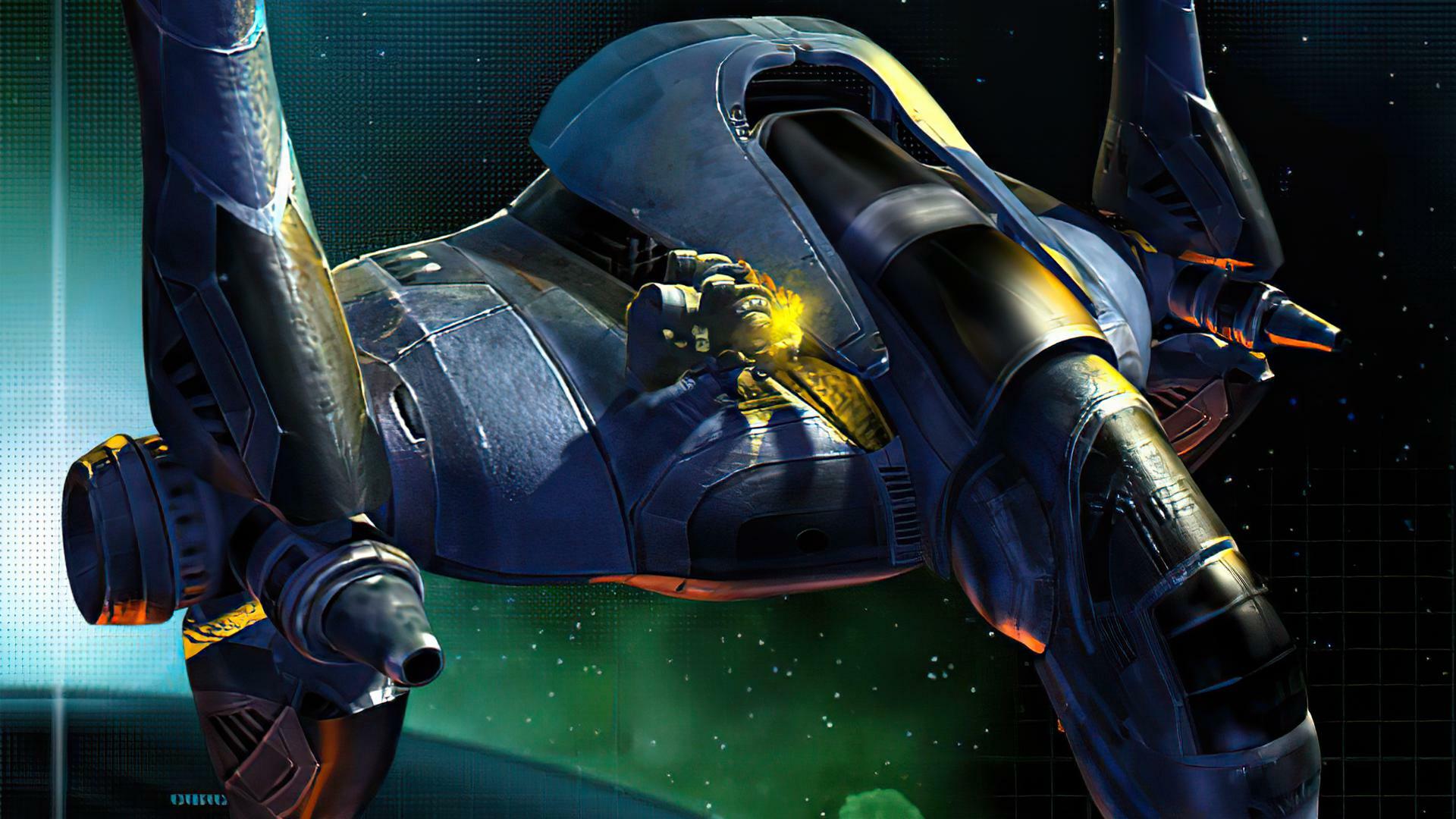
8. Space Rangers 2: Reboot
Space Rangers 2: Reboot presented a truly unparalleled open-world experience, blending RPG, RTS, text adventure, and arcade shooter into a dynamic, living universe. Players weren't the cosmos' center; events unfolded independently, with factions warring and economies shifting regardless of player action. You could be a trader, pirate, or bounty hunter, influencing the galactic war effort. Its sheer freedom, emergent narratives, and willingness to blend genres created a sandbox game that still feels fresh and incredibly ambitious today.
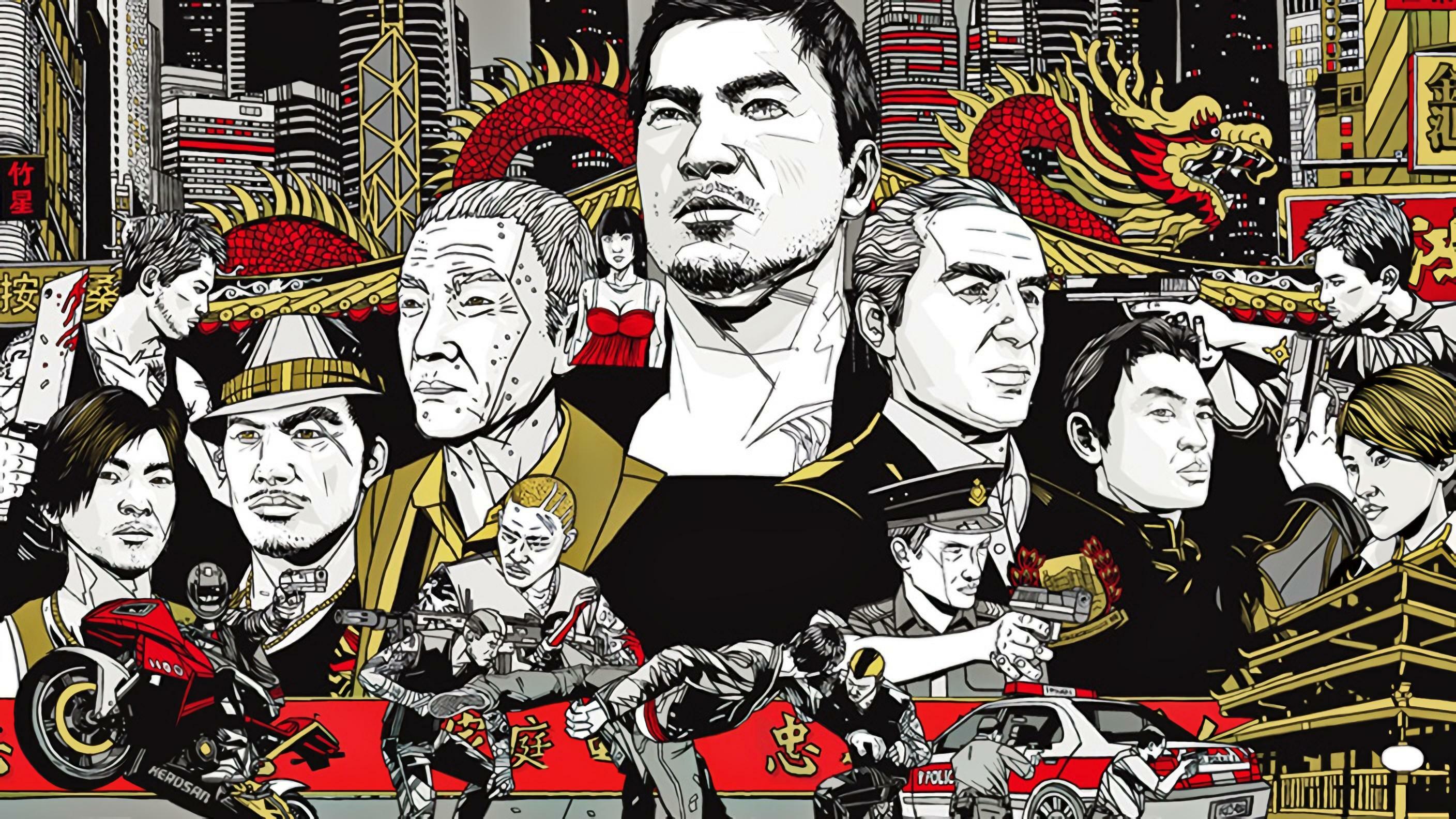
9. Sleeping Dogs
Sleeping Dogs offered a gritty, authentic portrayal of Hong Kong's criminal underworld, distinguishing itself from typical open-world crime games. Its fluid, cinematic martial arts combat system was a particular highlight, feeling distinct and visceral. Beyond the action, the game delivered a compelling narrative of an undercover cop torn between loyalty and duty, exploring identity and family within a vibrant, culturally rich setting. It proved open-world games could offer thrilling gameplay and deeply personal, culturally specific storytelling.
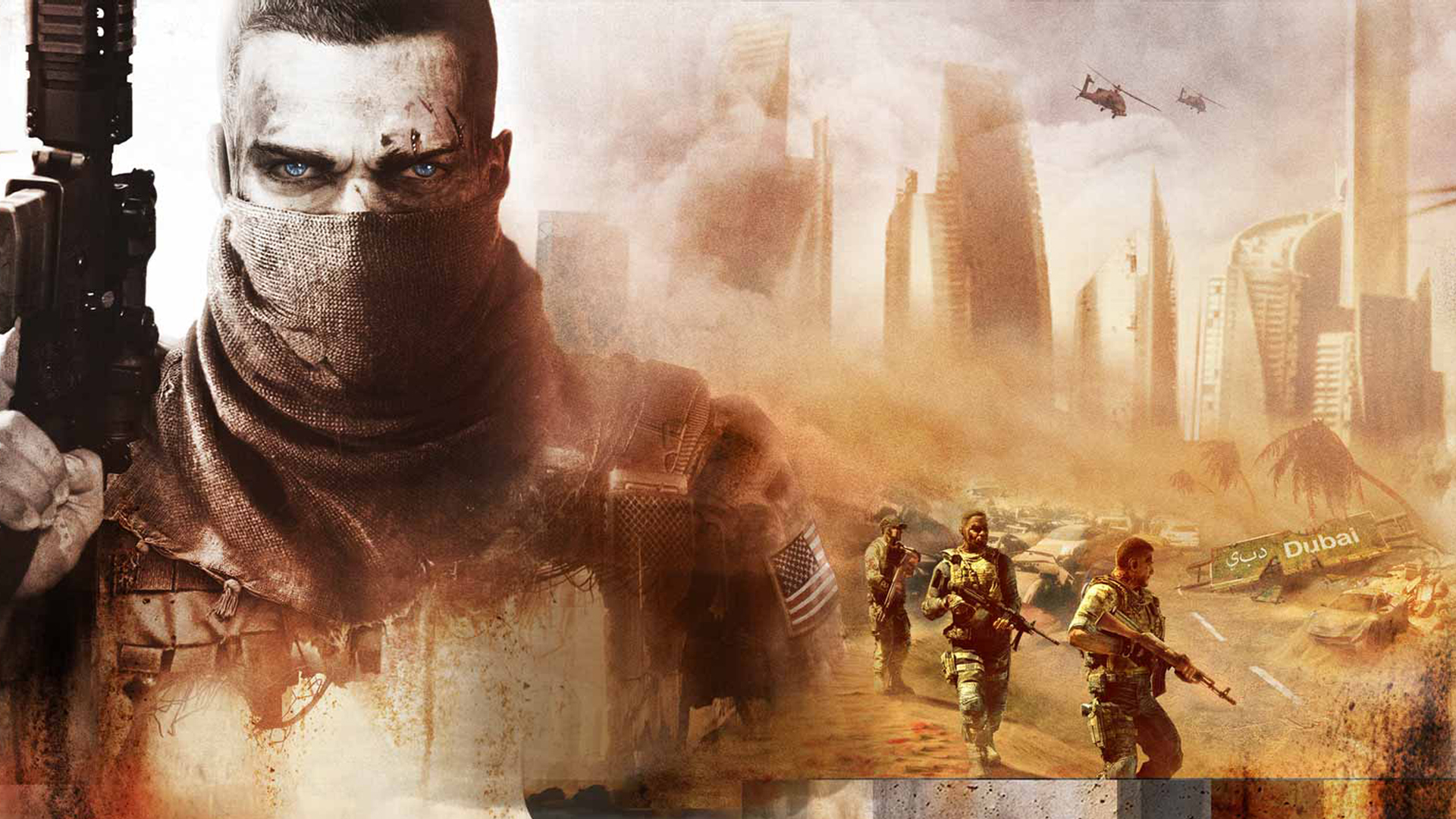
10. Spec Ops: The Line
Spec Ops: The Line remains a searing indictment of the military shooter genre, deliberately subverting player expectations and the glorification of war. It forced players into morally ambiguous choices, presenting conflict's true horrors and psychological toll, not a heroic power fantasy. The narrative brilliantly deconstructed common tropes, challenging player agency and their role in such games. It was a provocative, uncomfortable experience that questioned the medium's depiction of violence, leaving a lasting, unsettling impression.
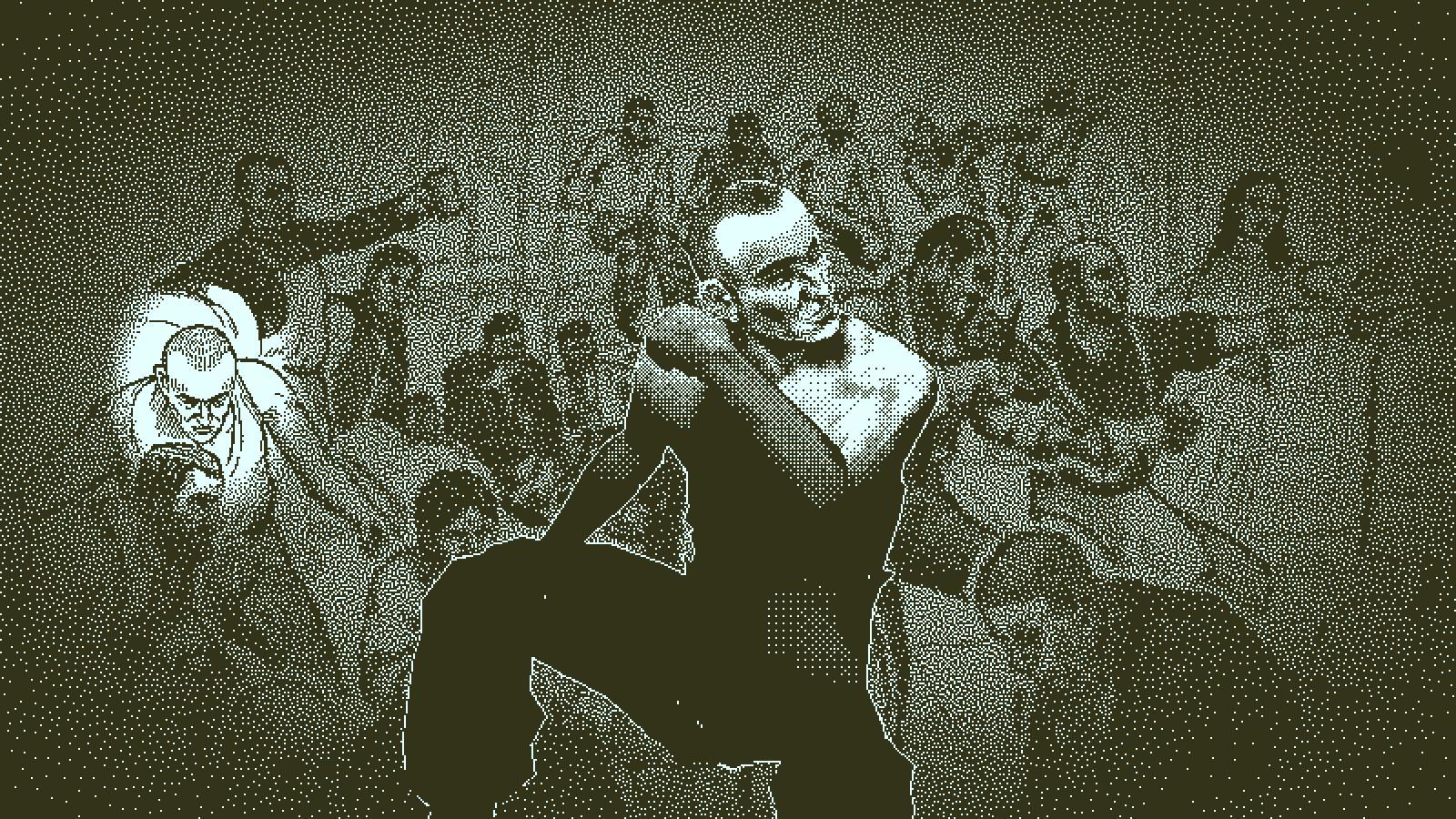
11. Return Of The Obra Dinn
Return of the Obra Dinn is a masterclass in detective game design, demanding meticulous observation and deductive reasoning. Its striking monochrome art style isn't just aesthetic; it reinforces the unique "memento mori" mechanic, allowing players to witness the deceased's final moments. Unraveling every soul's fate aboard the ghost ship requires assembling fragmented clues and piecing together a complex, non-linear narrative. It proved minimalist presentation and clever design could create an unparalleled sense of discovery and intellectual satisfaction.
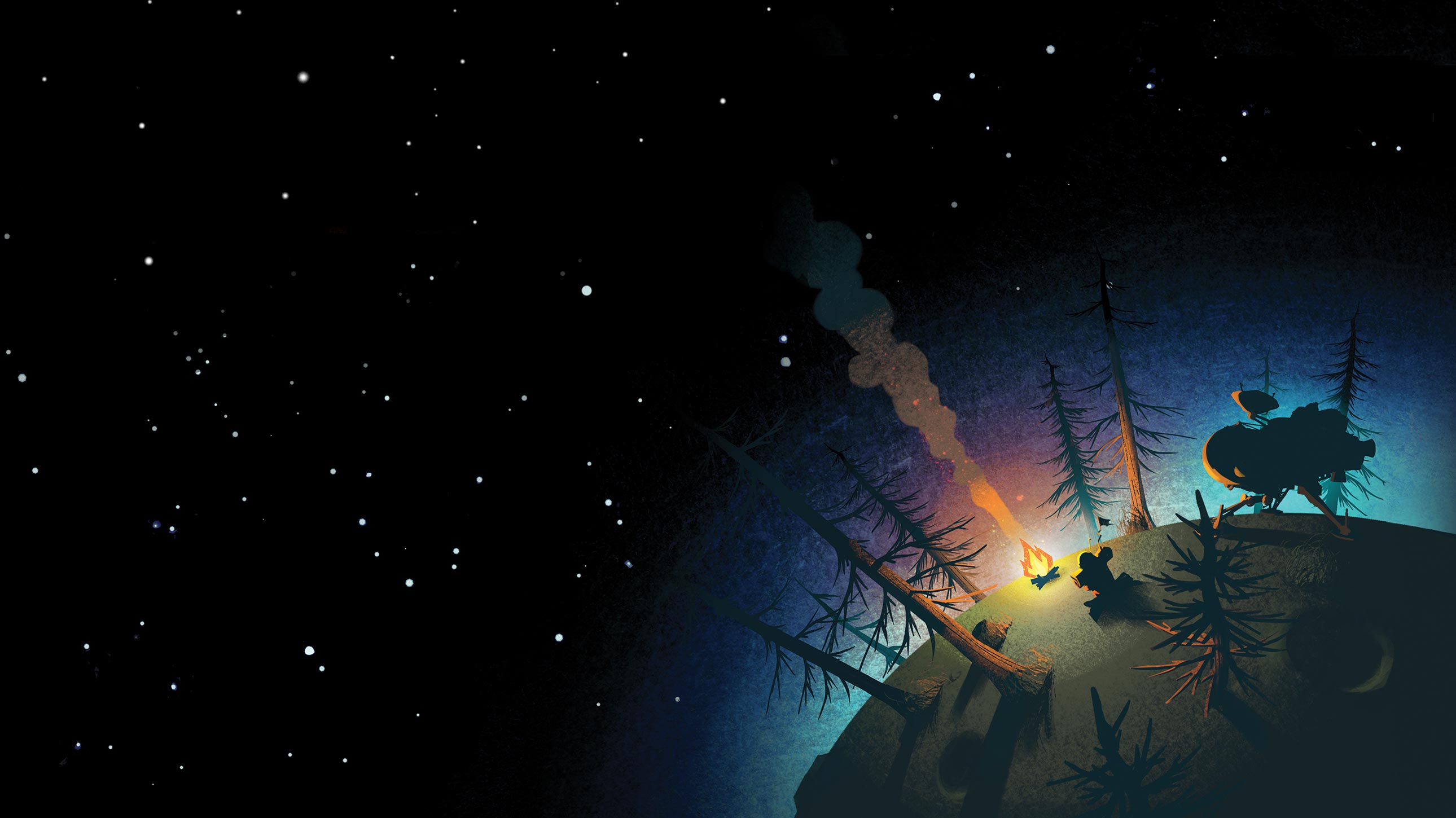
12. Outer Wilds
Outer Wilds offered an unparalleled sense of discovery, placing players in a miniature solar system trapped in a 22-minute time loop. The game presented no markers or progression systems, simply inviting curiosity to unravel its mysteries. Every piece of information, from ancient alien texts to environmental clues, built upon a grand, emergent narrative. It was a profound meditation on exploration, knowledge, and the universe's ultimate fate, proving true wonder comes from self-directed learning and piecing together a cosmic puzzle.